aquaculture
(10)
Maine’s $600 Ticket to a Bigger Business
The Maine Center for Entrepreneurs puts veteran operators, retail data and a roomful of peers within reach of small businesses. The real work begins when a founder has to act on the advice.
The Israeli Innovation Hub That Starts With Fish Ponds, Olive Pits and Factory Floors
InnoValley is betting that the best place to build the next agricultural technology is beside the farms, factories and fish ponds that will have to use it. Its currency is not hype but access - to grants, operators, researchers and a region willing to test what comes next.
Hatch Blue bets on the hard part of seafood
A fish farm needs more than a clever pitch. Hatch Blue has built an investment business around the awkward distance between a promising invention and something a farmer will actually buy.
DELOS
DELOS is an Indonesian aquaculture technology company that treats shrimp farming as an engineering problem rather than a matter of instinct. Founded in Jakarta in 2021 by Guntur Mallarangeng, Aris Noerhadi, Alexander Farthing and Bobby Indra Gunawan Wibisono, it built AquaHero - a farm operating system combining software, a cloud data model fed by dozens of pond variables, and standardised operating procedures - and then went further than most software companies would, taking operational responsibility for the ponds themselves. Its AquaLink arm consolidates harvest, cold chain and export, sending traceable vannamei shrimp to Japan, the United States and, since 2026, UK retail under the consumer brand The Naughty Prawn Co. DELOS says its managed ponds yield several times the Indonesian average, has raised roughly USD 13.75 million from Monk's Hill Ventures, Alpha JWC, Centauri Fund and Arise, and topped LinkedIn's Top Startups Indonesia list in 2023.
JALA
JALA is an Indonesian aquaculture technology company that helps shrimp farmers raise more shrimp with less risk. Founded in 2017 in Yogyakarta, it pairs IoT water-quality sensors with a farm-management app and layers on financing, quality inputs, expert consultation, and a marketplace for harvests. The goal is an end-to-end digital ecosystem that makes shrimp farming more productive, transparent, and sustainable across Indonesia's fragmented supply chain.
Blue Ocean Gear
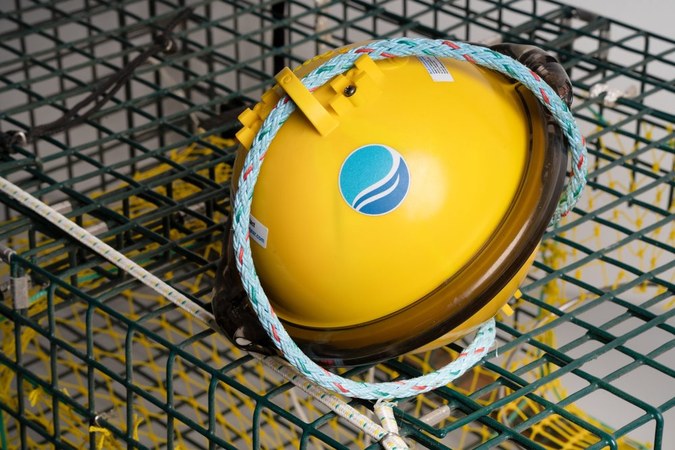
Blue Ocean Gear builds Smart Buoys - rugged, connected buoys that track the real-time location and movement of fishing and aquaculture gear deployed at sea. Using dual-band satellite and radio links feeding a cloud platform and mobile app, the company helps commercial fishers find lost gear faster, spot problems early, cut fuel-burning search time, and reduce 'ghost gear' that fouls the ocean. Founded in 2015 and based in Sausalito, California, it serves wild-capture fisheries, aquaculture farms, and research institutions from New England to the South Pacific.
Moleaer Inc.
Moleaer is a California-based cleantech company that pioneered the industrial-scale production of nanobubbles - gas bubbles roughly 2,500 times smaller than a grain of salt. Its patented nanobubble generators inject oxygen and other gases into water with extreme efficiency, helping farms, fish operations, wastewater plants, lakes and industrial sites use less water, fewer chemicals and less energy. Founded in 2016 and led by CEO Nick Dyner, Moleaer has deployed thousands of systems across more than 55 countries and raised about $61 million through a 2022 Series C led by Apollo funds, followed by a 2025 global partnership and strategic investment from water-tech giant Xylem.
Kortney Opshaug
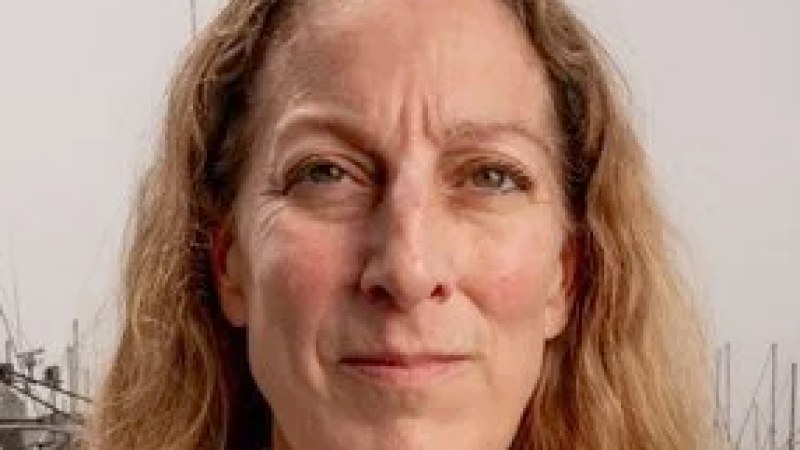
Kortney Opshaug is an aerospace-engineer-turned-ocean-entrepreneur and the CEO and founder of Blue Ocean Gear, a Sausalito-based startup whose orange-and-yellow Smart Buoys put GPS and sensors on fishing gear so commercial fishers can track, recover, and learn from equipment that would otherwise drift off as 'ghost gear.' With a Stanford PhD in aerospace and two MIT degrees in aeronautics, she spent years on docks listening to fishermen before designing hardware tough enough for the open ocean. Her buoys now ride the waters off Alaska, Nova Scotia, and the Caribbean, backed by NOAA SBIR funding and a Series A round, turning a tool for finding lost traps into a real-time data platform for a more sustainable ocean economy.
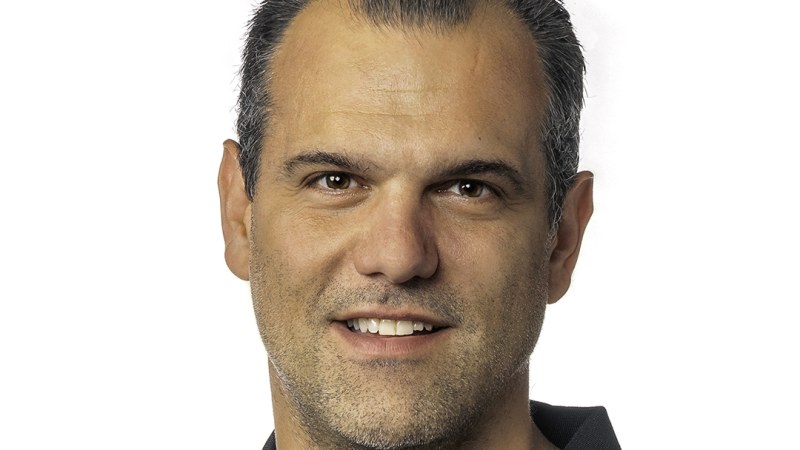
Nicholas Dyner
Nicholas Dyner is the CEO of Moleaer Inc., the Hawthorne, California company that turned nanobubbles - gas bubbles 2,500 times smaller than a grain of salt - into an industrial-scale tool for growing more food, cleaning more water, and reviving dying lakes. A Cornell history-and-economics major who fell into the water industry through a GE leadership program and never left, Dyner has spent nearly two decades selling water-treatment technology in more than 90 countries. Since 2017 he has guided Moleaer from a wastewater experiment to over 10,000 installations across 55 countries, a partnership with Xylem, and a multi-billion-dollar category that barely existed before he showed up.

Justin Kolbeck
Justin Kolbeck is Co-Founder and CEO of Wildtype, the San Francisco-based cultivated seafood company that became the first to receive FDA regulatory clearance for cell-grown salmon in the United States. A former U.S. Foreign Service Officer who served in Pakistan and Afghanistan, Kolbeck channeled his firsthand experience with global food insecurity into co-founding Wildtype in 2016 alongside cardiologist and microbiologist Aryé Elfenbein. The company has raised over $123 million in funding - including a record $100 million Series B backed by Leonardo DiCaprio, Jeff Bezos, and Robert Downey Jr. - and launched its sushi-grade coho salmon at award-winning restaurants in 2025. Wildtype's salmon, grown in stainless steel bioreactors in a converted San Francisco brewery, was named one of TIME's Best Inventions of 2025.