immuno-oncology
(87)
Helena Chaye Spent 20 Years Looking for the Right Virus
A virologist went to law school, learned patents were only the beginning, and built a career carrying engineered viruses from the lab toward the clinic. At KaliVir, every detour has become part of the job.

Axel Hoos Keeps Choosing the Empty Blueprint
He helped give immuno-oncology a working language, rebuilt an oncology operation after its cupboard was cleared, and turned a young biotech into a clinical-stage company. Now Axel Hoos is starting again.
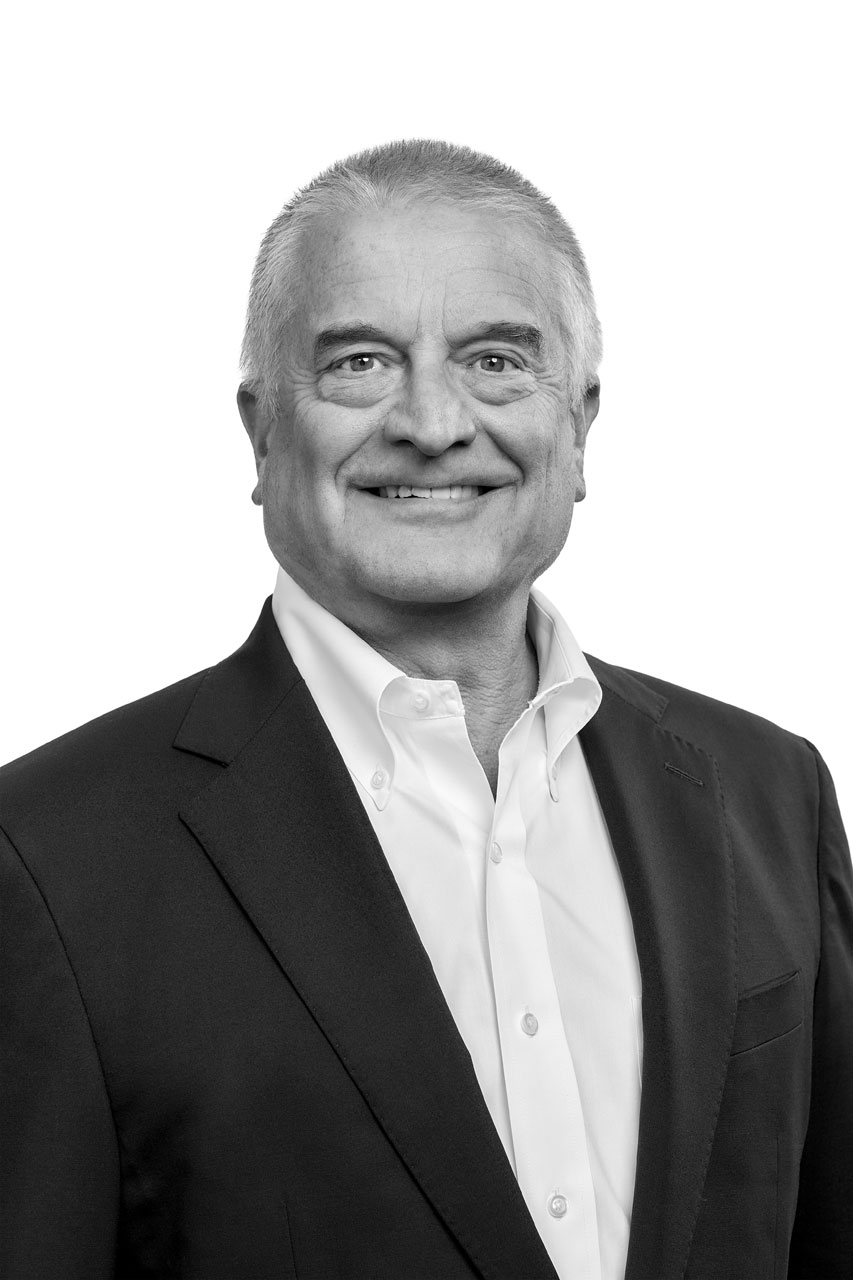
Alan Walts Has Spent Four Decades Turning Chemistry Into Companies
The Aleta Biotherapeutics CEO built his career in the quiet machinery of biotech: translating science, assembling teams, making deals, and turning one mentor’s habit of connecting people into an institution.
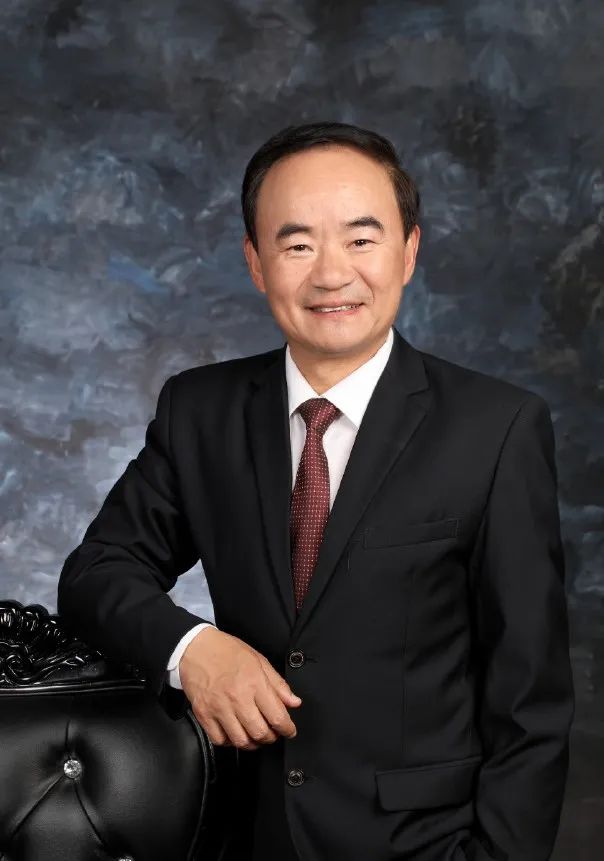
Jieyi Wang’s Long Bet on Antibodies That Need a Second Signal
After 22 years inside Abbott and AbbVie, the antibody scientist started Lyvgen around a precise design problem: how to make immune activation depend on where - and with what - an antibody binds.
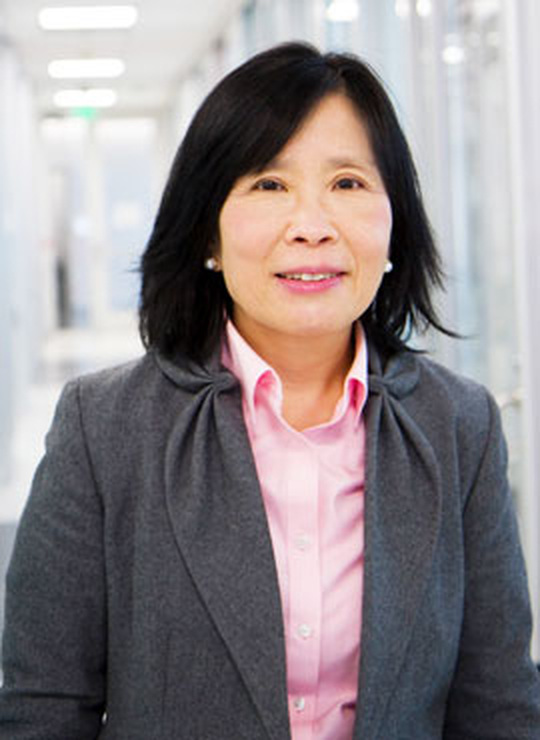
Li-Fen Lee Is Building a Biotech Around What the Immune System Misses
After two decades inside immunology labs and drug-discovery groups, Li-Fen Lee founded Apeximmune to search for the immune system’s overlooked brakes - then turn those discoveries into antibody medicines.

Aron Knickerbocker Built a Career by Following the Data
The Aulos Bioscience CEO has spent three decades moving closer to the work - from the lab, to the deal table, to the small teams where one clear decision can redirect an entire company.
Steven Everett
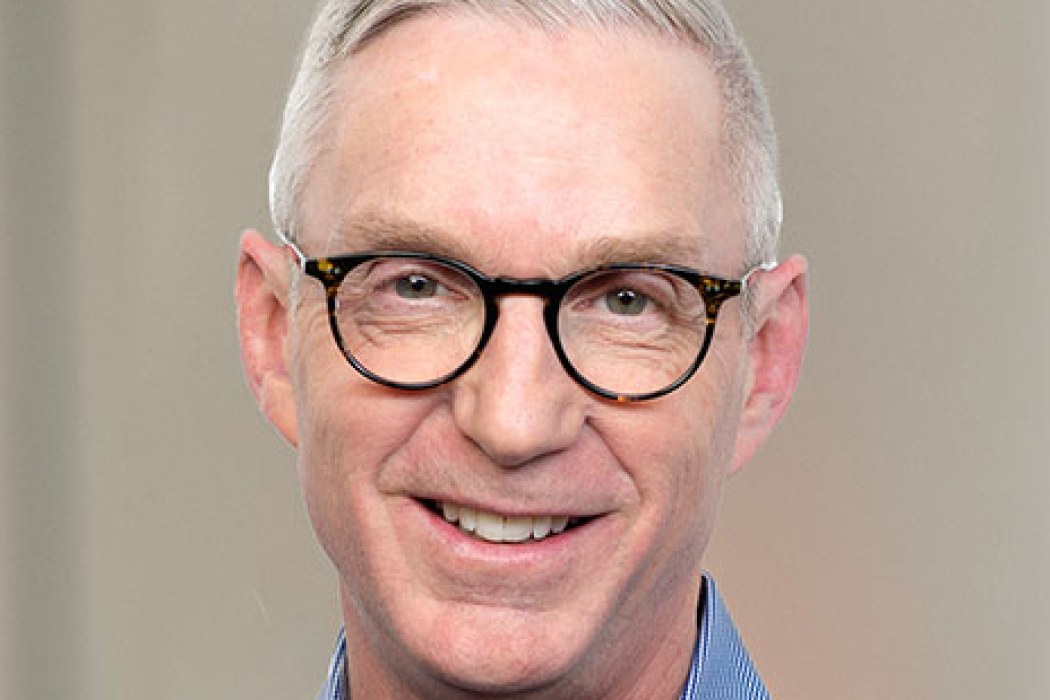
Steven Everett is a biotechnology executive and cancer scientist who founded MaveriX Oncology in Palo Alto, California, where he serves as President and CEO. With a background rooted in more than two decades of cancer research at the University of Oxford, University of Dundee and UCSF, he has built his career around a single idea: making cancer drugs that switch on only inside tumors. At MaveriX he is developing conditionally activated small-molecule therapeutics that exploit hydroxylase biology in the tumor immune microenvironment, aiming to hit cancer hard while sparing healthy tissue.
Tom Soloway
Tom Soloway is the Chief Executive Officer of T-knife Therapeutics, a transatlantic biotech developing T-cell receptor (TCR-T) therapies aimed at solid tumors. With more than 25 years across strategy, operations, corporate finance and venture capital, he has helped build and finance a string of life sciences companies including Transcept Pharmaceuticals, Ascendis Pharma and Audentes Therapeutics. He took the helm of T-knife in January 2021, positioning the Berlin- and San Francisco-based company to move its 'supercharged' TCR-T candidates into the clinic while staying lean and capital-efficient.

BostonGene
BostonGene is a Waltham, Massachusetts biotechnology company that applies AI-driven multiomics to cancer. Its Tumor Portrait platform integrates DNA and RNA sequencing with immune and tumor-microenvironment analysis into a single test, producing molecular profiles that help oncologists select therapies and help pharmaceutical partners design trials, identify biomarkers, and accelerate drug development. Founded in 2015 and led by CEO Andrew Feinberg, the company reached unicorn status in 2022.

HERVolution Therapeutics
HERVolution Therapeutics is a Copenhagen-based biotechnology company developing immunotherapies that target human endogenous retroviruses (HERVs) - dormant remnants of ancient viruses embedded in human DNA that can reactivate with age and disease. Formerly named InProTher, the company has engineered a proprietary platform that redesigns these 'dark genome' antigens to break immune tolerance, making them visible to the immune system for the first time. Its off-the-shelf vector-based pipeline, led by IPT-001, aims to treat cancer, metabolic disease, and other diseases of aging.
Leucid Bio
Leucid Bio is a clinical-stage London biotech developing next-generation CAR-T cell therapies for refractory solid tumors. Spun out of King's College London in 2014 to commercialize two decades of research by Dr John Maher, the company's proprietary Lateral CAR platform redesigns the CAR receptor so its signalling domains sit laterally alongside the cell membrane - mimicking natural immune receptors to boost potency while reducing toxicity. Its lead candidate, LEU011, is an autologous NKG2D-targeting CAR-T therapy now in the Phase I/IIa AERIAL trial for refractory solid tumors.
Mirror Biologics, Inc.
Mirror Biologics is a clinical-stage, international biopharmaceutical company developing an 'off-the-shelf' class of immunotherapy built on living, non-genetically-manipulated immune cells. Its patented Mirror Effect platform - protected by more than 200 issued patents - powers a pipeline led by AlloStim for cancer, AlloPrime as a universal anti-viral vaccine for the elderly, and StimVax as a neoantigen vaccine. Headquartered in Tampa, Florida with GMP manufacturing in Jerusalem and clinical operations across Thailand and Malaysia, the company is advancing AlloStim into late-stage trials, including a Phase II metastatic colorectal cancer study run in collaboration with Merck KGaA.

Pinetree Therapeutics
Pinetree Therapeutics is a Cambridge, Massachusetts biotech founded in 2019 that develops antibody-based targeted protein degraders for cancer. Its AbReptor and TAER-TAB platforms use modular bispecific and multispecific antibodies to hijack the body's own lysosomal machinery and eliminate disease-driving membrane-bound and extracellular proteins - including drug-resistant receptor tyrosine kinases that conventional inhibitors cannot reach. Led by founder and CEO Ho-Juhn Song, Ph.D., the preclinical company has raised roughly $111M to date, struck a $500M+ EGFR-degrader option deal with AstraZeneca, and is advancing lead oncology programs toward Phase I.
Sanavia Oncology Inc.
Sanavia Oncology is a New York-based biotech company developing next-generation cancer immunotherapies for patients who don't benefit from existing treatments. Its proprietary platform pairs high-throughput sequencing, single-molecule super-resolution microscopy, 3D protein modeling and artificial intelligence to discover novel, clinically relevant cancer-specific epitopes in drug-resistant tumors, then generates antibodies with atomic-level specificity to those targets. The company is building antibody drug conjugates (ADCs), bispecific T cell engagers (TCEs) and CAR-T therapies - led by its SANA-01 ADC - and is backed by Two Bear Capital.
Teon Therapeutics, Inc.
Teon Therapeutics is a clinical-stage, privately held biopharmaceutical company in Redwood City, California, developing a focused portfolio of orally administered small-molecule drugs that block immunosuppressive, cancer-promoting signaling pathways in the tumor microenvironment. Its GPCR-directed candidates - TT-702, a first-in-class adenosine A2B receptor antagonist, and TT-816, a first-in-class cannabinoid CB2 receptor antagonist - aim to restore anti-tumor immunity for the roughly 88% of solid-tumor patients who do not benefit from existing immunotherapies. The founding team members were primary inventors of Lexiscan, the only FDA-approved selective adenosine therapeutic.
Triumvira Immunologics, Inc.
Triumvira Immunologics is a clinical-stage immuno-oncology company developing engineered T cell therapies built on its proprietary T cell Antigen Coupler (TAC) platform. Unlike CAR-T, the TAC molecule co-opts the natural T cell receptor to recognize and attack cancer cells, aiming for a more physiological immune response with a potentially safer profile. The company advances autologous and allogeneic TAC T cell candidates against solid-tumor antigens such as HER2, Claudin 18.2, GPC3 and GUCY2C.

Filippo Petti
Filippo Petti is the Chief Executive Officer of Leucid Bio, a London-based clinical-stage biotech developing next-generation CAR-T cell therapies for solid tumours built on a proprietary lateral CAR platform spun out of two decades of King's College London research. Appointed CEO in July 2023, Petti pairs a bench-science start at OSI Pharmaceuticals with years on Wall Street as a healthcare investment banker and equity analyst, and a prior run leading Celyad Oncology as CEO and CFO. Under his watch, Leucid moved its lead asset LEU011 into the AERIAL Phase I/IIa trial, reporting early proof-of-concept in relapsed/refractory solid tumours in late 2025.
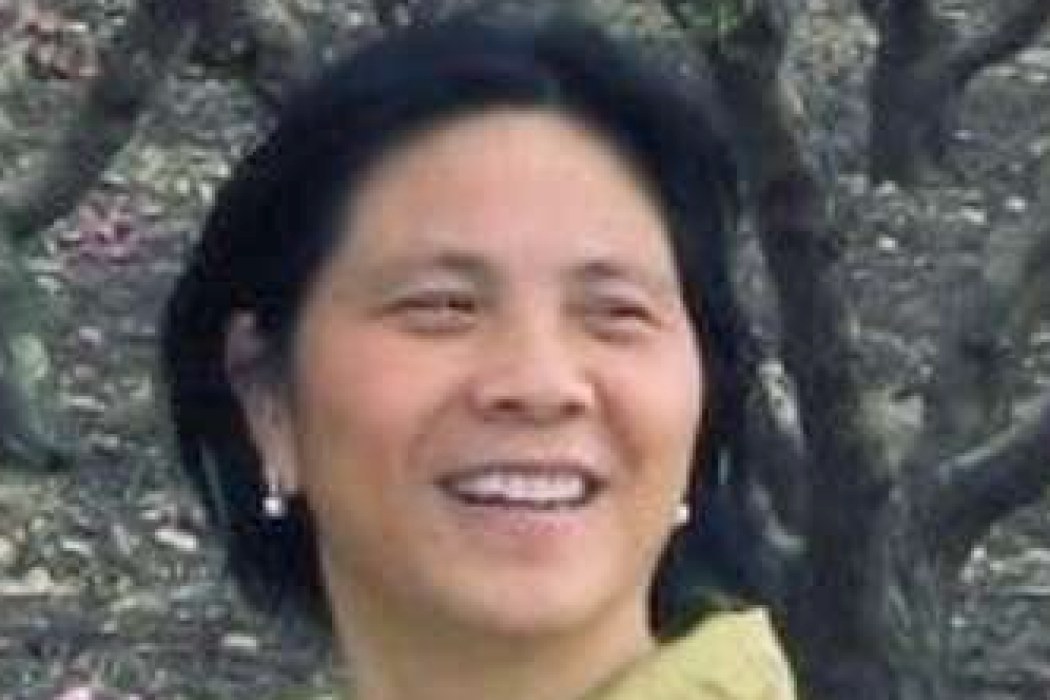
Lina Yao
Lina Yao is a pharmaceutical scientist and the founder of Teon Therapeutics, a Redwood City, California biotech developing first-in-class, orally administered small-molecule cancer drugs that target G-protein coupled receptors to reverse tumor-driven immune suppression. A molecular pharmacologist by training with an MD and PhD and more than two decades in drug discovery, she built her career at CV Therapeutics and Gilead Sciences before launching Teon in 2018. She led the company through an oversubscribed $30 million Series A in 2021 and into the clinic with two novel programs: TT-702, an adenosine A2B receptor antagonist, and TT-816, a cannabinoid CB2 receptor antagonist being studied in combination with Merck's KEYTRUDA.

CytomX Therapeutics
CytomX Therapeutics is a clinical-stage, oncology-focused biopharmaceutical company in South San Francisco that engineers conditionally activated antibody therapeutics through its proprietary PROBODY platform. By masking a drug's binding site and unmasking it only in the tumor microenvironment - where specific proteases cut a cleavable linker - CytomX aims to hit cancer targets that are otherwise too toxic to drug, widening the therapeutic window for antibody-drug conjugates, T-cell engagers and cytokines. Its wholly owned pipeline is led by CX-2051, an EpCAM-targeting PROBODY ADC for metastatic colorectal cancer, alongside masked interferon CX-801 and T-cell engager CX-904, and it partners its technology with Amgen, Astellas, Bristol Myers Squibb, Moderna and Regeneron.

Eureka Therapeutics, Inc.
Eureka Therapeutics is a clinical-stage biopharmaceutical company in Emeryville, California, developing next-generation T-cell therapies for cancer, with a focus on hard-to-treat solid tumors. Founded in 2006 by Dr. Cheng Liu, the company pairs its E-ALPHA phage-display antibody engine with its ARTEMIS T-cell receptor platform - an alternative to conventional CAR-T designed to keep engineered T cells potent inside immunosuppressive tumors while sharply reducing the inflammatory cytokine release linked to CAR-T toxicity. Its lead program, ECT204, targets GPC3-positive advanced liver cancer and has received FDA RMAT designation.

AmMax Bio., Inc.
AmMax Bio is a clinical-stage biotechnology company in Redwood City, California, developing first-in-class cancer therapeutics built on a CSF1R-targeting antibody platform. Founded in 2020 by pharmaceutical veteran Larry Hsu, PhD, in partnership with Amgen, the company advances a pipeline that spans a monoclonal antibody for tenosynovial giant cell tumor (TGCT), a therapy for colorectal cancer minimal residual disease (in partnership with MD Anderson), and a lead antibody-drug conjugate, AMB-104, for acute myeloid leukemia. AmMax's strategy is to de-risk development by combining clinically validated antibodies with established linker-payload technology.

Apeximmune Therapeutics
Apeximmune Therapeutics is a South San Francisco / Burlingame-area biotechnology company developing next-generation antibody therapeutics that harness the immune system to treat cancer and autoimmune disease. Using a proprietary target-discovery platform built on bioinformatic analysis of thousands of tumor RNA-seq transcriptomes, the company has identified more than 30 novel immune targets. Its lead program, AI-306, is a first-in-class antagonist antibody against the novel immune checkpoint AIM-103, and its MEBA platform builds bispecific antibodies that engage macrophages to kill tumor cells. The company closed a $21.3 million Series A in 2025 led by PharmaEssentia.

Aulos Bioscience
Aulos Bioscience is a Larkspur, California, clinical-stage immuno-oncology company using artificial intelligence to design antibody therapeutics that unlock the anti-cancer power of interleukin-2 (IL-2). Its lead candidate, imneskibart (AU-007) - described as the first AI-designed human monoclonal antibody to enter human clinical trials - redirects IL-2 away from immune-suppressing regulatory T cells and toward immune-activating effector T cells and NK cells, aiming to treat solid tumors such as melanoma and non-small cell lung cancer while avoiding the toxicity that has limited earlier IL-2 therapies.

Dispatch Bio
Dispatch Bio is a Philadelphia-based cancer biotech that emerged from stealth in July 2025 with $216 million to pursue a 'universal' immunotherapy for solid tumors. Its first-in-class Flare platform uses an engineered virus to install a synthetic, tumor-specific antigen on cancer cells while remodeling the tumor's immune-suppressive environment, effectively giving CAR T cells a target where none existed. Founded in 2022 out of the Parker Institute for Cancer Immunotherapy and ARCH Venture Partners, the company is led by CEO Sabah Oney and counts CAR T pioneer Carl June among its scientific co-founders.
Glycyx
Glycyx is a San Francisco biopharmaceutical company developing axelopran, an orally administered peripheral mu-opioid receptor antagonist, to counter opioid-induced immunodeficiency in cancer patients. Roughly 45% of immunotherapy patients take opioids for pain, and studies link that use to sharply worse outcomes on checkpoint inhibitors. Axelopran blocks opioid signaling on immune cells - without touching pain relief - to restore T-cell infiltration into tumors and make 'cold' tumors respond to immunotherapy. The company is Phase 2b-ready with an active IND and has drawn NIH SBIR grant support.
KaliVir Immunotherapeutics
KaliVir Immunotherapeutics is a clinical-stage biotech developing next-generation oncolytic viral immunotherapies for cancer. Its proprietary Vaccinia Enhanced Template (VET) platform engineers vaccinia viruses that can be delivered intravenously, replicate selectively in tumors, and express therapeutic payloads that reshape the tumor microenvironment. Founded in 2019 and headquartered in Pittsburgh, the company advances an internal lead candidate, VET3-TGI, alongside partnered programs licensed to Astellas Pharma and Roche.

Lyvgen Biopharma
Lyvgen Biopharma is a Shanghai-based clinical-stage immuno-oncology company founded in 2016 by veteran oncology scientist Dr. Jieyi Wang. It builds agonist antibodies - drugs that switch the immune system on rather than release its brakes - using a proprietary xLinkAb platform designed to concentrate immune activation inside tumors while limiting toxicity elsewhere. Its lead program, the CD137/4-1BB agonist antibody LVGN6051 (exlinkibart), is in Phase Ib/II trials in the US and China, including combinations with Merck's Keytruda, alongside a CD40 agonist (LVGN7409), a PD-1 blocker (LVGN3616), and bispecific candidates. Backed by IDG Capital and others through a Series C, Lyvgen runs R&D in Shanghai, a CMC/manufacturing center in Suzhou, and clinical and business development teams spanning China and the US.
T-knife Therapeutics
T-knife Therapeutics is a clinical-stage biotech engineering T-cell receptor (TCR-T) therapies to treat solid tumors. Spun out of Berlin's Max Delbrück Center in 2015, it built a proprietary humanized-TCR mouse platform (HuTCR) that grows a full human immune repertoire in mice, letting the company harvest fully human TCRs naturally selected for affinity and specificity. Now dual-based in San Francisco and Berlin, T-knife is advancing 'supercharged' TCR-T candidates - including a PRAME-targeted, CRISPR-armored therapy (TK-6302) entering the clinic - against cancers that have long resisted cell therapy.

Phil Vickers
Phil Vickers is President and CEO of Solu Therapeutics, a Boston clinical-stage biotech building small-molecule 'chimeras' that ferry cytotoxic payloads to disease-driving cells. He arrived in September 2023 after runs at Faze Medicines and Northern Biologics, and R&D leadership at Shire, Boehringer-Ingelheim, Pfizer and Merck. In April 2025 he closed a $41M Series A with Eli Lilly, Pappas Capital and the Leukemia & Lymphoma Society and dosed the first patient in a Phase 1 trial of STX-0712 for CMML.
Ability Biotherapeutics
Ability Biotherapeutics (also known as Ability Biologics) is a Montreal-based biotech founded in 2023 that engineers highly selective, immune-cell-modulating antibody therapeutics for cancer and autoimmune disease. Its AbiLeap discovery engine pairs continuously learning AI with one of the largest antibody-antigen interaction databases ever assembled to generate fully human, IgG-based multispecific antibodies that sense their environment and act only where intended - so-called logic-gated therapeutics. Backed by US$18M in seed capital led by Amplitude Ventures, the company is advancing a pipeline of immuno-oncology and autoimmune candidates toward preclinical readiness.