clinical-stage
(108)
The Boston Biotech Betting That Cells Don't Have to Show Up to Heal You
Aegle Therapeutics skips the stem cell transplant and ships only the message the cell was trying to send - a cell-free vesicle therapy now in human trials for one of the cruelest skin diseases in medicine.
The COPD drug you breathe from a mist, not a puff
A three-person startup out of San Diego is betting that millions of COPD patients can't work an inhaler - and that a mist they can simply breathe will win a market the pharma giants keep buying up.
Nuevocor
Nuevocor is a Singapore-founded, clinical-stage biotechnology company developing genetic medicines for cardiomyopathies driven by aberrant mechanobiology - the mechanical stresses that damage heart-muscle cells. Spun out of Singapore's A*STAR research agency in 2021, the company built a proprietary discovery engine called PrOSIA (Protein Organ Specific Interactome Analysis) to map the functional root causes of genetic heart disease. Its lead program, NVC-001, is an AAV-based gene therapy for LMNA-related dilated cardiomyopathy, an aggressive inherited heart condition with no targeted treatment. Nuevocor received FDA IND clearance for NVC-001 in June 2025 and has raised roughly US$80.6 million to date, including a US$45 million Series B in May 2025.
AIRNA
AIRNA is a clinical-stage biotechnology company building RNA-editing medicines that harness ADAR, a naturally occurring human enzyme, to make precise, programmable and non-permanent edits to RNA. Its RESTORE+ platform uses short oligonucleotides to recruit ADAR to a target transcript and swap a single letter, correcting disease-causing variants without altering DNA. AIRNA's lead candidate, AIR-001, targets alpha-1 antitrypsin deficiency (AATD) and has advanced into a Phase 1/2 clinical trial, with a broader pipeline aimed at cardiometabolic and other diseases. The company is headquartered in Cambridge, Massachusetts, with research operations in Tübingen, Germany, and has raised roughly $245 million from investors including ARCH, Forbion and Venrock.

Atavistik Bio
Atavistik Bio is a Cambridge, Massachusetts clinical-stage biotechnology company that discovers precision allosteric small-molecule medicines. Its proprietary AMPS (Atavistik Metabolite-Protein Screening) platform, paired with an AI-enabled discovery engine, uses natural metabolites as bait to reveal hidden allosteric pockets on disease-driving proteins that conventional drug discovery cannot reach. The company is advancing an oral AKT1-selective inhibitor for hereditary hemorrhagic telangiectasia (HHT) and a JAK2 V617F mutant-selective program for myeloproliferative neoplasms (MPNs).
Beacon Therapeutics
Beacon Therapeutics is a clinical-stage ophthalmic gene therapy company building AAV-based treatments to preserve and restore sight for people with rare and prevalent retinal diseases that cause blindness. Formed in 2023 by Syncona around the assets of Applied Genetic Technologies Corp (AGTC) and complementary science from the University of Oxford, its lead program, laru-zova (AGTC-501), is a one-time gene therapy for X-linked retinitis pigmentosa now in registrational trials, with additional programs targeting geographic atrophy (dry AMD) and cone-rod dystrophy.
City Therapeutics
City Therapeutics is a Cambridge, Massachusetts biotechnology company engineering the next generation of RNA interference (RNAi) medicines. Founded by pioneers of the RNAi field, including former Alnylam CEO John Maraganore and Nobel-adjacent academic scientists, the company designs novel siRNA trigger molecules and targeting ligands intended to make RNAi drugs more potent, more specific, and able to reach tissues beyond the liver. Launched in October 2024 with a $135M Series A and backed by a further $99.5M Series B in 2026, City is advancing a pipeline led by CITY-FXI for thromboembolic disease and CITY-RBP4 for Stargardt disease, alongside research collaborations with Biogen and Bausch + Lomb.
CORXEL Pharmaceuticals
CORXEL Pharmaceuticals is a clinical-stage biopharmaceutical company developing innovative therapies for cardiometabolic diseases worldwide. Spun out of RTW Investments in 2019 (formerly JiXing Pharmaceuticals) and dual-based in Berkeley Heights, New Jersey and Shanghai, CORXEL is advancing a pipeline led by CX11, a differentiated oral small-molecule GLP-1 receptor agonist for obesity and type 2 diabetes, alongside JX10 for acute ischemic stroke and JX09 for hypertension. In January 2026 the company raised up to $287 million in Series D1 financing to push these programs through late-stage clinical trials.
CREATE Medicines
CREATE Medicines is a Cambridge, Massachusetts clinical-stage biotech building in vivo immune programming - therapies that use an mRNA-lipid nanoparticle platform to turn a patient's own T cells, NK cells, and myeloid cells into chimeric antigen receptor (CAR) cells directly inside the body, rather than extracting and re-engineering them in a lab. Formerly Myeloid Therapeutics, the company rebranded in October 2025 as its pipeline expanded beyond myeloid cells and cancer into autoimmune disease and fibrosis. Its repeat-dosable, off-the-shelf approach aims to make CAR therapy cheaper and more scalable than conventional cell therapy, and the company says it has dosed more than 50 patients - among the largest clinical datasets for in vivo CAR to date.
Ensem Therapeutics
Ensem Therapeutics is a Waltham, Massachusetts clinical-stage biotech using its Kinetic Ensemble platform - a blend of AI/ML, molecular simulation, and experimental biophysics - to find cryptic and allosteric pockets in proteins that are otherwise considered difficult to drug. The company designs small-molecule precision medicines for cancer, with two lead programs: ETX-636, an allosteric pan-mutant-selective PI3Kalpha inhibitor and degrader for breast cancer (FDA Fast Track), and ETX-197/BG-68501, a selective CDK2 inhibitor partnered with BeiGene.
K36 Therapeutics, Inc.
K36 Therapeutics is a Cambridge, Massachusetts clinical-stage biotech developing first-in-class oral small-molecule inhibitors of NSD2/MMSET, an epigenetic enzyme that drives hard-to-treat cancers. Its lead candidate, gintemetostat (KTX-1001), is in Phase 1 for relapsed/refractory multiple myeloma carrying the t(4;14) translocation, and a second program, KTX-2001, targets metastatic castration-resistant prostate cancer. Backed by Atlas Venture, F-Prime Capital, Eight Roads Ventures, Nextech Invest and Bristol Myers Squibb, K36 has raised roughly $100M+ to translate chromatin biology into precision cancer medicines.
Mirror Biologics, Inc.
Mirror Biologics is a clinical-stage, international biopharmaceutical company developing an 'off-the-shelf' class of immunotherapy built on living, non-genetically-manipulated immune cells. Its patented Mirror Effect platform - protected by more than 200 issued patents - powers a pipeline led by AlloStim for cancer, AlloPrime as a universal anti-viral vaccine for the elderly, and StimVax as a neoantigen vaccine. Headquartered in Tampa, Florida with GMP manufacturing in Jerusalem and clinical operations across Thailand and Malaysia, the company is advancing AlloStim into late-stage trials, including a Phase II metastatic colorectal cancer study run in collaboration with Merck KGaA.

Presidio Medical, Inc.
Presidio Medical is a clinical-stage medical device company in San Mateo, California, developing a proprietary Ultra Low Frequency (ULF) neuromodulation platform. By delivering very low frequency biphasic electrical currents through leads implanted in the epidural space, Presidio's spinal cord stimulation system reversibly blocks the conduction of pain signals along nerves without damaging tissue. Its first target is chronic nociceptive low back pain, a large and underserved indication with no approved SCS therapy. Backed by Deerfield Management and others, the company raised a $72M Series C in 2023 and received FDA IDE approval in 2025 to run its global pivotal FULFILL trial.
ProJenX
ProJenX is a New York City clinical-stage biotechnology company developing prosetin, a first-in-class, oral, brain-penetrant MAP4K inhibitor for amyotrophic lateral sclerosis (ALS) and other neurodegenerative brain diseases. Spun out of a two-decade collaboration between the nonprofit Project ALS and Columbia University researchers, ProJenX is built on the discovery that inhibiting MAP4 kinases protects motor neurons across multiple patient-derived stem cell models of ALS. The company is running the PRO-101 Phase 1b trial in people living with ALS.
Scorpion Therapeutics
Scorpion Therapeutics was a Boston-based, clinical-stage precision oncology company built to advance what it called "Precision Oncology 2.0" - pairing cancer biology, computational chemistry, medicinal chemistry and genomics to design small-molecule drugs against cancer targets that had resisted earlier approaches. Founded in 2020 by a group of prominent scientists and biotech operators, it raised more than $440 million and built a pipeline of mutant-selective inhibitors, most notably the PI3K-alpha inhibitor STX-478 and a franchise of fourth-generation EGFR inhibitors. In January 2025 Eli Lilly agreed to acquire the company and its PI3K-alpha program in a deal worth up to $2.5 billion, while Scorpion's remaining pipeline and staff were spun into a new independent company, Antares Therapeutics.
Triumvira Immunologics, Inc.
Triumvira Immunologics is a clinical-stage immuno-oncology company developing engineered T cell therapies built on its proprietary T cell Antigen Coupler (TAC) platform. Unlike CAR-T, the TAC molecule co-opts the natural T cell receptor to recognize and attack cancer cells, aiming for a more physiological immune response with a potentially safer profile. The company advances autologous and allogeneic TAC T cell candidates against solid-tumor antigens such as HER2, Claudin 18.2, GPC3 and GUCY2C.
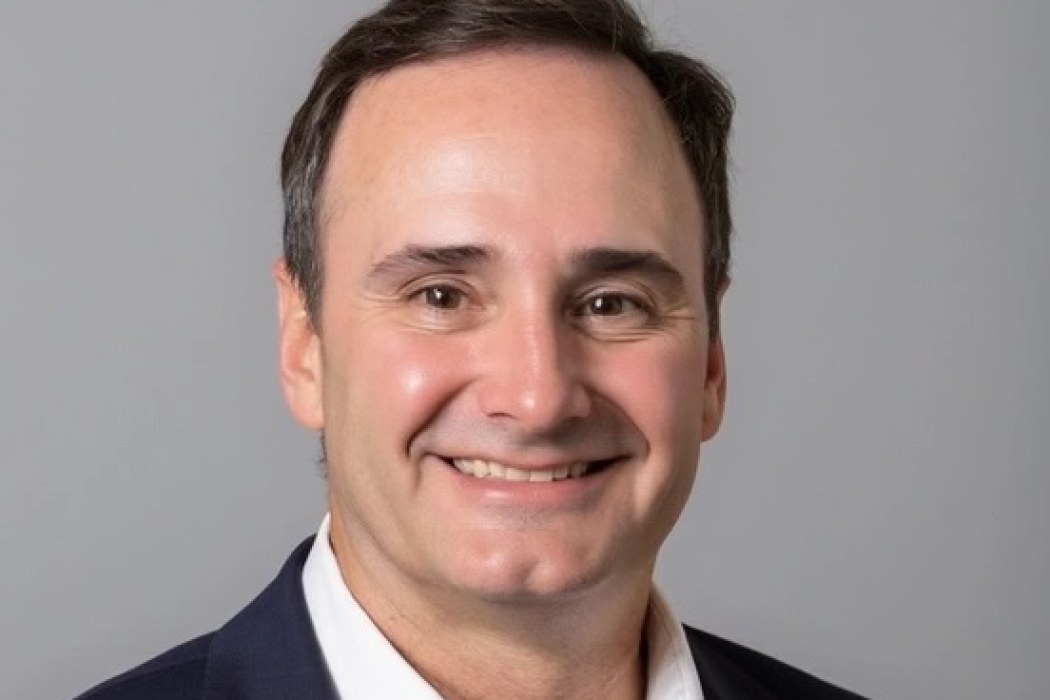
Joe Loy
Joe Loy is the President and CEO of Zetagen Therapeutics, a Syracuse, New York clinical-stage biopharmaceutical company developing small-molecule therapies to treat metastatic cancer in bone and soft tissue while regenerating healthy bone. A serial entrepreneur with several successful exits, Loy has spent his career building teams around first-to-market medical technologies at companies including US Surgical, Pfizer/Leibinger, NuVasive, and Stryker. Since taking the helm in January 2019, he has guided Zetagen through two FDA Breakthrough Device Designations, multiple financing rounds, and the launch of Phase 2a clinical trials for its lead candidate ZetaMet.
FibroGen, Inc.
FibroGen, Inc. is a San Francisco biopharmaceutical company that spent three decades building first-in-class medicines around hypoxia-inducible factor (HIF) and connective tissue growth factor (CTGF) biology. Its best-known drug, roxadustat, is an oral treatment for anemia approved in China, Japan and Europe. After selling its China business to AstraZeneca in 2025 and paying down debt, the company rebranded as Kyntra Bio (Nasdaq: KYNB) in January 2026 to concentrate on oncology and rare disease, led by FG-3246, a first-in-class CD46-targeting antibody-drug conjugate for metastatic prostate cancer.
Allysta Pharmaceuticals, Inc.
Allysta Pharmaceuticals is a private, venture-backed, clinical-stage biopharmaceutical company developing first-in-class therapeutic peptides that target adiponectin signaling. Its lead compound, ALY688, is described as the first adiponectin receptor agonist to enter human testing, with anti-inflammatory, anti-fibrotic, cell-regenerative and metabolic properties. Allysta is advancing ALY688 as an ophthalmic solution for dry eye disease and as an extended/sustained-release formulation for systemic conditions such as NASH/MASH and Duchenne muscular dystrophy.

AmMax Bio., Inc.
AmMax Bio is a clinical-stage biotechnology company in Redwood City, California, developing first-in-class cancer therapeutics built on a CSF1R-targeting antibody platform. Founded in 2020 by pharmaceutical veteran Larry Hsu, PhD, in partnership with Amgen, the company advances a pipeline that spans a monoclonal antibody for tenosynovial giant cell tumor (TGCT), a therapy for colorectal cancer minimal residual disease (in partnership with MD Anderson), and a lead antibody-drug conjugate, AMB-104, for acute myeloid leukemia. AmMax's strategy is to de-risk development by combining clinically validated antibodies with established linker-payload technology.

Apreo Health
Apreo Health is a clinical-stage medical device company in Menlo Park, California developing the BREATHE Airway Scaffold, a bronchoscopically delivered, self-expanding nitinol implant that relieves lung hyperinflation in patients with severe emphysema. Unlike existing valve and surgical treatments that collapse or remove lung tissue, the scaffold gently tents open damaged airways to release trapped air while sparing healthy tissue, aiming to expand who can be treated. The company raised a $130M Series B in August 2025 to run its pivotal BREATHE-3 trial and prepare for early commercialization.

Aulos Bioscience
Aulos Bioscience is a Larkspur, California, clinical-stage immuno-oncology company using artificial intelligence to design antibody therapeutics that unlock the anti-cancer power of interleukin-2 (IL-2). Its lead candidate, imneskibart (AU-007) - described as the first AI-designed human monoclonal antibody to enter human clinical trials - redirects IL-2 away from immune-suppressing regulatory T cells and toward immune-activating effector T cells and NK cells, aiming to treat solid tumors such as melanoma and non-small cell lung cancer while avoiding the toxicity that has limited earlier IL-2 therapies.

Auransa
Auransa is a clinical-stage, AI-native biopharmaceutical company in Palo Alto, California, that uses a proprietary machine-learning platform - the SMarTR Engine - to mine large, heterogeneous human disease datasets and discover novel cancer therapies without starting from a predefined drug target. Founded in 2014 by Pek Lum and Viwat Visuthikraisee, the company pairs each predicted compound with the patient subtypes most likely to respond, aiming to improve the odds of clinical success. Its lead program, AU-409, an RNA transcription modulator for advanced liver cancer, is in Phase 1 trials, with additional programs including heart-safe chemotherapy.

Enveda
Enveda is a clinical-stage biotech that uses artificial intelligence to read the chemistry of the natural world and turn it into new medicines. Founded in 2019 by Viswa Colluru, the company built PRISM, a foundation model trained on more than a billion mass spectra, to decode the structure of natural molecules that traditional methods leave invisible. That platform has produced a pipeline of small-molecule drug candidates - led by ENV-294, an oral anti-inflammatory now in Phase 2 trials for atopic dermatitis and asthma. Backed by more than $700M in funding and valued as a unicorn, Enveda operates out of Boulder, Colorado and Hyderabad, India.

Materna Medical
Materna Medical is a Mountain View, California women's health company building FDA-cleared medical devices for pelvic health across a woman's life. Its consumer product, Milli, is the first vaginal dilator that expands one millimeter at a time to treat vaginismus and painful intercourse; its clinical-stage Ellora obstetrical system is designed to pre-stretch pelvic floor muscles during labor to reduce childbirth injury. Led by CEO Tracy MacNeal, the company has raised roughly $82.6M to date.

MBrace Therapeutics
MBrace Therapeutics is a clinical-stage oncology company building antibody-drug conjugates (ADCs) against hard-to-drug cancer targets. Its proprietary SPARTA platform screens antibodies directly inside living tumors to surface antigens that are cancer-specific, accessible, and internalizing - the traits an ADC needs to deliver its toxic payload where it counts. Founded in 2020 and headquartered in San Diego, the company raised an $85M Series B in 2023 (led by TPG) to advance a pipeline led by MBRC-101, a first-in-class ADC targeting the EphA5 receptor now in Phase 1/2 clinical trials.
NEOK Bio
NEOK Bio is a Palo Alto-based clinical-stage biotechnology company developing bispecific antibody drug conjugates (ADCs) for solid tumors. Founded and led by physician-executive Mayank Gandhi and backed by Korean antibody specialist ABL Bio, NEOK launched from stealth in November 2025 with a $75 million Series A. Its dual-targeting approach binds two complementary tumor antigens at once, aiming to widen the therapeutic window and overcome the resistance and toxicity limits of conventional single-target ADCs. The company's two lead programs, NEOK001 (ROR1/B7-H3) and NEOK002 (EGFR/MUC1), both cleared FDA IND review in early 2026 and are headed into Phase 1 studies.
Nuvig Therapeutics
Nuvig Therapeutics is a clinical-stage biotech in the San Francisco Bay Area developing next-generation immune modulators for chronic autoimmune and inflammatory diseases. Founded in 2022 on research from The Rockefeller University, its lead candidate NVG-2089 is a first-in-class recombinant Fc fragment that engages type II Fc receptors to recapitulate the anti-inflammatory benefits of IVIg without immunosuppression or the supply constraints of plasma-derived products. The company raised a $161M Series B in December 2024 to push NVG-2089 into Phase 2 for CIDP and other indications.

OrsoBio
OrsoBio is a Palo Alto clinical-stage biopharmaceutical company developing first-in-class small-molecule therapies for severe metabolic disorders including obesity, type 2 diabetes, and MASH. Its lead approach uses liver-targeted mitochondrial protonophores that restore cellular energy homeostasis - biology inspired partly by how hibernating bears manage their metabolism ("orso" is Italian for bear). Incubated by Samsara BioCapital and led by former Gilead liver-disease leaders, the company has raised roughly $256M across four rounds and reported Phase 1b/2a data showing its lead candidate TLC-6740 added meaningful weight loss on top of the incretin drug tirzepatide.

Shifamed
Shifamed is a Silicon Valley medical technology incubator founded in 2009 by serial entrepreneur Amr Salahieh. It combines human-centered design, in-house engineering, and R&D facilities to build medical device companies from concept to commercial launch, spinning out and incubating startups across cardiovascular, electrophysiology, and ophthalmology. Its portfolio and legacy companies have raised over $800M and produced multiple acquisitions by Boston Scientific, Abbott, Covidien, and Johnson & Johnson.