biologics
(37)
Deborah Bitterfield Is Taking the Water Out of Biologics - and the Waiting Room Out of the Day
A Duke materials scientist turned one stubborn laboratory technique into a biotech company, a Novartis collaboration, and a practical lesson in building around the minutes people want back.

Brian Finrow’s Second Draft of Biotech Starts With Spirulina
A corporate lawyer walked into a spirulina lab and stayed. At Lumen Bioscience, Brian Finrow is testing whether cheaper manufacturing can change not only how biologic drugs are made, but which problems the industry chooses to solve.
The Duke Spinout Teaching Billion-Dollar Drugs to Fit Inside a Needle
Deborah Bitterfield raised about $8 million over seven years to prove that a protein could be dried into microbeads and shot through a needle. Then Novartis signed a deal worth up to nearly $1 billion.
Inside the Company That Takes a Drug From Sketch to Syringe
Curia rarely puts its name on the medicine. It does the chemistry, scale-up and sterile manufacturing that can get somebody else’s molecule into a patient’s hands.
UCB
UCB spent decades shedding its industrial past to become a specialist in the brain and immune system. Now five medicines, two ambitious acquisitions and a new Georgia factory are testing whether focus can scale.

Neion Bio
Neion Bio is a New York biotech company that genetically engineers chicken eggs into factories for complex biologic drugs. Its Raptor platform aims to make monoclonal antibodies and other glycosylated proteins at a fraction of the capital cost and carbon footprint of conventional cell-culture bioreactors. Founded in 2024 and emerged from stealth in March 2026, the company raised an oversubscribed $23 million Series A in June 2026 and signed an early multi-product biosimilar deal with a major global pharmaceutical company.
PranaX
PranaX is a Houston-based regenerative medicine biotechnology company developing stem cell-derived exosome products to counter aging, inflammation, and tissue damage. Built on exosome technology exclusively licensed from The University of Texas MD Anderson Cancer Center, PranaX operates an FDA-registered cGMP facility at the Levit Green life science campus and is bringing to market a physician-directed exosome wellness supplement (ExoWELL) and a personal exosome banking service (ExoSTORE). The company closed an oversubscribed $17M Series A in early 2026.

Apeximmune Therapeutics
Apeximmune Therapeutics is a South San Francisco / Burlingame-area biotechnology company developing next-generation antibody therapeutics that harness the immune system to treat cancer and autoimmune disease. Using a proprietary target-discovery platform built on bioinformatic analysis of thousands of tumor RNA-seq transcriptomes, the company has identified more than 30 novel immune targets. Its lead program, AI-306, is a first-in-class antagonist antibody against the novel immune checkpoint AIM-103, and its MEBA platform builds bispecific antibodies that engage macrophages to kill tumor cells. The company closed a $21.3 million Series A in 2025 led by PharmaEssentia.
Jason Gardner
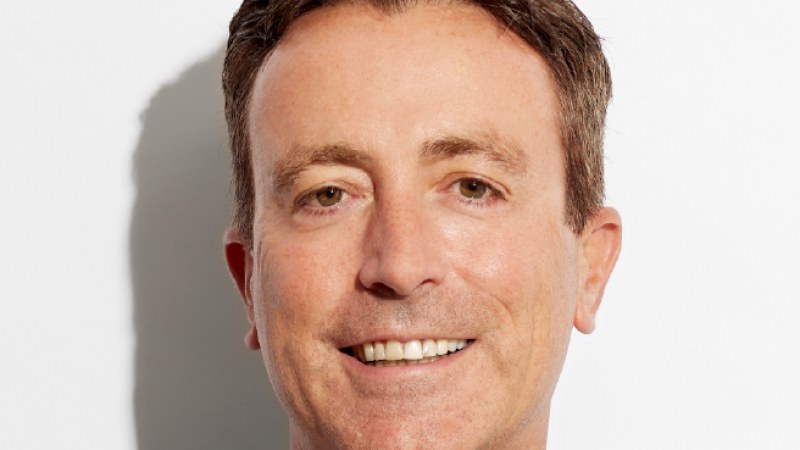
Jason Gardner is the CEO of Ampersand Biomedicines and a CEO-Partner at Flagship Pioneering, where he leads a Boston-area biotech programming biologic medicines that act only at the site of disease. A Cambridge- and Oxford-trained scientist turned operator, he previously co-founded and ran Magenta Therapeutics through its IPO and spent years building GSK's Regenerative Medicine Unit. He is betting that the next generation of drugs will not just be potent but precise - going exactly where they are needed and nowhere else.
AltruBio Inc.
AltruBio is a clinical-stage San Francisco biotech developing first-in-class immune checkpoint enhancer antibodies for autoimmune and inflammatory diseases. Its lead program, ALTB-268, targets PSGL-1 to restore T-cell homeostasis, and is advancing through mid-stage trials in ulcerative colitis. The company rebranded from AbGenomics in 2020 under CEO Judy Chou and closed an oversubscribed $225M Series B in 2024.

Avenue Biosciences
Avenue Biosciences is a transatlantic biotech building the first platform to measure and modulate the cellular secretory pathway at scale. Spun out of the University of Helsinki and headquartered between Helsinki and Palo Alto, the company pairs high-throughput chemistry with machine learning to design signal peptides and boost yields of therapeutic proteins - biologics, biosimilars, and mRNA-encoded medicines - so that production bottlenecks stop limiting which therapies reach patients.
Rani Therapeutics
Rani Therapeutics is a clinical-stage biotherapeutics company building the RaniPill, a swallowable robotic capsule that delivers injectable biologics - peptides, proteins and antibodies - orally, with dissolvable microneedles that painlessly inject the drug into the intestinal wall. Founded in 2012 out of Mir Imran's InCube Labs and now Nasdaq-listed (RANI), Rani aims to replace the needle for chronic conditions ranging from obesity and metabolic disease to immunology and rare disease.
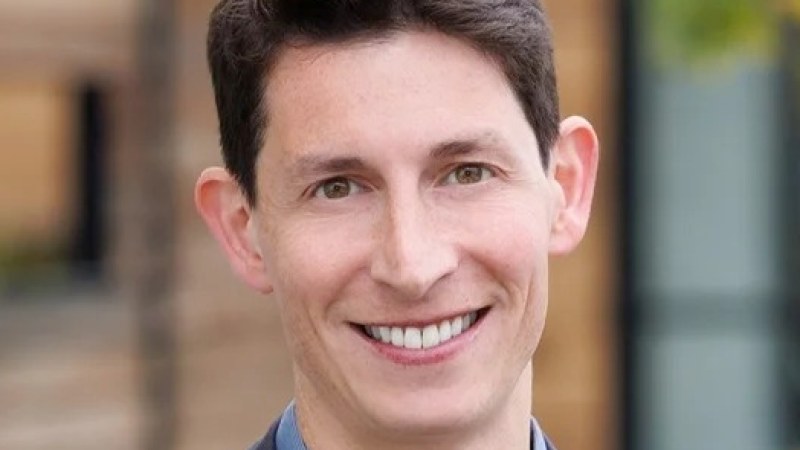
Adam Freund
Adam Freund is the founder and CEO of Arda Therapeutics, a San Carlos biotech built on a simple, contrarian bet: many chronic diseases are caused by specific cells gone wrong, so the cure is to find and delete those cells while leaving healthy tissue intact. A molecular biologist with a Berkeley PhD and a Stanford postdoc, he spent seven years at Google-backed Calico Life Sciences, where he helped grow the company from roughly 15 to 200-plus people and started its most advanced anti-aging therapeutic program. In late 2021 he left to start Arda as a solo founder with a deck and a thesis, and by October 2024 had raised a $43M Series A led by a16z Bio + Health. His tools are single-cell sequencing to map disease cell-by-cell and antibodies to do the deleting.

Enthera Pharmaceuticals
Enthera Pharmaceuticals is a clinical-stage biotech based in Milan, Italy, developing first-in-class biologics that aim to do something most autoimmune drugs do not: restore the organ, not just calm the inflammation. Its lead antibody, ebrasodebart (Ent001), blocks the IGFBP3/TMEM219 pathway, a signal that drives apoptosis of intestinal stem cells in the gut and insulin-producing beta cells in the pancreas. The company targets inflammatory bowel disease and type 1 diabetes, two conditions with deep unmet need, and is advancing the program through Phase 1 clinical trials.
Noveome Biotherapeutics, Inc.
Noveome Biotherapeutics is a Pittsburgh clinical-stage biopharmaceutical company built around ST266, a multi-targeted secretome of hundreds of biologically active proteins harvested from a novel population of amnion-derived cells. Rather than transplanting cells, Noveome delivers the healing signals those cells secrete - aiming to modulate inflammation, protect nerves, and accelerate tissue repair. Its lead program treats necrotizing enterocolitis, a devastating gut disease in premature infants, with additional pipeline work spanning ophthalmology, neurology, and dermatology.

Salubris Biotherapeutics
Salubris Biotherapeutics (SalubrisBio) is a clinical-stage biotechnology company in Gaithersburg, Maryland that engineers complex biologics for diseases with few good options - chiefly heart failure and cancer. Founded in 2016 as the US arm of China's Shenzhen Salubris Pharmaceuticals, its lead candidate JK07 is an antibody-fusion protein designed to harness the regenerative NRG-1/ErbB4 pathway in failing hearts while dialing out the side effects, and its oncology programs JK08 and JK06 pursue solid tumors through immune engagement and a 5T4-targeted biparatopic antibody-drug conjugate.
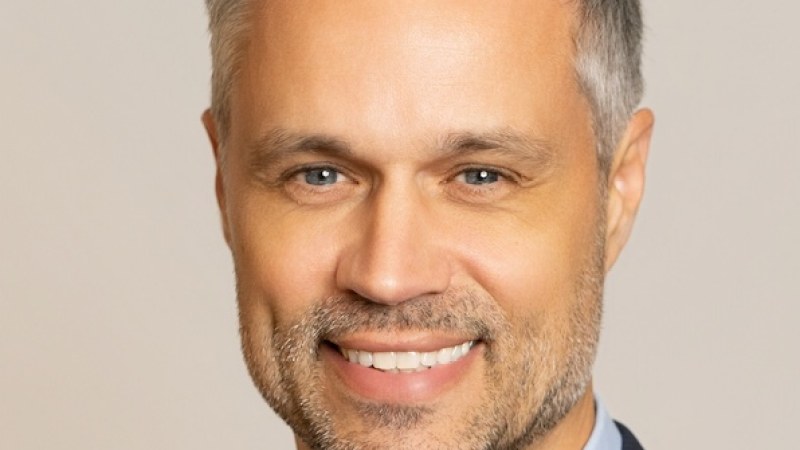
Errik Anderson
Errik Anderson is the founder and CEO of Alloy Therapeutics, a Lexington, Massachusetts biotech he built around a single idea: stop selling drugs and start selling access to the tools that make them. A bioengineer and serial entrepreneur, he has founded or co-founded seven venture-backed biotech companies - Adimab, Alloy, Compass Therapeutics, Alector, Arsanis, and Avitide among them - whose technologies have helped discover more than 90 therapeutic antibodies now approved or in FDA review. Alloy reinvests 100% of its revenue into science and, by design, can never be sold. Outside the lab, Anderson co-owns the New England Free Jacks pro rugby team and has chaired Major League Rugby's Board of Governors.
Triplebar
Triplebar is an Emeryville, California biotech company that pairs a high-throughput microfluidic screening platform with AI genomic models to run evolution at hyper-speed. By packing tens of millions of picoliter microreactors onto a palm-sized chip and testing thousands per second, it generates matched genotype-phenotype datasets that let partners optimize cell lines and microbial strains far faster and cheaper than conventional lab work. The platform powers products across food (precision fermentation, cultivated meat) and biopharma (biologics, cell-engaging cancer therapies).
Vibrant Therapeutics
Vibrant Therapeutics (VibrantX) is a clinical-stage biotechnology company building intelligent, logic-gated antibody therapeutics that switch on only inside diseased tissue. By pairing computational protein design with high-throughput wet-lab validation across its BumbleBee, LogicBee and NeuroBee platforms, Vibrant develops conditionally activated, multi-specific antibody prodrugs for oncology, autoimmune, inflammatory and neurological diseases. Its lead program, VIB305, is a logic-gated masked T-cell engager for EGFR-positive solid tumors that has received FDA IND acceptance.
Aleta Biotherapeutics
Aleta Biotherapeutics is a Natick, Massachusetts immuno-oncology company building CAR T Engagers (CTEs) - simple biologic proteins that make existing CAR-T cell therapies work better. Its lead drug, ALETA-001, bridges a patient's CD19-targeted CAR T-cells to CD20 on cancer cells, aiming to rescue patients who relapse after standard CAR-T treatment for B-cell cancers. Founded in 2015 by Paul Rennert and Roy Lobb, the company is running a Phase 1/2 trial in the UK with Cancer Research UK and reported encouraging early data in December 2025.

Alloy Therapeutics, Inc.
Alloy Therapeutics is a biotechnology ecosystem company that democratizes access to the tools, platforms, and expertise needed to discover and develop new drugs. Founded in 2017 by Errik Anderson and headquartered in the Boston area (Lexington, Massachusetts), Alloy gives more than 200 partners non-exclusive, affordable access to proprietary technologies - led by its royalty-free ATX-Gx transgenic-mouse antibody discovery platform - along with discovery services and a venture studio that builds new biotech companies. Its model is unusual: Alloy reinvests revenue into innovation and its controlling stock cannot be sold. In April 2026 the company raised a $40M Series E at a $1B valuation.

Ampersand Biomedicines
Ampersand Biomedicines is a Boston-area biotech founded by Flagship Pioneering that builds programmable biologic medicines designed to act only where disease lives. Its computational Address, Navigate, Determine (AND) Platform maps the body for ideal localization targets and designs AND-Body Therapeutics that anchor at a disease site and conditionally switch on biology there, aiming to widen the therapeutic window and cut the off-tissue side effects that limit conventional drugs.

Theradaptive
Theradaptive is a clinical-stage biotech in Frederick, Maryland that re-engineers therapeutic proteins so they bind to materials and stay exactly where a surgeon places them. Its lead protein, AMP2, is a material-binding variant of the bone-growth protein rhBMP-2; combined with an implantable scaffold it becomes OsteoAdapt, a regenerative product being tested in spinal fusion, dental, and orthopedic procedures. Founded by MIT-trained Army veteran Luis Alvarez after seeing battlefield injuries, the company aims to make biologics safer by keeping them on-target.

Nabla Bio
Nabla Bio is a Cambridge, Massachusetts biotech building AI plus wet-lab technology to design antibodies and protein therapeutics from scratch. Its Joint Atomic Modeling (JAM) platform generates de novo binders against historically undruggable membrane proteins like GPCRs, and the company has signed collaborations with AstraZeneca, Bristol Myers Squibb, and Takeda worth over a billion dollars in potential payments.
Normunity
Normunity is a clinical-stage biotech building a new class of cancer drugs it calls 'immune normalizers' - antibodies and T cell engagers that target previously hidden mechanisms tumors use to evade the immune system. Founded on the science of Yale immunologist Lieping Chen and led by drug-development veteran Rachel Humphrey, the company runs research at Yale's West Campus in West Haven, Connecticut, and dosed its first patient in 2025.
Russell Beckerman
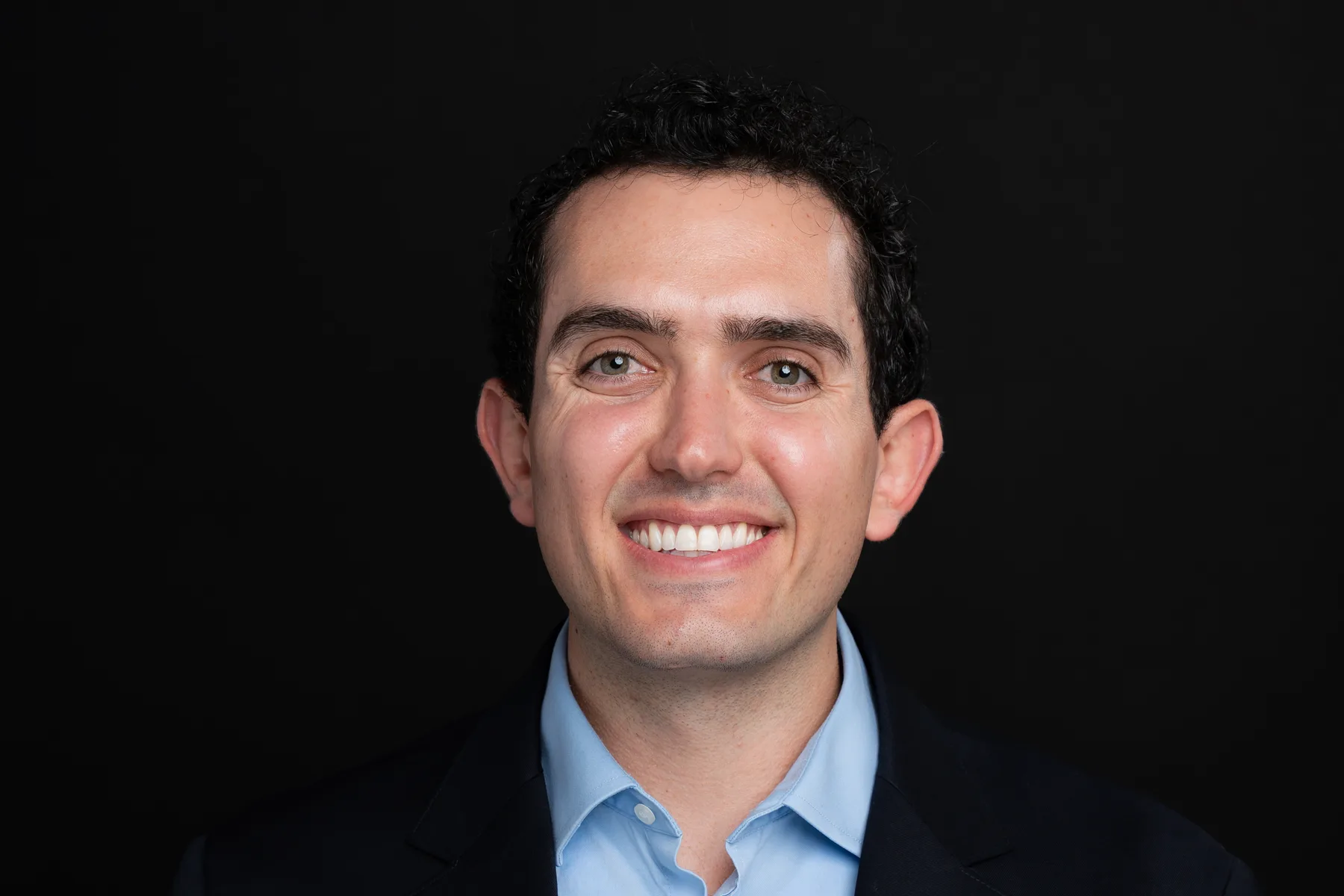
Russell Beckerman is a biotech entrepreneur and Co-Founder & CEO of Overture Therapeutics, a Cambridge-based company engineering precision antibody medicines targeting obesity and metabolic dysfunction. He previously co-founded 82VS, a venture studio embedded within Alloy Therapeutics that has launched nine drug companies since 2020. His work sits at the intersection of cutting-edge antibody biology, company creation, and the conviction that the next generation of obesity drugs will be antibodies - not peptides.
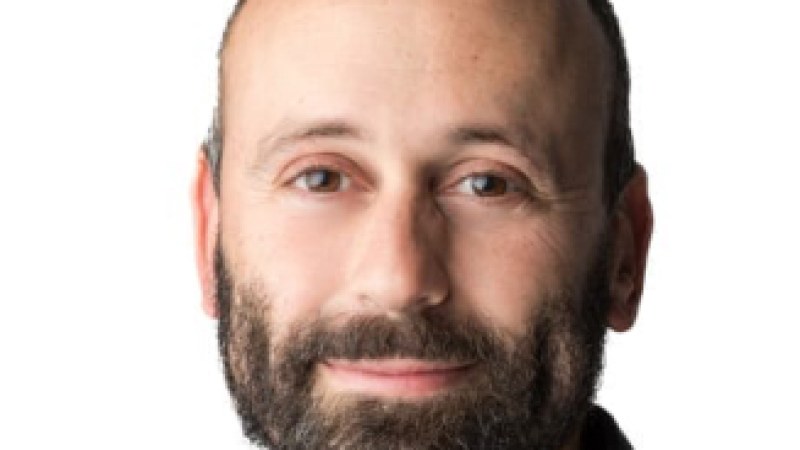
Shawn Manchester
Shawn Manchester is the CEO of Triplebar, an Emeryville-and-Oakland based biotech building generative AI 'genome language models' paired with ultra-high-throughput phenotypic screening to slash the cost of biologic therapeutics and food proteins. A chemical engineer by training (BS Brown, PhD MIT), he was the lead scientist in the first AI-versus-human strain engineering contest at Zymergen before joining Triplebar in 2021, where he rose from VP of Product to COO to CEO in March 2025.
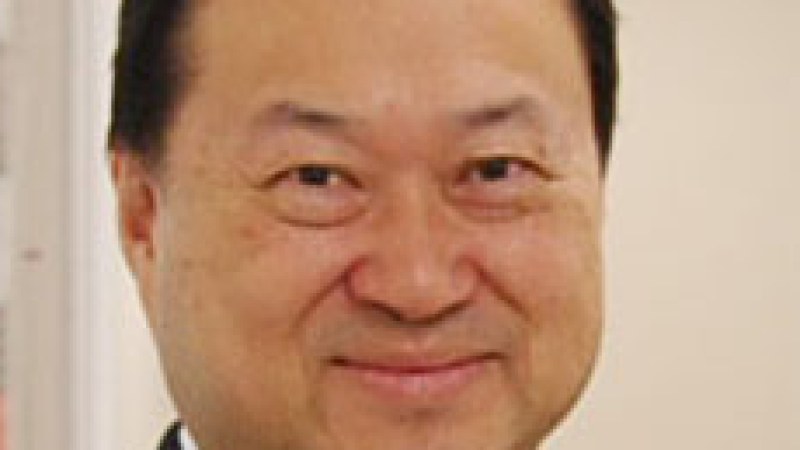
Vincent Ling
Vincent Ling is the Chief Business Officer of Morphocell Technologies, a Laval-based regenerative medicine company building iPSC-derived engineered tissues to treat severe organ dysfunction, starting with liver disease. A biotech and pharma veteran of three decades, he spent 12 years at Takeda's Center for External Innovation, where he identified and backed the Kariko-Weissman mRNA platform out of the University of Pennsylvania - the science that became the first COVID mRNA vaccines and earned the 2023 Nobel Prize. He has held leadership roles at Genetics Institute, Adnexus Therapeutics, and Neurotech Pharmaceuticals, and advises the Gates Foundation and academic institutions.

Benchling
Benchling is a cloud platform built for biotech R&D - a single, biology-first system of record where scientists design experiments, track samples, manage molecular data, and collaborate. Founded in 2012 out of MIT, it has grown into the operating system for modern life science, used by hundreds of thousands of scientists at companies ranging from startups to the largest biopharma firms, and is now embedding AI agents and predictive models directly into the lab workflow.

Stämm
Stämm is a deep-tech biomanufacturing company building a desktop-scale, 3D-printed, bubble-free bioprocessor that replaces the giant stainless-steel tanks of conventional pharma. Founded in Buenos Aires and headquartered in San Francisco, the company is pursuing a vision of decentralized, AI-driven production of biologics and cell therapies.