biomanufacturing
(50)
Lyonbiopôle works on biotech’s other problem: who opens the next door?
A promising discovery still needs partners, money and a route to patients. Lyonbiopôle has spent two decades organizing those introductions - and its new strategy puts the business end of science under the microscope.
BioMADE Is Building the Factories Biotech Startups Can’t Afford
A good microbe can make plastic, rubber or protein in a flask. Proving it can do the same inside a 25,000-liter tank is where companies run out of equipment, money and time - so BioMADE is building the missing middle.
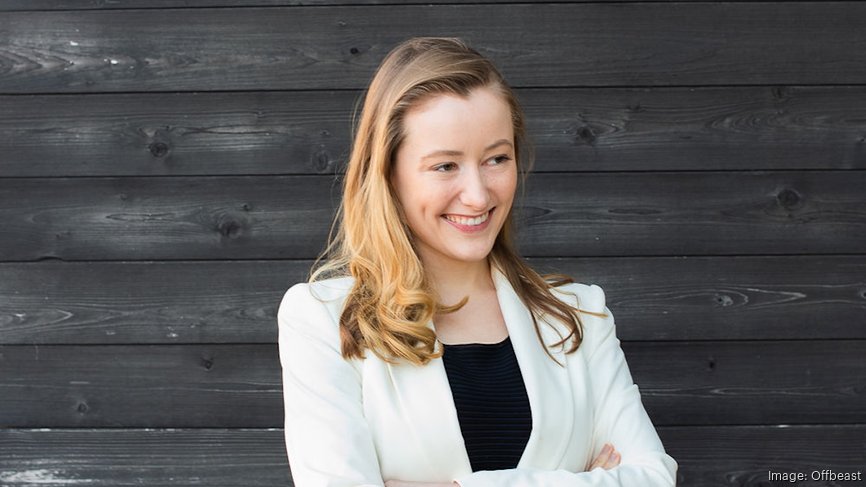
Insa Mohr Is Turning Scrappy Food Tech Into Serious Manufacturing
A German farm-family vegetarian walked away from a linear corporate career and into a Baltimore factory. Her bet is practical: food technology earns its place when texture, cost and manufacturing all work together.

Brian Finrow’s Second Draft of Biotech Starts With Spirulina
A corporate lawyer walked into a spirulina lab and stayed. At Lumen Bioscience, Brian Finrow is testing whether cheaper manufacturing can change not only how biologic drugs are made, but which problems the industry chooses to solve.
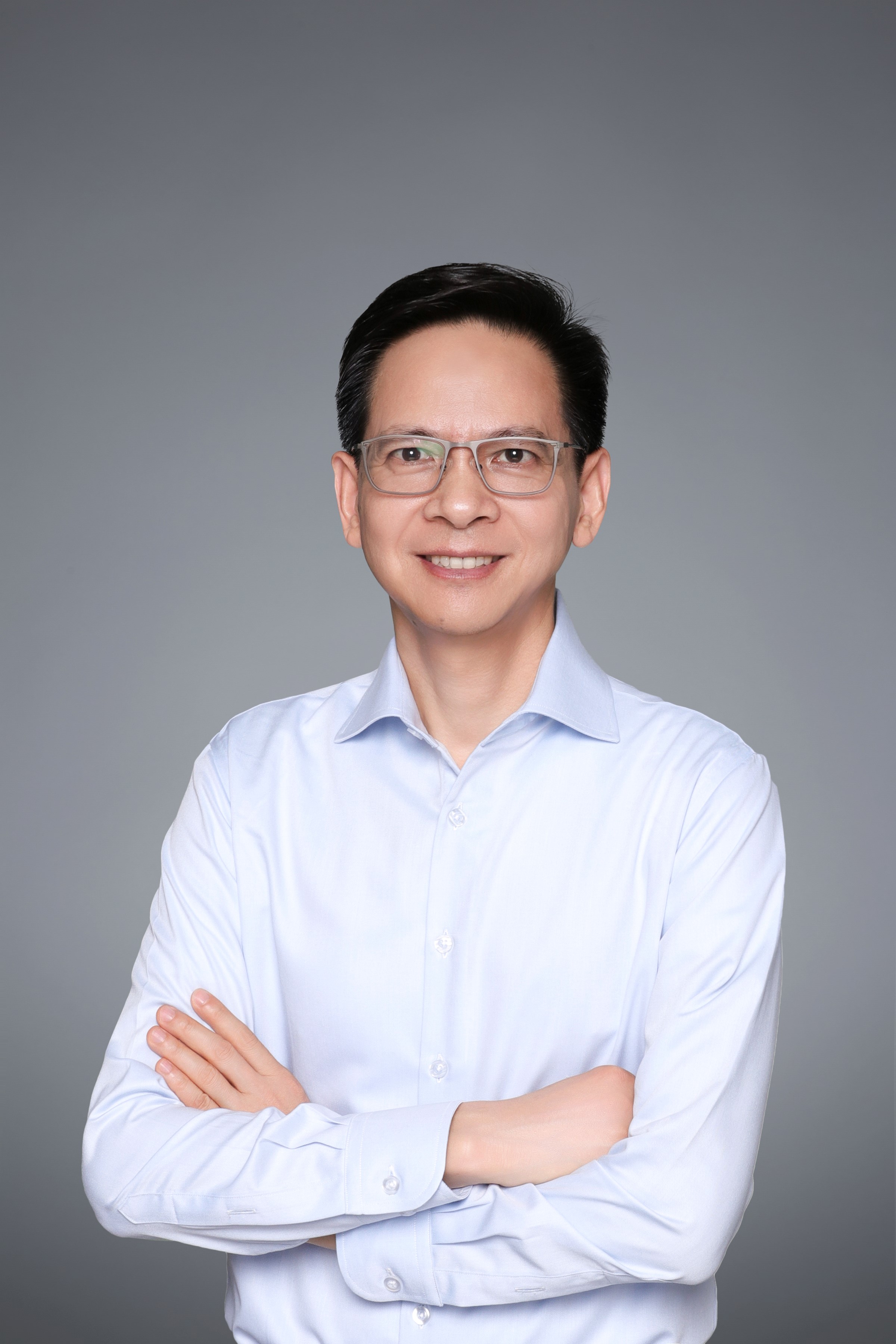
Lishan Zhao Is Building Biotech for the Awkward Trip From Flask to Factory
After helping Amyris move engineered biology toward commercial products, the chemist founded Cataya around a stubborn lesson: a molecule matters only when the factory can make it reliably.
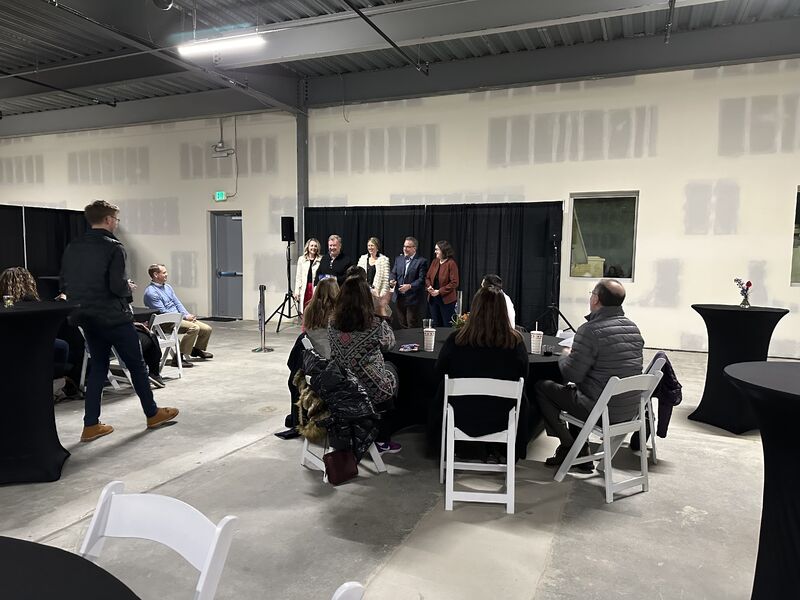
Paul Orlady Is Teaching Tiny Factories to Think Bigger
The economics graduate behind Khona Scientific is making a business case for microscopic order: line up the enzymes, simplify the supply chain, and let ordinary yeast attempt unusually complicated work.

The AI Startup Teaching Machines to Read Matter - Before the Lab Calls Back
HyperSpectral began with a three-hour COVID testing line and a failed ad-tech bet. Now it is building a software layer that promises to turn light into answers - across blood samples, bioreactors, food lines and defense supply chains.

Khona Scientific Is Turning Baker's Yeast Into a Tiny Pharmaceutical Supply Chain
Khona began with rare cannabinoids and a stubborn biological problem: long pathways leak value at every step. Now the four-person Colorado biotech is aiming its microbial assembly line at a larger prize - domestic supplies of pharmaceutical starting materials and APIs.
The $185 Million Bet That Spirulina Can Make Biologic Drugs Cheap Enough to Swallow
Lumen survived a biofuel bust and a pigment-price collapse by turning stubborn green microbes into miniature drug factories. Now its oral biologics face the test that matters: whether an elegant manufacturing trick can survive large clinical trials and the economics of medicine.

BIOMEDICAN Skipped the CBD Gold Rush and Taught Oily Yeast to Make the Scarce Stuff
The Fremont biotech says its engineered Yarrowia yeast can brew rare cannabinoids in days at 70-90% below conventional costs. The clever part is not cannabis at all - it is a reusable fermentation platform, and the hard part is proving that lab economics survive the factory floor.
Cataya Bio Is Betting the Hard Part of Biotech Isn't Discovery - It's the Factory
The Shanghai startup is building a bench-to-tank ingredient business - pairing engineered biology with its own production capacity. Its lesson for biotech founders is simple: design for the factory before the experiment becomes precious.
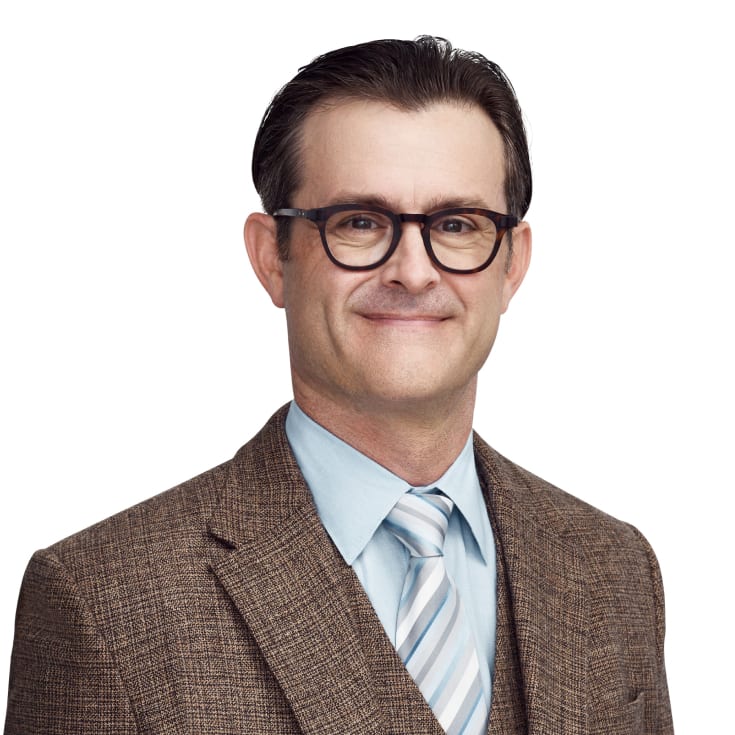
Brian Taylor Is Turning the Lab Into a Flexible Operating System
After a career scaling antibody production and biomanufacturing systems, the SmartLabs CEO is betting that the next research breakthrough may depend on something less glamorous: a laboratory that can change as quickly as the science.

The Fund Betting That 60% of the Economy Will Soon Be Grown, Not Made
Jennifer Kan spent years at a Nobel laureate's bench teaching enzymes new tricks. Now her fund backs the founders trying to grow the physical economy - chocolate, copper, chemicals, even data - one engineered cell at a time.
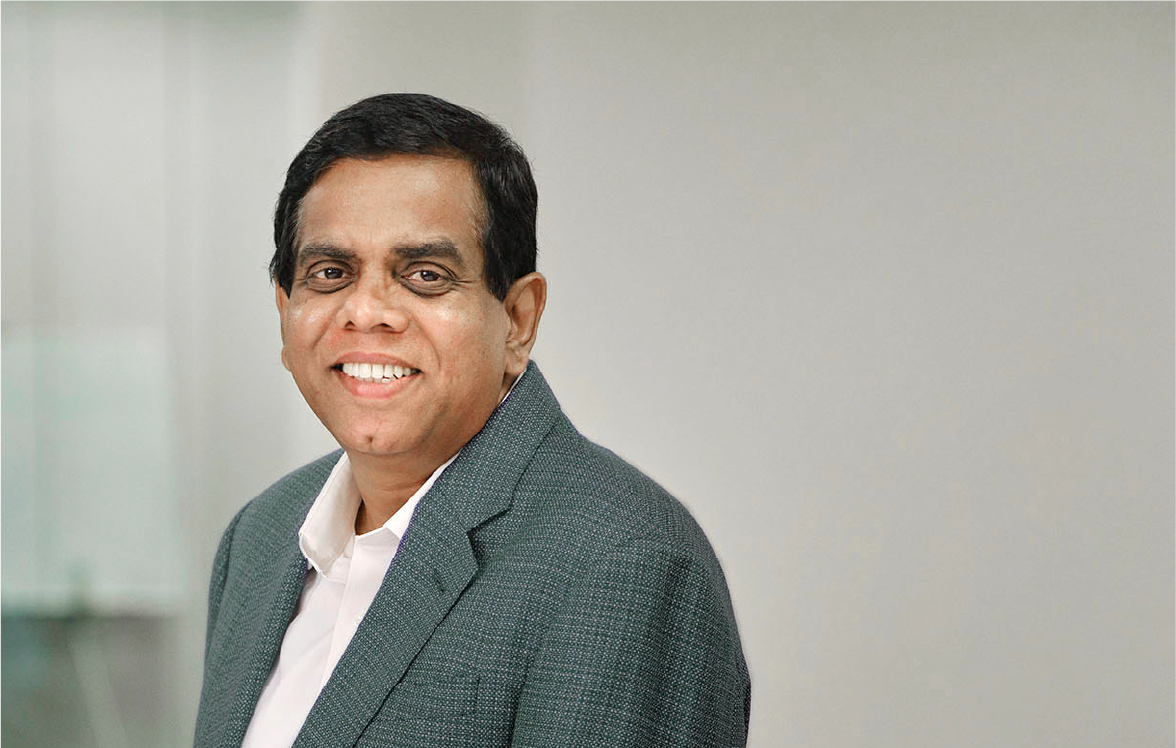
Ajikumar Parayil
He spent years teaching bacteria to build molecules that used to take entire fields of plants. Then he bet a company on getting those microbes out of the lab and into million-liter tanks.
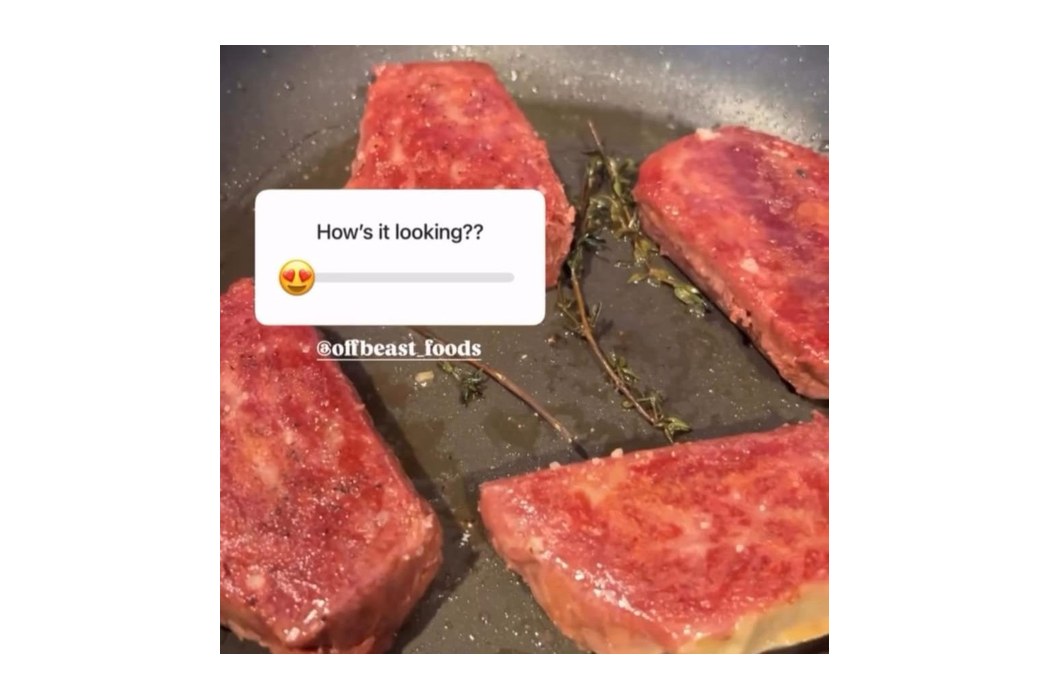
Offbeast
Offbeast is a Baltimore food-tech company making plant-based whole-cut steaks - filet mignon, ribeye and steak bites - that mimic the muscle-fiber texture of real beef. Its proprietary Cross-Fiber Assembly platform bundles plant fibers into steak-like cuts through continuous manufacturing, avoiding the expensive equipment and biological processes rivals rely on. Founded in 2022 (as Mooji Meats) and backed by Y Combinator, the company sells to East Coast restaurants and direct to consumers.
Form Bio
Form Bio is an Austin-based computational life sciences company that builds AI-driven software to speed up the design, characterization, and manufacturing of genetic medicines, especially adeno-associated virus (AAV) cell and gene therapies. Spun out of Colossal Biosciences in 2022 with a $30M Series A, its platform lets scientists model billions of therapeutic vector designs in silico to improve efficacy, safety, and manufacturability before ever entering the lab, targeting the manufacturing bottleneck that drives the majority of FDA rejections in the field.

Manus
Manus (Manus Bio) is an MIT-born industrial biotechnology company that engineers microbial cell factories and precision fermentation to produce natural ingredients - sweeteners, flavors, fragrances and pharmaceutical building blocks - that are normally extracted from plants or made from petrochemicals. Branded as 'The BioAlternatives Company,' Manus runs an R&D hub in Boston and a commercial-scale biomanufacturing plant in Augusta, Georgia, where it makes products such as monk fruit sweetener and stevia Reb M for partners including Givaudan and Tate & Lyle.

Neion Bio
Neion Bio is a New York biotech company that genetically engineers chicken eggs into factories for complex biologic drugs. Its Raptor platform aims to make monoclonal antibodies and other glycosylated proteins at a fraction of the capital cost and carbon footprint of conventional cell-culture bioreactors. Founded in 2024 and emerged from stealth in March 2026, the company raised an oversubscribed $23 million Series A in June 2026 and signed an early multi-product biosimilar deal with a major global pharmaceutical company.
Omphalos Lifesciences Inc
Omphalos Lifesciences is a Dallas-based biotech software company building a programmable virtual cell platform. Founded by computational biologist Daehwan Kim - creator of the widely used HISAT and TopHat sequencing tools - the company created L++, a high-level programming language that lets biologists describe, simulate, and visualize living systems the way software engineers write code. Its Life Designer platform aims to accelerate drug discovery, precision medicine, and biomanufacturing by running experiments in silico before they hit the lab bench.
Ring Therapeutics
Ring Therapeutics is a Cambridge, Massachusetts biotechnology company founded by Flagship Pioneering to build a new class of gene therapy delivery vectors from anelloviruses - the most abundant and diverse family of viruses that naturally and harmlessly live inside the human body. Because these commensal viruses evade the immune system, Ring's AnelloVector platform aims to solve gene therapy's biggest limitations: the inability to re-dose patients, pre-existing immunity, and narrow tissue targeting. Through its Anellogy discovery platform and AnelloBricks in-vitro manufacturing technology, Ring is engineering re-dosable, tissue-specific, scalable vectors intended to carry a wide range of therapeutic payloads.
Ansa Biotechnologies, Inc.
Ansa Biotechnologies is an Emeryville, California biotech company that makes custom synthetic DNA using a proprietary enzymatic synthesis platform. Its no-assembly approach can build long, complex, high-fidelity DNA sequences - including clonal constructs up to 50 kilobases - that stump legacy chemical methods, and it backs delivery with an industry-first On-Time Guarantee. Founded in 2018 by UC Berkeley researchers, Ansa serves scientists across pharmaceuticals, gene therapy, agriculture, and industrial biotech.
Phillip Maderia
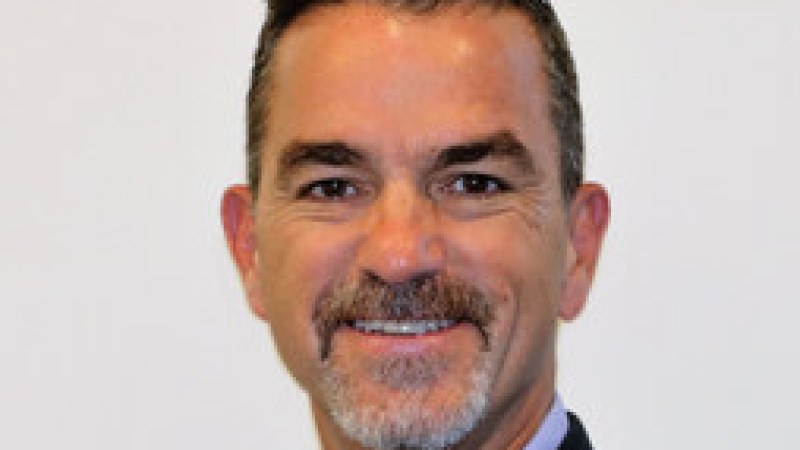
Phillip Maderia is the Chief Executive Officer of PranaX, a Houston-based regenerative-medicine biotech developing stem cell-derived exosome products at the Levit Green campus in the Texas Medical Center. He joined in March 2025 after four years running Lonza's exosome manufacturing site in Lexington, Massachusetts - the facility Lonza bought from Codiak BioSciences in 2021, where Maderia had previously served as VP of Manufacturing Operations. He is a career biomanufacturing operator with roots at Sanofi Genzyme and LFB-USA and roughly three decades of scale-up experience.
Syed T. Husain
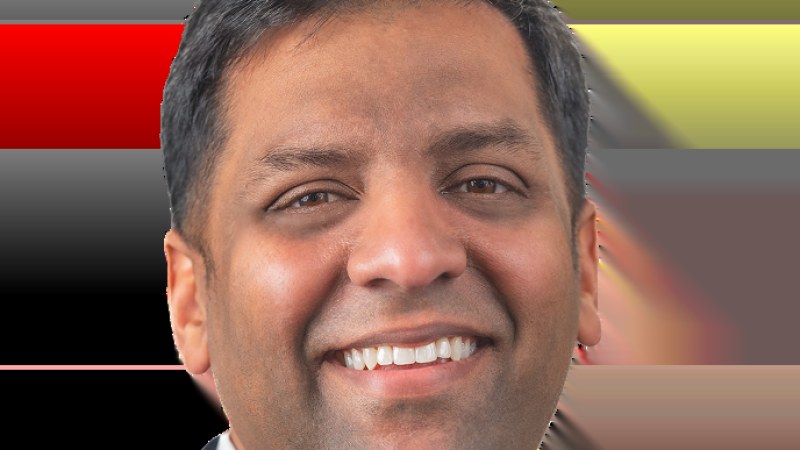
Syed T. Husain is the Chairman and CEO of Made Scientific, a Princeton, New Jersey cell therapy contract development and manufacturing organization (CDMO) that he relaunched in 2025 out of the former BioCentriq. Backed by GC Corporation, the company runs a 60,000-square-foot GMP facility built to move autologous and allogeneic cell therapies from clinical batches to commercial supply. A chemical engineer by training who started on the manufacturing floor at Wyeth and Pfizer, Husain spent more than two decades in CDMO leadership at Lonza, Alcami, Emergent BioSolutions, and Resilience before taking the top job. He named the rebranded company MADE for Manufacturing and Development Excellence.
TeselaGen Biotechnology
TeselaGen Biotechnology builds an AI-powered, cloud-based operating system for biological R&D. Spun out of the Department of Energy's Joint BioEnergy Institute and founded by Stanford and Berkeley scientists, its platform - organized around the Design-Build-Test-Learn cycle with DESIGN, BUILD, TEST and DISCOVER modules - lets researchers design DNA libraries, generate lab-robot assembly protocols, capture experimental data and apply machine learning to converge on better biological products faster. Customers span industrial biotech, biopharma and academia, including Amgen, LanzaTech, Twist Bioscience, Arzeda and Stanford.
Circe
Circe (Circe Bioscience) is a Boston-based climate biotech company that engineers microbes to eat carbon dioxide and build valuable molecules - fats, oils, sugars, plastics and fuels - using only CO2, water and electricity. Spun out of Harvard's Wyss Institute in 2021, its gas-fermentation platform consumes roughly 3 kilograms of CO2 for every kilogram of oil it produces, making the process carbon-negative. The company has made the world's first chocolate using fermentation-derived cocoa butter and, in September 2024, raised a $5M seed round to open a pilot plant in Waltham, Massachusetts.

Foray Bioscience
Foray Bioscience is a Cambridge, Massachusetts biotech company growing plants and plant products from single cells. Founded in 2022 by MIT PhD Ashley Beckwith, Foray pairs plant cell culture with AI to make lab-grown plant material predictable across species - unlocking harvest-free wood and materials, rapidly scalable seed supplies, faster crop improvement, and even conservation and de-extinction work. Its Pando software acts like a 'Google Maps for plant growth,' helping researchers navigate the dozens of variables that govern how a plant cell grows.

Industrial Microbes (iMicrobes)
Industrial Microbes (iMicrobes) is an Alameda, California synthetic-biology company that engineers programmable microbes to turn renewable, low-carbon feedstocks - primarily ethanol and methane - into drop-in chemicals and materials such as 100% bio-based acrylic acid, acrylonitrile and carbon fiber precursors. Founded in 2014, the company aims to give chemical producers and consumer brands a cost-competitive, lower-carbon alternative to petrochemicals, and has scaled its bioprocess to a pilot bioreactor producing 10+ kg per run.
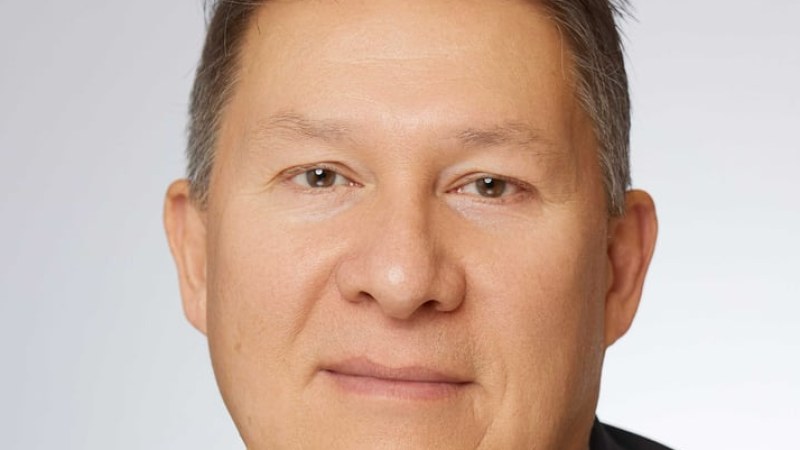
Michael Chiu
Michael Chiu is the CEO of Kytopen, a Cambridge, Massachusetts biotech spun out of an MIT lab that builds the Flowfect platform - a non-viral, continuous-flow way to shuttle DNA, mRNA and CRISPR payloads into living cells at manufacturing scale. A mechanical engineer with a PhD and MBA from MIT, Chiu has spent his career turning laboratory hardware into shipped products, founding and selling companies in energy harvesting, healthcare, and bioprocessing before taking Kytopen's helm in August 2023 to push cell therapy manufacturing out of the bottleneck.
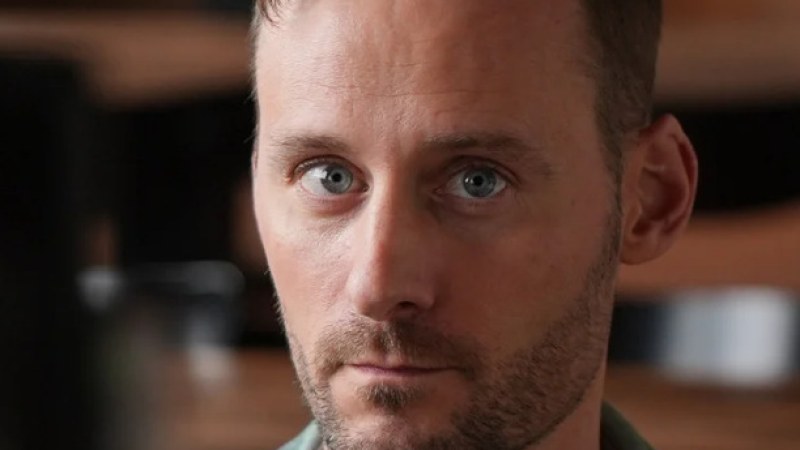
Jeffrey Dietrich
Jeffrey Dietrich is a bioengineer-turned-coffee-founder who built Rarebird around paraxanthine, the molecule your body actually makes when it metabolizes caffeine. After a PhD at UC Berkeley in Jay Keasling's lab and nearly a decade co-founding and running R&D at the industrial biotech company Lygos, Dietrich turned his own dwindling caffeine tolerance into a company. Rarebird sells decaffeinated specialty coffee infused with lab-grade paraxanthine, promising the lift of coffee without the jitters, crash, or ruined sleep. Backed by Y Combinator, AgFunder, and two NSF grants, the company holds U.S. patents on the process and won the Specialty Coffee Association's Best New Product award.
Avenue Biosciences
Avenue Biosciences is a transatlantic biotech building the first platform to measure and modulate the cellular secretory pathway at scale. Spun out of the University of Helsinki and headquartered between Helsinki and Palo Alto, the company pairs high-throughput chemistry with machine learning to design signal peptides and boost yields of therapeutic proteins - biologics, biosimilars, and mRNA-encoded medicines - so that production bottlenecks stop limiting which therapies reach patients.