microfluidics
(25)
The Bird Flu Test That Left the Lab
A palm-sized analyzer can identify bird flu beside the flock in 45 minutes. Alveo’s larger bet is that the value of a test lies in how soon someone can act on it.

The Drug Factory That Fit on a Chip
Nutcracker Therapeutics bet that personalized RNA medicine needed a smaller factory. It built one around disposable biochips, sold its know-how to drug developers, and ended up inside a larger cancer company.
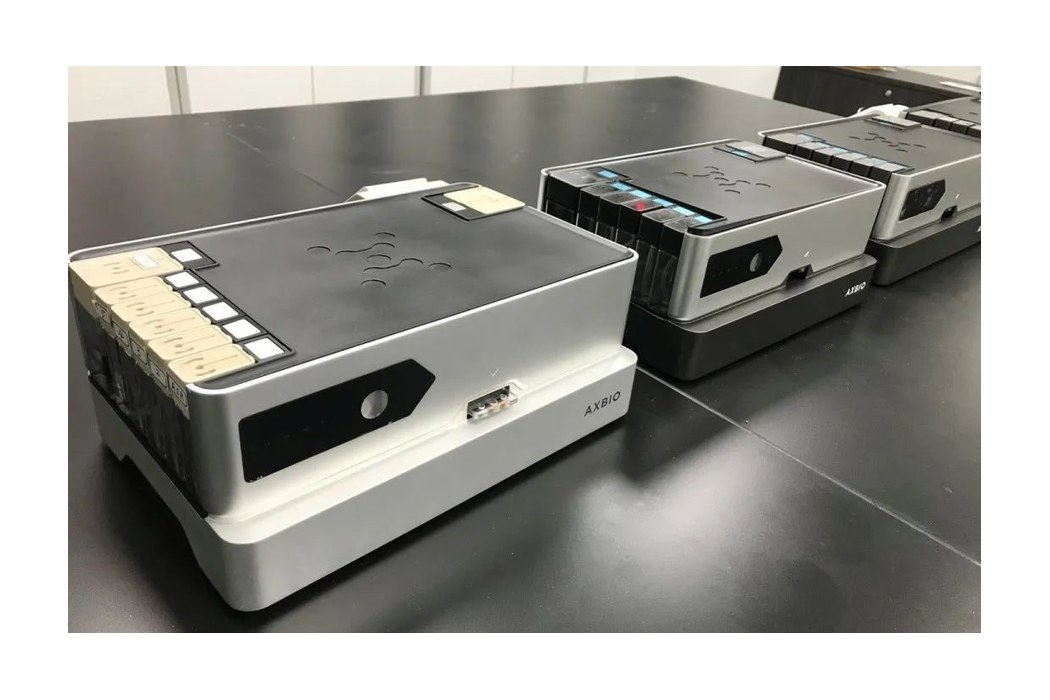
The Million Tiny Doors Inside Axbio’s Machine
A physicist and a materials scientist put biology on a chip. Ten years later, Axbio is asking whether the economics of DNA reading can start to look like the economics of computing.
Federico D'Alvia Vegh Put a Brewery Problem on a Much Smaller Bench
A cousin's beer-making problem led an unlikely operator from hotel sales and filmmaking into biotechnology. A decade later, he is trying to shrink a factory into equipment that can travel.

The Copy Machine That Biology Forgot
For decades, scientists have hired bacteria to copy DNA. Elegen built a faster copy room with no cells inside - and turned a biological bottleneck into a six-day delivery business.
Anne Jensen Has Spent a Decade Turning Cell Motion Into Executive Momentum
She began by engineering ways to read rare cells in blood. At Cytovale, Anne Jensen has carried that same eye for signals from the research bench into the decisions that shape a growing diagnostics company.
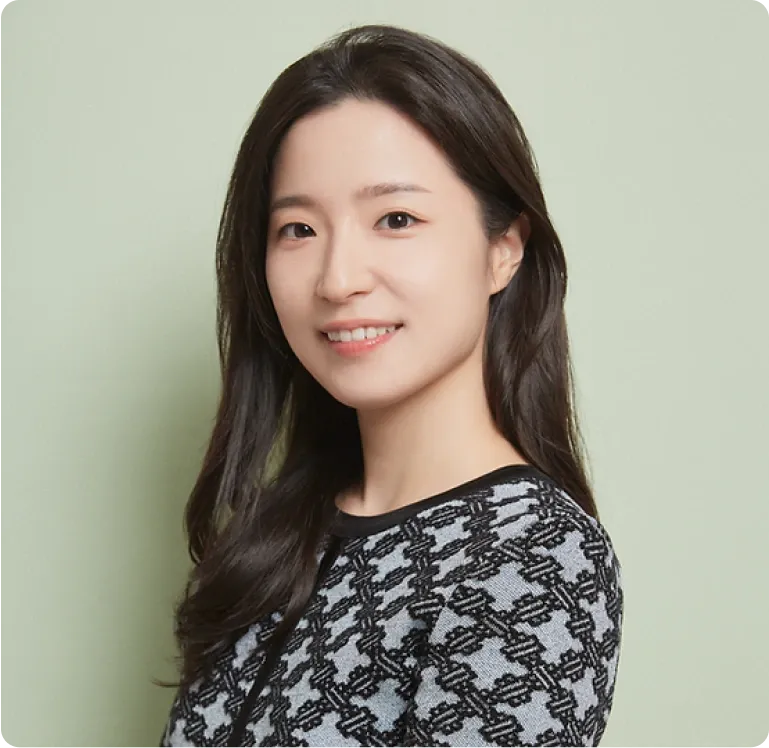
Yeaseul Park Is Turning a Lab Ritual Into a Pocket-Sized Habit
The Orange Biomed co-founder has spent five years translating single-cell science into something ordinary people might actually use - and learning that the hardest part of a tiny device is the enormous system around it.
Orange Biomed Bet Its A1C Test on One Weird Fact: Sugar Makes Blood Cells Stiff
A Duke-born startup turned the stiffness of red blood cells into a pocket-size diabetes test. The science is clever; the harder experiment is getting a regulated device from a five-minute demo into millions of homes.
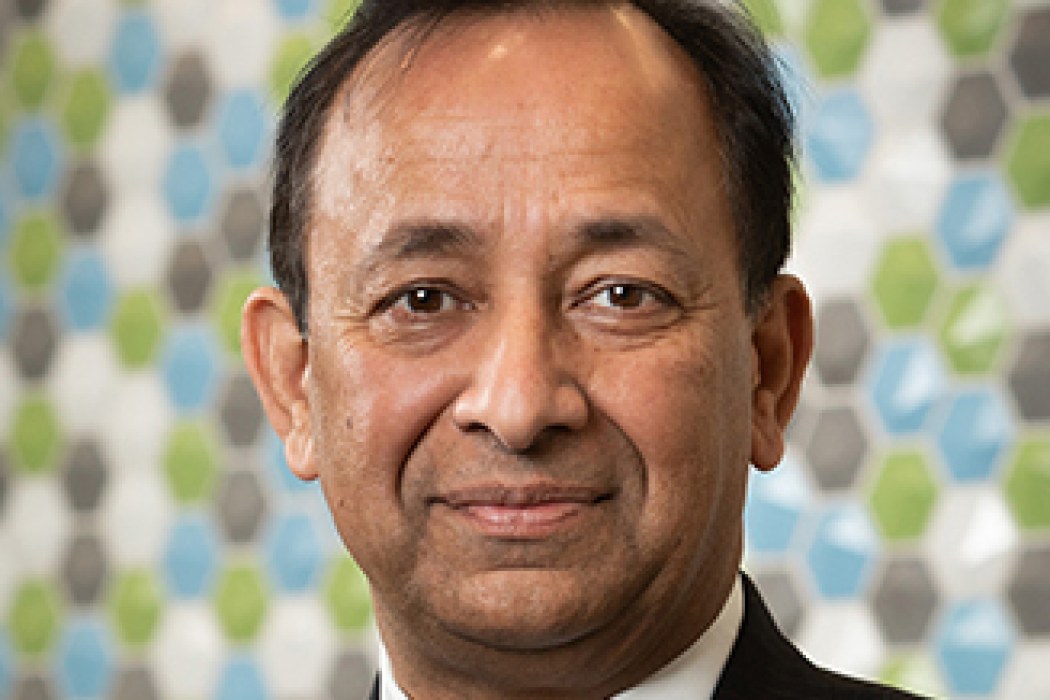
Sanjeev Saxena
Sanjeev Saxena is a serial medical-device entrepreneur and engineer who has spent more than 30 years trying to move cancer screening out of expensive central labs and into villages, clinics and pop-up sites. He is founder, CEO and CTO of Harae Dx Corp., a Pleasanton, California startup building a low-cost, portable, automated cancer detection system based on lab-on-a-disc microfluidics. Earlier he founded POC Medical Systems, whose MammoAlert and Pandora CDx platforms brought portable breast-cancer screening to emerging markets, and he co-founded Scanis, Actis Biologics and Telesto Diagnostics. He has raised more than $70 million across his ventures and sits on the board of the Texas Tech Research Park.
Cytovale
Cytovale is a San Francisco-based medical diagnostics company that built IntelliSep, an FDA-cleared blood test that helps emergency departments identify patients at risk of sepsis in about eight minutes. Instead of hunting for a pathogen, the test reads the immune response by measuring the biomechanical properties of white blood cells using microfluidic deformability cytometry, high-speed imaging and machine learning. Founded on academic research that began in 2007 and incorporated in 2013, the company is applying its rapid host-response platform to one of medicine's most time-sensitive and deadly conditions.

Harae Dx Corp.
Harae Dx Corp. is a Pleasanton, California medical device startup building what it calls the world's smallest portable, automated system for early cancer detection. Founded in 2021 by serial medtech entrepreneur Sanjeev Saxena, the company pairs a proprietary lab-on-a-disc centrifugal microfluidic platform with a biomarker panel exclusively licensed from Lawrence Livermore National Laboratory to deliver a non-invasive early breast cancer test that returns results in roughly 30 minutes - without shipping samples to a third-party lab. Backed by SOSV/HAX and Fusion Fund, Harae Dx aims to make low-cost cancer screening portable enough to run at the point of care.

Portal Biotechnologies
Portal Biotechnologies is a Watertown, Massachusetts cell-engineering platform company building tools that push complex cargo - mRNA, siRNA, CRISPR complexes, proteins - into living cells by squeezing them through microscopic holes in a silicon surface, rather than relying on viruses or chemistry. Founded in 2023 by Armon Sharei, the MIT-trained scientist behind SQZ Biotechnologies, Portal sells hardware and consumables to drug discovery and cell therapy labs instead of developing its own drugs. Its instruments are used across more than 100 customer sites, including many of the world's largest pharmaceutical companies, and the company has raised seed and follow-on funding plus a DARPA contract for portable, point-of-care cell manufacturing.

Shennon Biotechnologies
Shennon Biotechnologies is a San Francisco biotech turning immune-cell target discovery from a months-long slog into a same-day job. Its proprietary TCELERATOR platform fuses ultra-high-throughput microfluidics with AI to functionally profile millions of single immune cells in hours, pinpointing the rare T and B cells that recognize cancer antigens. Founded in 2021 by physicist-turned-founder Li Sun, the company is building a pipeline of validated targets for solid tumors and autoimmune disease, backed by a $13M seed round led by DCVC.
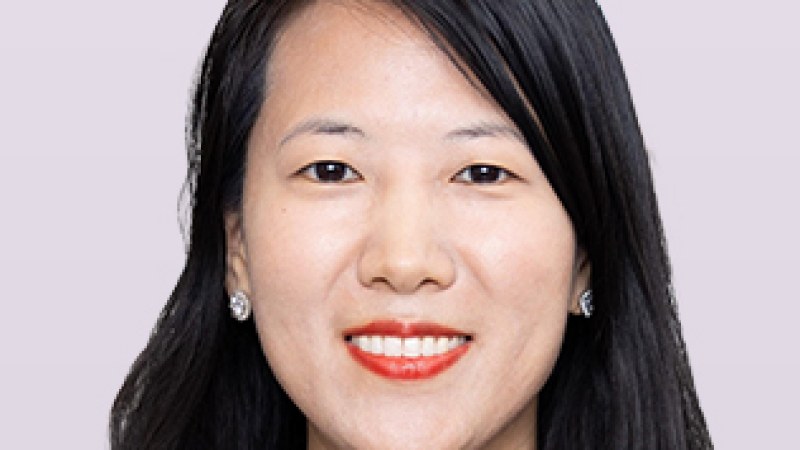
Li Sun
Li Sun is the founder and CEO of Shennon Biotechnologies, a San Francisco single-cell immunotherapy company that profiles millions of immune cells in hours to pinpoint the rare T cells and antibody targets that fight cancer. A physicist by training (PhD from Harvard's Weitz lab, M.Eng from MIT), she spent five years as a deep-tech venture investor at Bessemer and Foundation Capital before building the platform herself. Shennon emerged from stealth in March 2023 with a $13M seed round led by DCVC.
Brianna Wronko-Stevens
Brianna Wronko-Stevens is a University of Pennsylvania-trained bioengineer who turned a senior design project into HueDx (formerly Group K Diagnostics), a Philadelphia diagnostics company that reads lab-grade results off a color-changing card and a smartphone camera - no lab, no reader, no waiting days. Inspired by an HIV clinic internship at 17, she built a platform to deliver fast, quantitative results to the patients who can least afford to wait. She founded the company in 2017, served as CEO through a 2023 rebrand and raised millions in funding, then stepped into the Chief Scientific Officer seat to focus on the science.
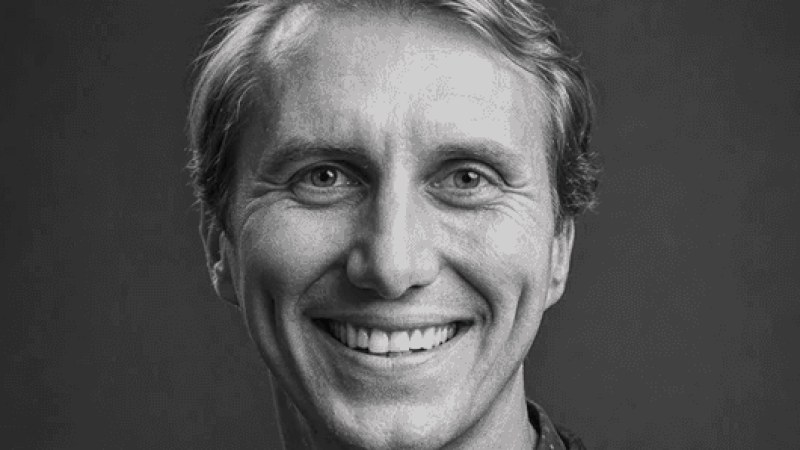
Nate Beyor
Nate Beyor is Chief Business Officer at Salt AI, the Los Angeles contextual-AI platform built for life sciences and healthcare. A bioengineer turned consultant turned operator, he holds a PhD in bioengineering from UC Berkeley, where he built microfluidic devices to detect pathogens. He spent his career at the seam between technology and biology - microfluidics, biologics manufacturing, stem cell therapy at Asterias Biotherapeutics, and digital health - before leading the Health Tech practice as a Managing Director and Partner at Boston Consulting Group. At Salt AI he runs corporate strategy, the solutions portfolio, and market expansion, helping translational scientists and drug developers move faster with AI they can actually trust in regulated settings.
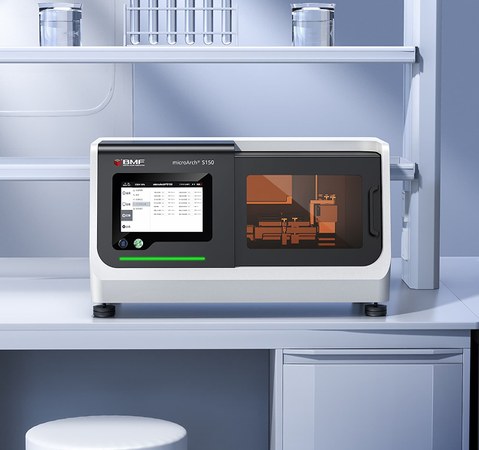
Boston Micro Fabrication (BMF)
Boston Micro Fabrication (BMF) builds 3D printers that work at a scale most machines can't reach - resolutions down to 2 microns with tolerances of about plus or minus 10 microns. Its microArch printers use a proprietary process called Projection Micro Stereolithography (PuSL) to make tiny, complex parts for medical devices, microfluidics, optics, connectors and semiconductor packaging. Founded in 2016 and headquartered in Maynard, Massachusetts, BMF has placed machines with more than 2,000 customers across roughly 35 countries.
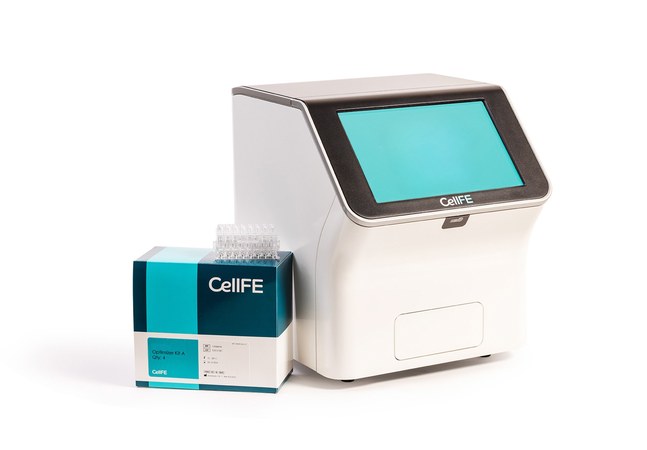
CellFE
CellFE is an Alameda, California biotechnology company building microfluidics-based, non-viral cell-engineering instruments and consumables. Its Ryva mechanoporation platform squeezes cells through microfluidic channels to transiently open their membranes and deliver gene-editing payloads (mRNA, CRISPR-RNP, DNA vectors) in under 10 milliseconds, aiming to preserve cell health and viability where viral vectors and electroporation fall short. The goal is to make lifesaving cell therapies such as CAR-T faster, cheaper, and more scalable to manufacture.
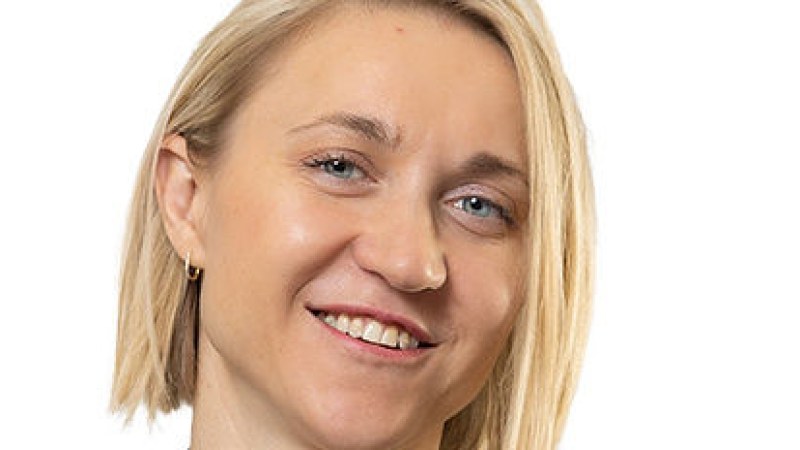
Alla Zamarayeva
Alla Zamarayeva is the co-founder and CEO of CellFE, a Bay Area biotech building a non-viral, microfluidics-based platform for engineering human cells. A UC Berkeley engineering PhD and former Goldwater Scholar, she spun a piece of academic research she stumbled onto during her doctorate into a company aiming to make cell therapies cheaper, gentler, and eventually available at the point of care. In 2023 she led CellFE to a $22 million Series A backed by M Ventures, and she is steering the company toward redefining how gene-edited cell therapies are manufactured.
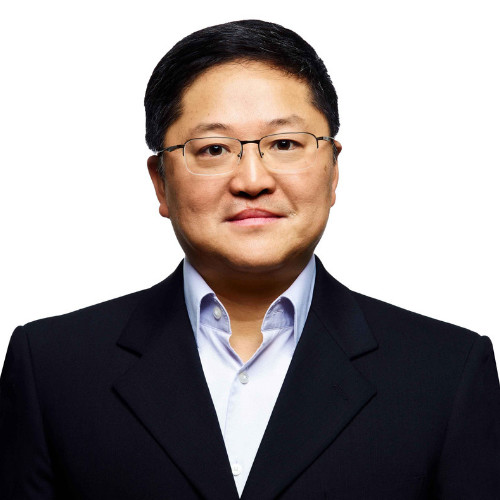
Daojing Wang
Daojing Wang is the founder, president, and CEO of Newomics, a Berkeley biotech building chip-based mass spectrometry tools for precision medicine. A Princeton-trained chemist who spent 11 years as a principal investigator at Lawrence Berkeley National Laboratory, he co-invented the M3 emitter and multinozzle emitter array (MEA) - a silicon shower-head that makes mass spectrometers far more sensitive. He spun the technology out of the national lab in 2013 and has since shipped well over 100 systems to labs worldwide.
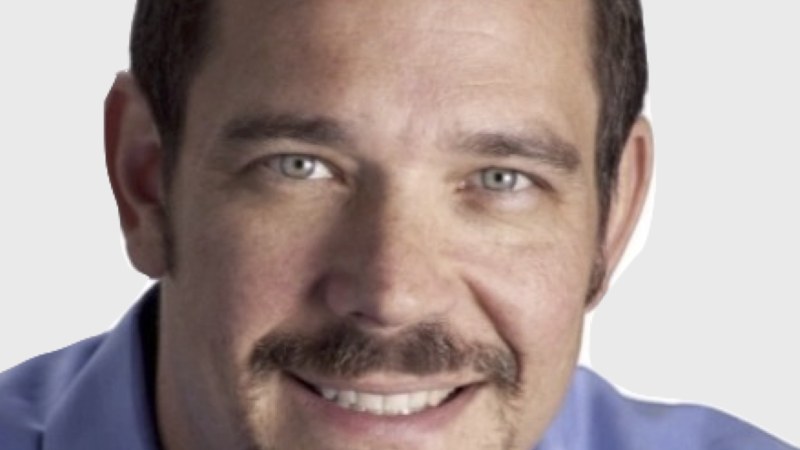
Gajus Worthington
Gajus Worthington is a life sciences entrepreneur, engineer, and inventor who turned an idea for circuits that move fluid instead of electrons into Fluidigm, a microfluidics company he co-founded in 1999 and led as CEO through its IPO and years as a public company. Today he is Chairman and CEO of Superfluid Dx, a South San Francisco company building a blood test that reads cell-free messenger RNA from the brain to diagnose Alzheimer's disease earlier and more precisely. Between those chapters he served as COO of the Chan Zuckerberg Biohub, co-founded Kaizen Therapeutics and the ML/AI healthcare company StatOS, and became a Managing Partner at WRQ Sciences.

Triplebar
Triplebar is an Emeryville, California biotech company that pairs a high-throughput microfluidic screening platform with AI genomic models to run evolution at hyper-speed. By packing tens of millions of picoliter microreactors onto a palm-sized chip and testing thousands per second, it generates matched genotype-phenotype datasets that let partners optimize cell lines and microbial strains far faster and cheaper than conventional lab work. The platform powers products across food (precision fermentation, cultivated meat) and biopharma (biologics, cell-engaging cancer therapies).

Zafrens
Zafrens is a San Diego biotechnology company building an ultra-high-throughput single-cell platform that isolates, images, runs assays on, and sequences millions of individual cells per day. Its Z-Screen technology swaps the conventional 96-well plate for a credit-card-sized plastic chip holding 50,000 to 200,000 microwells, each with integrated imaging and multi-omic sequencing. By linking perturbation to genotype, phenotype and function at single-cell resolution, Zafrens compresses multiple stages of drug discovery into a single benchtop experiment - a 500x to 2,000x jump in the number of experiments a scientist can run at one timepoint.

Kytopen
Kytopen is a Cambridge, Massachusetts biotech and MIT spinout building Flowfect, a non-viral, continuous-flow platform that uses fluid flow plus electric fields to deliver mRNA, DNA and CRISPR payloads into cells. The technology aims to engineer hundreds of billions of cells in minutes, removing a major bottleneck in discovering, developing and manufacturing advanced cell therapies like CAR-T and NK-cell treatments.
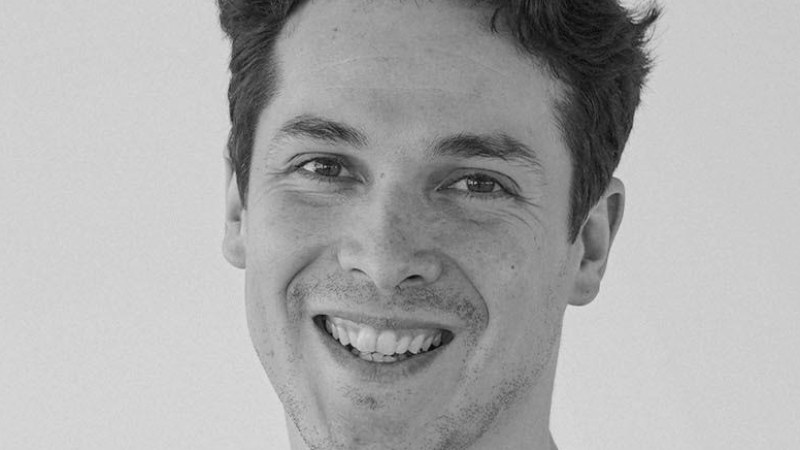
Yuyo Llamazares Vegh
Yuyo Llamazares Vegh is the CEO and Co-Founder of Stämm, a San Francisco-based biotech company reinventing biomanufacturing through miniaturized 3D-printed microfluidic bioreactors. A native of Argentina with a background in agricultural engineering and bioprocesses from the University of Buenos Aires, Yuyo co-founded Stämm in 2016 alongside his cousin Federico D'Alvia Vegh after spotting a fundamental gap between biology's potential and the outdated tools available to harness it. Stämm's platform - desktop-sized, modular, and scalable - is designed to make the production of biologics, cell therapies, and gene therapies accessible and repeatable at any scale. The company has raised over $17 million including a Series A led by Varana Capital with participation from Draper Associates and SOSV's IndieBio, and has attracted former Merck KGaA CEO Stefan Oschmann to its board. Yuyo was selected as an Endeavor Entrepreneur in 2023.