Tagged: synthetic-biology
19 results
Colossal Biosciences
Colossal Biosciences is a Dallas-based genetic engineering company using de-extinction science - ancient DNA, CRISPR gene editing, and reproductive technology - to revive lost species like the woolly mammoth, thylacine, dodo, and dire wolf, and to apply the same tools to protecting endangered wildlife. Co-founded in 2021 by tech entrepreneur Ben Lamm and Harvard geneticist George Church, it became Texas' first decacorn with a $10.2 billion valuation and has spun out companies in computational biology and plastic degradation.

Neion Bio
Neion Bio is a New York biotech company that genetically engineers chicken eggs into factories for complex biologic drugs. Its Raptor platform aims to make monoclonal antibodies and other glycosylated proteins at a fraction of the capital cost and carbon footprint of conventional cell-culture bioreactors. Founded in 2024 and emerged from stealth in March 2026, the company raised an oversubscribed $23 million Series A in June 2026 and signed an early multi-product biosimilar deal with a major global pharmaceutical company.

Abalone Bio
Abalone Bio is an Emeryville-based preclinical biotech building target-activating antibodies for diseases other drugs can't reach. Its FAST platform pairs engineered yeast cells with AI/ML to screen ~100 million antibodies per experiment for functional activity, not just binding, with an initial focus on G-protein coupled receptors (GPCRs) and metabolic disease.

Avenue Biosciences
Avenue Biosciences is a transatlantic biotech building the first platform to measure and modulate the cellular secretory pathway at scale. Spun out of the University of Helsinki and headquartered between Helsinki and Palo Alto, the company pairs high-throughput chemistry with machine learning to design signal peptides and boost yields of therapeutic proteins - biologics, biosimilars, and mRNA-encoded medicines - so that production bottlenecks stop limiting which therapies reach patients.

Concerto Biosciences
Concerto Biosciences is a Cambridge, Massachusetts microbiome company that turns microbial ecology into health products. Its patented kChip platform screens millions of microbial interactions in nanoliter droplets to discover 'ensembles' - small, defined groups of microbes that work together to shepherd a damaged microbial community back to health. The company's lead program, ENS-002, is a topical live biotherapeutic for atopic dermatitis that suppresses Staphylococcus aureus without nuking the skin's helpful microbes. Founded in 2020 by scientists out of MIT and the Broad Institute, Concerto pairs ultra-high-throughput biology with AI to make microbial communities predictable and engineerable.

Bloom Science, Inc.
Bloom Science is a San Diego clinical-stage biotech translating the biology of the ketogenic diet into oral live biotherapeutics that act through the gut-immune-brain axis. Built on microbiome research licensed from UCLA and powered by its IrisRx discovery platform, the company is developing BL-001, a once-daily bacterial therapy being studied in obesity and in drug-resistant seizures from Dravet syndrome, with a pipeline reaching toward ALS and neurodegenerative disease.

Strand Therapeutics
Strand Therapeutics is a clinical-stage biotech building 'programmable' mRNA medicines - drugs engineered with logic circuits so they switch on the right protein, in the right cell, at the right time. Spun out of MIT in 2017 by synthetic biologists who wrote the first programming language for mRNA, Strand's lead candidate STX-001 is a self-replicating mRNA that makes tumors manufacture their own IL-12, turning cold cancers hot from the inside. Backed by Kinnevik, Regeneron, Amgen and Eli Lilly with over $250M raised.

Benchling
Benchling is a cloud platform built for biotech R&D - a single, biology-first system of record where scientists design experiments, track samples, manage molecular data, and collaborate. Founded in 2012 out of MIT, it has grown into the operating system for modern life science, used by hundreds of thousands of scientists at companies ranging from startups to the largest biopharma firms, and is now embedding AI agents and predictive models directly into the lab workflow.

Pivot Bio
Pivot Bio engineers nitrogen-fixing microbes that live on crop roots and feed corn, wheat, sorghum and small grains directly, replacing a portion of synthetic fertilizer with a biological alternative that does not volatilize into the atmosphere or leach into groundwater.

Stämm
Stämm is a deep-tech biomanufacturing company building a desktop-scale, 3D-printed, bubble-free bioprocessor that replaces the giant stainless-steel tanks of conventional pharma. Founded in Buenos Aires and headquartered in San Francisco, the company is pursuing a vision of decentralized, AI-driven production of biologics and cell therapies.

Yuyo Llamazares Vegh
Yuyo Llamazares Vegh is the CEO and Co-Founder of Stämm, a San Francisco-based biotech company reinventing biomanufacturing through miniaturized 3D-printed microfluidic bioreactors. A native of Argentina with a background in agricultural engineering and bioprocesses from the University of Buenos Aires, Yuyo co-founded Stämm in 2016 alongside his cousin Federico D'Alvia Vegh after spotting a fundamental gap between biology's potential and the outdated tools available to harness it. Stämm's platform - desktop-sized, modular, and scalable - is designed to make the production of biologics, cell therapies, and gene therapies accessible and repeatable at any scale. The company has raised over $17 million including a Series A led by Varana Capital with participation from Draper Associates and SOSV's IndieBio, and has attracted former Merck KGaA CEO Stefan Oschmann to its board. Yuyo was selected as an Endeavor Entrepreneur in 2023.

BigHat Biosciences
BigHat Biosciences is a San Mateo biotech using machine learning and a high-speed wet lab to design safer, more effective therapeutic antibodies. Its Milliner platform iterates between in-silico design and physical molecules in days, optimizing biologics across binding, stability, immunogenicity and developability for partners like Merck and Johnson & Johnson.

Mammoth Biosciences
Mammoth Biosciences is a Brisbane, California biotechnology company co-founded by Nobel laureate Jennifer Doudna that develops ultracompact CRISPR systems for both in vivo gene-editing therapeutics and rapid molecular diagnostics. Its proprietary toolbox of small Cas enzymes (including Cas14 and CasΦ) powers therapeutic partnerships with Regeneron, Vertex and Bayer, while the DETECTR platform brings CRISPR-based disease detection out of the central lab.

Douglas Friedman
Douglas Friedman is CEO of BioMADE, the U.S. Department of Defense-funded Manufacturing Innovation Institute dedicated to growing the domestic industrial biomanufacturing ecosystem. With a Ph.D. in Chemistry from Northwestern and a career spanning the National Academies, the White House OSTP, and the founding of the Engineering Biology Research Consortium, Friedman is one of the foremost architects of America's bioeconomy strategy — arguing that biology, not silicon, may define the next great manufacturing revolution.

Richard Yu
Richard Yu is the Co-founder and CEO of Abalone Bio, an Emeryville, California-based biotechnology company pioneering AI-guided antibody drug discovery for notoriously hard-to-drug targets. With a PhD in Molecular Biophysics from Yale and a background spanning structural biology, systems biology, and biotech entrepreneurship, Richard built Abalone Bio's FAST platform - a high-throughput yeast cell screening system capable of evaluating 100 million antibody variants simultaneously. The company has secured partnerships with Pfizer and Mount Sinai, generated $7M in non-dilutive NIH grants, and published the world's first CB2 antibody agonist data, while positioning AI and large-scale functional datasets at the core of next-generation antibody therapeutics.

Peyton Greenside
Peyton Greenside is the CEO and co-founder of BigHat Biosciences, a San Mateo-based biotech company she co-founded in 2019 with Mark DePristo. A pioneer of deep learning applied to life science, Greenside combined a PhD in Biomedical Informatics from Stanford, an MPhil from Cambridge, and a BA in Applied Math from Harvard into a singular mission: use machine learning and synthetic biology to design safer, more effective antibody therapeutics faster than anyone thought possible. BigHat's Milliner platform generates thousands of unique antibody designs per week, and the company has raised $174M in total funding with pharma partnerships spanning Amgen, Merck, AbbVie, Johnson & Johnson, and Eli Lilly.

Trevor Martin
Trevor Martin is the co-founder and CEO of Mammoth Biosciences, the CRISPR company he built alongside Nobel laureate Jennifer Doudna and two of her graduate students. A Princeton-trained computational biologist who earned his PhD at Stanford, Martin turned a cold email to Doudna into a $465M-funded platform company developing ultracompact CRISPR systems - including NanoCas, the first efficient extrahepatic gene editor - aimed at permanently curing genetic diseases.
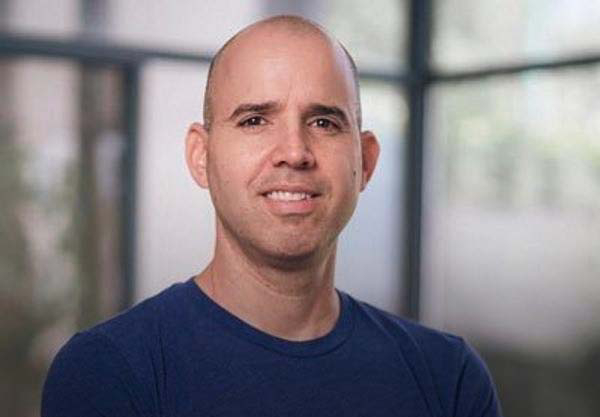
Omri Amirav-Drory
Omri Amirav-Drory, Ph.D., is a General Partner at NFX leading NFX Bio, a pre-seed and seed venture fund focused on scientist-founders at the intersection of technology and biology. A former Fulbright Scholar and Stanford postdoc turned biotech entrepreneur, he co-founded Genome Compiler (acquired by Twist Bioscience), launched Tech.Bio, and now backs breakthrough life sciences companies while co-founding Renewal Bio - a longevity company building synthetic embryo-derived tissues to combat aging. His stated mission is ending involuntary death.
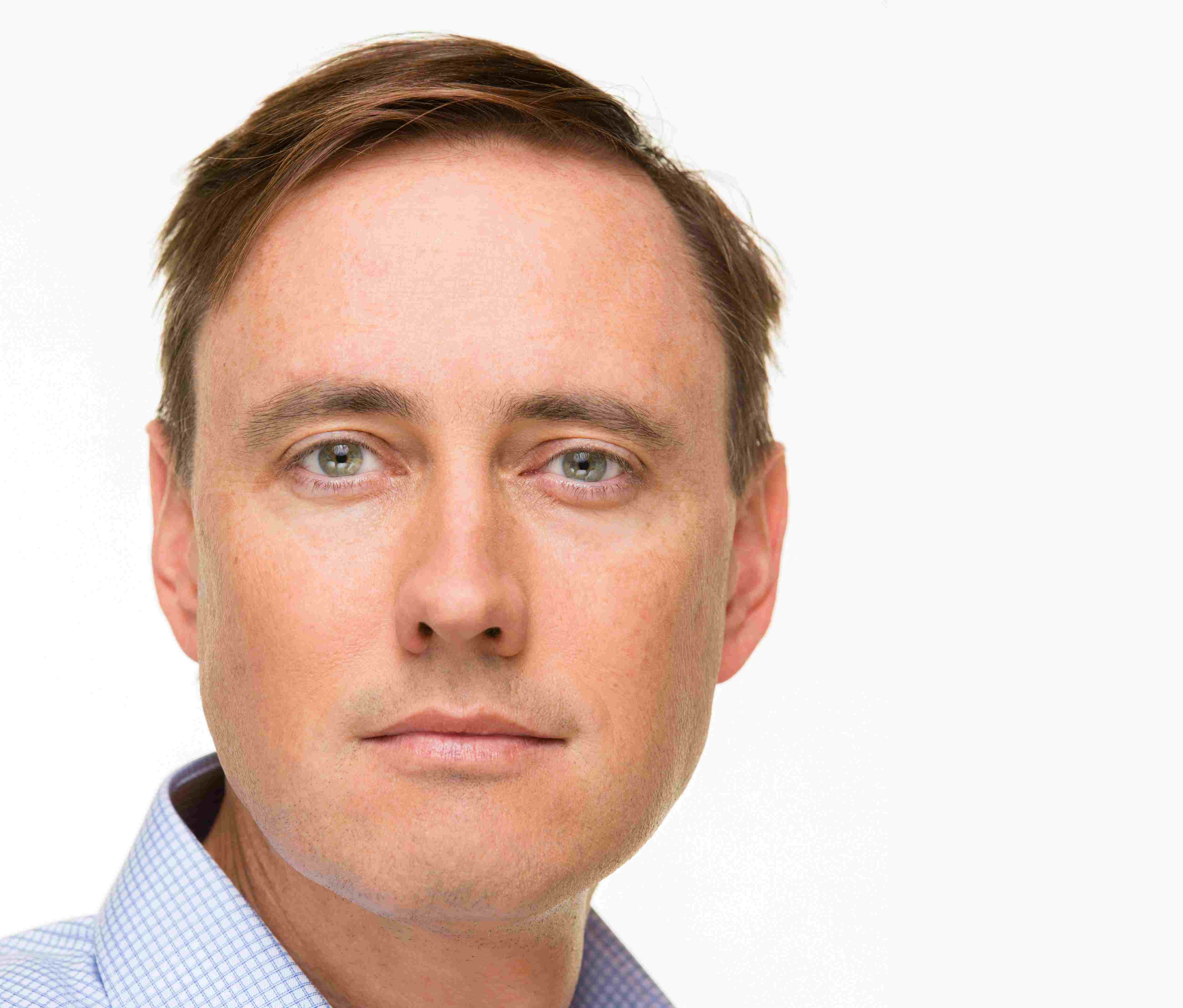
Steve Jurvetson
Steve Jurvetson is a legendary Silicon Valley venture capitalist and co-founder of Future Ventures, best known for coining the term 'viral marketing,' backing Hotmail, SpaceX, and Tesla from their earliest days, and bringing a scientist's obsession to everything from model rockets to nanotechnology. After two decades at Draper Fisher Jurvetson managing over $6 billion, he launched Future Ventures in 2018 with a patient, 15-year fund structure focused on deep tech, AI, space, and synthetic biology. A triple Stanford alumnus who finished his EE degree in 2.5 years at the top of his class, Jurvetson is as likely to be found photographing rocket launches on his Flickr account as sitting on SpaceX's board.