therapeutics
(25)
The Biotech Fund That Likes the Awkward Middle
Agent Capital invests where molecules, milestones and money collide. Its small team backs healthcare companies across the development curve, then stays close enough to help science become a financeable business.
City Therapeutics
City Therapeutics is a Cambridge, Massachusetts biotechnology company engineering the next generation of RNA interference (RNAi) medicines. Founded by pioneers of the RNAi field, including former Alnylam CEO John Maraganore and Nobel-adjacent academic scientists, the company designs novel siRNA trigger molecules and targeting ligands intended to make RNAi drugs more potent, more specific, and able to reach tissues beyond the liver. Launched in October 2024 with a $135M Series A and backed by a further $99.5M Series B in 2026, City is advancing a pipeline led by CITY-FXI for thromboembolic disease and CITY-RBP4 for Stargardt disease, alongside research collaborations with Biogen and Bausch + Lomb.
Flagship Pioneering
Flagship Pioneering is a Cambridge, Massachusetts life-sciences enterprise that invents, builds, and funds companies rather than merely investing in them. Founded in 1999 by Noubar Afeyan, the firm runs a systematic 'venture creation' engine - generating scientific hypotheses in-house, prototyping them in its own labs, and spinning validated concepts into independent operating companies in human health and sustainability. Its portfolio has produced more than 100 ventures, including Moderna, and it directs roughly $14 billion in capital.

Mendra
Mendra is an AI-native biopharmaceutical company based in San Francisco that acquires, develops, and commercializes therapies for rare and ultra-rare diseases with high unmet need. Founded in 2025 and launched publicly in January 2026 with an $82 million Series A, the company is run by veterans of BioMarin, Palantir, and other rare disease programs. Rather than discovering compounds from scratch, Mendra systematically scans, scores, and acquires shelved or under-resourced rare disease assets from academia, small biotechs, and big pharma, then uses AI to accelerate patient identification, clinical trial enrollment, and global market access.

Integrated Biosciences
Integrated Biosciences is a Redwood City biotech founded in 2022 that fuses optogenetics, chemistry, and AI to discover small-molecule drugs for age-related diseases. Its optogenetic screening platform uses light to control cellular biology at millisecond and micron scale, generating clean data to train an explainable-AI drug-discovery engine. The company has published in Nature - including a new structural class of antibiotics - and raised $17.2M in seed funding led by Sutter Hill Ventures.

Unravel Biosciences
Unravel Biosciences is a clinical-stage therapeutics company spun out of Harvard's Wyss Institute that starts with a patient's RNA rather than a drug target. Its BioNAV probabilistic network model of human health screens 40,000-plus compounds in silico - reporting roughly 200x the hit rate of conventional screens - to find existing molecules that can push a disease back toward health. The company validates predictions in engineered whole-organism models (including CRISPR-edited tadpoles) and then in patients, aiming to bring effective, lower-cost therapies to rare and overlooked diseases. Its lead asset, RVL-001 (a proprietary formulation of vorinostat), holds FDA Orphan Drug Designation for Rett syndrome and has entered clinical studies.

Abalone Bio
Abalone Bio is an Emeryville-based preclinical biotech building target-activating antibodies for diseases other drugs can't reach. Its FAST platform pairs engineered yeast cells with AI/ML to screen ~100 million antibodies per experiment for functional activity, not just binding, with an initial focus on G-protein coupled receptors (GPCRs) and metabolic disease.
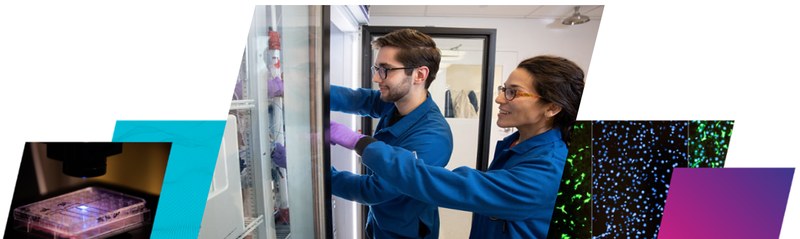
Aera Therapeutics
Aera Therapeutics is a Cambridge, Massachusetts biotech founded on a discovery from CRISPR pioneer Feng Zhang: human proteins that can self-assemble into capsid-like shells and ferry genetic cargo into cells. The company is building delivery platforms - protein nanoparticles, targeted lipid nanoparticles, and antibody-oligonucleotide conjugates - to solve the field's most stubborn problem: getting genetic medicines to the right tissue. Launched publicly in 2023 with $193M and led by Alnylam veteran Akin Akinc, Aera is betting that delivery, not the drug itself, is the bottleneck holding back the next generation of genetic medicine.

AltPep
AltPep is a Seattle biotech company spun out of the University of Washington that is building both diagnostic tests and disease-modifying drugs for amyloid diseases such as Alzheimer's and Parkinson's. Its work is anchored on the alpha-sheet, a non-standard protein structure discovered by founder and CEO Valerie Daggett, which forms in the toxic soluble oligomers that appear at the earliest, pre-symptomatic stages of disease. AltPep's SOBA blood test aims to flag those toxic oligomers years before symptoms, while its SOBIN peptide therapeutics are designed to neutralize them.

Circle Pharma, Inc.
Circle Pharma is a South San Francisco biotechnology company building intrinsically cell-permeable, orally available macrocycle therapeutics to hit cancer targets long considered undruggable. Spun out of UCSF and UC Santa Cruz in 2012, it pairs structure-based design, AI/ML, physics-based simulation, and advanced synthetic chemistry in its proprietary MXMO platform. Its lead program, CID-078, is a first-in-class oral cyclin A/B RxL inhibitor now in a Phase 1 trial for advanced solid tumors. The company has raised more than $200 million in total funding, including a $90 million Series D in 2024.
Gate Bioscience
Gate Bioscience is a Brisbane, California biotech building a brand-new class of medicines it calls Molecular Gates: oral small molecules that stop disease-causing proteins from ever leaving the cell. Instead of chasing proteins after they are secreted into the body, Gate's drugs bind Sec61, the single channel every one of the roughly 4,000 human secreted and membrane proteins must pass through, and selectively block a target protein so the cell degrades it. Founded in 2021 and emerged from stealth in 2023 with $60M, the company has raised about $135M total and is pushing its lead programs toward IND-enabling studies and Phase 1 trials.
Moonwalk Biosciences
Moonwalk Biosciences is a San Francisco Bay Area biotech building precision epigenetic medicines. Co-founded by former Illumina CTO Alex Aravanis and CRISPR pioneer Feng Zhang, the company pairs whole-genome, single-cell epigenome mapping with AI-guided 'read-and-write' epigenetic editing tools that reprogram cells to a healthy state without cutting or altering the underlying DNA. Launched out of stealth in January 2024 with $57 million in seed and Series A funding, Moonwalk aims to file its first IND within a few years.
Prellis Biologics
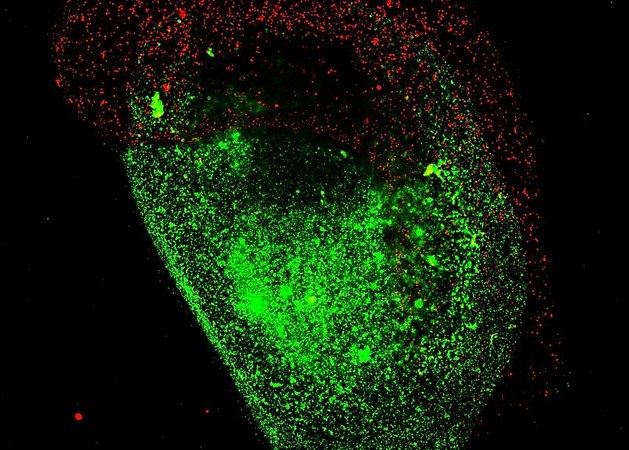
Prellis Biologics is a Berkeley, California biotech that 3D-prints human lymph node organoids to grow real human antibodies in a dish. Its EXIS platform uses holographic two-photon laser bioprinting plus AI to recreate the human immune response in vitro, discovering fully human antibody therapeutics faster and cheaper than animal-based methods, including against difficult targets like GPCRs where mouse models fail.
Mike Nohaile
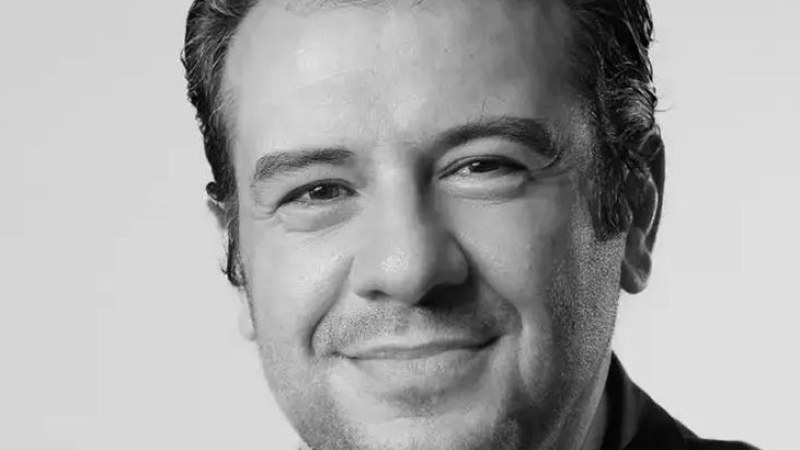
Mike Nohaile is the CEO of Prellis Biologics, a Berkeley biotech using two-photon holographic 3D bioprinting to grow lymph node organoids and pull antibody candidates straight from the human immune repertoire. A molecular biologist by training (PhD from UC Berkeley, postdoc at MIT), he spent decades operating at the top of the pharma industry - partner at McKinsey, Global Head of Molecular Diagnostics at Novartis, Senior VP of Strategy, Commercialization & Innovation at Amgen, and Chief Scientific Officer at Generate Biomedicines - before taking the helm at Prellis in 2022 alongside a $35M Series C. He is a vocal skeptic of AI drug-discovery hype, insisting AI optimizes proteins but does not yet invent medicines.

Gero
Gero is a Singapore- and Palo Alto-based biotech company applying physics-informed AI to longitudinal human health data to find the root causes of aging and develop therapies for age-related diseases. Co-founded by physicist Peter Fedichev and entrepreneur Maxim Kholin, Gero has built a foundational model of human health trained on 100M+ medical records, and partners with major pharma including Pfizer and Chugai.
Brendan Bulik-Sullivan
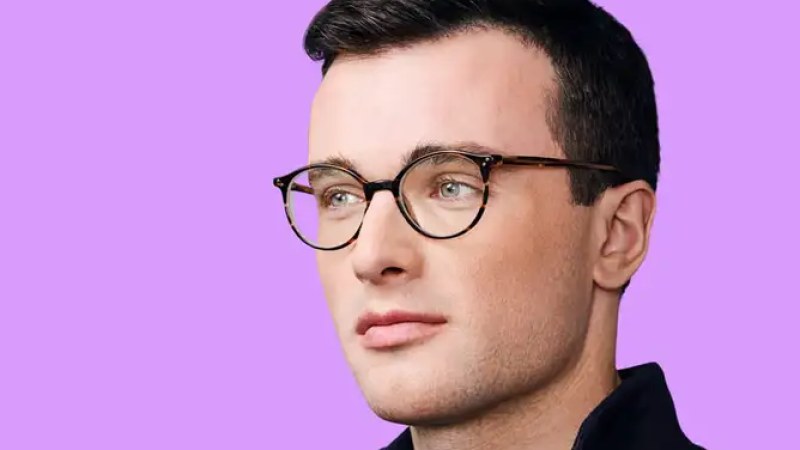
Brendan Bulik-Sullivan is a General Partner at GV (Google Ventures) backing biotech and therapeutics companies from the San Francisco office. He arrived at venture capital by a back door familiar to almost no one: a Ph.D. in statistical genetics, an authorship on the LD Score Regression method that reshaped how human geneticists read GWAS data, and a stint designing the deep-learning neoantigen models at Gritstone Oncology. He now sits on the boards of Comanche Biopharma, Santa Ana Bio, Ventus Therapeutics, and Areteia Therapeutics.
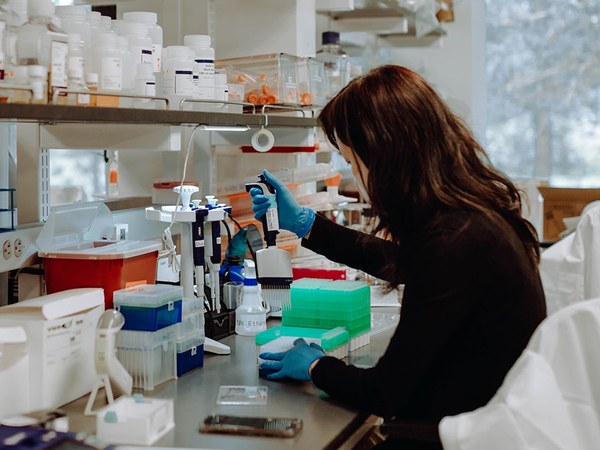
BigHat Biosciences
BigHat Biosciences is a San Mateo biotech using machine learning and a high-speed wet lab to design safer, more effective therapeutic antibodies. Its Milliner platform iterates between in-silico design and physical molecules in days, optimizing biologics across binding, stability, immunogenicity and developability for partners like Merck and Johnson & Johnson.
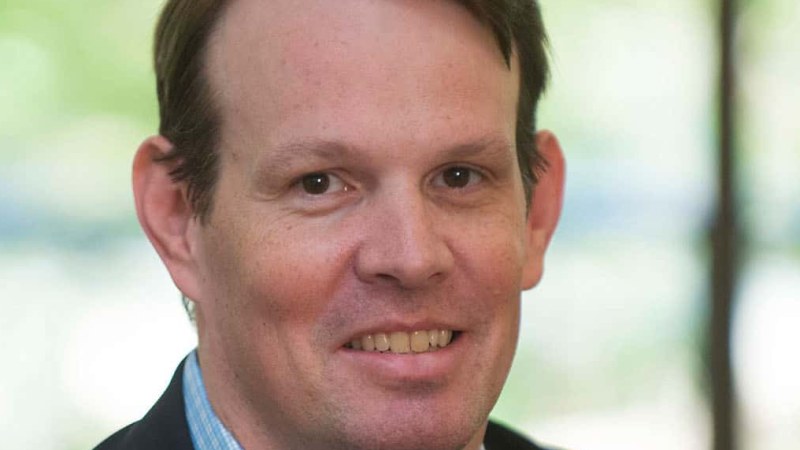
Eric Delbridge
Eric Delbridge, MD is a General Partner at Sofinnova Investments in Menlo Park, California, where he architects the firm's BioEquities strategy - a $1.5B public equity fund focused on global therapeutics companies. An unusual combination of physician, Wharton MBA (Palmer Scholar), and Yale Classics graduate, Delbridge brings over a decade of hedge fund investing experience from Balyasny Asset Management and Spring Point Capital, plus prior investment banking work at Lazard and Credit Suisse. He joined Sofinnova in 2016 and was elevated to General Partner in 2019, helping steward a firm with $3.7B under management, 118 companies funded, 55 IPOs, and 30 acquisitions.
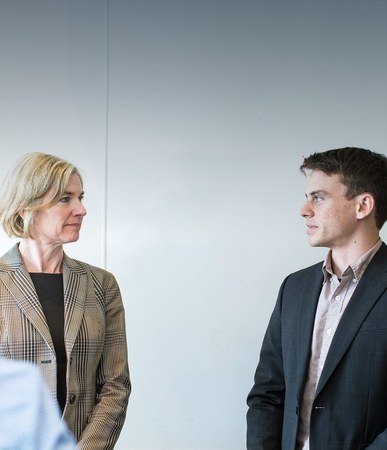
Mammoth Biosciences
Mammoth Biosciences is a Brisbane, California biotechnology company co-founded by Nobel laureate Jennifer Doudna that develops ultracompact CRISPR systems for both in vivo gene-editing therapeutics and rapid molecular diagnostics. Its proprietary toolbox of small Cas enzymes (including Cas14 and CasΦ) powers therapeutic partnerships with Regeneron, Vertex and Bayer, while the DETECTR platform brings CRISPR-based disease detection out of the central lab.
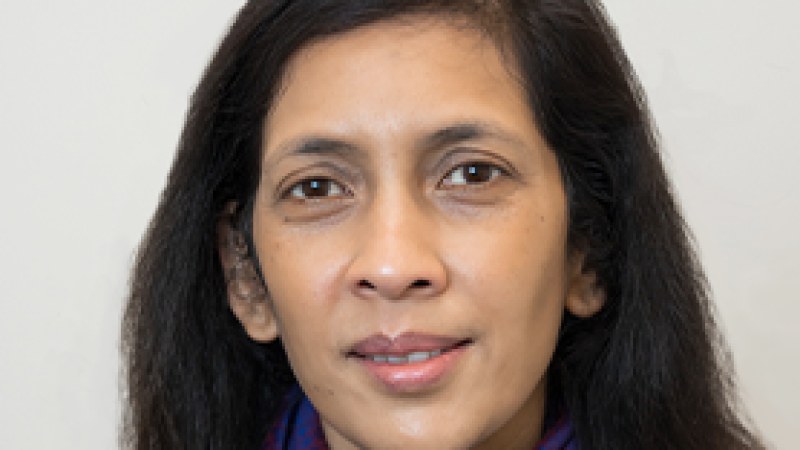
Dee Datta
Dee Datta, Ph.D., is co-founder and CEO of Switch Therapeutics, a San Francisco-based biotechnology company pioneering conditionally activated siRNA (CASi) molecules to treat neurodegenerative diseases and other conditions with significant unmet need. With a PhD from Caltech, an MBA from Stanford, and a career spanning venture capital at The Column Group and Longitude Capital, corporate development at Forty Seven Inc., and the C-suite at XOMA, Datta brings rare scientific depth and dealmaking fluency to one of the most ambitious RNA medicine platforms in the field. Switch raised a $52 million Series A in March 2023 and in late 2024 named its first development candidate - CASi-APOE, a brain-targeted, liver-sparing RNAi therapy aimed at the 60% of Alzheimer's patients who carry the APOE4 gene variant.
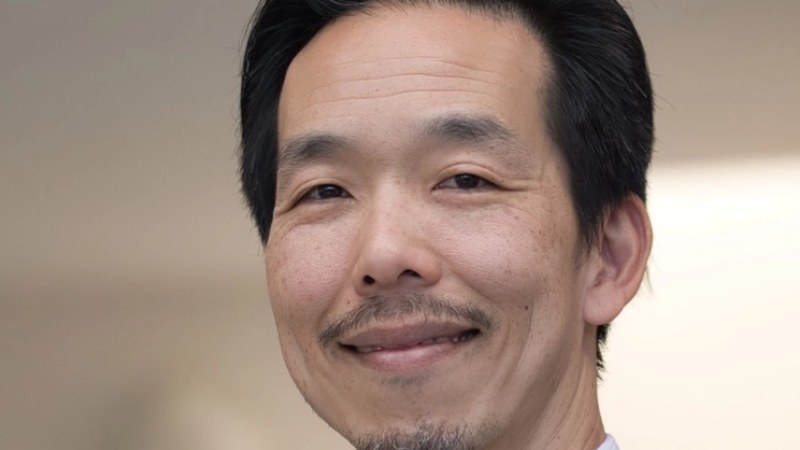
Richard Yu
Richard Yu is the Co-founder and CEO of Abalone Bio, an Emeryville, California-based biotechnology company pioneering AI-guided antibody drug discovery for notoriously hard-to-drug targets. With a PhD in Molecular Biophysics from Yale and a background spanning structural biology, systems biology, and biotech entrepreneurship, Richard built Abalone Bio's FAST platform - a high-throughput yeast cell screening system capable of evaluating 100 million antibody variants simultaneously. The company has secured partnerships with Pfizer and Mount Sinai, generated $7M in non-dilutive NIH grants, and published the world's first CB2 antibody agonist data, while positioning AI and large-scale functional datasets at the core of next-generation antibody therapeutics.
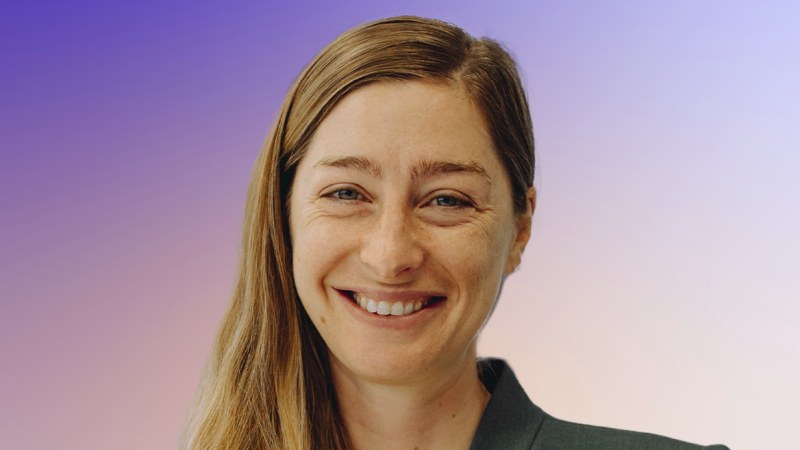
Peyton Greenside
Peyton Greenside is the CEO and co-founder of BigHat Biosciences, a San Mateo-based biotech company she co-founded in 2019 with Mark DePristo. A pioneer of deep learning applied to life science, Greenside combined a PhD in Biomedical Informatics from Stanford, an MPhil from Cambridge, and a BA in Applied Math from Harvard into a singular mission: use machine learning and synthetic biology to design safer, more effective antibody therapeutics faster than anyone thought possible. BigHat's Milliner platform generates thousands of unique antibody designs per week, and the company has raised $174M in total funding with pharma partnerships spanning Amgen, Merck, AbbVie, Johnson & Johnson, and Eli Lilly.
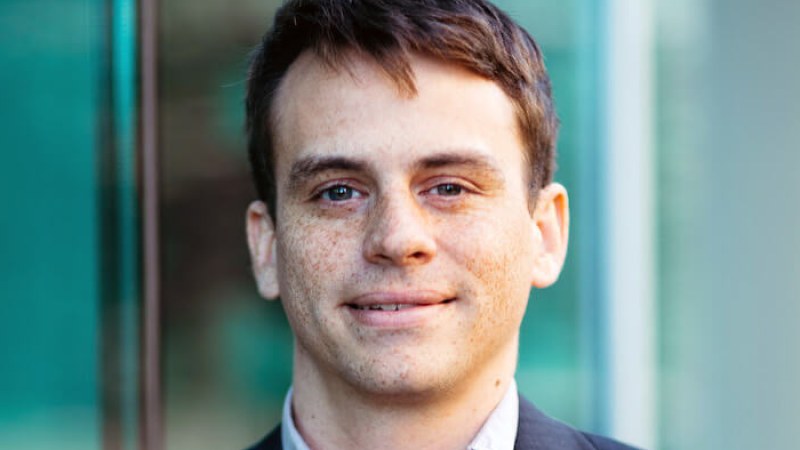
Trevor Martin
Trevor Martin is the co-founder and CEO of Mammoth Biosciences, the CRISPR company he built alongside Nobel laureate Jennifer Doudna and two of her graduate students. A Princeton-trained computational biologist who earned his PhD at Stanford, Martin turned a cold email to Doudna into a $465M-funded platform company developing ultracompact CRISPR systems - including NanoCas, the first efficient extrahepatic gene editor - aimed at permanently curing genetic diseases.
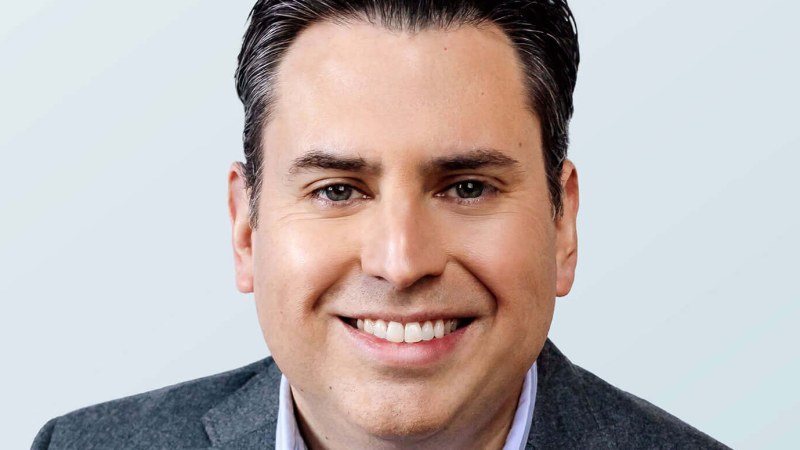
Jorge Conde
Jorge Conde is a General Partner on the Bio + Health team at Andreessen Horowitz (a16z), where he invests at the intersection of biology, computer science, and engineering. Born in Miami to Cuban and Peruvian parents, Conde co-founded Knome — the first company to offer whole-genome sequencing directly to consumers — alongside Harvard geneticist George Church, then spent years as CSO, CFO, and CPO at Syros Pharmaceuticals before joining a16z in 2017. An MIT Technology Review Innovator Under 35 and Henry Crown Fellow at the Aspen Institute, he is one of the most prominent voices arguing that the 21st century belongs to biology the way the 20th belonged to physics.

Sandra Pérez Baos
Sandra Pérez Baos, Ph.D. is a Senior Associate at 2048 Ventures, a NYC- and Boston-based thesis-driven early-stage VC firm that closed an oversubscribed $82M Fund III in January 2026. A scientist turned investor, she brings a decade of hands-on experience in translational immunology and molecular biology research - first as a postdoctoral researcher at NYU Grossman School of Medicine, then as a founding leader at Nucleate New York, and later as a fellow with NYU's technology commercialization office. At 2048 Ventures she leads biotech and health investments at pre-seed and seed stages, writing checks from $500K to $3M into companies building the next generation of platform biology, drug delivery, diagnostics, and digital health.