preclinical
(26)
CellType
CellType is a Y Combinator W26 biotech startup building an 'agentic drug company' that simulates human biology to de-risk drug discovery. Founded by Yale professor David van Dijk and ML engineer Ivan Vrkic, it pairs Cell2Sentence, a 27-billion-parameter biological foundation model built with Google DeepMind, with AI agents that run the discovery pipeline from hypothesis to compound screening. The goal is to replace animal models and cell lines with computational simulations of human biology and cut preclinical failure rates.
Actithera
Actithera is a radiopharmaceutical biotech developing next-generation radioligand therapies (RLTs) for cancer. Founded in 2021 by medicinal chemist Andreas Goutopoulos and based in Cambridge, Massachusetts and Oslo, Norway, the company uses a proprietary, chemistry-led platform to design covalent small-molecule radioligands that lodge inside tumors, deliver targeted radiation, and clear quickly from healthy tissue. Its isotope-agnostic approach is engineered to match the residence time of a drug in a tumor to the half-life of long-lived radionuclides, with a lead program targeting Fibroblast Activation Protein (FAP). Actithera raised an oversubscribed $75.5M Series A in July 2025.
Carbon Biosciences
Carbon Biosciences is a Waltham, Massachusetts preclinical genetic-medicine company building gene therapies on non-AAV parvovirus vectors. Founded by Longwood Fund with gene-therapy pioneers John Engelhardt and Robert Kotin, it uses a proprietary vector engine (PAVE) to design capsids from the broad parvovirus family - including human bocavirus - that carry larger genetic payloads, target specific tissues, and provoke little pre-existing immunity, opening the door to re-dosing. Its lead program targets cystic fibrosis by delivering the full-length CFTR gene to the lung, with a second vector aimed at cardiac disease.

HERVolution Therapeutics
HERVolution Therapeutics is a Copenhagen-based biotechnology company developing immunotherapies that target human endogenous retroviruses (HERVs) - dormant remnants of ancient viruses embedded in human DNA that can reactivate with age and disease. Formerly named InProTher, the company has engineered a proprietary platform that redesigns these 'dark genome' antigens to break immune tolerance, making them visible to the immune system for the first time. Its off-the-shelf vector-based pipeline, led by IPT-001, aims to treat cancer, metabolic disease, and other diseases of aging.
Ring Therapeutics
Ring Therapeutics is a Cambridge, Massachusetts biotechnology company founded by Flagship Pioneering to build a new class of gene therapy delivery vectors from anelloviruses - the most abundant and diverse family of viruses that naturally and harmlessly live inside the human body. Because these commensal viruses evade the immune system, Ring's AnelloVector platform aims to solve gene therapy's biggest limitations: the inability to re-dose patients, pre-existing immunity, and narrow tissue targeting. Through its Anellogy discovery platform and AnelloBricks in-vitro manufacturing technology, Ring is engineering re-dosable, tissue-specific, scalable vectors intended to carry a wide range of therapeutic payloads.

Talus Bio
Talus Bio is a Seattle drug-discovery company going after transcription factors and other regulatory proteins long written off as 'undruggable.' Its MARMOT platform measures the human regulome directly in living cells using functional proteomics and high-throughput mass spectrometry, then feeds tens of millions of compound-target interactions into a lab-in-the-loop AI system to design small molecules that switch disease-driving genes on or off. Founded in 2020 by Alex Federation and Lindsay Pino, the company runs preclinical programs in chordoma, non-small cell lung cancer, and prostate cancer.

Jessicca Rege
Jessicca M. Rege, Ph.D. is the Chief Executive Officer of Sus Clinicals, Inc., a biotech accelerating cancer drug development through the Oncopig Cancer Model, an FDA-cleared, genetically engineered pig platform for preclinical testing. A pharmaceutical scientist with more than 15 years in oncology R&D and global medical affairs, she previously served as Chief Development Officer at Mural Oncology, where she helped lead the company's public offering, and as VP, Head of Clinical Development, Oncology at Alkermes. She holds a Ph.D. in pharmaceutical sciences with a focus on pharmacogenomics from Virginia Commonwealth University.

Abalone Bio
Abalone Bio is an Emeryville-based preclinical biotech building target-activating antibodies for diseases other drugs can't reach. Its FAST platform pairs engineered yeast cells with AI/ML to screen ~100 million antibodies per experiment for functional activity, not just binding, with an initial focus on G-protein coupled receptors (GPCRs) and metabolic disease.
Lycia Therapeutics
Lycia Therapeutics is a South San Francisco biotech building lysosomal targeting chimeras (LYTACs) - bifunctional molecules that drag disease-driving extracellular and membrane proteins into the cell's lysosomes for destruction. Founded in 2019 out of the lab of Nobel laureate Carolyn Bertozzi, Lycia is advancing a pipeline of autoimmune and inflammatory disease therapies, backed by $226M+ in venture capital and a strategic discovery collaboration with Eli Lilly.

Switch Therapeutics
Switch Therapeutics is a South San Francisco preclinical biotech building conditionally activated siRNA (CASi) therapies that only switch on inside the cell types where they're needed. The platform - born from research at Caltech, Harvard and City of Hope - aims to make RNA interference safe enough for the brain, with a lead program targeting APOE for Alzheimer's disease.

Andrew DeSomma
Andrew DeSomma is the Chief Business Officer of K2bio (K2 BioLabs), a Houston-based hybrid contract research organization that gives early-stage life-science companies the equipment, vivarium, and scientists they could never afford to build alone. A career investor with a 25-plus-year track record across technology, biotech, consumer, and retail, he is the founder and manager of Resolute Investments and previously analyzed companies for crossover hedge funds in the San Francisco Bay Area. A Georgetown graduate who now works from Santa Fe, he sat on K2's board at founding before stepping into the operating seat that turns the lab's science into deals.
Atalanta Therapeutics
Atalanta Therapeutics is a Boston-based biotechnology company pioneering RNA interference (RNAi) therapies for diseases of the brain and spinal cord. Its proprietary divalent small interfering RNA (di-siRNA) platform is engineered to silence disease-causing genes durably and broadly across the central nervous system - long the hardest place in the body to reach with RNAi. Founded out of the RNA Therapeutics Institute at UMass Chan Medical School by leaders in the RNAi field, including Nobel laureate Craig Mello, the company is advancing wholly-owned programs in KCNT1-related epilepsy and Huntington's disease toward the clinic, alongside collaborations with Biogen and Genentech.

Bonum Therapeutics
Bonum Therapeutics is a Seattle biotechnology company building conditionally active biologics - drugs that switch on only where they are needed and switch off everywhere else. Spun out of Good Therapeutics after Roche's $250M acquisition in 2022, Bonum kept the platform blueprint and its founding team, then raised a $93M Series A to extend the approach. Its patented dual-binding antibody (DBA) technology uses a single domain that binds either an effector cytokine or a marker protein, but only one at a time, creating fully reversible medicines aimed at cancer, autoimmunity, metabolic disease and pain.

Circle Pharma, Inc.
Circle Pharma is a South San Francisco biotechnology company building intrinsically cell-permeable, orally available macrocycle therapeutics to hit cancer targets long considered undruggable. Spun out of UCSF and UC Santa Cruz in 2012, it pairs structure-based design, AI/ML, physics-based simulation, and advanced synthetic chemistry in its proprietary MXMO platform. Its lead program, CID-078, is a first-in-class oral cyclin A/B RxL inhibitor now in a Phase 1 trial for advanced solid tumors. The company has raised more than $200 million in total funding, including a $90 million Series D in 2024.
Curi Bio
Curi Bio is a Seattle biotechnology company building human-relevant preclinical platforms for drug discovery. By combining human iPSC-derived cells, 3D engineered tissues, lab instruments, and AI/ML data analysis, it gives biopharma teams functional human data earlier in development - aiming to bridge the gap between animal/2D-cell models and the clinic across cardiac, skeletal muscle, metabolic, and neuromuscular diseases.

DeepCure
DeepCure is a Boston-based biotech that uses AI, physics-based simulation, and automated robotic chemistry to design novel small-molecule drugs for hard-to-treat immune and inflammatory diseases. Founded in 2018 by MIT Media Lab researchers, the company pairs deep learning with a proprietary chemical database of up to 10^18 synthesizable compounds and an in-house automated wet lab, aiming to turn AI-generated molecules into real, testable, first-in-class therapies.

Diagonal Therapeutics
Diagonal Therapeutics is a Watertown, Massachusetts biotech building 'clustering antibodies' - multi-specific, agonist antibodies that bind two or more cell-surface receptors at once to switch broken signaling pathways back on. Its DIAGONAL Product Engine combines computational and experimental screening to sift billions of antibody combinations for the rare ones that restore receptor activity. The lead program, DIAG723, restores dysregulated ALK1 signaling to address the root cause of hereditary hemorrhagic telangiectasia (HHT) and pulmonary arterial hypertension (PAH). Founded by Alex Lugovskoy with Atlas Venture, the company launched in 2024 with a $128M Series A and raised an oversubscribed $125M Series B in January 2026 to push DIAG723 into the clinic.
Gate Bioscience
Gate Bioscience is a Brisbane, California biotech building a brand-new class of medicines it calls Molecular Gates: oral small molecules that stop disease-causing proteins from ever leaving the cell. Instead of chasing proteins after they are secreted into the body, Gate's drugs bind Sec61, the single channel every one of the roughly 4,000 human secreted and membrane proteins must pass through, and selectively block a target protein so the cell degrades it. Founded in 2021 and emerged from stealth in 2023 with $60M, the company has raised about $135M total and is pushing its lead programs toward IND-enabling studies and Phase 1 trials.

Morphocell Technologies
Morphocell Technologies is a Montreal-area regenerative medicine company building allogeneic, stem cell-derived engineered tissues to treat severe organ deficiencies, starting with the liver. Its lead program, ReLiver, is a transiently implanted engineered liver tissue made from induced pluripotent stem cells (iPSCs) intended to treat acute and acute-on-chronic liver failure without immunosuppression. Spun out of CHU Sainte-Justine in 2018, the company has raised US$50 million in Series A funding and runs vertically integrated operations spanning discovery, cell manufacturing and preclinical development.

Nilo Therapeutics
Nilo Therapeutics is a New York-based biotechnology company developing a new class of medicines that target the brain-body neural circuits regulating the immune system. Building on discoveries that identified specific vagal neurons controlling systemic inflammation, Nilo aims to restore immune homeostasis centrally rather than broadly suppress the immune system, offering a differentiated approach to treating autoimmune and inflammatory disease. The company launched out of stealth in October 2025 with a $101 million Series A.

Nura Bio
Nura Bio is a clinical-stage biopharmaceutical company in South San Francisco developing brain-penetrant, small-molecule neuroprotective medicines. Its work centers on SARM1, an injury-activated NAD hydrolase that triggers axon degeneration, an early and common event across many neurological diseases. The lead candidate, NB-4746, is an oral, brain-penetrant SARM1 inhibitor that completed Phase 1 in healthy volunteers and shows protection in preclinical models of ALS, MS, traumatic brain injury and chemotherapy-induced peripheral neuropathy. The company has raised more than $140 million in Series A financing led by The Column Group.

Sporos Bioventures
Sporos Bioventures is a Houston-based private biotechnology company that builds and operates a portfolio of oncology and immune-disease startups under one roof. Rather than launching companies one at a time, Sporos pools capital, drug-discovery infrastructure, and operational expertise across multiple programs - including Tvardi Therapeutics, Asylia Therapeutics, Nirogy Therapeutics, Stellanova Therapeutics, and its internal Sporos BioDiscovery group - to move targeted cancer therapies from idea to early clinical trials faster and with less duplicated risk.

Keythera Pharmaceuticals Co., Ltd
Keythera (Suzhou) Biopharmaceuticals is a clinical-stage biotech building first-in-class small molecule drugs for cancer and autoimmune disease. Its core edge is ADMS - Affinity Detection by Mass Spectroscopy - an affinity-based high-throughput screening platform that can screen up to 250,000 compounds per day per workstation and fuses bioinformatics, structural chemistry, computer-aided drug design and AI to find and optimize drug candidates faster and at lower risk. Founded in 2020 by industry veteran Dr. Yongqi Deng, the company has built six pipelines, advanced its lead EP4 antagonist KF-0210 into the clinic, and raised roughly RMB 100M in Series A funding.
BreezeBio
BreezeBio (formerly GenEdit) is a Brisbane, California-based biotechnology company that develops precision genetic medicines using its proprietary NanoGalaxy platform - a library of polymer nanoparticles capable of delivering genetic payloads like mRNA, siRNA, and CRISPR components to specific tissues without triggering immune responses. Unlike viral vectors that can only be dosed once and often provoke dangerous immune reactions, BreezeBio's non-viral approach allows repeat dosing, broad payload flexibility, and tissue selectivity across immune cells, heart, lung, and CNS. Founded in 2016 out of UC Berkeley by CEO Dr. Kunwoo Lee and CTO Dr. Hyo Min Park, the company rebranded from GenEdit in early 2026 following its $60M Series B, signaling a shift from delivery-platform licensor to full therapeutic developer with a lead program (BRZ-101) targeting Type 1 Diabetes.
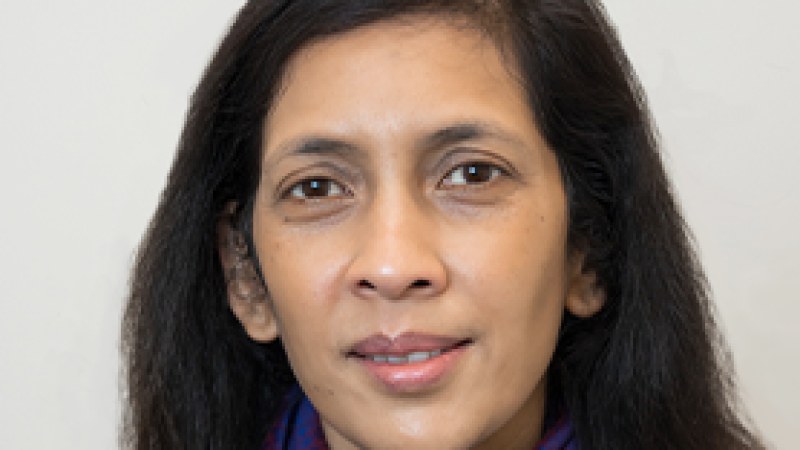
Dee Datta
Dee Datta, Ph.D., is co-founder and CEO of Switch Therapeutics, a San Francisco-based biotechnology company pioneering conditionally activated siRNA (CASi) molecules to treat neurodegenerative diseases and other conditions with significant unmet need. With a PhD from Caltech, an MBA from Stanford, and a career spanning venture capital at The Column Group and Longitude Capital, corporate development at Forty Seven Inc., and the C-suite at XOMA, Datta brings rare scientific depth and dealmaking fluency to one of the most ambitious RNA medicine platforms in the field. Switch raised a $52 million Series A in March 2023 and in late 2024 named its first development candidate - CASi-APOE, a brain-targeted, liver-sparing RNAi therapy aimed at the 60% of Alzheimer's patients who carry the APOE4 gene variant.
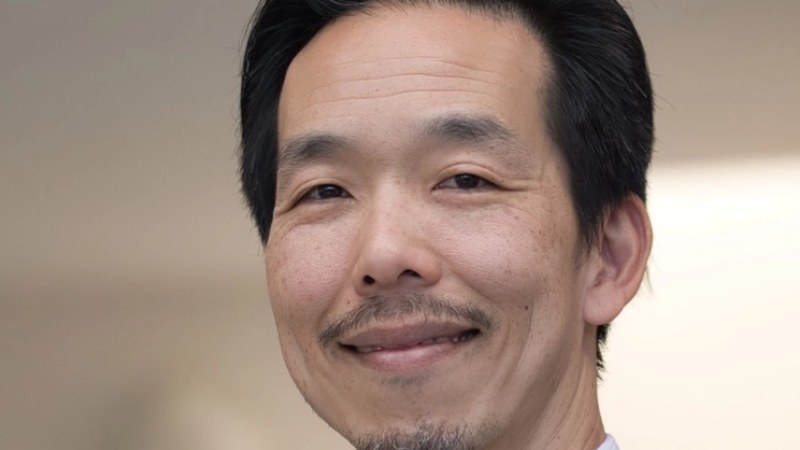
Richard Yu
Richard Yu is the Co-founder and CEO of Abalone Bio, an Emeryville, California-based biotechnology company pioneering AI-guided antibody drug discovery for notoriously hard-to-drug targets. With a PhD in Molecular Biophysics from Yale and a background spanning structural biology, systems biology, and biotech entrepreneurship, Richard built Abalone Bio's FAST platform - a high-throughput yeast cell screening system capable of evaluating 100 million antibody variants simultaneously. The company has secured partnerships with Pfizer and Mount Sinai, generated $7M in non-dilutive NIH grants, and published the world's first CB2 antibody agonist data, while positioning AI and large-scale functional datasets at the core of next-generation antibody therapeutics.