gene-editing
(33)
Sekar Kathiresan Bet His Career on a One-Time Idea
A history major became a cardiologist, a geneticist, and then a first-time founder. His wager was simple to say and difficult to build: turn lessons from naturally protective genes into medicines designed to work once.
The $1 Billion Bet on Editing Cholesterol Once - Then Never Again
Verve Therapeutics spent seven years turning a genetic observation into a one-infusion cholesterol treatment. Its first delivery system stumbled; the replacement helped sell the company to Lilly and may redraw the boundary between a drug and a permanent decision.

GC Therapeutics Wants to Turn a Four-Day Cell Recipe Into Medicine at Scale
The Harvard spinout says its TFome platform can compress months of stem-cell differentiation into four days. Now it has to prove that programmable cells can survive the far harder journey from an elegant recipe to an approved medicine.
Reza Rezaei Built a Career at the Handoff Between Science and Sales
A veterinarian and animal scientist learned to translate laboratory detail into commercial trust. After a decade climbing Cyagen's ranks, Reza Rezaei now leads the company from the junction of research, customers and scale.

The Fund That Bets on People Who Read Physics Papers for Fun
Eric Schmidt's Palo Alto firm has spent fifteen years funding PhDs who want to rebuild the physical world - from SoFi and Uber to gene editors and metal-bending robots. Its bet: the boring industries are about to move fast.
Be Biopharma
Be Biopharma (Be Bio) is a Cambridge, Massachusetts biotechnology company pioneering a new class of therapies called Engineered B Cell Medicines (BCMs). By precisely gene-editing a patient's own B cells - nature's protein factories that can secrete high volumes of protein for decades - Be Bio aims to deliver durable, potentially re-dosable treatments for hemophilia, rare genetic diseases, and other serious conditions. Founded in 2020 out of Seattle Children's Research Institute and Longwood Fund, the company has raised roughly $356 million and, as of early 2025, advanced to a multi-program clinical-stage company led by CEO Joanne Smith-Farrell, Ph.D.

Colossal Biosciences
Colossal Biosciences is a Dallas-based genetic engineering company using de-extinction science - ancient DNA, CRISPR gene editing, and reproductive technology - to revive lost species like the woolly mammoth, thylacine, dodo, and dire wolf, and to apply the same tools to protecting endangered wildlife. Co-founded in 2021 by tech entrepreneur Ben Lamm and Harvard geneticist George Church, it became Texas' first decacorn with a $10.2 billion valuation and has spun out companies in computational biology and plastic degradation.

Cyagen Biosciences
Cyagen Biosciences is a life-sciences contract research organization that builds custom genetically engineered rodent models - knockout, knockin, conditional, and humanized mice and rats - for academic labs and drug developers. Founded in 2006 and headquartered in Santa Clara, California, with major operations in China, Japan, and Europe, Cyagen has grown into one of the world's largest suppliers of custom mouse and rat models, complemented by stem-cell products and a fast-growing gene-delivery arm, VectorBuilder, that designs and manufactures viral vectors from research through clinical CDMO work.

Axelyf
Axelyf is a Brookline, Massachusetts biotech (with an R&D subsidiary in Iceland) building next-generation lipid nanoparticle delivery systems for RNA medicines. Founded by former Moderna drug-delivery leaders, it pairs a proprietary AXL ionizable-lipid library with an AI model called ANNA to make RNA and gene-editing payloads reach the right tissue with higher potency and less toxicity. In mouse liver studies its AXL LNPs showed roughly 4-5x higher gene-editing efficiency than the LP-01 clinical benchmark at equivalent doses, without evidence of liver toxicity. The company closed $2.6M in seed funding in August 2025 to push its lead autoimmune program and lipid library toward preclinical and non-human-primate studies.

Portal Biotechnologies
Portal Biotechnologies is a Watertown, Massachusetts cell-engineering platform company building tools that push complex cargo - mRNA, siRNA, CRISPR complexes, proteins - into living cells by squeezing them through microscopic holes in a silicon surface, rather than relying on viruses or chemistry. Founded in 2023 by Armon Sharei, the MIT-trained scientist behind SQZ Biotechnologies, Portal sells hardware and consumables to drug discovery and cell therapy labs instead of developing its own drugs. Its instruments are used across more than 100 customer sites, including many of the world's largest pharmaceutical companies, and the company has raised seed and follow-on funding plus a DARPA contract for portable, point-of-care cell manufacturing.
Christian Cobaugh
Christian Cobaugh is a molecular biologist turned biotech operator who has spent more than 15 years at the frontier of genetic medicines. In January 2026 he became CEO of Alloy Genetic Medicines, the nucleic-acid division of Alloy Therapeutics, where he leads work on the AntiClastic cyclic nucleic acid platform for ASOs, siRNA, and other RNA therapeutics. He is best known for founding Vernal Biosciences, an mRNA contract manufacturer he built in Colchester, Vermont, on the premise that everyone who needs mRNA should be able to get it. Before Vernal he was the first scientist in the Alexion-Moderna mRNA partnership and held discovery, development, and manufacturing roles at Arcturus Therapeutics, CRISPR Therapeutics, Translate Bio, and Omega Therapeutics.

Amber Bio
Amber Bio is a biotechnology startup pioneering a new RNA writing platform that performs multi-kilobase edits, aiming to treat thousands of disease-causing mutations with a single product. Founded in 2021 by Jacob Borrajo and Basem Al-Shayeb out of the Broad Institute and UC Berkeley, the company launched in August 2023 with a $26M seed round co-led by Playground Global and Andreessen Horowitz Bio + Health.
Örn Almarsson
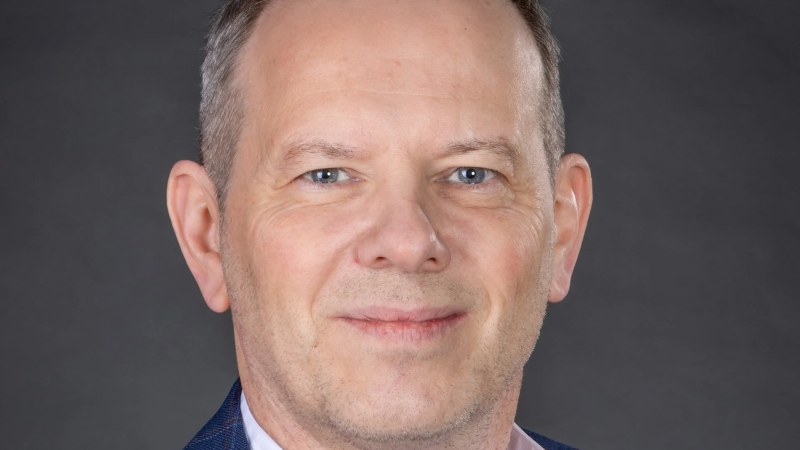
Örn Almarsson is the co-founder and CEO of Axelyf, an Icelandic-American biotech building next-generation lipid nanoparticles to deliver RNA medicines beyond the liver. Before Axelyf he ran the delivery sciences team at Moderna from 2013 to 2020, helping engineer the components behind the Spikevax COVID-19 vaccine, after earlier stints at Merck and Alkermes. A bioorganic chemist by training, he is the co-author of more than 70 publications and over 60 patents, and is now pairing a proprietary lipid library with a machine-learning model called ANNA to crack the hardest problem in RNA medicine: delivery.
Aera Therapeutics
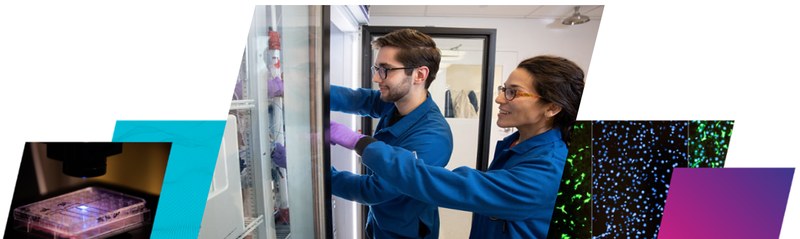
Aera Therapeutics is a Cambridge, Massachusetts biotech founded on a discovery from CRISPR pioneer Feng Zhang: human proteins that can self-assemble into capsid-like shells and ferry genetic cargo into cells. The company is building delivery platforms - protein nanoparticles, targeted lipid nanoparticles, and antibody-oligonucleotide conjugates - to solve the field's most stubborn problem: getting genetic medicines to the right tissue. Launched publicly in 2023 with $193M and led by Alnylam veteran Akin Akinc, Aera is betting that delivery, not the drug itself, is the bottleneck holding back the next generation of genetic medicine.

AvenCell Therapeutics
AvenCell Therapeutics is a clinical-stage cell therapy company building switchable, universal CAR-T treatments that can be turned 'off' and 'on' even after they are inside a patient. By pairing this controllable switch with a CRISPR-engineered, off-the-shelf allogeneic platform, AvenCell aims to widen the narrow safety window of conventional CAR-T while cutting the cost and wait time of manufacturing, targeting hard-to-treat blood cancers like AML, B-cell malignancies and, increasingly, autoimmune disease.

eGenesis
eGenesis is a Cambridge, Massachusetts clinical-stage biotechnology company using multiplex CRISPR gene editing to engineer pig organs that the human body will accept. Its EGEN platform makes dozens of edits to a porcine genome at once - removing pig antigens, adding human genes, and inactivating embedded retroviruses - to create kidneys, livers, and hearts intended to ease the global organ shortage. In 2024 its lead candidate became the basis of the world's first gene-edited pig kidney transplant in a living patient, and in 2025 the FDA cleared it for a formal clinical trial.
GentiBio
GentiBio is a clinical-stage biotechnology company in Cambridge, Massachusetts building engineered regulatory T cell (EngTreg) therapies designed to restore immune tolerance and durably treat autoimmune, autoinflammatory, alloimmune, and allergic diseases. Spun out of research from Seattle Children's, Benaroya Research Institute, and MIGAL Galilee Research Institute, the company combines gene editing of FOXP3 with a modular Treg engineering and manufacturing platform. Its lead program, GNTI-122, is an autologous antigen-specific Treg therapy for recently diagnosed type 1 diabetes now in a Phase 1 trial (POLARIS). GentiBio has raised roughly $177M and signed a partnership with Bristol Myers Squibb worth up to $1.9B in potential milestones.
Light Horse Therapeutics
Light Horse Therapeutics is a San Diego biotech founded in 2023 that flips traditional drug discovery on its head. Using a proprietary 'function-first' platform that pairs systematic CRISPR-based gene editing with chemical biology, the company first pinpoints which exact regions of a disease-driving protein are functionally critical, then hunts for small molecules that hit those precise sites. Launched out of Versant Ventures' Inception Discovery Engine with a $62M Series A and a Novartis collaboration worth up to $1 billion in milestones, Light Horse is targeting some of oncology's toughest, historically 'undruggable' proteins.
Alla Zamarayeva
Alla Zamarayeva is the co-founder and CEO of CellFE, a Bay Area biotech building a non-viral, microfluidics-based platform for engineering human cells. A UC Berkeley engineering PhD and former Goldwater Scholar, she spun a piece of academic research she stumbled onto during her doctorate into a company aiming to make cell therapies cheaper, gentler, and eventually available at the point of care. In 2023 she led CellFE to a $22 million Series A backed by M Ventures, and she is steering the company toward redefining how gene-edited cell therapies are manufactured.
Jennifer Bergheiser
Jennifer Bergheiser is the Chief Business Officer of eGenesis, the Cambridge biotech turning gene-edited pig organs into a real answer to the transplant waitlist. She runs corporate strategy and all portfolio and commercial development, drawing on more than two decades across big pharma, venture capital, and consulting. Her resume runs from screening deals at Domain Associates to steering the blockbuster autoimmune drug Stelara at Centocor/Johnson & Johnson. At eGenesis she helps commercialize one of medicine's boldest bets: organs grown in pigs, edited dozens of times over, transplanted into living humans.
Yuanyuan Xu
Yuanyuan Xu is a structural biologist turned biotech founder who left the protein-crystallography bench at Tsinghua and Yale to build Cure Genetics (克睿基因), a Suzhou clinical-stage company chasing cell and gene therapies for solid tumors and genetic disease. She founded it in 2016, raised a $60M Series B in 2021, and bets on two homegrown platforms: an invariant-natural-killer-T cell therapy (AIMS CAR-NKT) and a directed-evolution engine for new AAV capsids (VELP).

BreezeBio
BreezeBio (formerly GenEdit) is a Brisbane, California-based biotechnology company that develops precision genetic medicines using its proprietary NanoGalaxy platform - a library of polymer nanoparticles capable of delivering genetic payloads like mRNA, siRNA, and CRISPR components to specific tissues without triggering immune responses. Unlike viral vectors that can only be dosed once and often provoke dangerous immune reactions, BreezeBio's non-viral approach allows repeat dosing, broad payload flexibility, and tissue selectivity across immune cells, heart, lung, and CNS. Founded in 2016 out of UC Berkeley by CEO Dr. Kunwoo Lee and CTO Dr. Hyo Min Park, the company rebranded from GenEdit in early 2026 following its $60M Series B, signaling a shift from delivery-platform licensor to full therapeutic developer with a lead program (BRZ-101) targeting Type 1 Diabetes.
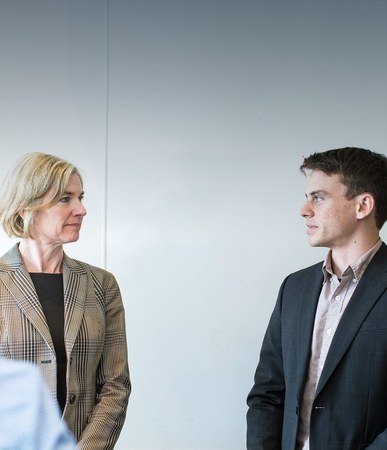
Mammoth Biosciences
Mammoth Biosciences is a Brisbane, California biotechnology company co-founded by Nobel laureate Jennifer Doudna that develops ultracompact CRISPR systems for both in vivo gene-editing therapeutics and rapid molecular diagnostics. Its proprietary toolbox of small Cas enzymes (including Cas14 and CasΦ) powers therapeutic partnerships with Regeneron, Vertex and Bayer, while the DETECTR platform brings CRISPR-based disease detection out of the central lab.

Profluent
Profluent is an AI-first protein design company building frontier models that author novel proteins - including the first AI-designed CRISPR gene editor, OpenCRISPR-1. Based in Berkeley's biotech corridor, the company applies the same scaling-law playbook that worked for language models to the language of biology, then validates the outputs in a wet lab.

ReCode Therapeutics
ReCode Therapeutics is a clinical-stage genetic medicines company using its Selective Organ Targeting (SORT) lipid nanoparticle platform to deliver mRNA and gene-correction therapies beyond the liver. Its lead programs target cystic fibrosis and primary ciliary dyskinesia - rare respiratory diseases where existing modulators leave many patients without options.
Marc Montserrat
Marc Montserrat is the Chief Executive Officer of DNA Script, a French-American biotech pioneering enzymatic DNA synthesis - a technology that lets labs print custom DNA on demand, in hours instead of days. A Wharton MBA and industrial engineer by training, Montserrat spent two decades building commercial operations at Ariosa Diagnostics (prenatal testing), Omniome (next-gen sequencing), and Deepcell (AI-powered single-cell analysis) before co-founding Splice Bio and ultimately landing as CEO of DNA Script in October 2024. He was drawn into life sciences after a misdiagnosis scare at 24 that convinced him life was too short to spend on work without meaning.
Jacob Borrajo
Jacob Borrajo is the Founder and CEO of Amber Bio, a Cambridge-based biotech company pioneering a first-of-its-kind RNA writing platform capable of multi-kilobase edits. With a PhD in Biological Engineering from MIT and research training at the Broad Institute, Borrajo has spent his career building at the intersection of CRISPR, machine learning, and synthetic biology. Amber Bio launched in August 2023 with a $26 million seed round co-led by Andreessen Horowitz and Playground Global, with strategic participation from Eli Lilly and the Retinal Degeneration Fund. His platform's key innovation: treating diseases with high allelic diversity using a single therapeutic product, by editing RNA rather than DNA - making gene therapy safer, reversible, and dramatically more scalable.
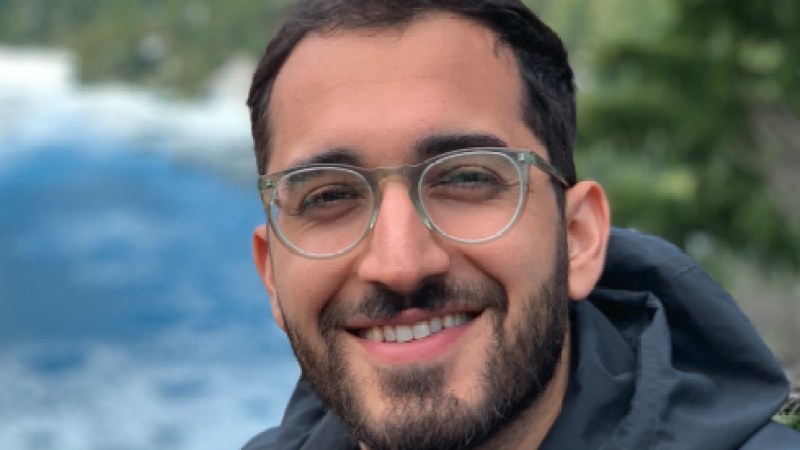
Ali Madani
Ali Madani is the founder and CEO of Profluent, the AI-first protein design company based in Emeryville, California. A machine learning researcher by training, he holds a PhD from UC Berkeley and pioneered the use of large language models to generate functional proteins from scratch - first at Salesforce AI Research as the architect of ProGen, then at Profluent where his team created OpenCRISPR-1, the world's first AI-designed and open-source gene editor, published in Nature in 2025. With $150M in total funding from Bezos Expeditions, Altimeter Capital, Spark Capital, and Insight Partners, Madani is on a mission to make biology programmable - designing proteins that don't exist in nature to solve the biggest challenges in human health, agriculture, and biomanufacturing.
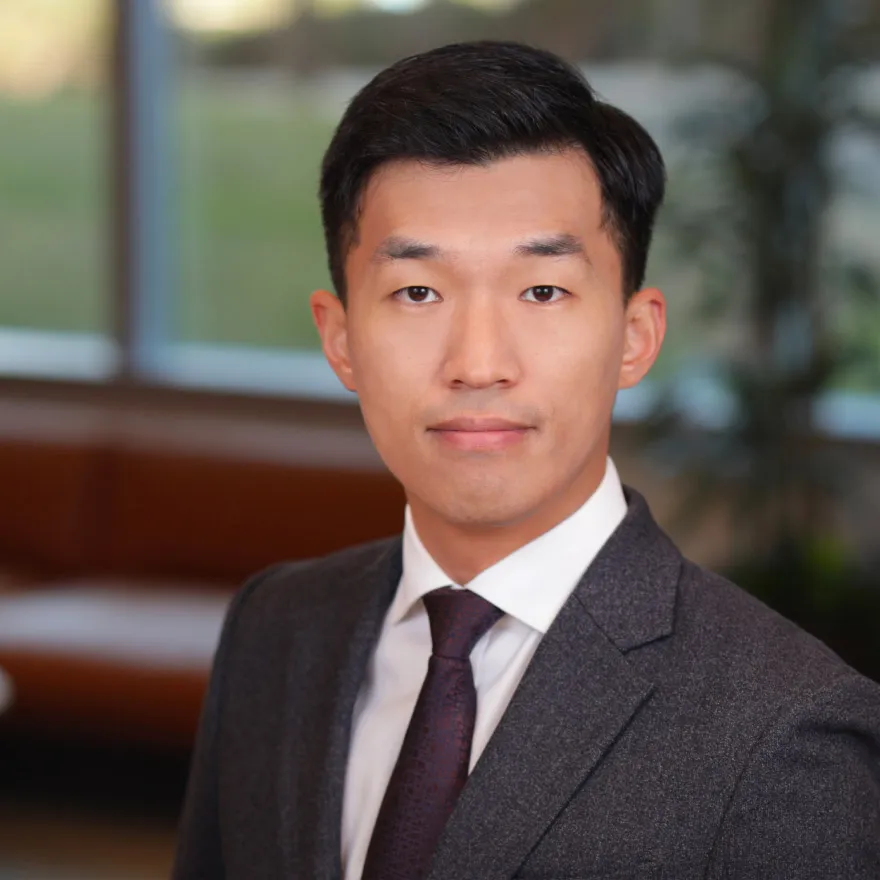
Kunwoo Lee
Kunwoo Lee is the CEO and Co-founder of BreezeBio (formerly GenEdit), a Brisbane, California-based biotech company pioneering non-viral gene delivery through its proprietary NanoGalaxy platform. A Siebel Scholar and Forbes 30 Under 30 honoree who earned his PhD from UC Berkeley-UCSF Joint Program in Bioengineering, Lee co-founded GenEdit in 2016 alongside Professor Niren Murthy and fellow researcher Hyo Min Park, building out a polymer nanoparticle library of thousands of chemically distinct compounds capable of delivering diverse genetic payloads to specific tissues. The company has raised over $118 million including a $60M Series B in February 2026, struck a landmark $644M collaboration deal with Genentech, and rebranded to BreezeBio to signal its pivot from platform company to clinical-stage therapeutics developer advancing BRZ-101 for Type 1 Diabetes.
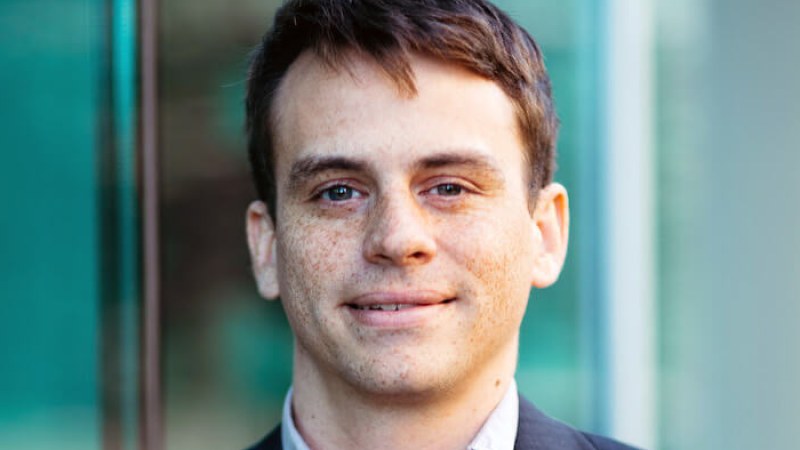
Trevor Martin
Trevor Martin is the co-founder and CEO of Mammoth Biosciences, the CRISPR company he built alongside Nobel laureate Jennifer Doudna and two of her graduate students. A Princeton-trained computational biologist who earned his PhD at Stanford, Martin turned a cold email to Doudna into a $465M-funded platform company developing ultracompact CRISPR systems - including NanoCas, the first efficient extrahepatic gene editor - aimed at permanently curing genetic diseases.