autoimmune
(27)
Sparrow Pharmaceuticals, Inc.
Sparrow Pharmaceuticals is a clinical-stage biopharmaceutical company developing clofutriben, an oral, once-daily HSD-1 inhibitor that lowers active cortisol inside specific tissues rather than shutting down the body's steroid system entirely. Founded in 2013 by scientist David Katz, the company has raised roughly $145 million across Series A and Series B rounds and is running the Phase 2b CAPTAIN-T2D trial in patients with type 2 diabetes and elevated cortisol, alongside programs in Cushing's syndrome and autonomous cortisol secretion.

Aqtual, Inc.
Aqtual, Inc. is a Hayward, California precision medicine company that reads epigenetics, gene regulation and transcriptomics from a single blood draw. Its proprietary active-chromatin cell-free DNA (cfDNA) platform captures circulating chromatin to survey hundreds of thousands of regulatory sites, integrating DNA, epigenetic regulation and protein-DNA binding in one blood-based assay. The company is first commercializing a test that predicts which therapy will work for rheumatoid arthritis patients, with a broader pipeline spanning oncology, immunology, cardiovascular, metabolic and neurological disease. Aqtual has raised roughly $47M to date, including a $31M Series B in July 2025.
Nuvig Therapeutics
Nuvig Therapeutics is a clinical-stage biotech in the San Francisco Bay Area developing next-generation immune modulators for chronic autoimmune and inflammatory diseases. Founded in 2022 on research from The Rockefeller University, its lead candidate NVG-2089 is a first-in-class recombinant Fc fragment that engages type II Fc receptors to recapitulate the anti-inflammatory benefits of IVIg without immunosuppression or the supply constraints of plasma-derived products. The company raised a $161M Series B in December 2024 to push NVG-2089 into Phase 2 for CIDP and other indications.
Scott Requadt
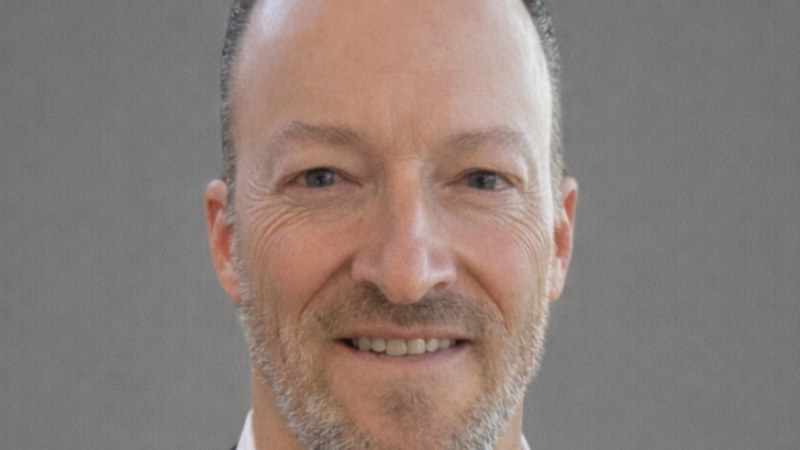
Scott Requadt is the founding CEO of Prolium Bioscience, a New York-based biotech that emerged from stealth in March 2026 with a $50M Series A from RTW and a Phase 1/2-ready CD20xCD3 bispecific T-cell engager, PRO-203, in-licensed from KeyMed Biosciences and InnoCare Pharma for severe autoimmune disease. A lawyer-turned-investor-turned-operator, Requadt spent a decade at Clarus Ventures (later Blackstone Life Sciences) as Managing Director, ran Talaris Therapeutics as CEO from 2018 through its 2023 wind-down, and now sits on the board of ESSA Pharmaceuticals. He trained at McGill, Toronto Law, and Harvard Business School (Baker Scholar), started his career as an M&A attorney at Davis Polk, and has spent the intervening twenty years turning that unusual pedigree into biotech deals.
Ability Biotherapeutics
Ability Biotherapeutics (also known as Ability Biologics) is a Montreal-based biotech founded in 2023 that engineers highly selective, immune-cell-modulating antibody therapeutics for cancer and autoimmune disease. Its AbiLeap discovery engine pairs continuously learning AI with one of the largest antibody-antigen interaction databases ever assembled to generate fully human, IgG-based multispecific antibodies that sense their environment and act only where intended - so-called logic-gated therapeutics. Backed by US$18M in seed capital led by Amplitude Ventures, the company is advancing a pipeline of immuno-oncology and autoimmune candidates toward preclinical readiness.
Avilar Therapeutics
Avilar Therapeutics is a Waltham, Massachusetts biopharmaceutical company pioneering the degradation of extracellular and membrane-bound proteins. Its ATAC (ASGPR Targeting Chimera) platform uses bifunctional small molecules that grab a disease-causing protein floating in circulation and shuttle it into the liver's endolysosome to be destroyed, extending the reach of targeted protein degradation beyond the inside of the cell. Launched in 2021 with backing from RA Capital, Avilar is applying the platform to autoimmune disease, preeclampsia, and other conditions driven by proteins that conventional drugs struggle to address.
Fortitude Biomedicines
Fortitude Biomedicines is a Waltham, Massachusetts biotech that launched in early 2026 with $13M in seed financing to develop next-generation antibody-based therapies for autoimmune diseases and cancer. Its proprietary GLUE-DAC platform bolts molecular glue degraders onto antibody-drug conjugates, aiming to use catalytic targeted protein degradation to widen the therapeutic window of ADCs and overcome the resistance that has dogged the field. Its lead program, FORT-202, is a first-in-class T-cell targeting bispecific antibody for axial spondyloarthritis expected to reach the clinic in the first half of 2027.
Joel Barrish
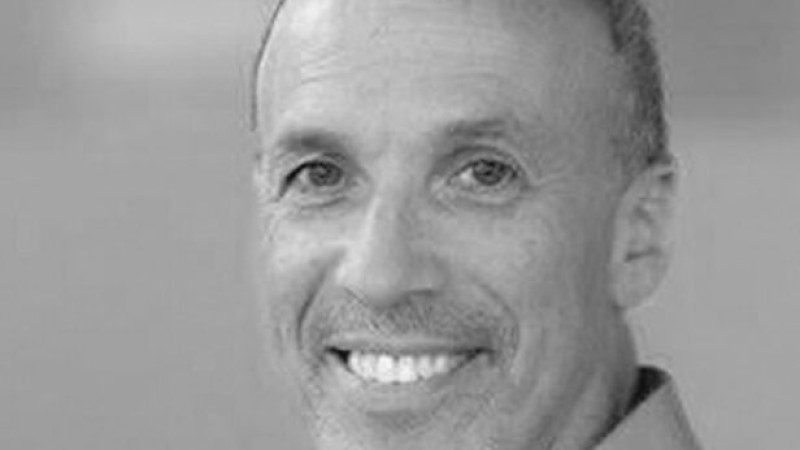
Joel Barrish is the President and CEO of Avilar Therapeutics, a Waltham, Massachusetts-based biotechnology company pioneering extracellular protein degradation. A medicinal chemist by training with a Ph.D. from Columbia University, Barrish spent 28 years at Bristol Myers Squibb rising to VP and Global Head of Discovery Chemistry, co-inventing blockbuster drugs including SPRYCEL (dasatinib) for leukemia. After stints as CSO at Achillion Pharmaceuticals and co-founder/President at Jnana Therapeutics, he founded Avilar in 2019 to build the ATAC and MTAC platforms - bifunctional molecules that hijack the body's own cellular recycling machinery to degrade disease-causing proteins outside the cell, a class of targets previously undruggable. Avilar has raised $75 million in total seed financing.

AltruBio Inc.
AltruBio is a clinical-stage San Francisco biotech developing first-in-class immune checkpoint enhancer antibodies for autoimmune and inflammatory diseases. Its lead program, ALTB-268, targets PSGL-1 to restore T-cell homeostasis, and is advancing through mid-stage trials in ulcerative colitis. The company rebranded from AbGenomics in 2020 under CEO Judy Chou and closed an oversubscribed $225M Series B in 2024.
Lycia Therapeutics
Lycia Therapeutics is a South San Francisco biotech building lysosomal targeting chimeras (LYTACs) - bifunctional molecules that drag disease-driving extracellular and membrane proteins into the cell's lysosomes for destruction. Founded in 2019 out of the lab of Nobel laureate Carolyn Bertozzi, Lycia is advancing a pipeline of autoimmune and inflammatory disease therapies, backed by $226M+ in venture capital and a strategic discovery collaboration with Eli Lilly.
Örn Almarsson
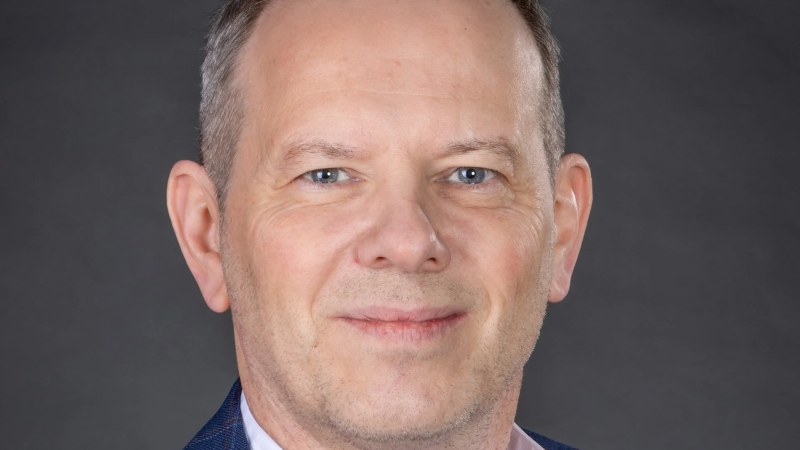
Örn Almarsson is the co-founder and CEO of Axelyf, an Icelandic-American biotech building next-generation lipid nanoparticles to deliver RNA medicines beyond the liver. Before Axelyf he ran the delivery sciences team at Moderna from 2013 to 2020, helping engineer the components behind the Spikevax COVID-19 vaccine, after earlier stints at Merck and Alkermes. A bioorganic chemist by training, he is the co-author of more than 70 publications and over 60 patents, and is now pairing a proprietary lipid library with a machine-learning model called ANNA to crack the hardest problem in RNA medicine: delivery.

AvenCell Therapeutics
AvenCell Therapeutics is a clinical-stage cell therapy company building switchable, universal CAR-T treatments that can be turned 'off' and 'on' even after they are inside a patient. By pairing this controllable switch with a CRISPR-engineered, off-the-shelf allogeneic platform, AvenCell aims to widen the narrow safety window of conventional CAR-T while cutting the cost and wait time of manufacturing, targeting hard-to-treat blood cancers like AML, B-cell malignancies and, increasingly, autoimmune disease.
GentiBio
GentiBio is a clinical-stage biotechnology company in Cambridge, Massachusetts building engineered regulatory T cell (EngTreg) therapies designed to restore immune tolerance and durably treat autoimmune, autoinflammatory, alloimmune, and allergic diseases. Spun out of research from Seattle Children's, Benaroya Research Institute, and MIGAL Galilee Research Institute, the company combines gene editing of FOXP3 with a modular Treg engineering and manufacturing platform. Its lead program, GNTI-122, is an autologous antigen-specific Treg therapy for recently diagnosed type 1 diabetes now in a Phase 1 trial (POLARIS). GentiBio has raised roughly $177M and signed a partnership with Bristol Myers Squibb worth up to $1.9B in potential milestones.
Andy Kidd
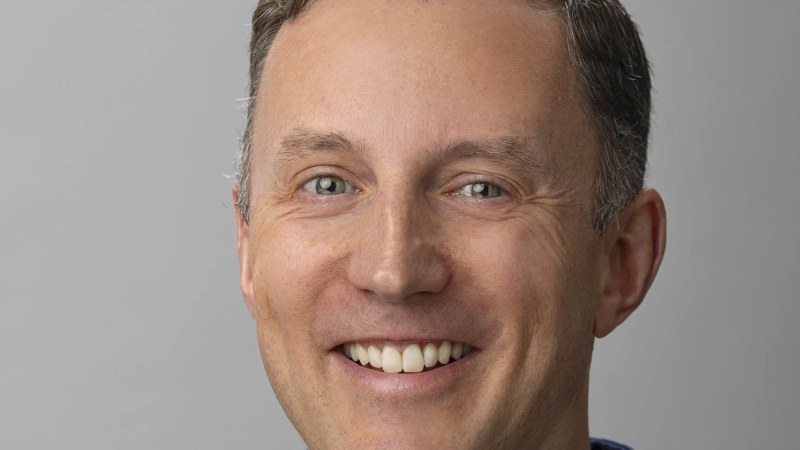
Andy Kidd is the chief executive officer of Tentarix Biotherapeutics, a San Diego company building conditionally active multispecific biologics for oncology and autoimmune disease through its Tentacles platform. A physician turned operator, he carries an unusual pairing of credentials - an M.D. from Oxford and a CFA - and spent over two decades crossing from the consulting room into the boardroom, from Boston Consulting Group to Baxter International to the helm of Nasdaq-listed Aptinyx, which he took public. He stepped into the Tentarix CEO seat in April 2024 to scale a science-heavy startup backed by partnerships with Gilead and AbbVie.

Nilo Therapeutics
Nilo Therapeutics is a New York-based biotechnology company developing a new class of medicines that target the brain-body neural circuits regulating the immune system. Building on discoveries that identified specific vagal neurons controlling systemic inflammation, Nilo aims to restore immune homeostasis centrally rather than broadly suppress the immune system, offering a differentiated approach to treating autoimmune and inflammatory disease. The company launched out of stealth in October 2025 with a $101 million Series A.
Jason Cole
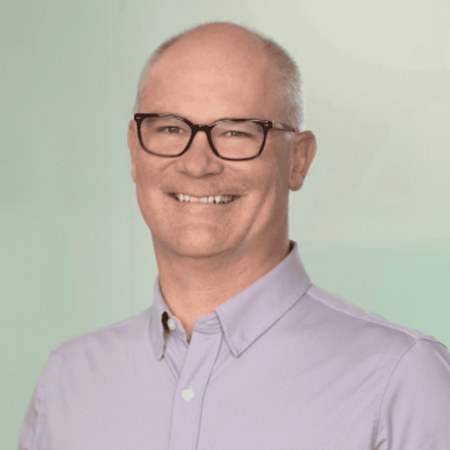
Jason F. Cole is the founding CEO and board member of Zag Bio, a Cambridge, Massachusetts biotech that launched in October 2025 with $80 million to develop thymus-targeted medicines for autoimmune diseases, starting with Type 1 diabetes. A lawyer by training with a J.D. from Columbia and an A.B. in Government from Dartmouth, Cole has spent more than two decades in biotech operations and finance. At bluebird bio he helped grow the company from roughly 100 to 1,200 employees, raised over $3.7 billion in equity financings, and helped deliver multiple first-in-class gene and cell therapies to patients. He most recently led SalioGen Therapeutics as CEO and Board Chair, and serves as Vice Chair of the MassBio board.

Tentarix Biotherapeutics
Tentarix Biotherapeutics is a San Diego biotech building conditionally active, multispecific biologics that switch on only at the cells where they are needed. Its proprietary stack - the VH-Select stabilized human VH scaffold, Tentacles multifunctional molecules, and the FunctionSeq mammalian-display screening engine - lets the company discover therapies with high cell selectivity and a wider therapeutic index across oncology, immuno-oncology, and autoimmune disease. Backed by Versant Ventures, Samsara BioCapital, Amplitude Ventures, and Gilead Sciences, and partnered with AbbVie and Gilead.

Zag Bio
Zag Bio is a Cambridge, Massachusetts biotechnology startup pioneering thymus-targeted medicines for autoimmune disease. Founded and incubated by Polaris Partners and launched in October 2025 with an $80M Series A, the company designs bifunctional antibodies that ferry self-antigens directly into the thymus - the organ that trains immune cells - to re-teach the body to tolerate its own tissue rather than attack it. Its lead program, ZAG-101, aims to prevent or delay Type 1 diabetes by inducing durable, antigen-specific central tolerance instead of broad immunosuppression.

Keythera Pharmaceuticals Co., Ltd
Keythera (Suzhou) Biopharmaceuticals is a clinical-stage biotech building first-in-class small molecule drugs for cancer and autoimmune disease. Its core edge is ADMS - Affinity Detection by Mass Spectroscopy - an affinity-based high-throughput screening platform that can screen up to 250,000 compounds per day per workstation and fuses bioinformatics, structural chemistry, computer-aided drug design and AI to find and optimize drug candidates faster and at lower risk. Founded in 2020 by industry veteran Dr. Yongqi Deng, the company has built six pipelines, advanced its lead EP4 antagonist KF-0210 into the clinic, and raised roughly RMB 100M in Series A funding.

Mirador Therapeutics
Mirador Therapeutics is a San Diego precision-medicine company building first- and best-in-class therapies for immune-mediated inflammatory and fibrotic diseases. Its Mirador360 engine fuses human genetics, multi-modal patient data, AI and advanced analytics to find novel targets, design combination therapies and identify the patients most likely to respond. Founded in 2024 by the former Prometheus Biosciences leadership team, Mirador launched with more than $400 million and has since raised over $650 million total.
Josh Carle
Josh Carle is the Chief Business Officer of Hinge Bio, a Burlingame, California biotech building multivalent, multispecific antibody therapies on its GEM-DIMER platform. A dealmaker by trade, he has led or advised more than fifty strategic transactions worth over $2 billion in disclosed deal value, moving from Pfizer Oncology and Daiichi Sankyo to immuno-oncology startup Triumvira before joining Hinge Bio in January 2023 to steer its lead lupus program toward the clinic.
BreezeBio
BreezeBio (formerly GenEdit) is a Brisbane, California-based biotechnology company that develops precision genetic medicines using its proprietary NanoGalaxy platform - a library of polymer nanoparticles capable of delivering genetic payloads like mRNA, siRNA, and CRISPR components to specific tissues without triggering immune responses. Unlike viral vectors that can only be dosed once and often provoke dangerous immune reactions, BreezeBio's non-viral approach allows repeat dosing, broad payload flexibility, and tissue selectivity across immune cells, heart, lung, and CNS. Founded in 2016 out of UC Berkeley by CEO Dr. Kunwoo Lee and CTO Dr. Hyo Min Park, the company rebranded from GenEdit in early 2026 following its $60M Series B, signaling a shift from delivery-platform licensor to full therapeutic developer with a lead program (BRZ-101) targeting Type 1 Diabetes.
Orca Bio
Orca Bio is a late-stage biotechnology company in Menlo Park, California, building high-precision allogeneic cell therapies. Its proprietary single-cell sorting platform purifies donor immune and stem cells to engineer optimized therapeutic mixtures aimed at curing blood cancers and autoimmune diseases, with its lead candidate Orca-T currently under FDA priority review.

Arthur T. Sands
Arthur T. Sands, M.D., Ph.D., is the President and CEO of Nurix Therapeutics, a clinical-stage biopharmaceutical company pioneering targeted protein degradation medicines. A co-founder of Lexicon Pharmaceuticals in 1995, he spent 19 years transforming that company from a research startup into a drug-development enterprise generating over $450 million in revenue. At Nurix, he leads efforts to deploy a proprietary DEL-AI platform - combining DNA-encoded libraries with machine learning - to discover and develop small-molecule degraders and degrader-antibody conjugates for cancer and inflammatory diseases. The company's lead asset, bexobrutideg (a BTK degrader), entered pivotal Phase 2 development in 2025 with an 83% objective response rate in relapsed CLL patients.
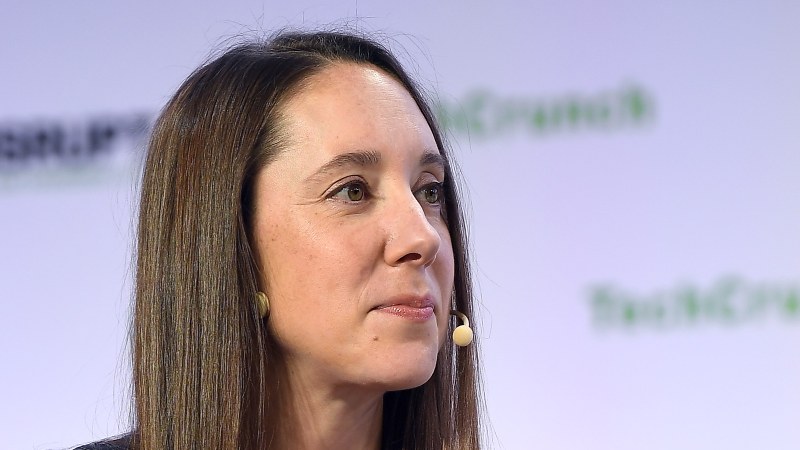
Rachel Haurwitz
Rachel Haurwitz is the President and CEO of Caribou Biosciences, a clinical-stage biopharmaceutical company she co-founded in 2011 with Nobel laureate Jennifer Doudna and colleagues Martin Jinek and James Berger. A pioneer in CRISPR commercialization, Haurwitz earned her PhD from UC Berkeley under Doudna's mentorship — she was the first student in the lab to work on CRISPR — and pivoted from academia to industry to bring genome-editing technology to patients. Under her leadership, Caribou has developed a proprietary Cas12a-based platform (chRDNA technology) enabling precise, multiplex genome editing for off-the-shelf allogeneic CAR-T and CAR-NK cell therapies targeting blood cancers and autoimmune diseases. She also co-founded Intellia Therapeutics in 2014 and has been recognized on Forbes 30 Under 30, Fortune 40 Under 40, and featured in Walter Isaacson's bestseller 'The Code Breaker.'
Judy Chou
Dr. Judy Chou is the President, CEO, and Board Member of AltruBio Inc., a clinical-stage biotech company in San Francisco pioneering a first-in-class immune checkpoint enhancer platform targeting PSGL-1/CD162 to treat autoimmune diseases. With over 25 years of experience spanning Bayer Pharmaceuticals, Pfizer, Genentech, and Wyeth, she led AltruBio through a landmark $225M Series B financing in 2024 and is advancing lead candidate ALTB-268 through Phase 2 trials for ulcerative colitis. Recognized as one of Endpoints News' Top 20 Women in Biopharma (2025) and a Most Influential Women in Business honoree (San Francisco Business Times, 2018), she holds a Ph.D. from Yale University and conducted post-doctoral training at the Max-Planck Institute in Germany.
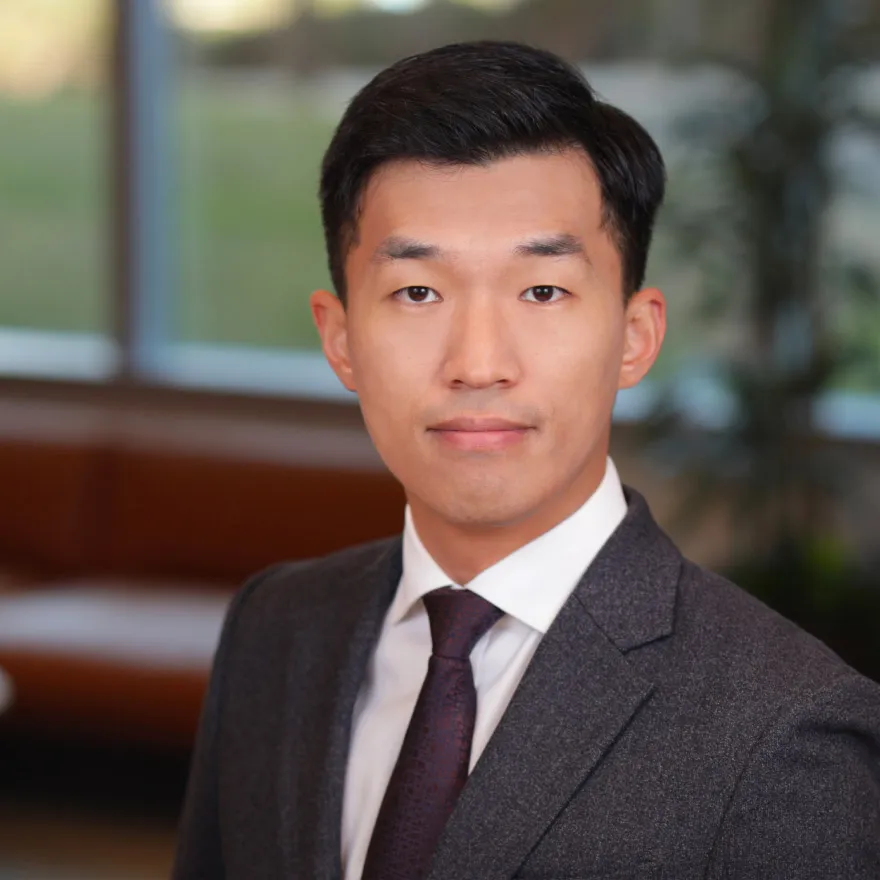
Kunwoo Lee
Kunwoo Lee is the CEO and Co-founder of BreezeBio (formerly GenEdit), a Brisbane, California-based biotech company pioneering non-viral gene delivery through its proprietary NanoGalaxy platform. A Siebel Scholar and Forbes 30 Under 30 honoree who earned his PhD from UC Berkeley-UCSF Joint Program in Bioengineering, Lee co-founded GenEdit in 2016 alongside Professor Niren Murthy and fellow researcher Hyo Min Park, building out a polymer nanoparticle library of thousands of chemically distinct compounds capable of delivering diverse genetic payloads to specific tissues. The company has raised over $118 million including a $60M Series B in February 2026, struck a landmark $644M collaboration deal with Genentech, and rebranded to BreezeBio to signal its pivot from platform company to clinical-stage therapeutics developer advancing BRZ-101 for Type 1 Diabetes.