mrna
(15)
The Copy Machine That Biology Forgot
For decades, scientists have hired bacteria to copy DNA. Elegen built a faster copy room with no cells inside - and turned a biological bottleneck into a six-day delivery business.

Amy Mahery Learned the Business by Moving Toward the Hard Parts
Her career began with a rugby conversation in an airport lounge. Two decades later, the Moderna marketing chief still treats curiosity, range and access to information as operating tools.
Moderna Designed Its COVID Vaccine in Two Days. The Hard Part Took Ten Years.
The Cambridge biotech turned messenger RNA from a lab curiosity into a platform for printing medicines from genetic code - vaccines, cancer shots, and rare-disease drugs that share one factory and swap out the instructions.
DNA Script
DNA Script is a French life-sciences technology company that pioneered Enzymatic DNA Synthesis (EDS) and built the SYNTAX System, the first benchtop DNA printer that lets researchers make custom DNA oligonucleotides on-site in hours instead of waiting days for outsourced orders. Founded in 2014 in Le Kremlin-Bicetre near Paris, the company aims to make biology programmable by putting rapid, template-free DNA production directly on the lab bench.

Portal Biotechnologies
Portal Biotechnologies is a Watertown, Massachusetts cell-engineering platform company building tools that push complex cargo - mRNA, siRNA, CRISPR complexes, proteins - into living cells by squeezing them through microscopic holes in a silicon surface, rather than relying on viruses or chemistry. Founded in 2023 by Armon Sharei, the MIT-trained scientist behind SQZ Biotechnologies, Portal sells hardware and consumables to drug discovery and cell therapy labs instead of developing its own drugs. Its instruments are used across more than 100 customer sites, including many of the world's largest pharmaceutical companies, and the company has raised seed and follow-on funding plus a DARPA contract for portable, point-of-care cell manufacturing.
Christian Cobaugh
Christian Cobaugh is a molecular biologist turned biotech operator who has spent more than 15 years at the frontier of genetic medicines. In January 2026 he became CEO of Alloy Genetic Medicines, the nucleic-acid division of Alloy Therapeutics, where he leads work on the AntiClastic cyclic nucleic acid platform for ASOs, siRNA, and other RNA therapeutics. He is best known for founding Vernal Biosciences, an mRNA contract manufacturer he built in Colchester, Vermont, on the premise that everyone who needs mRNA should be able to get it. Before Vernal he was the first scientist in the Alexion-Moderna mRNA partnership and held discovery, development, and manufacturing roles at Arcturus Therapeutics, CRISPR Therapeutics, Translate Bio, and Omega Therapeutics.
Jacob Becraft
Jacob 'Jake' Becraft is the co-founder and CEO of Strand Therapeutics, a Boston biotech building the first programmable platform for mRNA medicines. Trained as a synthetic biologist at MIT, he helped invent what he calls a 'programming language for mRNA' - genetic circuits that let a drug make decisions inside the body, switching on only where and when it should. Strand's lead candidate, a self-replicating mRNA that instructs tumors to produce their own IL-12, delivered early complete responses in a first-in-human trial. Becraft has raised more than $400 million to chase the idea that programming biology will be as transformative for medicine as software was for computing.
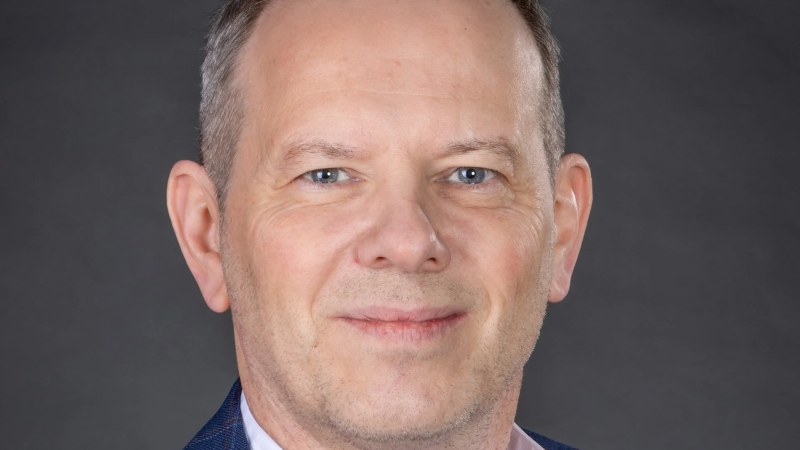
Örn Almarsson
Örn Almarsson is the co-founder and CEO of Axelyf, an Icelandic-American biotech building next-generation lipid nanoparticles to deliver RNA medicines beyond the liver. Before Axelyf he ran the delivery sciences team at Moderna from 2013 to 2020, helping engineer the components behind the Spikevax COVID-19 vaccine, after earlier stints at Merck and Alkermes. A bioorganic chemist by training, he is the co-author of more than 70 publications and over 60 patents, and is now pairing a proprietary lipid library with a machine-learning model called ANNA to crack the hardest problem in RNA medicine: delivery.

HelixNano
HelixNano is a Cambridge/Boston-based biotechnology company building what it calls the world's most advanced mRNA platform - combining synthetic biology and machine learning to make vaccines and therapies that augment the immune system. Founded in 2014 by sci-fi novelist and mathematician Hannu Rajaniemi and synthetic biologist Nikolai Eroshenko, the Y Combinator-backed startup has pursued variant-resistant COVID-19 vaccine candidates and machine-learning-designed personalized cancer vaccines built on 'precision neoantigens'.
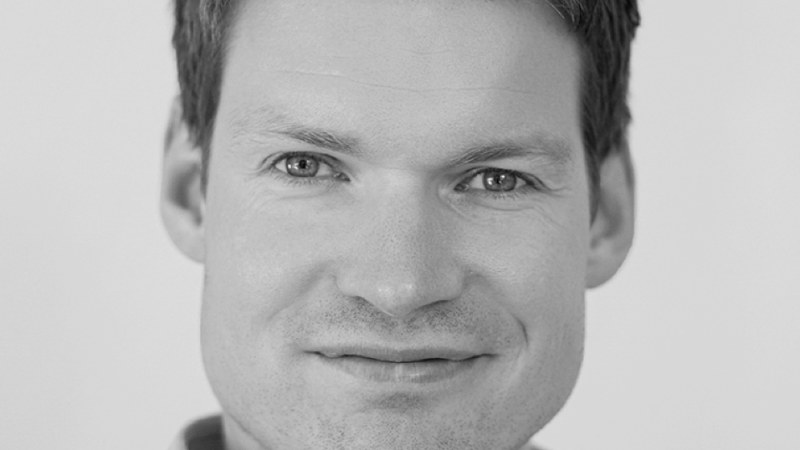
Hannu Rajaniemi
Hannu Rajaniemi is a Finnish-born mathematical physicist who became a celebrated science fiction novelist and then a biotech CEO. He wrote the post-human heist novel The Quantum Thief, translated into more than 20 languages, and co-founded HelixNano, a synthetic-biology startup building an advanced mRNA platform aimed at programmable vaccines and personalized cancer therapies. He runs the company as co-founder and CEO while continuing to publish fiction.
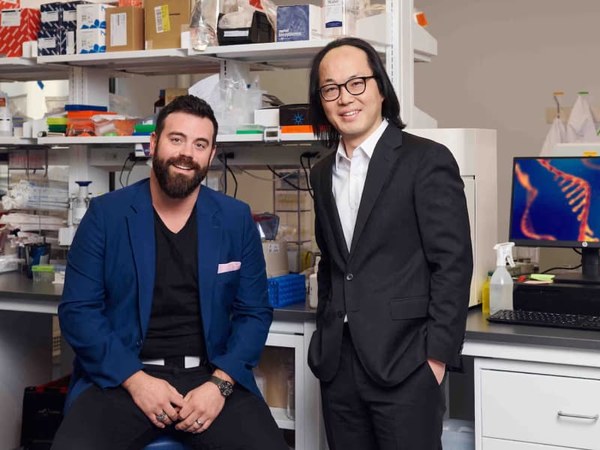
Strand Therapeutics
Strand Therapeutics is a clinical-stage biotech building 'programmable' mRNA medicines - drugs engineered with logic circuits so they switch on the right protein, in the right cell, at the right time. Spun out of MIT in 2017 by synthetic biologists who wrote the first programming language for mRNA, Strand's lead candidate STX-001 is a self-replicating mRNA that makes tumors manufacture their own IL-12, turning cold cancers hot from the inside. Backed by Kinnevik, Regeneron, Amgen and Eli Lilly with over $250M raised.

Vincent Ling
Vincent Ling is the Chief Business Officer of Morphocell Technologies, a Laval-based regenerative medicine company building iPSC-derived engineered tissues to treat severe organ dysfunction, starting with liver disease. A biotech and pharma veteran of three decades, he spent 12 years at Takeda's Center for External Innovation, where he identified and backed the Kariko-Weissman mRNA platform out of the University of Pennsylvania - the science that became the first COVID mRNA vaccines and earned the 2023 Nobel Prize. He has held leadership roles at Genetics Institute, Adnexus Therapeutics, and Neurotech Pharmaceuticals, and advises the Gates Foundation and academic institutions.

ReCode Therapeutics
ReCode Therapeutics is a clinical-stage genetic medicines company using its Selective Organ Targeting (SORT) lipid nanoparticle platform to deliver mRNA and gene-correction therapies beyond the liver. Its lead programs target cystic fibrosis and primary ciliary dyskinesia - rare respiratory diseases where existing modulators leave many patients without options.

David Lockhart
David J. Lockhart, Ph.D. is President and Chief Scientific Officer of ReCode Therapeutics, a clinical-stage biotech pioneering nonviral lipid nanoparticle (LNP) delivery of mRNA and gene-editing payloads to the lungs for genetic respiratory diseases including cystic fibrosis and primary ciliary dyskinesia. With more than 25 years in drug discovery and genomics — from co-founding Ambit Biosciences to leading science at Amicus Therapeutics — Lockhart brings rare-disease chops and deep genomics expertise to ReCode's SORT LNP platform, which has raised $345M and dosed its first patients in a Phase 1 PCD trial.
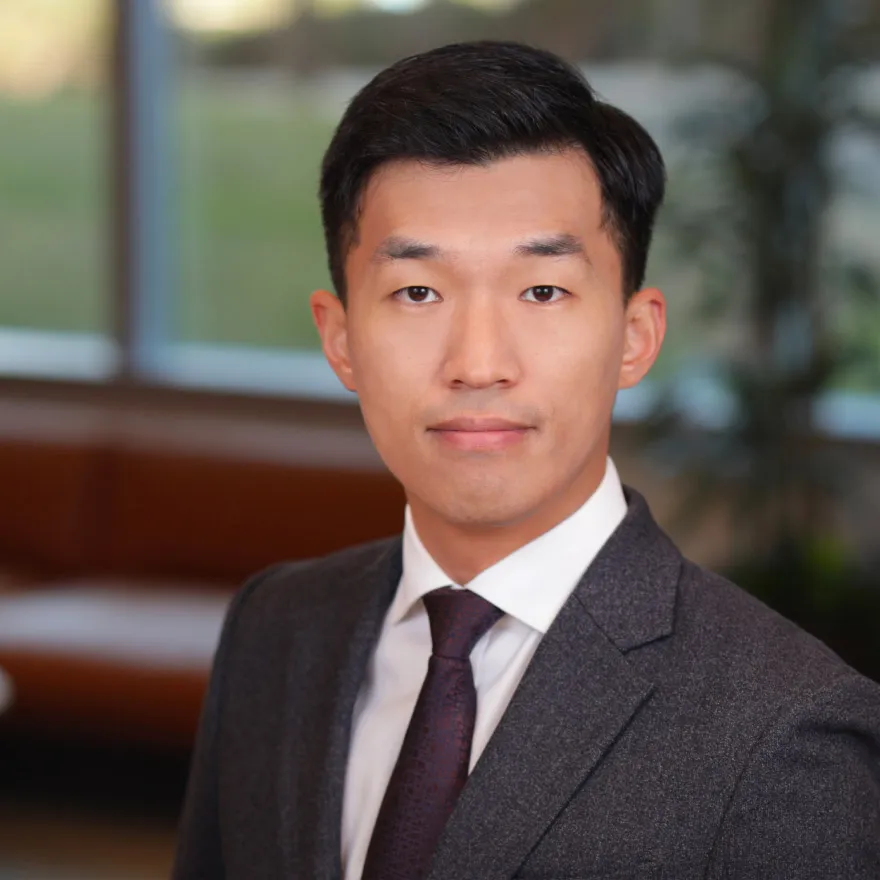
Kunwoo Lee
Kunwoo Lee is the CEO and Co-founder of BreezeBio (formerly GenEdit), a Brisbane, California-based biotech company pioneering non-viral gene delivery through its proprietary NanoGalaxy platform. A Siebel Scholar and Forbes 30 Under 30 honoree who earned his PhD from UC Berkeley-UCSF Joint Program in Bioengineering, Lee co-founded GenEdit in 2016 alongside Professor Niren Murthy and fellow researcher Hyo Min Park, building out a polymer nanoparticle library of thousands of chemically distinct compounds capable of delivering diverse genetic payloads to specific tissues. The company has raised over $118 million including a $60M Series B in February 2026, struck a landmark $644M collaboration deal with Genentech, and rebranded to BreezeBio to signal its pivot from platform company to clinical-stage therapeutics developer advancing BRZ-101 for Type 1 Diabetes.