dcvc
(10)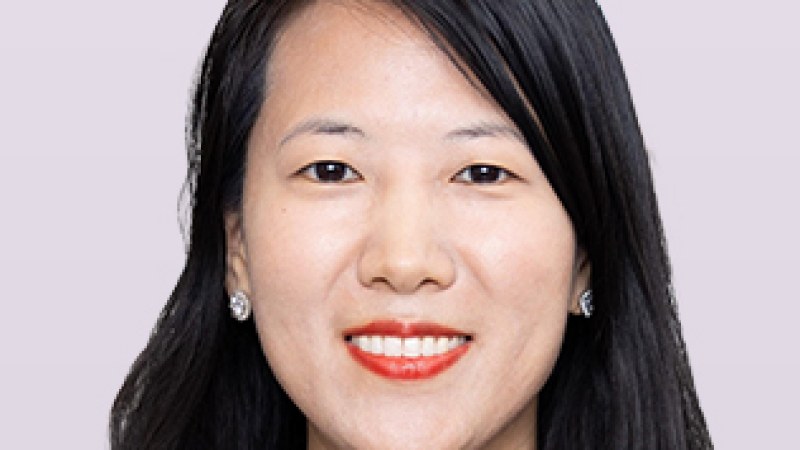
Li Sun
Li Sun is the founder and CEO of Shennon Biotechnologies, a San Francisco single-cell immunotherapy company that profiles millions of immune cells in hours to pinpoint the rare T cells and antibody targets that fight cancer. A physicist by training (PhD from Harvard's Weitz lab, M.Eng from MIT), she spent five years as a deep-tech venture investor at Bessemer and Foundation Capital before building the platform herself. Shennon emerged from stealth in March 2023 with a $13M seed round led by DCVC.
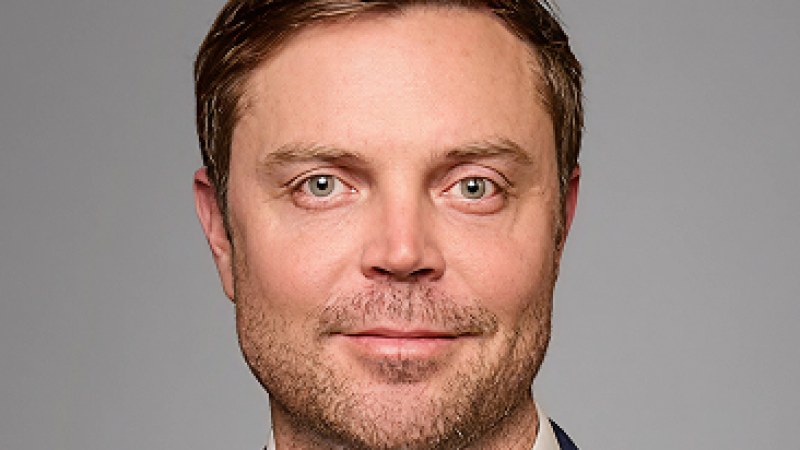
Nathan Ratledge
Nathan Ratledge is the co-founder and CEO of Alta Resource Technologies, a Boulder, Colorado startup using computationally designed proteins to pull rare earth elements out of low-grade ores, mine tailings, and electronic waste. A Stanford-trained economist and environmental scientist who once ran a poverty-and-electrification research agenda across East Africa, he pivoted from policy and academia to deep tech, betting that biology - not brute-force chemistry - is the way to break China's grip on the critical-mineral supply chain. Alta has raised about $10 million in seed funding from DCVC, Voyager Ventures, Orion Industrial Ventures and In-Q-Tel (the CIA's venture arm), and advanced to the final phase of DARPA's EMBER program alongside Lawrence Livermore National Laboratory.
Howard Yuh
Howard Yuh is a plasma physicist turned founder who is trying to break China's grip on magnesium by pulling the metal out of the ocean. As CEO and cofounder of Tidal Metals, the New Jersey deeptech he spun out of his earlier desalination venture GreenBlu, he uses an adsorption temperature-swing vapor pump - a trick borrowed from fusion research - to extract magnesium salt from seawater with only electricity, no mining, and no waste. The company raised $8.5M in seed funding led by DCVC in 2024 and won the World Economic Forum's Sustainable Mining Challenge the same year.
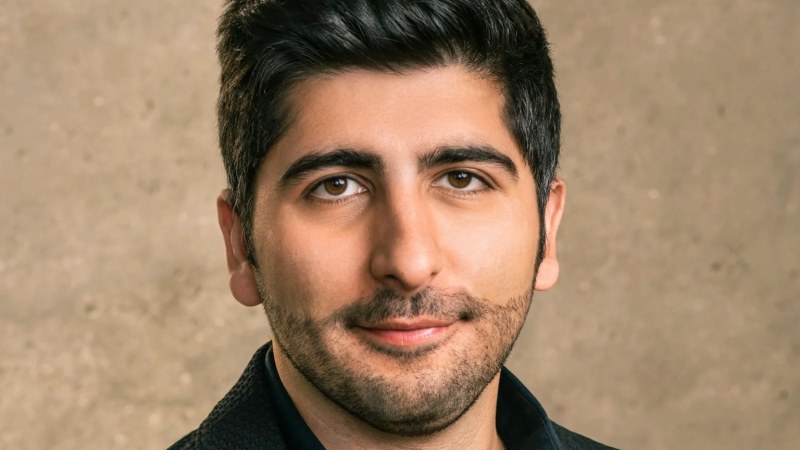
Ali Tamaseb
Ali Tamaseb is a General Partner at DCVC, the Palo Alto deep-tech venture firm, and the author of Super Founders, a bestselling, data-first dissection of what actually separates billion-dollar startups from the rest. A former hardware founder and biomedical engineer trained at Imperial College London, he hand-collected one of the largest startup datasets ever assembled - 30,000 data points across roughly 300 unicorns - and now backs founders across biotech, climate, fintech, and industrial AI.
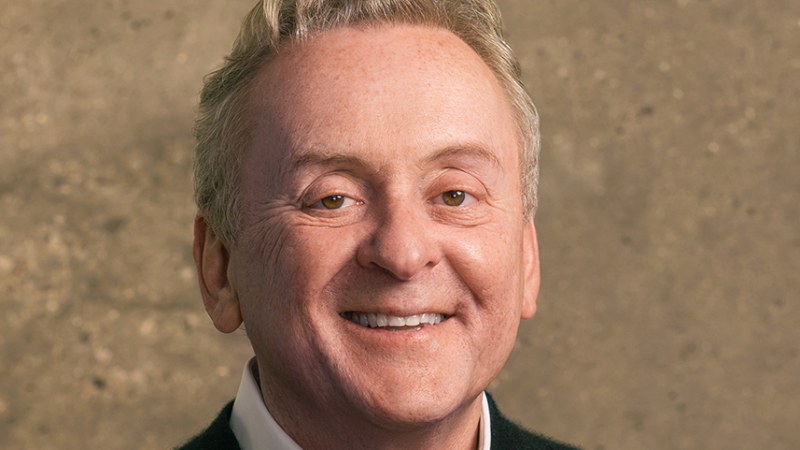
Alan Cohen
Alan Cohen is a General Partner at DCVC (Data Collective), the Palo Alto deep tech venture firm. He invests in AI-enabled health tech, energy, security, and enterprise companies after a 25+ year run as an operator at Cisco, Nicira, Airespace, and Illumio. He led DCVC's exits at Element AI, Evolv Technology, and Caption Health, and helped originate the firm's 'TechMed' thesis.
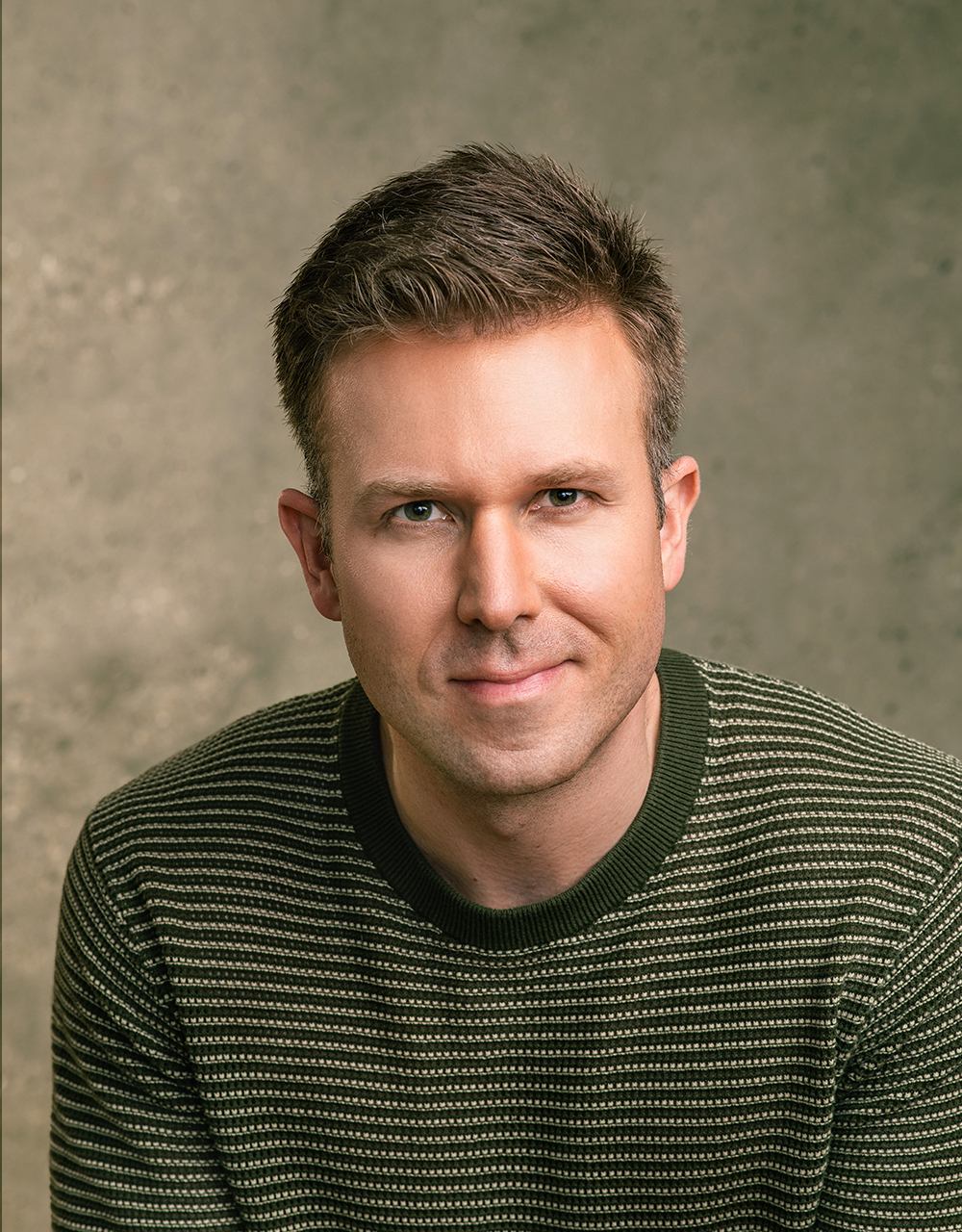
James Hardiman
James Hardiman is a General Partner at DCVC (Data Collective Venture Capital), a deep tech-focused VC firm based in Palo Alto. A physicist by training with a BS in Engineering Physics from UC Berkeley and an MBA from University of Chicago Booth, he has been investing at DCVC since 2013 - backing companies at the intersection of hard science and transformative industry applications. His portfolio spans AI-native biotech, quantum computing, industrial robotics, and advanced materials, with board seats at companies including Lumafield, Q-CTRL, NOETIK, and Slip Robotics. Promoted to General Partner in July 2023, Hardiman brings a rare combination of hands-on technical experience (Lam Research, semiconductor processing) and strategic consulting chops (ZS Associates in healthcare/biotech, Blackstone in M&A) to his work as a deep tech investor.
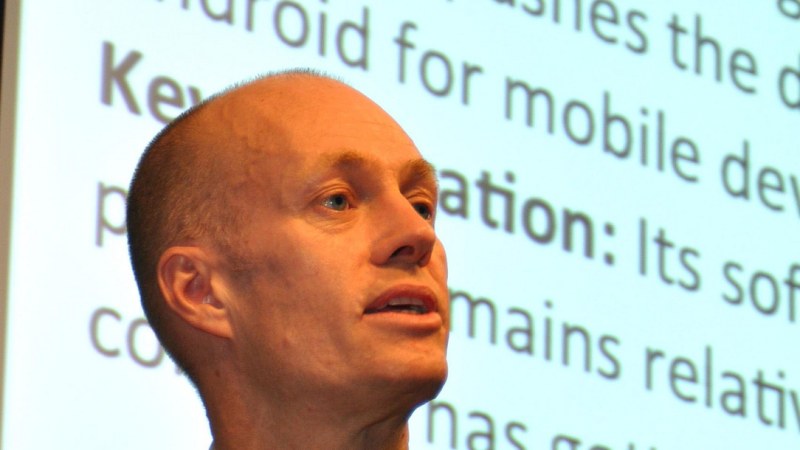
Jason Pontin
Jason Pontin is a General Partner at DCVC (Data Collective Venture Capital) in Palo Alto, where he leads communications and originates investments in early-stage computational biology and chemistry startups. A former journalist who spent 13 years transforming MIT Technology Review into a digital-first powerhouse and three years as Senior Partner at Flagship Pioneering, Pontin brings rare storytelling and scientific fluency to deep tech investing. He co-founded Totus Medicines, a chemical biology company targeting brain cancer, and sits on boards of companies working on DNA synthesis, AI-driven drug discovery, water purification, and lab automation.
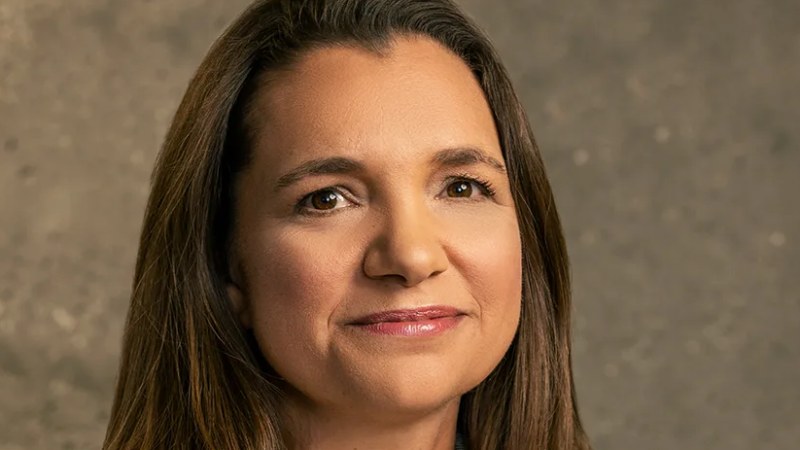
Milo Werner
Milo Werner is a General Partner at DCVC leading the firm's climate investments, bringing a rare combination of deep operational experience - nearly a decade at Tesla launching the Model S, Model X, and dual-motor powertrain - and a track record of venture investing at Khosla Ventures, Ajax Strategies, and MIT's The Engine. She founded The NextGen Industry Group, a nonprofit helping ~140 companies navigate the treacherous 'missing middle' between pilot production and commercial scale. At DCVC, she focuses on breakthrough deep tech ventures that decarbonize high-emitting industries and transform value chains.
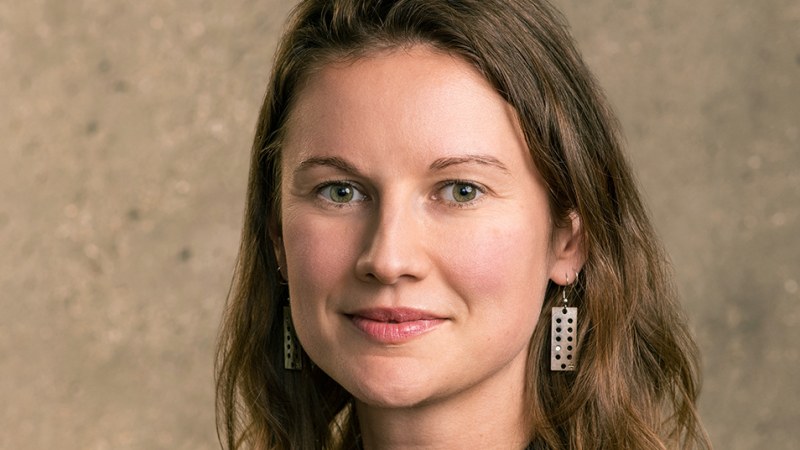
Rachel Slaybaugh
Rachel Slaybaugh is a General Partner at DCVC, the deep tech venture firm, where she leads climate, sustainability, and energy investments. A nuclear engineer by training - she once operated a reactor as an undergrad at Penn State - she spent eight years as a tenured Associate Professor at UC Berkeley, ran the Cyclotron Road accelerator division at Lawrence Berkeley National Laboratory, and served as a Program Director at the U.S. Department of Energy's ARPA-E, where she created the nuclear fission program and helped fund over 30 companies. She co-founded the Good Energy Collective and the Nuclear Innovation Bootcamp, and now backs companies like Fervo Energy, Brimstone, Radiant Industries, Zap Energy, Fourth Power, and Equilibrium Energy at DCVC.
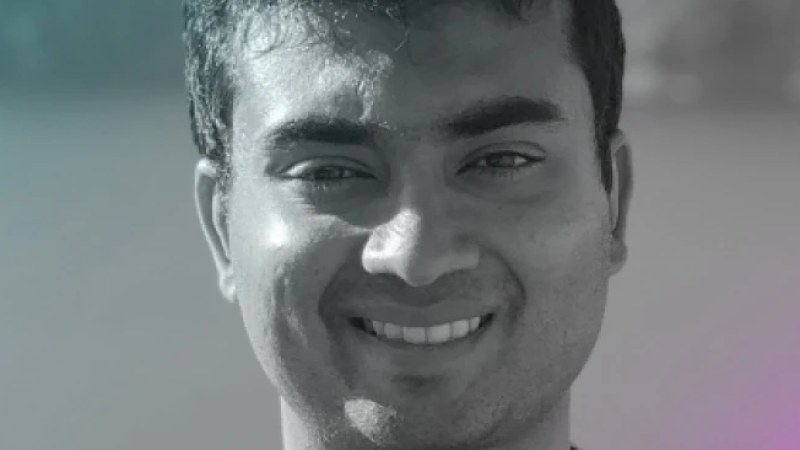
Anirudh Joshi
Anirudh Joshi is the co-founder and CEO of Valar Labs, a Palo Alto-based AI oncology company building tools that let doctors predict whether a specific cancer treatment will work before a patient wastes months on the wrong one. A biomedical engineer trained at Georgia Tech and Stanford, he previously built AI at Microsoft, PathAI, and Curai before co-founding Valar in 2021 with teammates from Stanford's AI in Medicine group. Valar raised $26M total, landing a $22M Series A from Andreessen Horowitz and DCVC in 2024, and its flagship test Vesta — predicting BCG therapy response in bladder cancer — is now live at 20 U.S. hospitals. Named to Forbes 30 Under 30 Healthcare 2025.