speech-to-text
(35)
For The Record and the $10 Courtroom
A court can preserve every word and still make its record painfully hard to use. For The Record built a business in that gap - and Tyler Technologies bought it to bring the recording closer to the case file.
The Game Character That Became an Infrastructure Company
Inworld set out to make video game characters worth talking to. The harder discovery was that every good conversation also has a latency budget - and a bill.
The Farmer, the Turmeric, and 30 Million Calls
A missed crop price pointed two engineers toward a language problem. Gnani.ai turned that problem into the machinery behind millions of enterprise conversations each day.

The Pause That Gave Smallest.ai Its Opening
A stalled reply can give away a voice bot before it says a word. Smallest.ai built its business around shortening that pause - then discovered that the real test was what happened after the caller answered back.
VIQ Solutions wants AI to do the typing. The record still needs a human.
Courts, police and insurers need words they can rely on. VIQ combines recording software, AI drafts and human editors - while an Australian retreat tests the business behind the transcript.
The Voice in the Machine Has Learned to Act
ElevenLabs can narrate a novel, dub a video, transcribe a meeting, score a scene, or answer the phone. The uncanny voice demo grew up into a serious audio workshop - and a bill you should understand before pressing Generate.
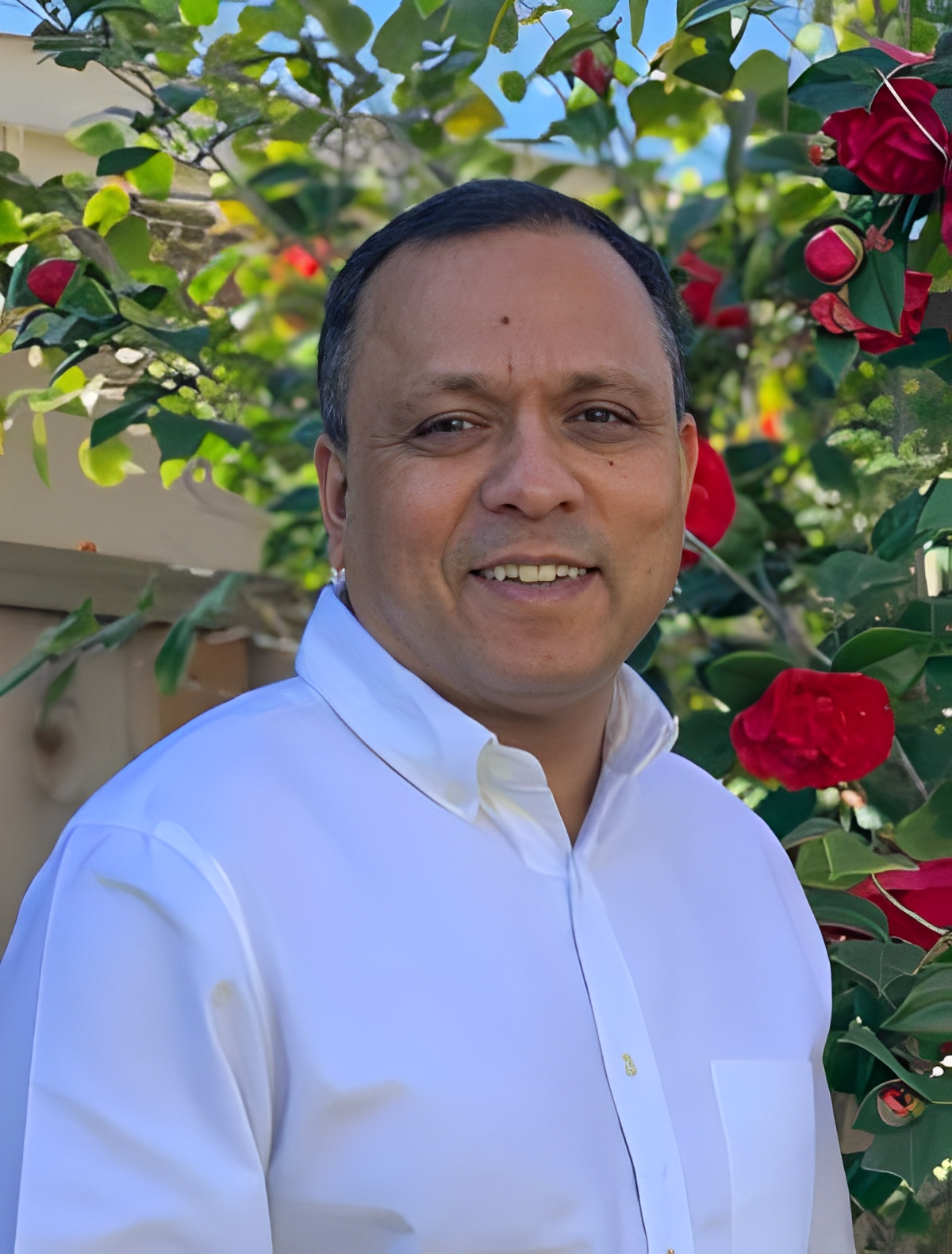
Lakshman Rathnam Turned One Silent Conference Into a Billion-Minute Translation Business
At a conference in Japan, a veteran hardware engineer discovered what exclusion sounds like. His answer was Wordly - software designed to let every listener choose the language of the room.

HyNote Built 20 Apps Before It Found the One Million-User Habit: Stop Taking Notes
The small Palo Alto team stopped treating transcription as the product. HyNote's wager is that the winner will own the whole trip from a whispered thought or messy PDF to an action item, quiz, slide deck or shareable page.
The Smart Speaker Grew a Mind of Its Own
OpenHome wants to be the operating system for every device that talks back - open source, running on your own hardware, with 10,000 developers already building the abilities.
The paperwork was killing the crew. Connixt handed them an app instead.
A 15-person, self-funded team in Cerritos built the maintenance app that field crews actually open - and got LA Metro, Metrolink and a Canadian grocery giant to trade their clipboards for it.
Modulate Wants AI to Hear What the Transcript Missed
The startup that learned to police Call of Duty voice chat is making a larger bet: the valuable part of a conversation is often the part a transcript throws away.

Interfaze
Interfaze is a San Francisco AI startup building a model purpose-built for deterministic developer tasks - OCR, web scraping, speech-to-text, object detection and classification - where consistency and verifiable output matter more than open-ended chat. Its hybrid architecture fuses specialized neural networks (CNN/DNN) directly into a transformer decoder, and the model ships as an OpenAI-compatible API with confidence scores, bounding boxes and metadata so developers can build rule-based systems on top. Founded by Yoeven Khemlani and Harsha Vardhan Khurdula, Interfaze is part of Y Combinator's 2026 batch and grew out of the team's earlier developer-API company, JigsawStack.
Kalpa Labs
Kalpa Labs is a San Francisco audio research lab building a generalist speech model - one system that handles speech-to-text, text-to-speech, voice cloning, and speech-in/speech-out reasoning with the kind of instruction-following and in-context learning that large language models brought to text. Founded in 2025 by ex-Google Assistant ML lead Prashant Shishodia and ex-high-frequency-trading engineer Gautam Jha, the company is a Y Combinator Fall 2025 startup aiming to collapse today's fragmented speech stack into a single, steerable model for developers and voice-agent builders.
Prosa.ai
Prosa.ai is an Indonesian deep-tech company that builds natural language processing and speech technology for Bahasa Indonesia. Founded in 2018 by ITB academics and an industry veteran, it develops NLP APIs, speech-to-text and text-to-speech engines, voice biometrics, chatbots and analytics that let banks, insurers, government agencies and enterprises understand and act on Indonesian-language text and voice data - a market largely underserved by global AI providers.
Aiera
Aiera is a New York-based generative-AI platform for financial research that sources, verifies, transcribes and summarizes corporate and investor events - earnings calls, conferences, shareholder meetings and macro announcements. Covering 50,000+ events across 15,000+ global equities each year, it pairs AI automation with human review to deliver transcripts that reach roughly 99.9% accuracy, plus live audio, sentiment analysis, search and enterprise APIs. Founded in 2018 by former Wall Street internet analyst Ken Sena and ex-Amazon Alexa engineer Bryan Healey, Aiera is used by asset managers, banks and research firms, and closed a $25M Series B in 2025 backed by ten of Wall Street's largest research houses with Microsoft as a strategic technology partner.
AssemblyAI
AssemblyAI is a San Francisco speech-AI company that builds and serves models turning audio and video into accurate text, plus higher-level 'audio intelligence' like summaries, sentiment, speaker labels, and PII redaction. Founded in 2017 by Dylan Fox, it sells a developer-first API used to add transcription, real-time streaming, and voice-agent capabilities to software. The company has raised more than $113M across seed to Series C and reports processing over a million hours of audio a day for customers ranging from startups to large enterprises.
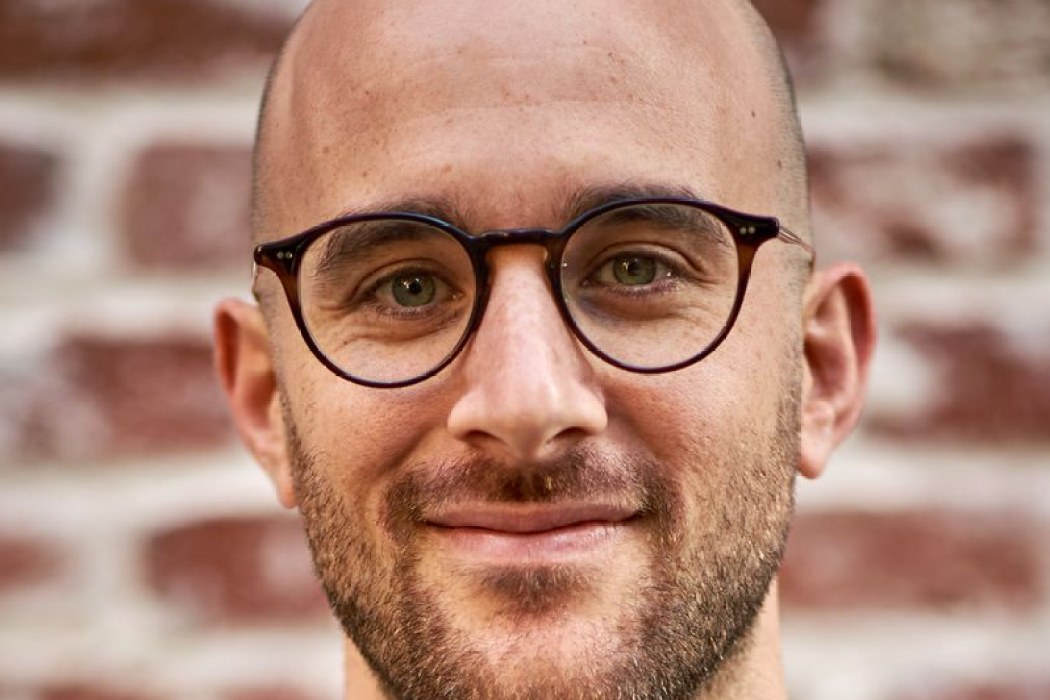
Dylan Fox
Dylan Fox is the founder and CEO of AssemblyAI, an AI research company building Speech AI models that transcribe and understand human speech through a developer-facing API. A former machine learning engineer at Cisco, he started AssemblyAI as a solo founder in 2017, went through Y Combinator, and grew it into a platform used by companies like Spotify, Zoom, and Fireflies.ai. The company processes tens of millions of API calls a day and has raised roughly $115M, including a $50M Series C led by Accel in December 2023.
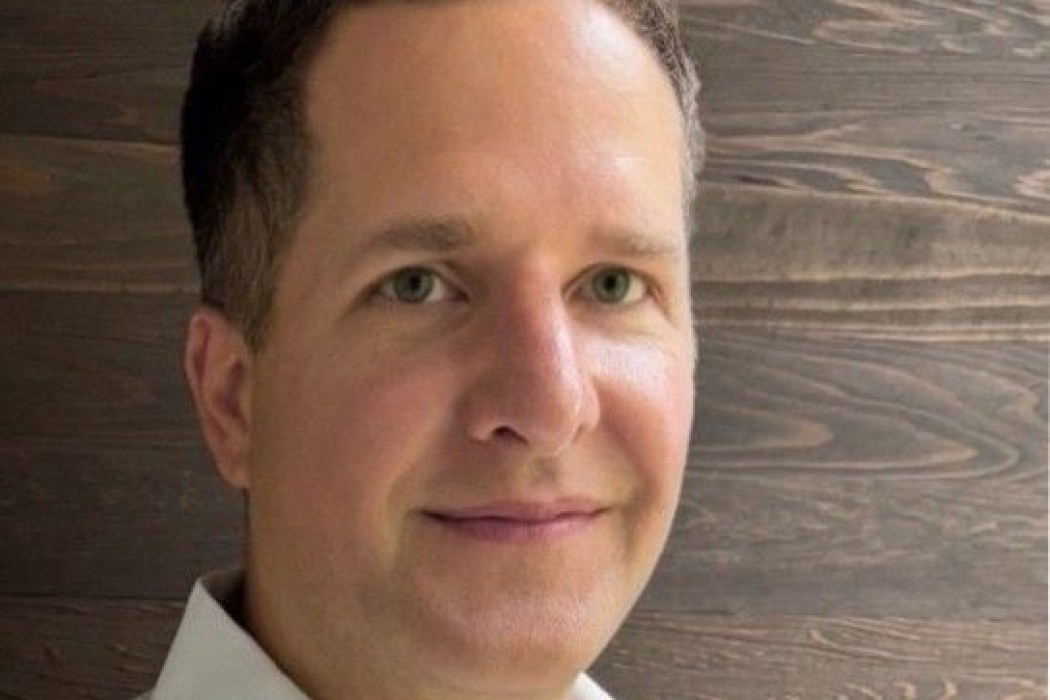
Ken Sena
Ken Sena is the CEO and co-founder of Aiera, a New York-based generative AI platform that turns earnings calls, investor presentations, and corporate events into real-time transcriptions, sentiment analysis, and decision-grade insights for institutional investors. A former Wall Street internet analyst who led global internet research coverage at Evercore ISI and Wells Fargo Securities, Sena launched Aiera in 2018 to apply machine learning to the research workflow he had spent two decades inside. The company now covers more than 13,000 equities, processes tens of thousands of public events a year, and closed a $25 million Series B in June 2025 backed by ten of Wall Street's largest research firms with Microsoft as its strategic technology partner.

Syllable
Syllable is a Mountain View, California company that builds, deploys, and manages AI voice and text agents, originally to automate patient communication for health system call centers and medical practices. Founded in 2016, it has expanded from healthcare-specific natural language understanding into a broader, model-neutral agentic platform that lets organizations build agents once and run them across any cloud with governance, analytics, and compliance built in. The company has raised roughly $81.7M+ across Seed through Series C, counts investors like TCV, Oak HC/FT, Verily, and Northwell, and acquired Actium Health in 2024.
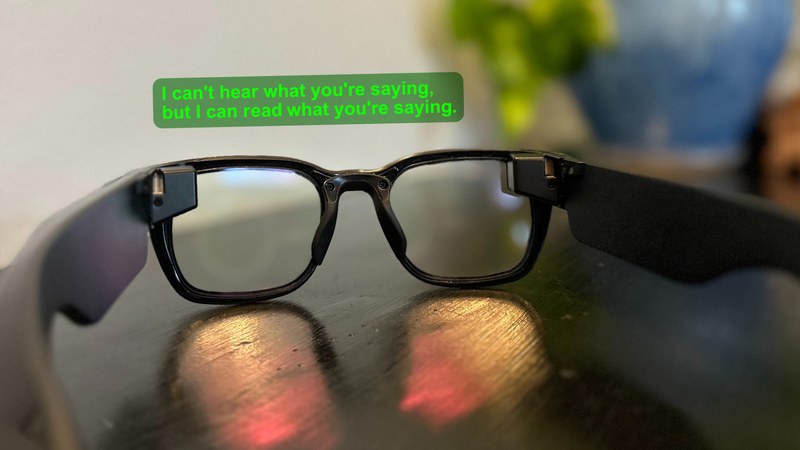
Xander
Xander builds XanderGlasses, standalone augmented-reality smart glasses that turn spoken conversation into real-time captions displayed in the wearer's field of view. Aimed at people with hearing loss who don't sign, the device runs speech-to-text offline - no phone, Wi-Fi, or cloud required - so private conversations stay private. An MIT Media Lab spinout founded by Alex and Marilyn Morgan Westner, Xander has been adopted by the U.S. Department of Veterans Affairs and is built on customized Vuzix Shield hardware.

Jason Chicola
Jason Chicola is the founder and CEO of Rev, the Austin-based speech-to-text company that pairs 50,000 freelance transcriptionists with best-in-class AI to turn spoken words into searchable text. An MIT-trained engineer who became the third employee at oDesk (now Upwork), he built Rev on a simple bet: people will pay for curated quality, and people everywhere want to work from home. Today Rev serves over 100,000 clients including 60% of the Fortune 500, and Chicola is steering the company toward AI tools for the legal system, where accuracy is not optional.
XL8.ai
XL8.ai is a Silicon Valley AI company building machine translation purpose-built for media and live events. Founded in 2019 by ex-Google and ex-Apple engineers, it turns video, audio and live speech into accurate subtitles, synthesized dubbing and real-time interpretation across 45+ languages. Its two flagship products - MediaCAT for localization workflows and EventCAT for live multilingual events - are used by language service providers, broadcasters, FAST channels and enterprises in 70+ countries, with the company reporting more than 800,000 hours of content and 2.2+ billion words translated.

Alex Westner
Alex Westner is the co-founder and CEO of Xander, a Raleigh-based startup building AR smart glasses that print live captions of in-person conversations directly into the wearer's field of view. An MIT Media Lab-trained audio engineer who spent nearly two decades shipping sound software (including the Emmy-winning iZotope RX, nicknamed the Photoshop for Sound), Westner now turns his obsession with the cocktail party problem into a self-contained, no-cloud, no-phone device that helps people follow conversations they can no longer fully hear.

Allan Guo
Allan Guo is the co-founder and CEO of Willow, a San Francisco AI voice-dictation app that lets you write anywhere on your computer by talking. A Stanford CS student who dropped out as a freshman to build a healthcare startup, he pivoted more than ten times before landing on voice as the interface. Willow, part of Y Combinator's Spring 2025 batch, raised $4.2 million led by BoxGroup with backing from founders at Instacart, Shopify, HubSpot and Gusto. Guo's pitch is blunt: the keyboard is the last slow thing on a fast computer, and he intends to kill it.
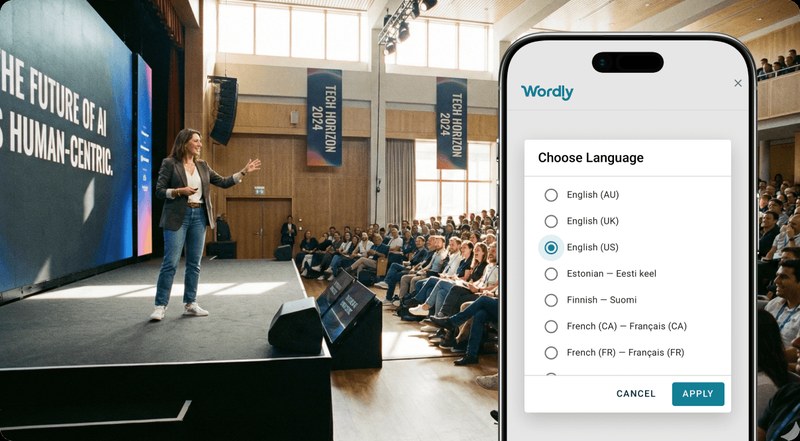
Wordly
Wordly is a San Francisco Bay Area company that delivers cloud-based, AI-powered live translation, captioning, transcription and summaries for meetings and events. Without apps, headsets or human interpreters, attendees scan a QR code and follow along in their own language across 60+ languages and 3,000+ language pairs. Founded in 2017 by Lakshman Rathnam, Wordly serves 4,000+ customers and has supported over 5 million users worldwide, and was ranked among the fastest-growing software companies on the 2025 Inc. 5000 list.
Rev
Rev is an American speech-to-text company that pairs the world's most accurate AI speech recognition with a global network of human transcriptionists to deliver transcription, captions, and subtitles at up to 99% accuracy. Founded in 2010 by six MIT-connected entrepreneurs, Rev serves over 100,000 customers and more than a million users across legal, media, education, and enterprise, and has increasingly focused its AI on the legal market with tools for depositions, evidence, and case prep.
Nagish
Nagish is a New York-based assistive-technology company that uses proprietary AI to caption phone calls in real time, converting speech to text and text to speech so people who are deaf or hard of hearing can make and receive calls independently and privately - without a human relay operator. Its name means 'accessible' in Hebrew. The company is one of the few firms certified by the FCC to provide telecommunication relay services and offers its consumer app for free.

Tomer Aharoni
Tomer Aharoni is the co-founder and CEO of Nagish, a New York startup using AI to caption phone calls in real time so Deaf and hard-of-hearing people can place and receive calls by typing and reading, with no human operator in the loop. The idea began with a phone ringing during a class at Columbia and a question he couldn't shake: how do you take a call if you can't hear or speak? Nagish (Hebrew for 'accessible') is now FCC-certified, offered free to users through federal subsidies, and has raised $16 million. Aharoni builds the product hand-in-hand with the Deaf community and is now pushing into AI sign-language translation.

Deepgram
Deepgram builds foundational voice AI - speech-to-text, text-to-speech, and full voice-agent APIs - used by more than 1,300 enterprises including NASA, Spotify, Twilio and Citibank to give machines the ability to listen, understand, and respond in real time.
Krisp
Krisp is a voice AI company that strips background noise, voices, and echo from live calls using deep learning, then layers transcription, meeting notes, accent conversion, and real-time translation on top. Founded in 2017 by ex-Twilio engineers, it now processes 75+ billion minutes of audio a month for contact centers, BPOs, Discord, and millions of remote workers.