speech-to-text
(9)
Lakshman Rathnam Turned One Silent Conference Into a Billion-Minute Translation Business
At a conference in Japan, a veteran hardware engineer discovered what exclusion sounds like. His answer was Wordly - software designed to let every listener choose the language of the room.
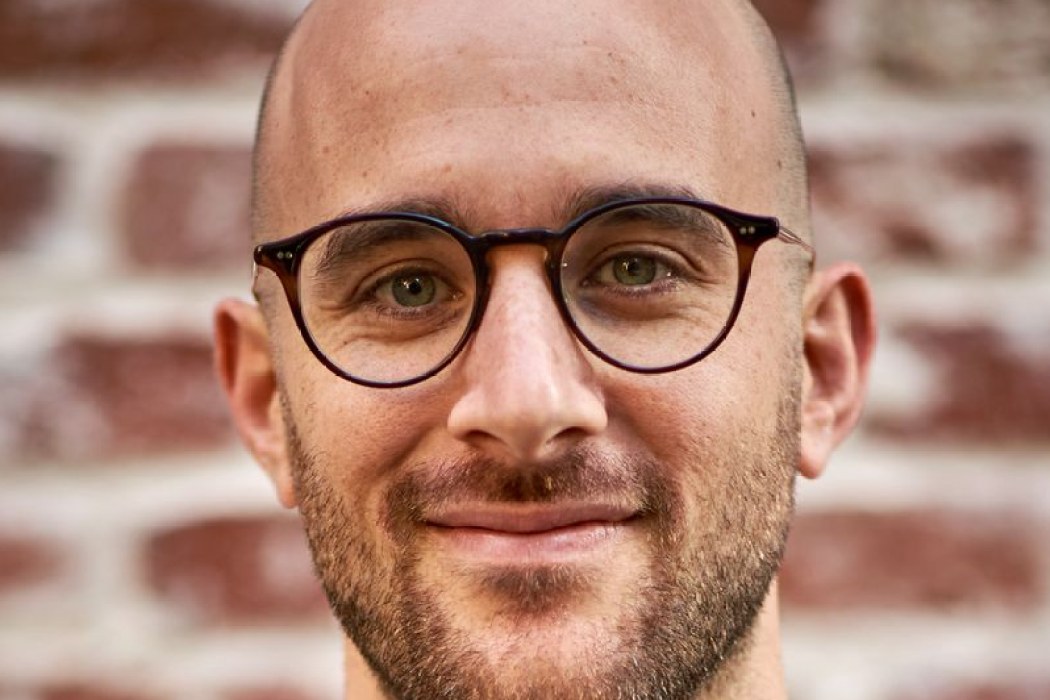
Dylan Fox
Dylan Fox is the founder and CEO of AssemblyAI, an AI research company building Speech AI models that transcribe and understand human speech through a developer-facing API. A former machine learning engineer at Cisco, he started AssemblyAI as a solo founder in 2017, went through Y Combinator, and grew it into a platform used by companies like Spotify, Zoom, and Fireflies.ai. The company processes tens of millions of API calls a day and has raised roughly $115M, including a $50M Series C led by Accel in December 2023.
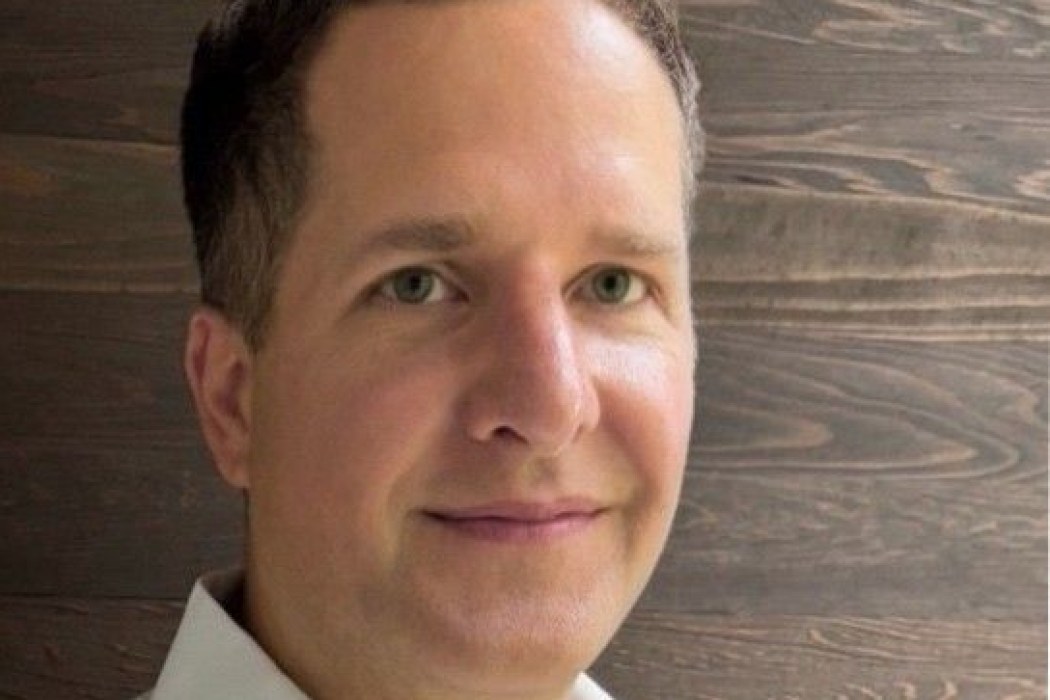
Ken Sena
Ken Sena is the CEO and co-founder of Aiera, a New York-based generative AI platform that turns earnings calls, investor presentations, and corporate events into real-time transcriptions, sentiment analysis, and decision-grade insights for institutional investors. A former Wall Street internet analyst who led global internet research coverage at Evercore ISI and Wells Fargo Securities, Sena launched Aiera in 2018 to apply machine learning to the research workflow he had spent two decades inside. The company now covers more than 13,000 equities, processes tens of thousands of public events a year, and closed a $25 million Series B in June 2025 backed by ten of Wall Street's largest research firms with Microsoft as its strategic technology partner.

Jason Chicola
Jason Chicola is the founder and CEO of Rev, the Austin-based speech-to-text company that pairs 50,000 freelance transcriptionists with best-in-class AI to turn spoken words into searchable text. An MIT-trained engineer who became the third employee at oDesk (now Upwork), he built Rev on a simple bet: people will pay for curated quality, and people everywhere want to work from home. Today Rev serves over 100,000 clients including 60% of the Fortune 500, and Chicola is steering the company toward AI tools for the legal system, where accuracy is not optional.
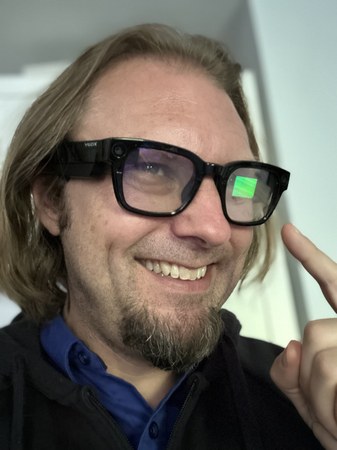
Alex Westner
Alex Westner is the co-founder and CEO of Xander, a Raleigh-based startup building AR smart glasses that print live captions of in-person conversations directly into the wearer's field of view. An MIT Media Lab-trained audio engineer who spent nearly two decades shipping sound software (including the Emmy-winning iZotope RX, nicknamed the Photoshop for Sound), Westner now turns his obsession with the cocktail party problem into a self-contained, no-cloud, no-phone device that helps people follow conversations they can no longer fully hear.

Allan Guo
Allan Guo is the co-founder and CEO of Willow, a San Francisco AI voice-dictation app that lets you write anywhere on your computer by talking. A Stanford CS student who dropped out as a freshman to build a healthcare startup, he pivoted more than ten times before landing on voice as the interface. Willow, part of Y Combinator's Spring 2025 batch, raised $4.2 million led by BoxGroup with backing from founders at Instacart, Shopify, HubSpot and Gusto. Guo's pitch is blunt: the keyboard is the last slow thing on a fast computer, and he intends to kill it.
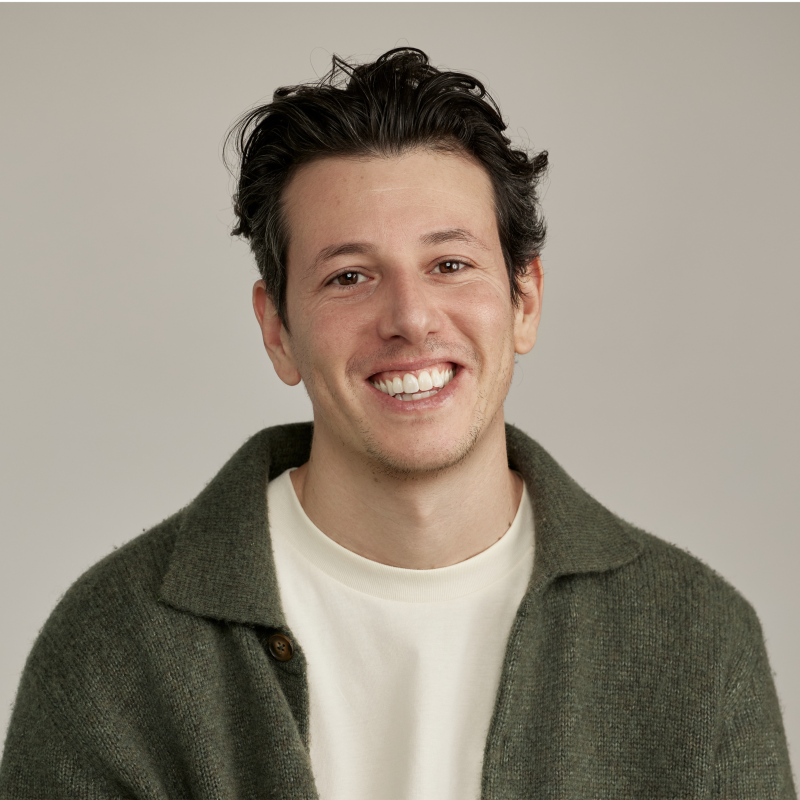
Tomer Aharoni
Tomer Aharoni is the co-founder and CEO of Nagish, a New York startup using AI to caption phone calls in real time so Deaf and hard-of-hearing people can place and receive calls by typing and reading, with no human operator in the loop. The idea began with a phone ringing during a class at Columbia and a question he couldn't shake: how do you take a call if you can't hear or speak? Nagish (Hebrew for 'accessible') is now FCC-certified, offered free to users through federal subsidies, and has raised $16 million. Aharoni builds the product hand-in-hand with the Deaf community and is now pushing into AI sign-language translation.
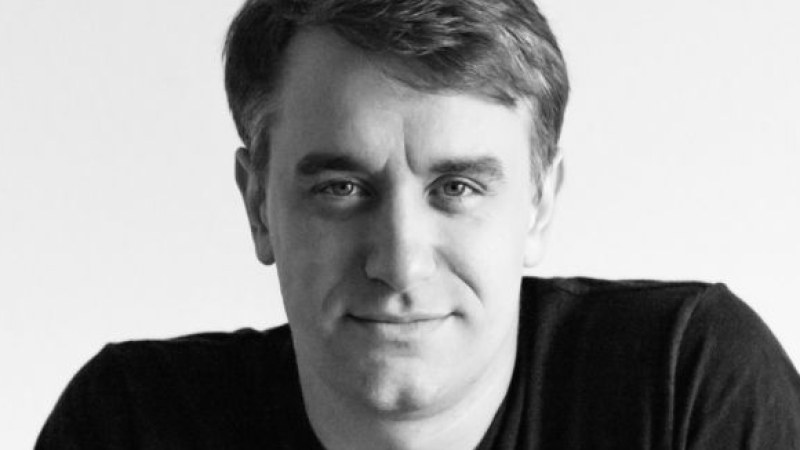
Scott Stephenson
Scott Stephenson is the co-founder and CEO of Deepgram, the voice AI company building foundational speech-to-text, text-to-speech, and voice agent models from scratch. A particle physicist who once helped build a dark-matter detector two miles underground, he now runs an AI company used by NASA, Spotify, and Twilio.
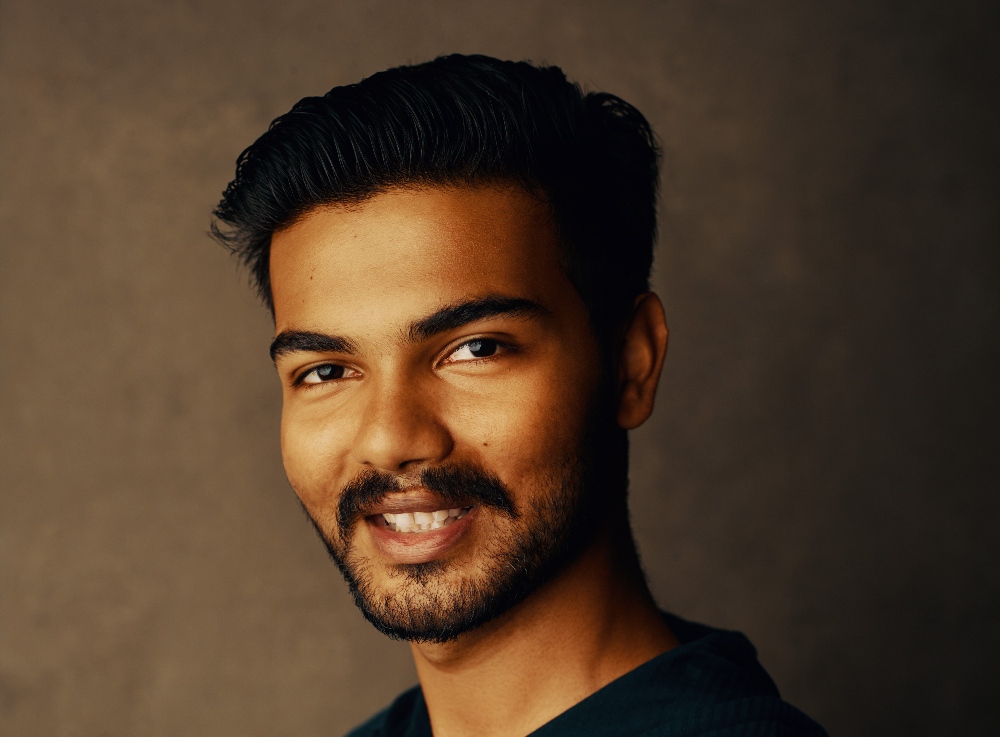
Tanay Kothari
Tanay Kothari is the co-founder and CEO of Wispr Flow, a San Francisco-based AI company building the voice interface for the AI era. A four-time founder who taught himself to code at age nine in New Delhi, Kothari holds BS and MS degrees from Stanford in Computer Science and AI, taught Deep Learning alongside Andrew Ng, and published medical AI research. After selling his first startup FeatherX to Cerebra Technologies straight out of college, he co-founded Wispr in 2021 with Stanford batchmate Sahaj Garg. The company's flagship product, Wispr Flow, transforms spoken ramblings into polished writing across 100+ languages with sub-second latency, achieving 50% month-over-month growth and a 20% paid conversion rate - five times the industry standard. Wispr has raised $81 million total, including a $30 million Series A led by Menlo Ventures and a $25 million extension led by Notable Capital, at a $700 million valuation. Named to Forbes 30 Under 30 in 2023, Kothari is betting that keyboards will be vintage store items within five years.