deepmind
(16)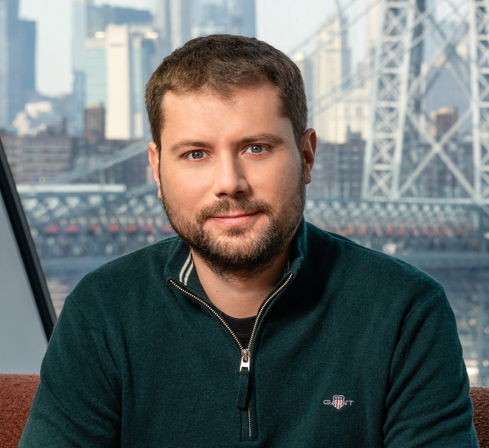
Ioannis Antonoglou Learned to Make Machines Play. Now He Wants Them to Work for Everyone.
The Reflection AI co-founder helped build AlphaGo, AlphaZero and MuZero. His next wager is that powerful AI agents should be open enough for others to inspect, adapt and run.
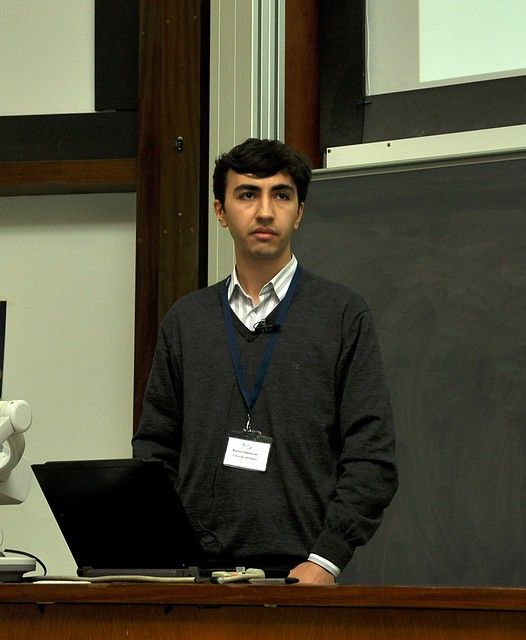
Karén Simonyan and the Small Square That Helped AI See
He helped teach machines to see, then helped build the systems meant to talk back. From Oxford’s VGG network to Microsoft AI, Karén Simonyan’s career follows a question that keeps getting bigger: what should a model learn next?
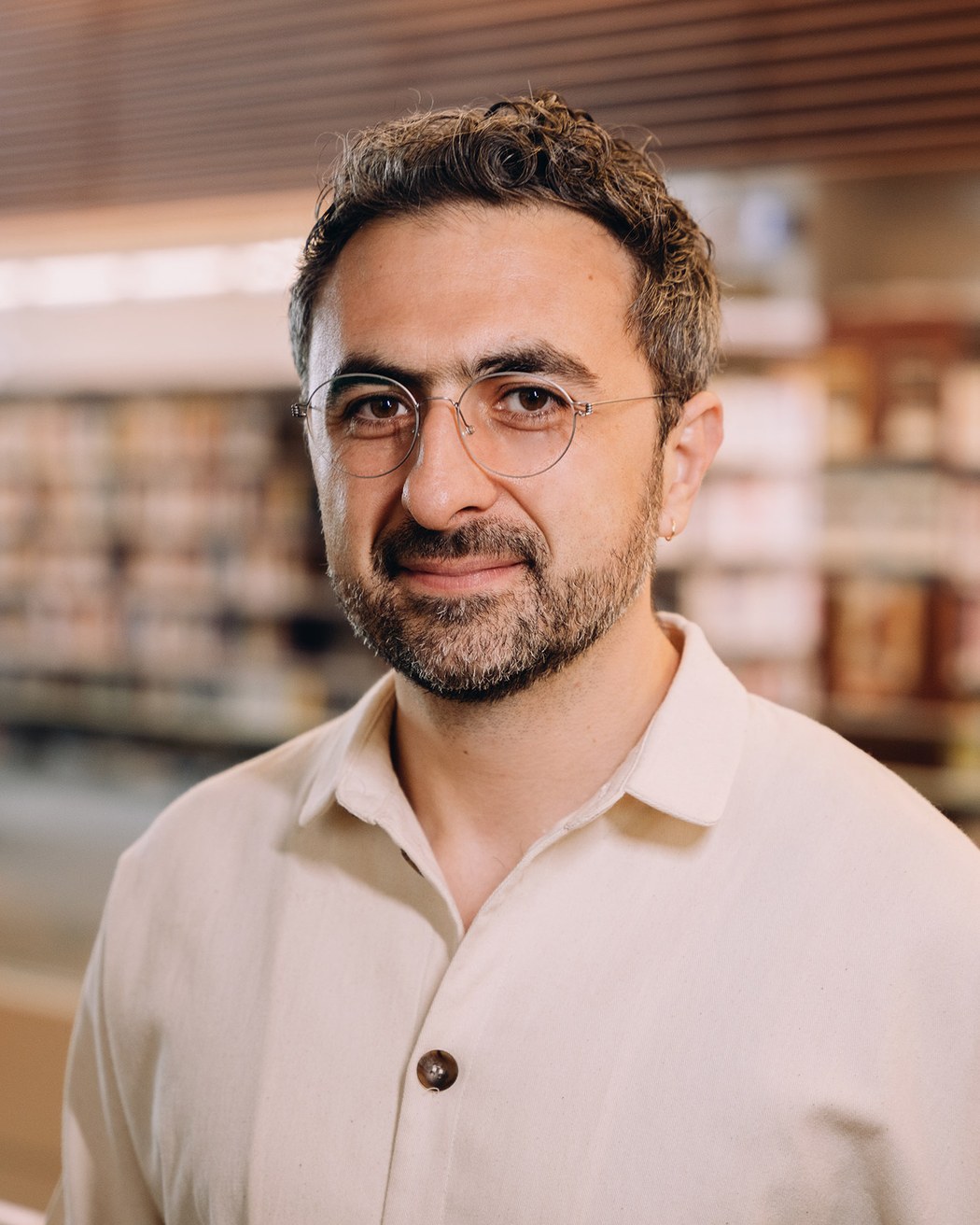
Mustafa Suleyman and the Question Behind the Machine
The Microsoft AI chief began by listening to people one call at a time. Now he is trying to decide what billions of conversations with machines should be allowed to become.
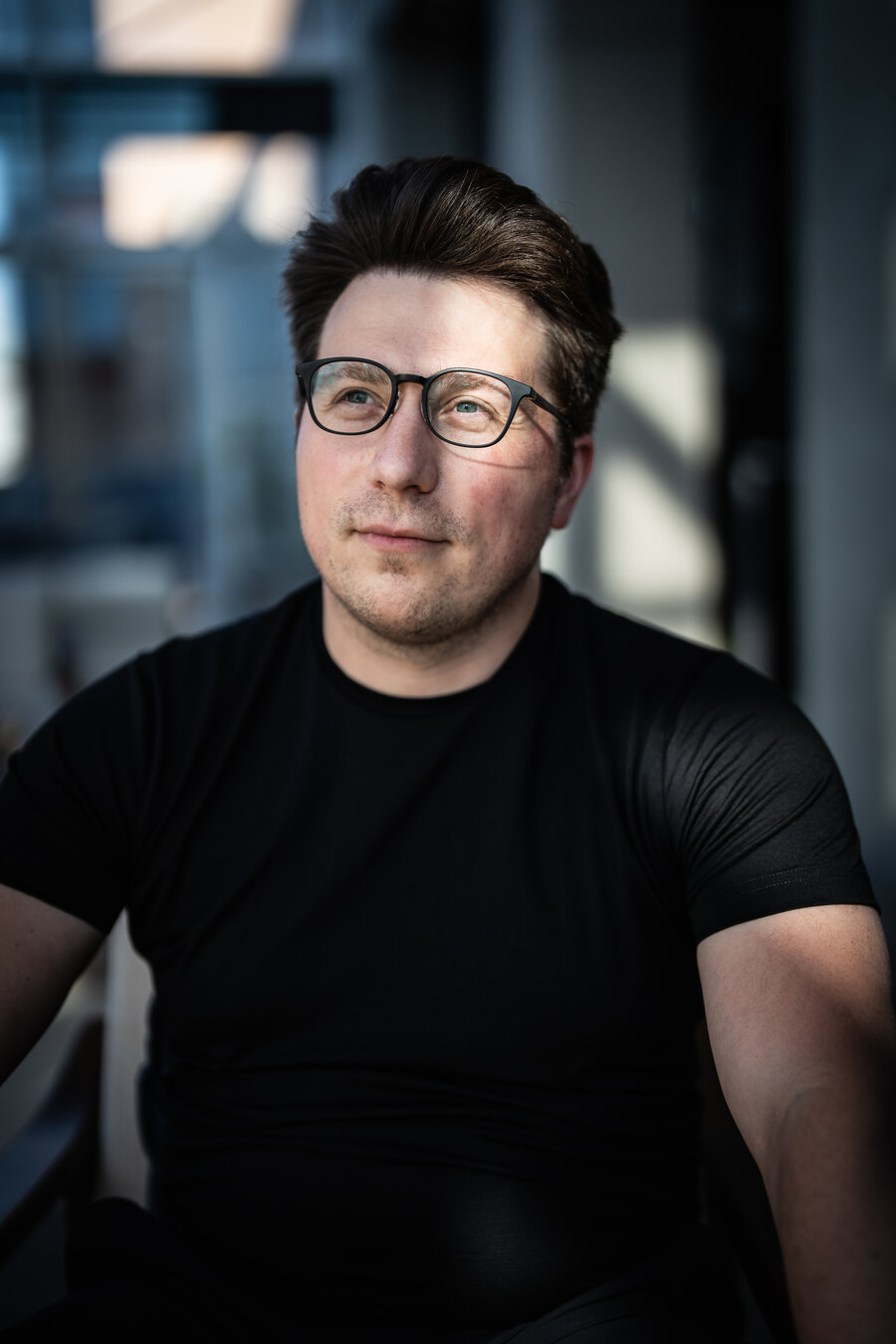
Igor Babuschkin Wants AI to Remember Who It Works For
After helping build AlphaStar, Grok and the machinery behind xAI, the physicist turned founder is asking a more personal question: who gets to shape the intelligence we use?

The startup teaching AI to hire humans
A former DeepMind scientist and a SoftBank operator built voice AI that interviews people about what they are actually good at - then sells that expertise to hedge funds, AI labs and consultancies. Andreessen Horowitz just put in $22.75M.
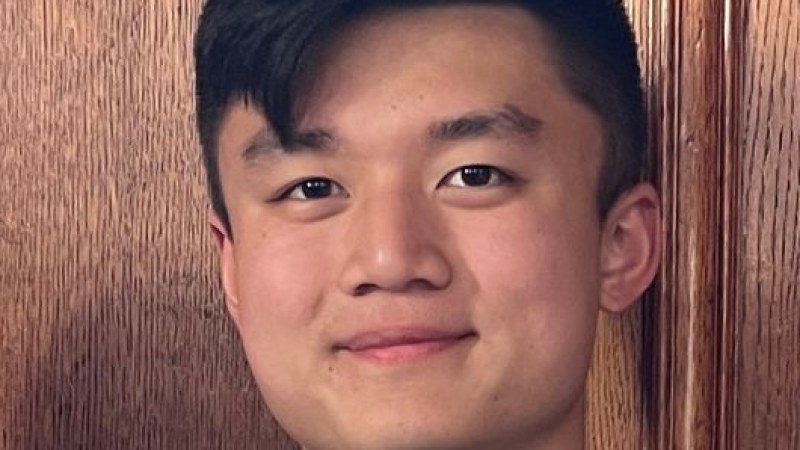
Andrew Yan
Andrew Yan is the co-founder and CEO of AthenaHQ, a Y Combinator-backed San Francisco startup building tools to help brands get discovered inside AI answers from ChatGPT, Claude, Gemini and Perplexity. A former Google Search product manager who also worked at DeepMind, the US Army Lab and Vimeo, he finished a Columbia degree in computer science and math in three years. Before tech, he was a touring jazz saxophonist who played in the band that inspired the Oscar-winning film Whiplash.
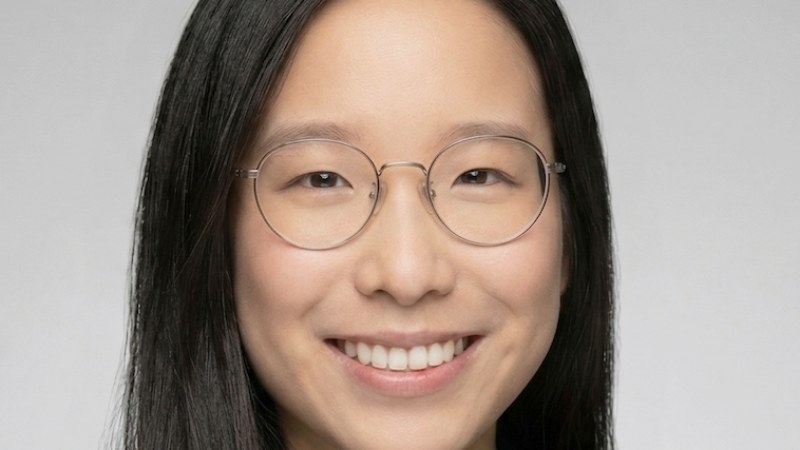
Emma Qian
Emma Qian is the co-founder and CEO of Nova Intelligence, a San Francisco startup building an agentic AI platform that analyzes, modernizes, and generates custom code for SAP systems. A former research engineer at Google DeepMind and software engineer at Meta AI, Caltech-trained Qian left frontier AI research to attack one of enterprise software's least glamorous and most expensive problems: the migration of decades of custom SAP code to S/4HANA. Nova has raised over $40 million, including a $31.5 million Series A led by Chemistry with backing from Accel, Conviction, and SAP.io, and counts customers like Festo who report working roughly five times faster. She is a Forbes 30 Under 30 honoree.
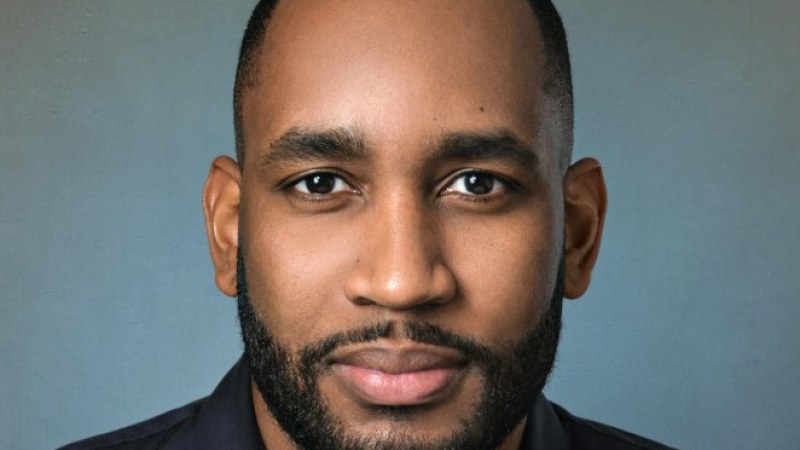
Hantz Févry
Hantz Févry is the founder and CEO of Geolava, a San Francisco spatial-intelligence startup that turns satellite, LiDAR, aerial, street-level and government data into searchable answers about buildings and infrastructure. A Haitian immigrant who built an earthquake early-warning system at age 20, he went on to lead AI research for Google Assistant's hotword (a team that became part of DeepMind), then founded the gig-economy mapping company Stoovo - which mapped 130 million U.S. buildings and was acquired in 2024. In July 2025 he raised a $4.3M seed round for Geolava, betting that spatial intelligence will reshape real estate and infrastructure.
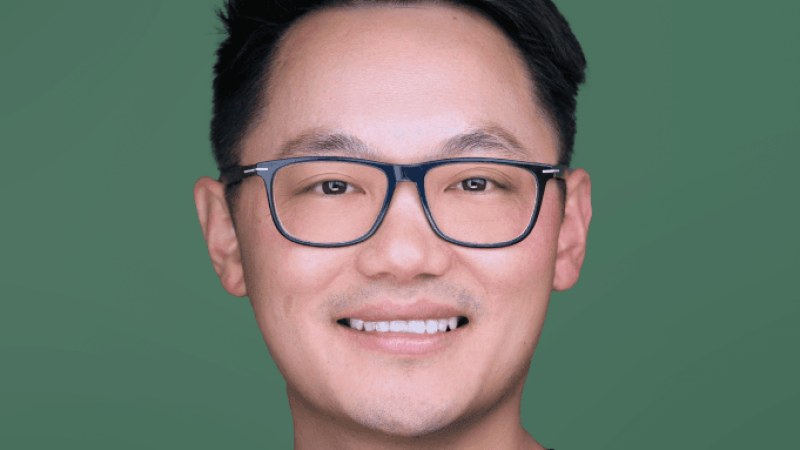
Jim Gao
Jim Gao is the CEO and co-founder of Phaidra, a Seattle-based AI company building autonomous, self-learning control systems for the world's most complex industrial facilities, from data centers to vaccine plants. A mechanical engineer by training, he spent roughly a decade designing cooling systems for Google's data centers before teaching himself machine learning on nights and weekends. After AlphaGo, he launched DeepMind Energy, where reinforcement learning cut Google's data-center cooling energy by up to 40 percent. In 2019 he and two co-founders spun that idea into Phaidra, which by 2025 had raised over $120 million to make AI factories radically more efficient.
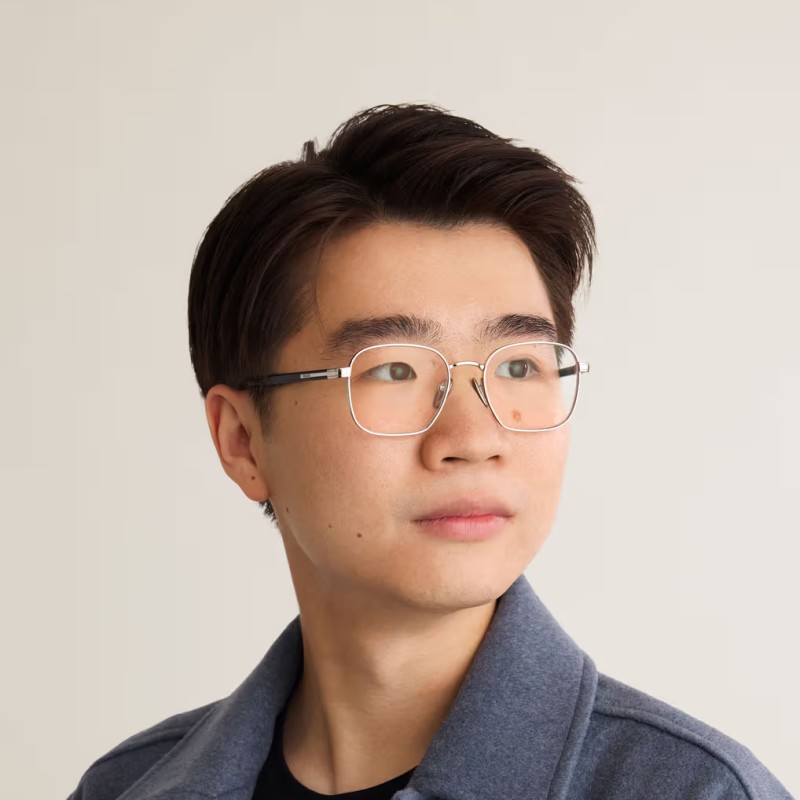
Tony Zhao
Tony Zhao is the co-founder and CEO of Sunday, a Mountain View-based robotics company building Memo - a home robot trained on 10 million episodes of real household routines. A Stanford PhD dropout and UC Berkeley EECS alum, Zhao invented ALOHA and ACT during his doctoral research, open-source frameworks that became foundational to modern robot manipulation. Sunday reached unicorn status in March 2026 with a $165M Series B led by Coatue, putting the company at a $1.15B valuation with a mission to put a helpful robot in every home.
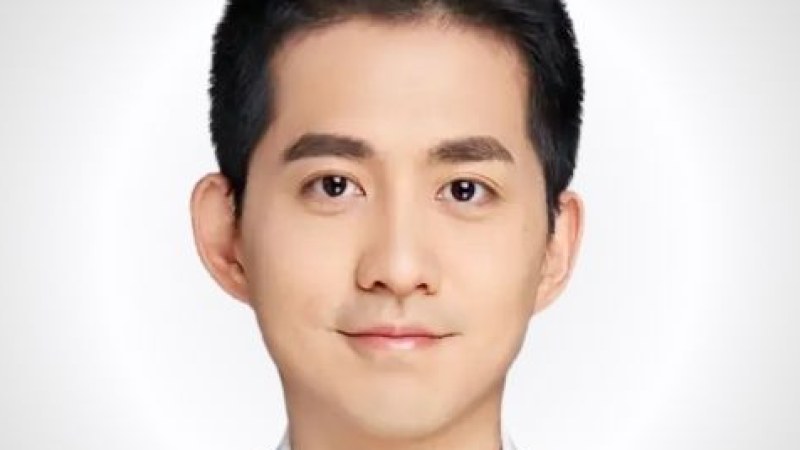
Lindon Gao
Lindon Gao is the co-founder and CEO of Dyna Robotics, a Redwood City-based company building commercially deployed foundation model robots for real-world automation. After immigrating from China at age 11, he attended Stuyvesant High School and NYU Stern before pivoting from Goldman Sachs investment banking to entrepreneurship. He co-founded Caper AI, an AI-powered smart grocery cart company acquired by Instacart for $350 million in 2021. In 2024, he left Instacart to launch Dyna Robotics alongside York Yang and former Google DeepMind scientist Jason Ma. Within a year, Dyna raised $143.5 million in total funding, achieved a $600 million valuation, and deployed robots folding napkins and handling laundry for 16 hours daily at hotels, restaurants, gyms, and laundromats — backed by NVIDIA, Amazon, Salesforce Ventures, and First Round Capital.
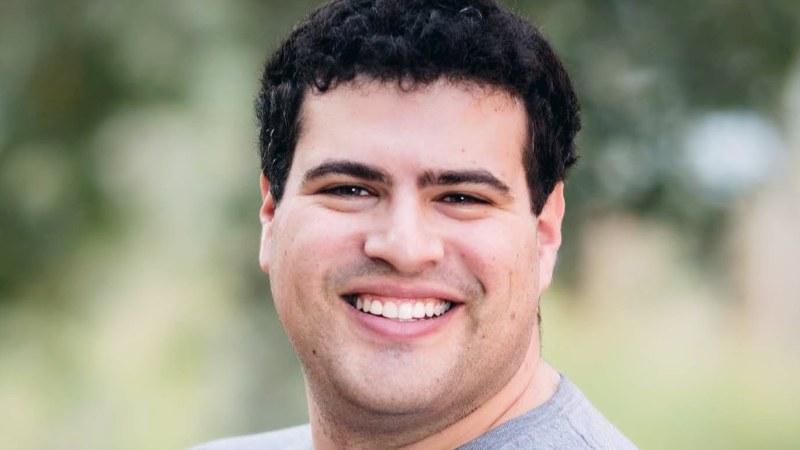
Ari Morcos
Ari Morcos is the Co-Founder and CEO of DatologyAI, a Redwood City-based startup that automates the curation of training data for AI models. A Harvard-trained neuroscientist who spent two years at DeepMind and five at Meta AI Research (FAIR), Morcos pivoted from studying how biological brains learn to solving how artificial ones should eat - coining the phrase 'models are what they eat.' His company has raised $57.65M across seed and Series A rounds backed by Felicis Ventures, Radical Ventures, and angel investors including Geoffrey Hinton, Yann LeCun, and Jeff Dean. With an h-index of 35 and over 12,000 citations, Morcos bridges rigorous ML research and venture-scale ambition, targeting the data layer as AI's most underinvested frontier.
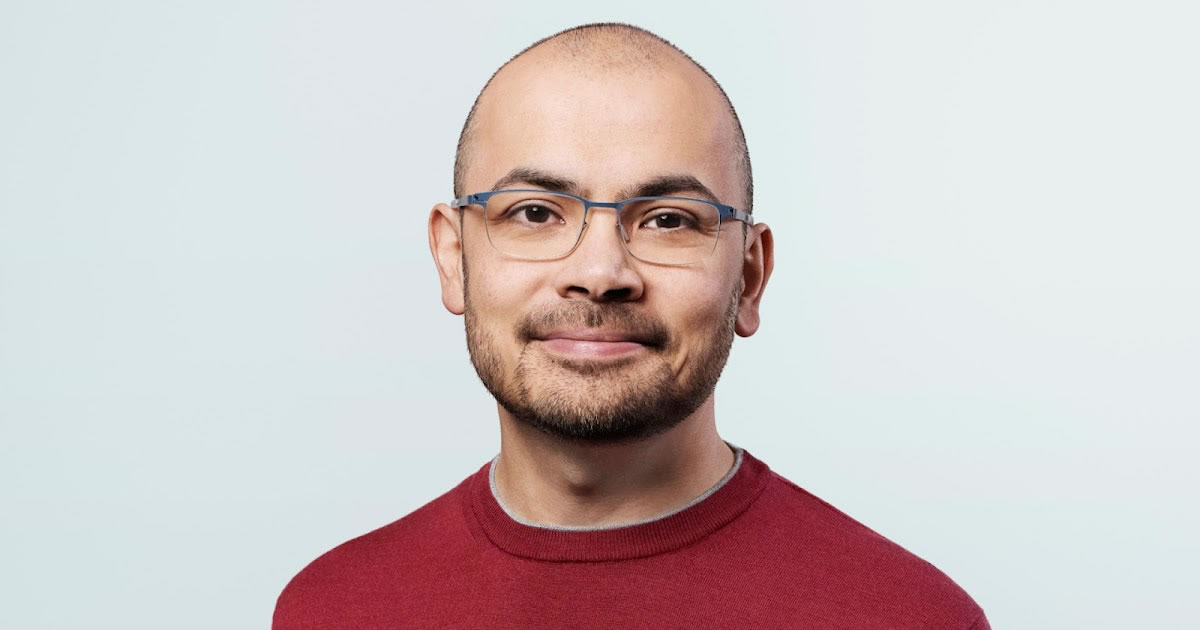
Demis Hassabis
Sir Demis Hassabis CBE FRS is a British AI researcher, neuroscientist, chess prodigy, and game designer who co-founded DeepMind in 2011 and serves as CEO of Google DeepMind. He won the 2024 Nobel Prize in Chemistry for AlphaFold's protein structure prediction, was knighted for services to AI, and is widely regarded as one of the most influential figures in the development of artificial general intelligence.
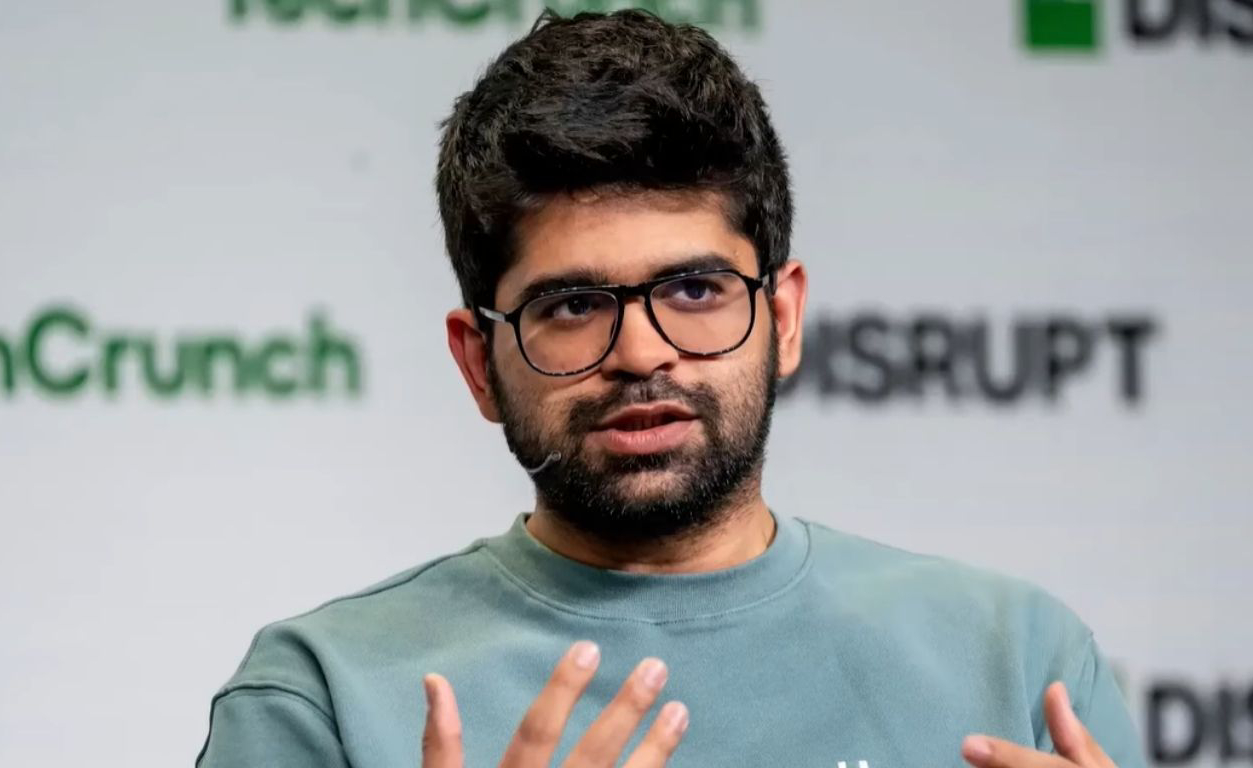
Aravind Srinivas
Aravind Srinivas is the co-founder and CEO of Perplexity AI, the citation-backed AI answer engine that reached a $21B+ valuation in under three years. Born in Chennai in 1994, he earned a dual degree from IIT Madras before completing a PhD at UC Berkeley, then worked as a researcher at OpenAI, DeepMind, and Google Brain before founding Perplexity in 2022. India's youngest billionaire at 31, he has positioned Perplexity as a direct challenger to Google Search by insisting that every AI-generated answer carry verifiable citations - a principle he lifted straight from academic paper standards.
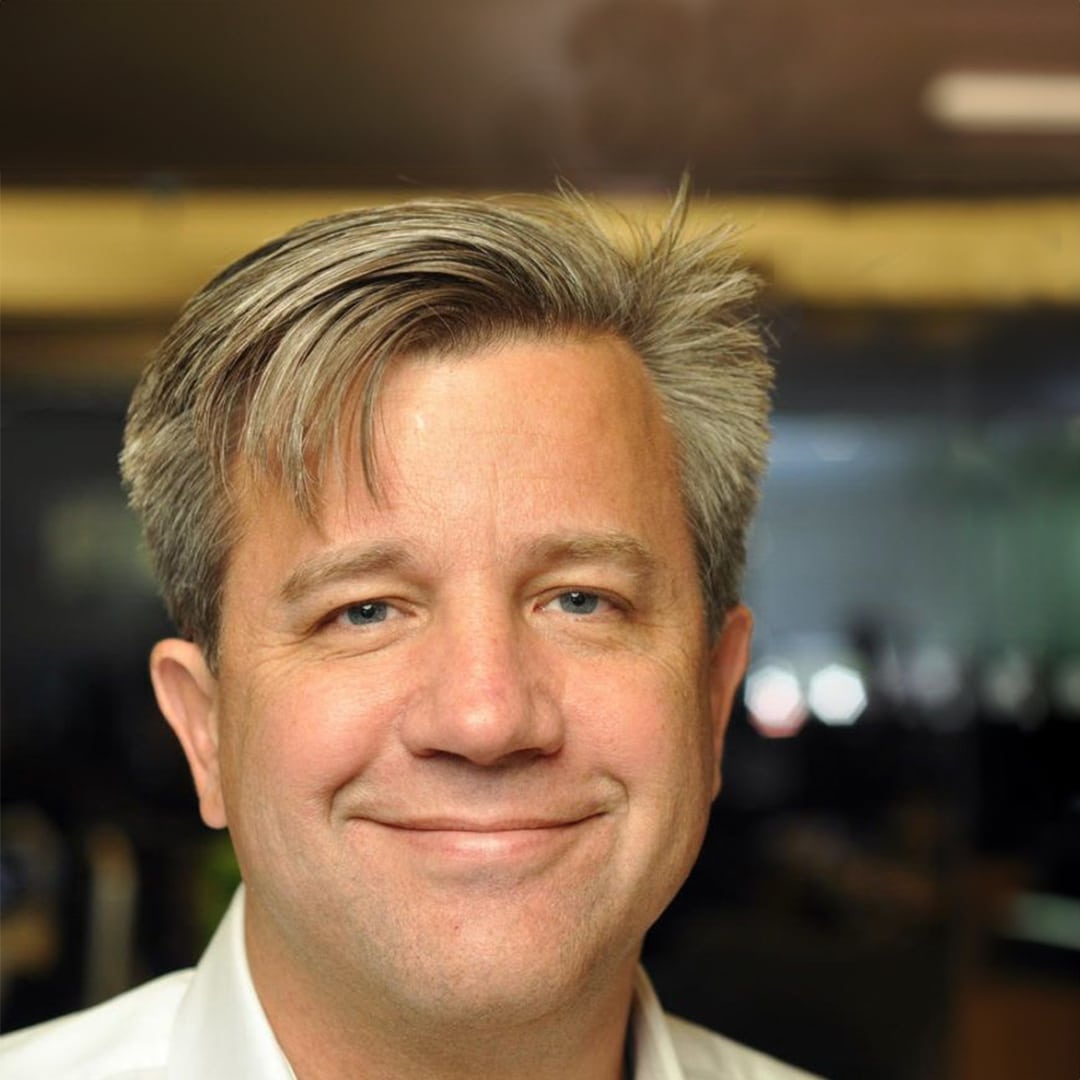
Bart Swanson
Bart Swanson is an advisor to Horizons Ventures and serves on the boards of Zoom, Impossible Foods, and numerous transformative technology companies. With more than fifteen years in tech as an entrepreneur, mentor, and executive, he helped lead Amazon's international expansion (1998-2001), served as COO of Badoo, and chaired Summly before its acquisition by Yahoo. A Wharton MBA and Lauder Institute Fellow, Swanson champions impact investing - every founder he backs signs a legally binding Impact Pact. His 2024 portfolio generated over $400 million in wealth creation, with $342 million going to BIPOC and women founders, while creating 436 jobs at a 48% compound annual growth rate.
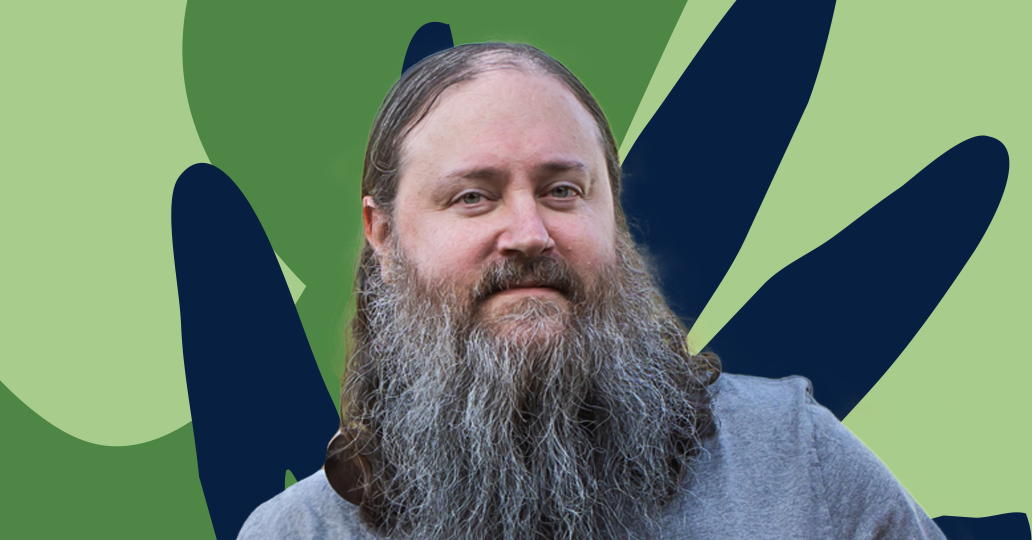
Scott Banister
Scott Banister is a serial entrepreneur and prolific angel investor who co-founded IronPort Systems (acquired by Cisco for $830M), was the first outside investor in PayPal, and is credited by insiders with conceiving the paid keyword search advertising model that spawned the entire Google AdWords ecosystem. With 100+ investments spanning Uber, SpaceX, DeepMind, Facebook, and Affirm - most at seed stage - he is one of the most consequential yet least-known members of the PayPal Mafia.