genetic-medicine
(18)
The Copy Machine That Biology Forgot
For decades, scientists have hired bacteria to copy DNA. Elegen built a faster copy room with no cells inside - and turned a biological bottleneck into a six-day delivery business.
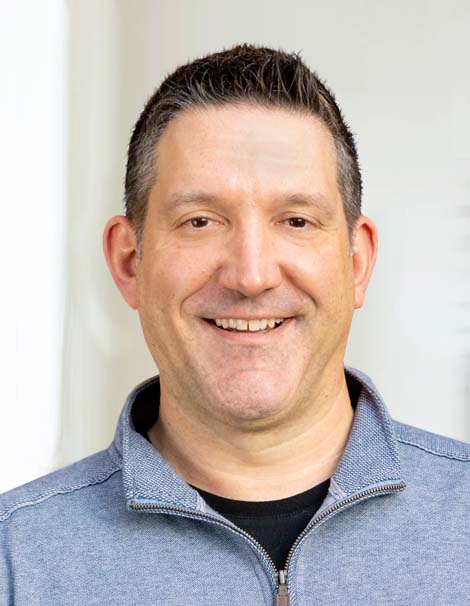
Brian McVeigh Built a Career in the Space Between Science and the Deal
After 25 years at GSK and more than 100 transactions, the Philadelphia biotech executive made a founder's bet: the next leap in genetic medicine may depend less on the cargo than on the way it travels.
The $1 Billion Bet on Editing Cholesterol Once - Then Never Again
Verve Therapeutics spent seven years turning a genetic observation into a one-infusion cholesterol treatment. Its first delivery system stumbled; the replacement helped sell the company to Lilly and may redraw the boundary between a drug and a permanent decision.
The $85 Million Bet That a DNA Scaffold Can Make Gene Therapy Re-Dosable
Code Biotherapeutics is trying to turn DNA into the FedEx network for genetic medicine. Its modular 3DNA scaffold promises bigger payloads, precise addresses and repeat delivery - but the public evidence is still preclinical.

Nuevocor
Nuevocor is a Singapore-founded, clinical-stage biotechnology company developing genetic medicines for cardiomyopathies driven by aberrant mechanobiology - the mechanical stresses that damage heart-muscle cells. Spun out of Singapore's A*STAR research agency in 2021, the company built a proprietary discovery engine called PrOSIA (Protein Organ Specific Interactome Analysis) to map the functional root causes of genetic heart disease. Its lead program, NVC-001, is an AAV-based gene therapy for LMNA-related dilated cardiomyopathy, an aggressive inherited heart condition with no targeted treatment. Nuevocor received FDA IND clearance for NVC-001 in June 2025 and has raised roughly US$80.6 million to date, including a US$45 million Series B in May 2025.

AIRNA
AIRNA is a clinical-stage biotechnology company building RNA-editing medicines that harness ADAR, a naturally occurring human enzyme, to make precise, programmable and non-permanent edits to RNA. Its RESTORE+ platform uses short oligonucleotides to recruit ADAR to a target transcript and swap a single letter, correcting disease-causing variants without altering DNA. AIRNA's lead candidate, AIR-001, targets alpha-1 antitrypsin deficiency (AATD) and has advanced into a Phase 1/2 clinical trial, with a broader pipeline aimed at cardiometabolic and other diseases. The company is headquartered in Cambridge, Massachusetts, with research operations in Tübingen, Germany, and has raised roughly $245 million from investors including ARCH, Forbion and Venrock.
Carbon Biosciences
Carbon Biosciences is a Waltham, Massachusetts preclinical genetic-medicine company building gene therapies on non-AAV parvovirus vectors. Founded by Longwood Fund with gene-therapy pioneers John Engelhardt and Robert Kotin, it uses a proprietary vector engine (PAVE) to design capsids from the broad parvovirus family - including human bocavirus - that carry larger genetic payloads, target specific tissues, and provoke little pre-existing immunity, opening the door to re-dosing. Its lead program targets cystic fibrosis by delivering the full-length CFTR gene to the lung, with a second vector aimed at cardiac disease.

Form Bio
Form Bio is an Austin-based computational life sciences company that builds AI-driven software to speed up the design, characterization, and manufacturing of genetic medicines, especially adeno-associated virus (AAV) cell and gene therapies. Spun out of Colossal Biosciences in 2022 with a $30M Series A, its platform lets scientists model billions of therapeutic vector designs in silico to improve efficacy, safety, and manufacturability before ever entering the lab, targeting the manufacturing bottleneck that drives the majority of FDA rejections in the field.

Joel Schneider
Joel Schneider is the founder, president and CEO of Carbon Biosciences, a Waltham, Massachusetts biotech building gene therapies from parvovirus-derived vectors rather than the more common adeno-associated viruses. He launched the company out of stealth in 2022 with a $38 million Series A led by Agent Capital, pairing his operating background with the science of gene therapy pioneer Robert Kotin. Trained as a stem cell biologist with a Rutgers Ph.D. and a Harvard postdoc, Schneider was the first employee at Solid Biosciences before founding Carbon to push vectors that carry larger genetic payloads, target specific tissues such as the lung, and sidestep the pre-existing immunity that limits current gene therapies. Carbon's lead program targets cystic fibrosis.
Krystal Biotech, Inc.
Krystal Biotech is a Pittsburgh-based commercial-stage biotechnology company that pioneered redosable, off-the-shelf gene therapy delivered directly to the body. Its lead product VYJUVEK became the first FDA-approved topical and redosable gene therapy in 2023, treating the rare skin disease dystrophic epidermolysis bullosa. Built on a proprietary HSV-1 vector platform (STAR-D), the company runs its own GMP manufacturing and is extending the same delivery technology into respiratory disease, oncology, ophthalmology and aesthetics.
SonoThera
SonoThera is a South San Francisco biotech developing an ultrasound-guided, nonviral platform for delivering genetic medicines. Instead of the viral vectors that dominate gene therapy, it uses focused ultrasound and injectable microbubbles - a process called sonoporation - to open transient pores in target cells and shuttle DNA or RNA payloads into specific organs. The pitch is delivery that is targeted, potentially redosable, and decoupled from the immune and manufacturing headaches of viruses. The company raised a $125M Series B in June 2026 and is pushing lead programs in Duchenne muscular dystrophy and polycystic kidney disease toward the clinic.
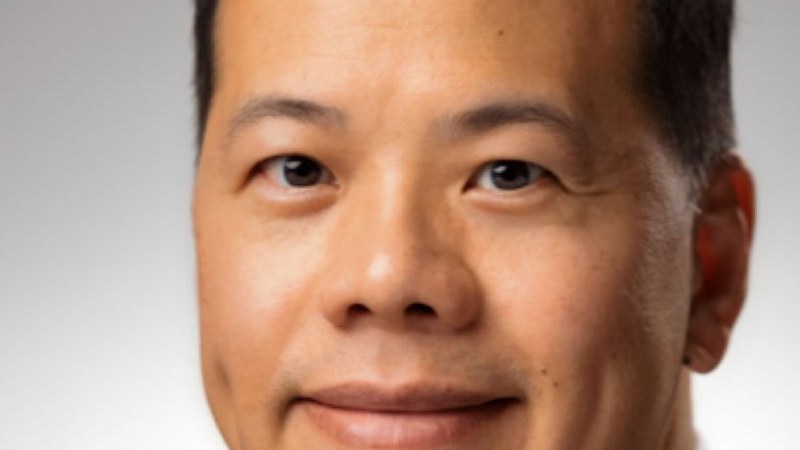
Tuyen Ong
Tuyen Ong is a physician-turned-biotech executive who spent four years as CEO of Ring Therapeutics, the Flagship Pioneering company trying to turn anelloviruses - harmless viruses that already live in nearly everyone - into a redosable delivery system for genetic medicines. Trained as an ophthalmologist at University College London with an MBA from NYU Stern, he built his career on gene therapy for rare eye disease at Nightstar, Biogen, PTC, Bausch & Lomb and Pfizer before betting on a virus most scientists had written off as biological junk. In 2025 he co-founded PharmasMarket, a drug-development consultancy.

GEMMA Biotherapeutics
GEMMA Biotherapeutics (GEMMABio) is a Philadelphia-based gene therapy company spun out of the University of Pennsylvania and founded by AAV pioneer James M. Wilson. Launched in October 2024 with $34 million in seed funding, GEMMABio builds the research, manufacturing, and product-development infrastructure to move adeno-associated virus (AAV) gene therapies from the bench to the bedside faster and more affordably - with a focus on rare and ultra-orphan inherited diseases and a stated commitment to global patient access.

Switch Therapeutics
Switch Therapeutics is a South San Francisco preclinical biotech building conditionally activated siRNA (CASi) therapies that only switch on inside the cell types where they're needed. The platform - born from research at Caltech, Harvard and City of Hope - aims to make RNA interference safe enough for the brain, with a lead program targeting APOE for Alzheimer's disease.

Tune Therapeutics
Tune Therapeutics is a genetic-medicine company building tools to turn genes up or down without cutting DNA. Its TEMPO epigenetic-editing platform tunes gene expression the way a sound engineer rides a fader - reversible, programmable, and precise. Spun out of Duke's Gersbach Lab, Tune raised over $175M in Series B financing in January 2025 and is running first-in-human trials of TUNE-401, an epigenetic silencer for chronic hepatitis B, with the larger ambition of editing the genome's software to extend human healthspan.
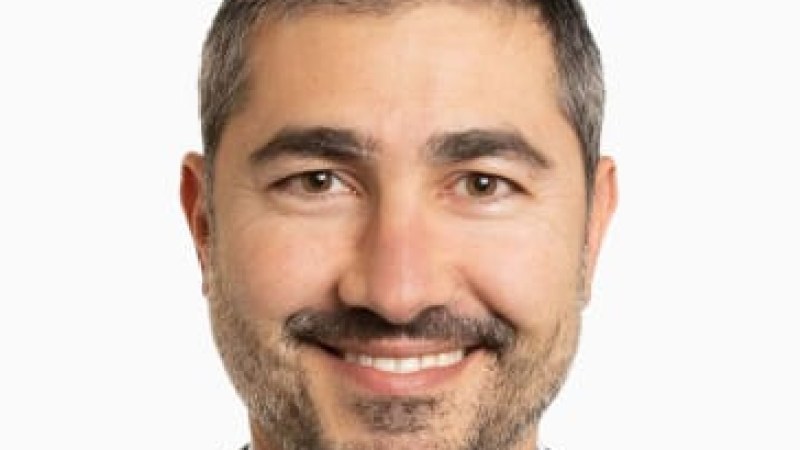
Akin Akinc
Akin Akinc is the founding CEO of Aera Therapeutics, a Cambridge, Massachusetts biotech building a new way to deliver genetic medicines using human protein nanoparticles derived from the body's own retroelements. A chemical engineer by training, he spent nearly two decades at Alnylam Pharmaceuticals, where he helped invent the lipid nanoparticle delivery that produced ONPATTRO, the world's first approved RNAi therapeutic, and later ran the Givlaari and fitusiran programs. Recruited by CRISPR pioneer Feng Zhang, Akinc launched Aera out of stealth in 2023 with $193 million to tackle what he calls genetic medicine's single greatest unmet need: delivery.
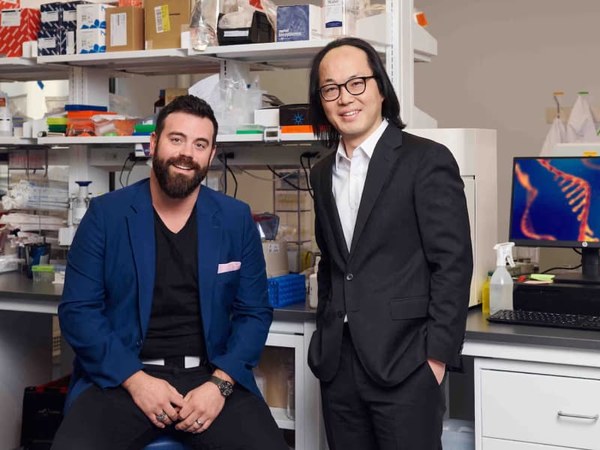
Strand Therapeutics
Strand Therapeutics is a clinical-stage biotech building 'programmable' mRNA medicines - drugs engineered with logic circuits so they switch on the right protein, in the right cell, at the right time. Spun out of MIT in 2017 by synthetic biologists who wrote the first programming language for mRNA, Strand's lead candidate STX-001 is a self-replicating mRNA that makes tumors manufacture their own IL-12, turning cold cancers hot from the inside. Backed by Kinnevik, Regeneron, Amgen and Eli Lilly with over $250M raised.

David Lockhart
David J. Lockhart, Ph.D. is President and Chief Scientific Officer of ReCode Therapeutics, a clinical-stage biotech pioneering nonviral lipid nanoparticle (LNP) delivery of mRNA and gene-editing payloads to the lungs for genetic respiratory diseases including cystic fibrosis and primary ciliary dyskinesia. With more than 25 years in drug discovery and genomics — from co-founding Ambit Biosciences to leading science at Amicus Therapeutics — Lockhart brings rare-disease chops and deep genomics expertise to ReCode's SORT LNP platform, which has raised $345M and dosed its first patients in a Phase 1 PCD trial.