procurement
(86)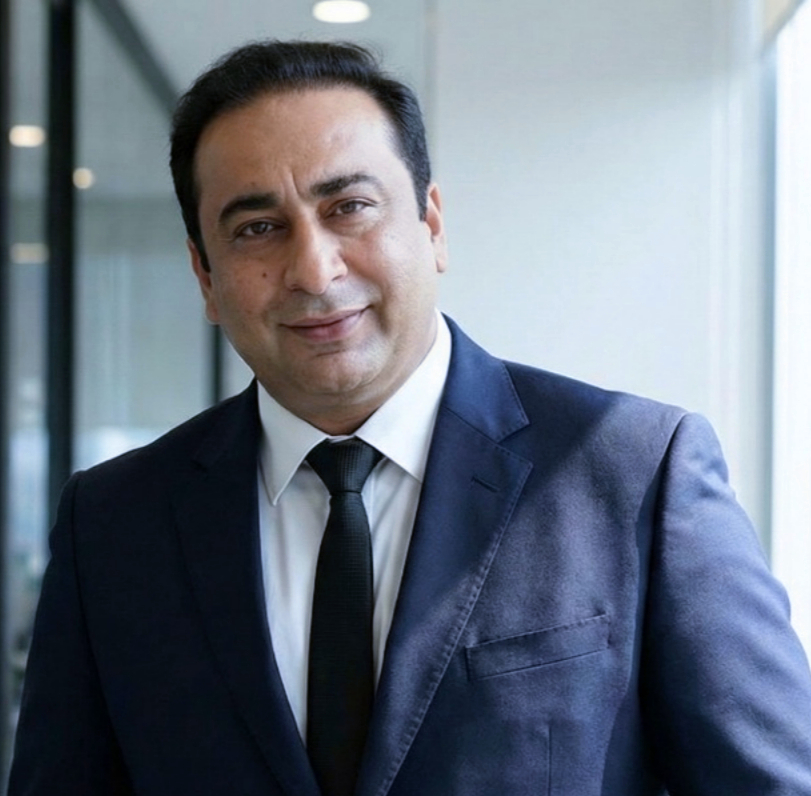
Sunny Lakhani Makes a Business of the Things Business Usually Ignores
After two decades in factories, trade and sourcing, the Tampa executive is applying an operator's eye to a stubborn question: how do essential supplies arrive reliably, repeatedly and with a paper trail?
COUPAR sells the help behind the beautiful room
A design firm can have exquisite taste and a very ordinary staffing problem. COUPAR built a business around the drawings, deliveries, and publicity that turn creative ambition into finished work.

Platinum Advisors and the price of knowing whom to call
A governor’s recall exposed the fragility of political access. Two decades later, Platinum Advisors sells a broader proposition: knowing how a public decision actually gets made.
Leading Cities wants your next climate idea to survive City Hall
The Boston nonprofit pairs startup training with prepaid city pilots. Its real test comes after the pitch: getting a charger onto a curb, a map into local hands, and a useful experiment into everyday service.
RAKSUL Found a Business in Japan’s Idle Printing Presses
A print-order website became a ¥61.95 billion business by putting other companies’ machines to work. Now RAKSUL is betting that the same customers will buy much more than ink on paper.
What Do You Sell to the People Who Buy Everything?
Procurement Leaders sells purchasing chiefs access to one another’s experience. Its business reveals why a useful benchmark, a candid conversation and a well-timed introduction can earn a place in the corporate budget.

Gatekeeper Wants Your Contracts to Stop Renewing Themselves
The vendor-management company connects contracts, supplier risk and spending in one place. Its most persuasive pitch is the money and hours customers say they recovered from work nobody wanted to own.
Leah Wants to Put the Contract in Charge
The company formerly known as ContractPodAi is betting that the agreement behind a deal can also drive the work after it. Its next test is getting legal, procurement, and finance to act together.
Ironclad Wants Your Contracts to Stop Playing Hide-and-Seek
The enterprise contract platform turns approvals, redlines, signatures, obligations, and renewals into one visible process. It is built for teams with enough contract chaos to justify fixing the plumbing.
Contracts Are Finally Ready to Confess
Evisort turns the contract archive from a digital attic into a working source of answers. Now inside Workday, its AI reads the fine print, cites the evidence, and routes the chores - but serious buyers should budget for enterprise pricing and a real implementation.

Al Girardi Found Growth in the Unlikely Marriage of Marketing and Procurement
The GEP marketing chief built his career where brand, technology, and operations meet - then made a persuasive case that creative ambition improves when it learns to count.
Spendesk Puts a Bouncer at the Company Wallet
Employees get a faster route to the company card. Finance gets to decide the route, the limit and who waves it through.
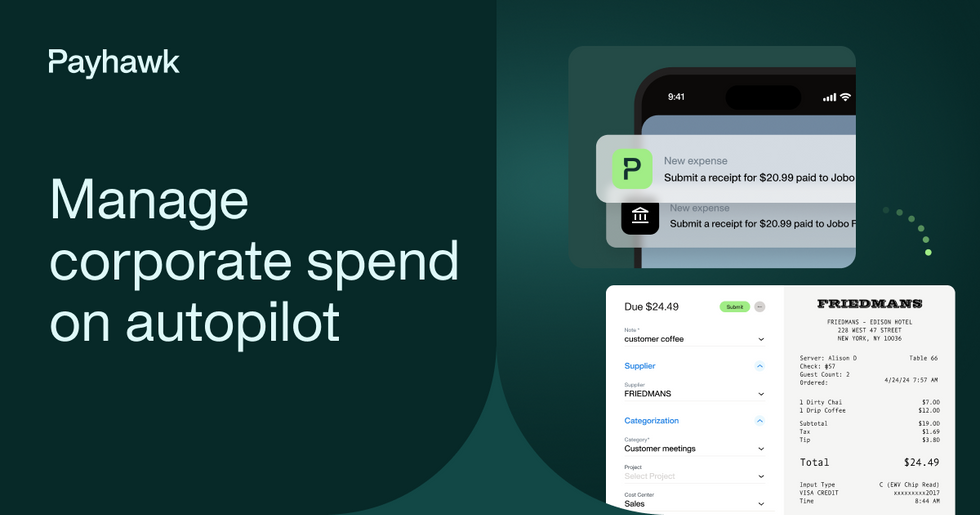
Payhawk Wants Your Company Card to Do the Paperwork
Payhawk bolts policy, receipts, approvals and accounting data to the moment money moves. For finance teams juggling countries and entities, that can turn the company card from a plastic problem into a useful control surface.
Malbek Wants to Fire the Spreadsheet Running Your Contract Department
The Princeton software company is betting that contracts should behave less like buried paperwork and more like operating data. Its best proof is wonderfully unglamorous: fewer legal touches, shorter cycles and no consultant army hiding behind the setup screen.

Keith Hartley Wants Procurement to Stop Staring at the Rearview Mirror
Raised around factories and trained as an engineer, LevaData CEO Keith Hartley has spent his career closing the gap between the data manufacturers possess and the decisions their sourcing teams can actually make.
ArenaCX Put the Call-Center RFP on a Diet - Then Built a Marketplace Around It
The Raleigh startup turned an internal customer-support fix into a marketplace of BPOs, software vendors and specialists. The useful idea is not simply outsourcing - it is making vendors easier to compare, contract and change.

The Startup That Turned the Office Supply Closet Into Software
Kathryn Madden built OfficeLuv around a boring truth: someone always ends up ordering the paper towels. Her bet was that the someone should be software - plus a person who shows up.
The Back Office That Decided Spreadsheets Were the Enemy
Alek Koenig left Affirm to build the financial plumbing for the soda, skincare and snack brands blowing up your Instagram feed. The pitch is boring on purpose: stop reconciling five systems by hand.
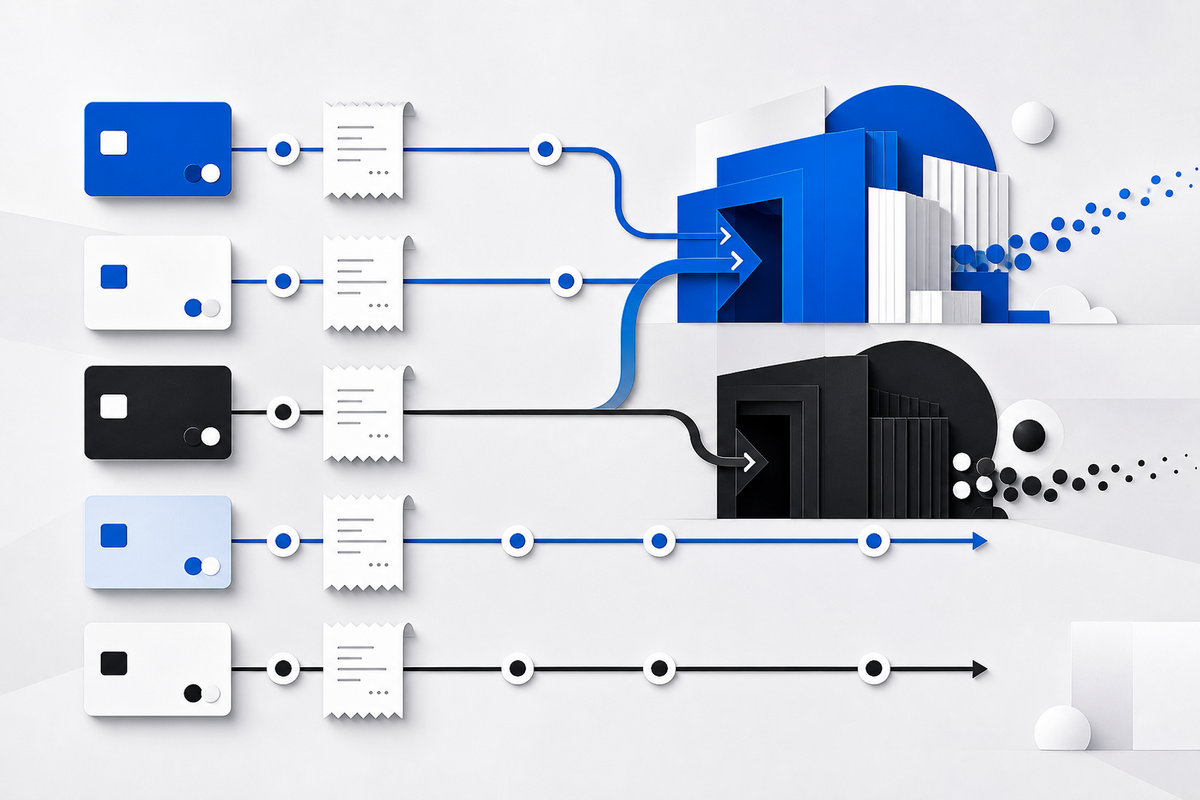
The Spend Stack Is Shrinking Before Your Eyes
Ramp, BILL and Emburse still compete for the finance desk. Airbase and Center now live inside larger companies, changing what buyers are really choosing.

BradyPLUS
BradyPLUS built a nearly $5 billion distribution platform around the things businesses cannot run out of - soap, takeout containers, stretch film and the know-how to use them. Then it merged again, turning an unglamorous supply cabinet into a revealing lesson in modern scale.
Borong
The Procurement Platform Built for Enterprises and Suppliers Across Malaysia
Donkey
Donkey is an AI-native trading company that buys straight from Chinese factories and sells delivered to US importers at one USD price to their dock, duty paid. By reading public US customs records, Donkey identifies the factory that actually makes a part, quotes it without the traditional 15-30% trading-company markup, runs its own inspections on the factory floor before the factory gets paid, and offers credit-insured net-45 terms. A YC Summer 2026 company based in San Francisco and China.

FlowManual
FlowManual is an AI platform for the back office of construction contractors. It reads specs, contracts, quotes, and invoices and automatically marks up scope, prices, deadlines, and exclusions, then compares bids against signed contracts and invoices against locked buyout prices to flag every scope change and price drift by severity and dollar impact. Founded in 2026 by Harvard dropouts David Shijoon Bae and Michael Lin, the company is part of Y Combinator's Summer 2026 batch and aims to cut the repetitive manual work of pre-construction so contractors can bid more and deliver at a higher standard.

Hexa
Hexa builds AI agents for mid-market industrial distributors and manufacturers - the companies that move bearings, fasteners, PVF, and electrical parts and drown in RFQs, purchase orders, and invoices. Its agents plug into the ERP the customer already runs (SAP, NetSuite, Epicor, Dynamics) and run whole workflows end to end: reading an emailed request for quote, entering the order, matching the invoice, chasing the late payment. No rip-and-replace, live in weeks. Founded in 2026 and part of Y Combinator's P26 batch.

Modern
Modern is a San Francisco startup building an AI-native IT function - a single platform where always-on agents automate help desk, access, hardware, on/off-boarding, security and procurement inside the tools teams already use, such as Slack, Teams, email and voice. Founded in 2026 by Seb Poole and Aleks Tomovski and backed by Y Combinator (P26), it positions itself as a ServiceNow alternative that resolves requests end-to-end rather than routing tickets, claiming 80%+ automation of inbound IT requests.
Sekilo
Sekilo is a Jakarta-based B2B company building an AI-powered halal protein supply chain for Indonesia's foodservice industry, starting with poultry. Formerly the quick-commerce grocery startup Dropezy (YC W22), it pivoted in 2023 to process and distribute chicken to caterers, restaurant chains, industrial buyers, and processed-meat factories. Sekilo unifies procurement, processing, cold chain, and delivery into a single asset-light operating layer, handling custom orders from 25kg for small caterers up to 10-20 tons for large buyers.
Truffle (YC S26)
Truffle (now operating as Marble) is a New York-based Y Combinator S26 startup building an AI-native operating system for the restaurant back-of-house. It replaces the patchwork of spreadsheets, clipboards and disconnected point solutions that restaurants, cafes and bars rely on with a single system: computer vision and voice AI capture real-time inventory levels, machine-learning models forecast item-level demand, and AI agents run end-to-end workflows like procurement, invoice reconciliation, scheduling, food prep and menu engineering. Founded by Aakar Khanna (CEO) and Arjun Chaliha (CTO), it targets the billions the hospitality industry loses each year to stockouts, food waste and lost profit.

Vela Energy
Vela Energy builds AI execution agents for large-load energy projects, automating the procurement, permitting, and engineering-study work that stalls data center and utility interconnections. Founded by Tarun Batchu and Tony Li and backed by a16z Speedrun and Z Fellows, the company aims to be the intelligence layer that helps developers, utilities, and data centers move projects through the interconnection queue faster while keeping licensed engineers in control of every decision.

Glife Technologies Pte Ltd
Glife Technologies is a Singapore-based B2B food and agri-tech company that digitizes the food supply chain across Southeast Asia. It connects farmers and suppliers directly with restaurants, hotels, caterers and retailers through an app-based sourcing marketplace, its own cold-chain distribution network, and an in-house ERP platform called GlifeWare. By cutting out layers of middlemen and aggregating demand, Glife aims to lower costs for buyers, give farmers reliable access to end-buyers, and improve food safety and food security in the region.

Mbiz
Mbiz is an Indonesian business-to-business e-procurement platform, founded in 2015 by the Lippo Group, that digitizes how companies and government institutions buy goods and services. It connects enterprise buyers with a network of certified vendors across categories such as office supplies, IT equipment, electronics and services, while bundling free e-procurement tools including online approval, e-tendering, e-invoicing and inventory tracking. Its sister platform, Mbizmarket, extends the same total-procurement approach to micro, small and medium enterprises.