epigenetics
(24)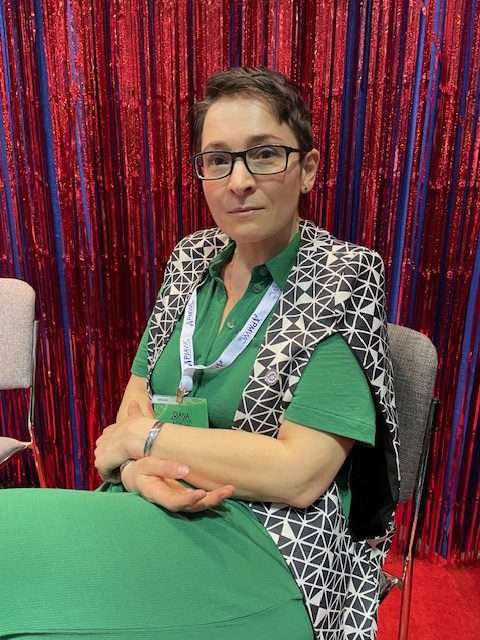
Diana Abdueva Is Teaching Blood to Keep Better Notes
The computational biologist behind Aqtual has spent two decades learning how to pull useful signals from noisy biology. Now she is building a company around a deceptively simple idea: the blood carries a running record of what the body is doing.
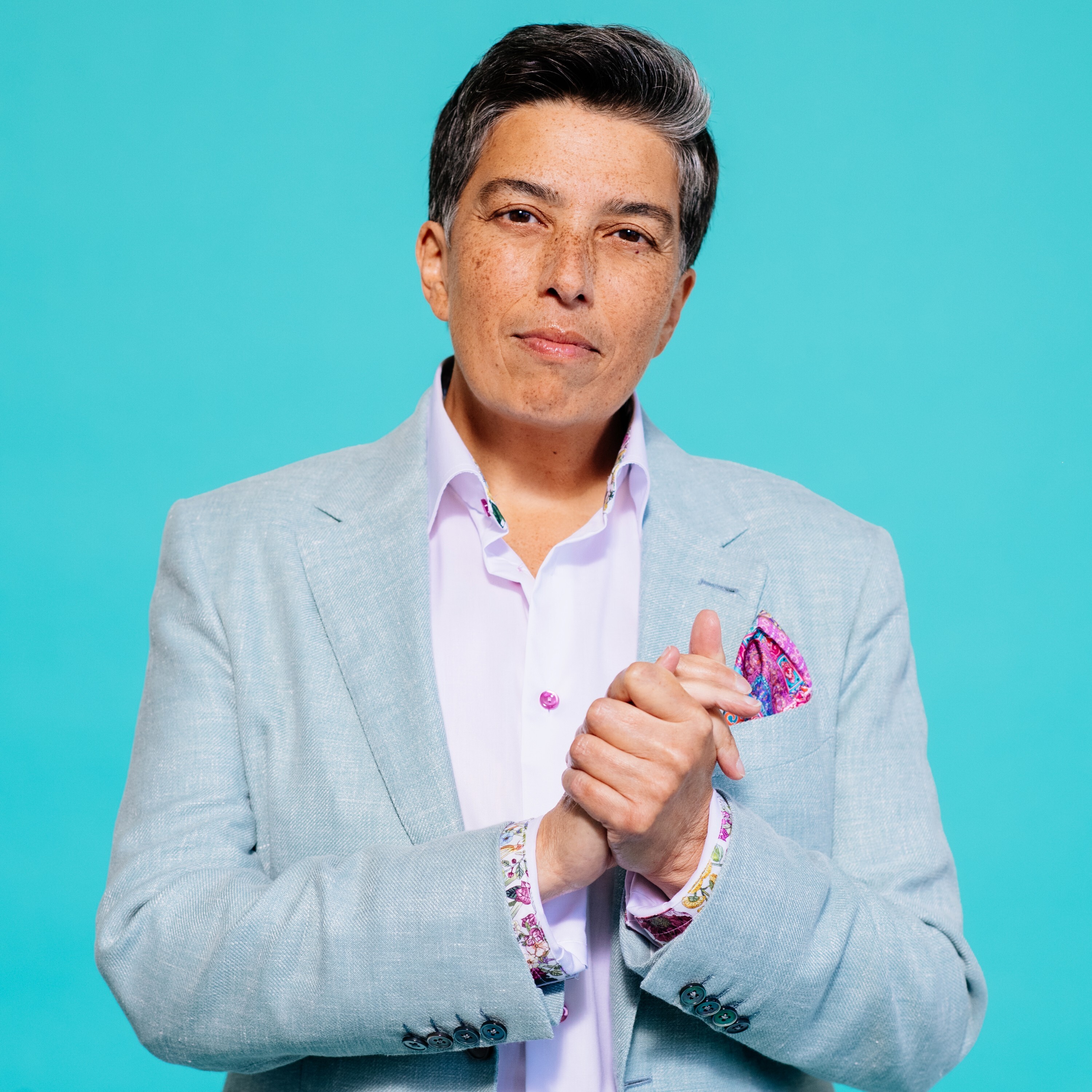
Rajkumari Neogy Is Teaching Leaders to Read the Room Beneath the Room
The CEO of ibelong has spent three decades following a stubborn question through Silicon Valley: what changes when leaders treat connection as part of the operating system?
K36 Therapeutics, Inc.
K36 Therapeutics is a Cambridge, Massachusetts clinical-stage biotech developing first-in-class oral small-molecule inhibitors of NSD2/MMSET, an epigenetic enzyme that drives hard-to-treat cancers. Its lead candidate, gintemetostat (KTX-1001), is in Phase 1 for relapsed/refractory multiple myeloma carrying the t(4;14) translocation, and a second program, KTX-2001, targets metastatic castration-resistant prostate cancer. Backed by Atlas Venture, F-Prime Capital, Eight Roads Ventures, Nextech Invest and Bristol Myers Squibb, K36 has raised roughly $100M+ to translate chromatin biology into precision cancer medicines.
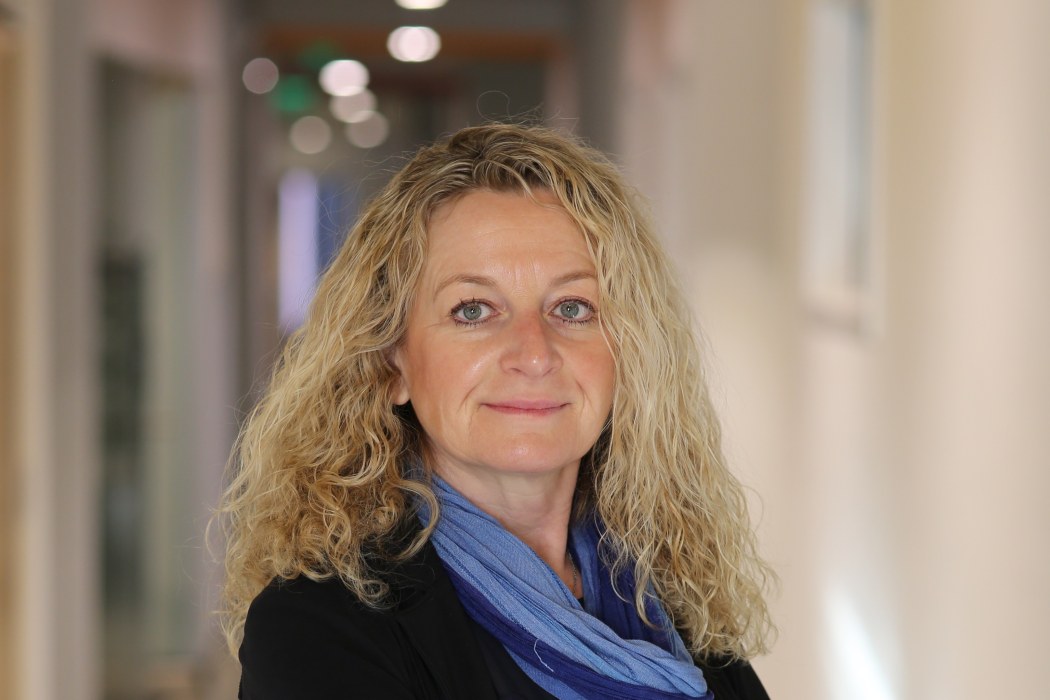
Dominique Verhelle
Dominique Verhelle is a French-born scientist and biotech entrepreneur who co-founded and leads NextRNA Therapeutics, a Boston company building small-molecule drugs that target long non-coding RNA to treat cancers and neurological disorders. With a PhD in life sciences and an MBA in entrepreneurship, she has spent more than two decades across big pharma, venture capital, and startups - including Celgene, Pfizer, Third Rock Ventures, and Takeda - and helped launch Fulcrum Therapeutics and Cedilla Therapeutics before starting NextRNA. She is also an outspoken advocate for women founders in biotech.

Apostle Inc
Apostle Inc is a Pleasanton, California biotechnology company that develops nucleic acid isolation and preservation technologies for liquid biopsy. Its flagship magnetic-nanoparticle kit, Apostle MiniMax, extracts circulating cell-free DNA and RNA from blood for applications in early cancer detection, non-invasive prenatal testing, infectious disease research, and even astronaut biospecimen collection in commercial spaceflight. Founded in 2018 out of the Stanford StartX accelerator, the company sells reagents, automation instruments, and CLIA/CAP lab services to researchers and diagnostics developers worldwide.

Aqtual, Inc.
Aqtual, Inc. is a Hayward, California precision medicine company that reads epigenetics, gene regulation and transcriptomics from a single blood draw. Its proprietary active-chromatin cell-free DNA (cfDNA) platform captures circulating chromatin to survey hundreds of thousands of regulatory sites, integrating DNA, epigenetic regulation and protein-DNA binding in one blood-based assay. The company is first commercializing a test that predicts which therapy will work for rheumatoid arthritis patients, with a broader pipeline spanning oncology, immunology, cardiovascular, metabolic and neurological disease. Aqtual has raised roughly $47M to date, including a $31M Series B in July 2025.

ARNA Genomics US Inc.
ARNA Genomics US Inc. is a San Francisco-based biotechnology company developing multiomics liquid-biopsy technology for early cancer detection. Its lead assay, ARNA Breast, analyzes cell-free DNA and plasma enzyme activity from a routine blood draw to flag early-stage breast cancer, with proof-of-concept studies reporting sensitivity above 90%. Founded in 2013 and led by CEO Egor Melnikov, the company raised a $3.5M Series A in 2020 to fund clinical validation.
ibelong
ibelong is a San Francisco-based consultancy that helps organizations build inclusive, resonant workplace cultures using a neurochemical framework grounded in affective neuroscience, relational neurobiology and epigenetics. Led by CEO and epigenetic coach Rajkumari Neogy, the company translates the brain science of trust and belonging into practical programs - immersive courses, leadership coaching, compassion circles and layoff (RIF) support - aimed at reducing conflict, burnout and turnover. Formerly known as iRestart, ibelong has worked with leaders at more than 175 startups and enterprises.

Syntax Bio
Syntax Bio is a Chicago synthetic biology company building Cellgorithm, a CRISPR-based platform that programs stem cells to differentiate on command. Instead of coaxing stem cells into specialized cell types through months of manual, growth-factor-heavy protocols, Cellgorithm encodes the sequence of gene activations that mimic human development into a single DNA program, collapsing timelines from months to weeks. Spun out of the University of Illinois Chicago and formerly known as Cellgorithmics, the company has raised more than $25 million and is advancing a pancreatic beta cell therapy for type 1 diabetes while partnering with biopharma to program cells at scale.
Terrence Connolly
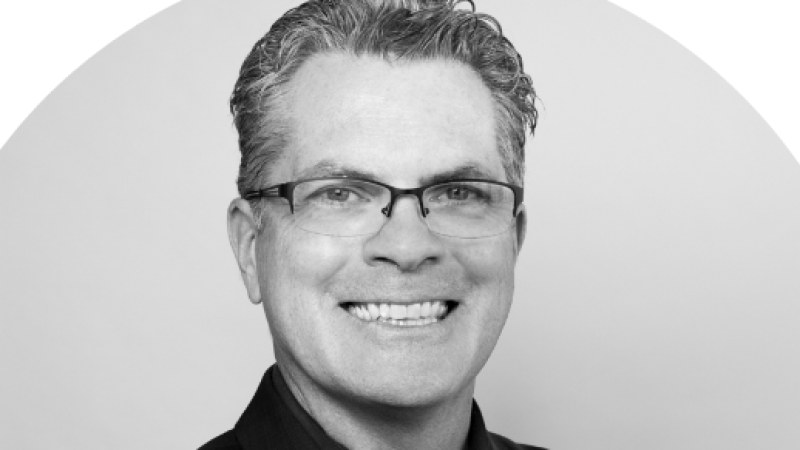
Terrence (Terry) Connolly is a chemist-turned-dealmaker who runs K36 Therapeutics, a Cambridge, Massachusetts biotech chasing a single target: NSD2/MMSET, an epigenetic switch that drives hard-to-treat cancers. A Ph.D. organic chemist who started at the lab bench making molecules at Roche, Wyeth and Celgene, he crossed over into business development at Celgene, closed more than two dozen deals, then ran the business side at Skyhawk and Dragonfly. In 2021 he took the top job at K36, and now steers its lead compounds KTX-1001 (for t(4;14) multiple myeloma) and KTX-2001 (for treatment-resistant prostate cancer) through early clinical trials, backed by a $70 million Series B led by Nextech Invest with Bristol Myers Squibb participating.

ACTIVZ
ACTIVZ is a West Jordan, Utah-based health and wellness company that bills itself as the first direct-selling brand built around epigenetics - the idea that lifestyle and nutrition can influence how genes express themselves. Founded in 2017 by David Brown and Ryan Thompson, the company sells supplements (LINQ, AIRO, Optimend) and an anti-aging skincare line through a distributor network paired with an omnichannel e-commerce model. It launched first in Spanish-speaking Mexico before expanding to the US, Peru, Japan and beyond.

Generation Lab
Generation Lab is a San Francisco longevity biotech building SystemAge, a diagnostic that measures how fast your body is actually aging rather than predicting a number. Using DNA methylation analysis of hundreds of biomarkers, it reports biological ages across roughly 19 organ systems from a blood sample, then hands clinicians an actionable plan to track whether interventions are moving the needle. Founded in 2023 by CEO Alina Rui Su, UC Berkeley aging researcher Dr. Irina Conboy, and operator Michael Suswal, the company raised an $11M seed in October 2025 led by Accel and works with 275+ clinics across roughly 18 countries.

Alina Su
Alina Su is the co-founder and CEO of Generation Lab, a San Francisco longevity startup building an at-home cheek-swab test that measures biological age across organs and systems. She got her first medical device patent at 15, founded the needle-free injection company NovaXS, left a Harvard Medical School PhD to commercialize aging science from UC Berkeley's Conboy Lab, and made Forbes 30 Under 30 in 2023. Generation Lab has raised about $11M and counts geneticist George Church and Aubrey de Grey among its advisors.
David Brown
David Brown is the co-founder, Chairman and CEO of ACTIVZ, a West Jordan, Utah direct-selling company he launched in 2017 with longtime partner Ryan Thompson. A self-described 'recovering lawyer' with a J.D. from Cornell and a Japanese degree from BYU, Brown traded corporate law for the nutrition business in 1994 and went on to lead some of the industry's best-known turnarounds - tripling Natural Balance, building Metabolife into the world's largest retail diet brand, and taking LifeVantage from roughly $3 million to more than $200 million. With ACTIVZ he built a multinational from day one, launching in Mexico before the United States and reaching markets across Latin America and Japan.
Tune Therapeutics
Tune Therapeutics is a genetic-medicine company building tools to turn genes up or down without cutting DNA. Its TEMPO epigenetic-editing platform tunes gene expression the way a sound engineer rides a fader - reversible, programmable, and precise. Spun out of Duke's Gersbach Lab, Tune raised over $175M in Series B financing in January 2025 and is running first-in-human trials of TUNE-401, an epigenetic silencer for chronic hepatitis B, with the larger ambition of editing the genome's software to extend human healthspan.
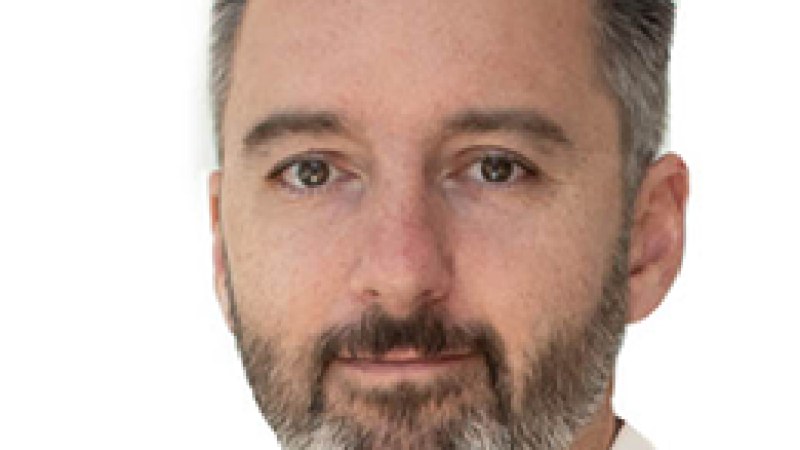
Alex Aravanis
Alex Aravanis is the CEO and co-founder of Moonwalk Biosciences, a precision epigenetics company he launched in 2024 with $57 million and Broad Institute scientist Feng Zhang. An engineer-turned-physician with degrees from UC Berkeley and Stanford, he co-founded the cancer early-detection company GRAIL, later returned to Illumina as Chief Technology Officer, and now wants to rewrite the 'software of the genome' without cutting a single strand of DNA.

Elysium Health
Elysium Health is a New York-based cellular health company that turns peer-reviewed aging research into consumer products. Founded in 2014 by entrepreneur Eric Marcotulli, operator Dan Alminana, and MIT aging biologist Leonard Guarente, it pairs a scientific advisory board stacked with Nobel laureates with a direct-to-consumer model. Its flagship supplement Basis raises NAD+ levels tied to cellular energy, and its Index test estimates biological age from a saliva sample using epigenetic methylation analysis.

Moonwalk Biosciences
Moonwalk Biosciences is a San Francisco Bay Area biotech building precision epigenetic medicines. Co-founded by former Illumina CTO Alex Aravanis and CRISPR pioneer Feng Zhang, the company pairs whole-genome, single-cell epigenome mapping with AI-guided 'read-and-write' epigenetic editing tools that reprogram cells to a healthy state without cutting or altering the underlying DNA. Launched out of stealth in January 2024 with $57 million in seed and Series A funding, Moonwalk aims to file its first IND within a few years.
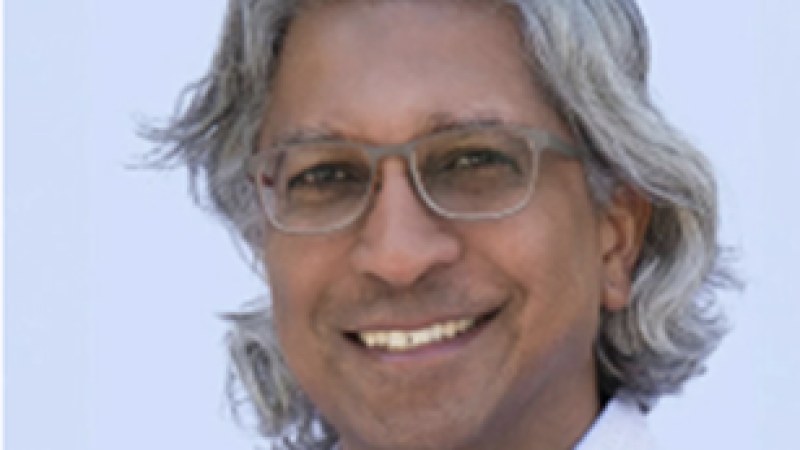
Srini Akkaraju
Srini Akkaraju, MD/PhD, is the Founder and Managing General Partner of Samsara BioCapital, a Palo Alto-based venture capital firm he founded in 2016 to translate cutting-edge biology into transformative therapeutics. With a Stanford MD/PhD in Immunology and a computer science foundation from Rice University, Akkaraju has spent over 25 years at the intersection of science and capital - from corporate development at Genentech to partnership roles at J.P. Morgan Partners, Panorama Capital, New Leaf Venture Partners, and Sofinnova Ventures. Samsara has built a portfolio of 93+ companies with 32 IPO exits, backing breakthroughs in immunotherapy, cell therapy, kidney disease, and gene therapy. His conviction-driven approach is evident in moves like a $19M personal stake in Scholar Rock, and his belief that biotech is entering an 'unbelievable innovation cycle' over the next two to three decades.
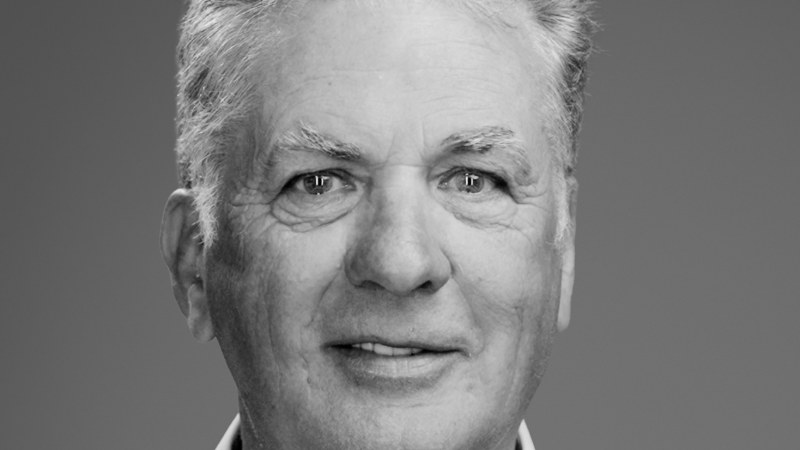
John McHutchison
John McHutchison, AO, MD is the CEO and Chairman of Tune Therapeutics, a pioneering epigenome editing company based in Durham, NC. An internationally acclaimed hepatologist and drug developer, McHutchison spent nearly a decade at Gilead Sciences as Chief Scientific Officer, where he led the development of transformative hepatitis C cures used by over 3.2 million people worldwide, including Sovaldi and Harvoni. Now at Tune, he is steering the company's TEMPO epigenome editing platform toward a new era of precision medicine for chronic and complex diseases.

Elaine Cheung
Elaine Cheung is Chief Business Officer at Moonwalk Biosciences, a South San Francisco biotech backed by $57 million in funding and co-founded by CRISPR pioneer Feng Zhang and former Illumina CTO Alex Aravanis. With 20+ years navigating the inflection points of genomic medicine - from spinning GRAIL out of Illumina, helping architect its $900M+ Series B, and steering Lyell Immunopharma through its IPO - Cheung brings a rare combination of scientific literacy and deal-making precision. At Moonwalk, she is helping build the business infrastructure for a company that has pivoted from epigenetic editing to siRNA-based therapeutics targeting adipose biology and obesity.
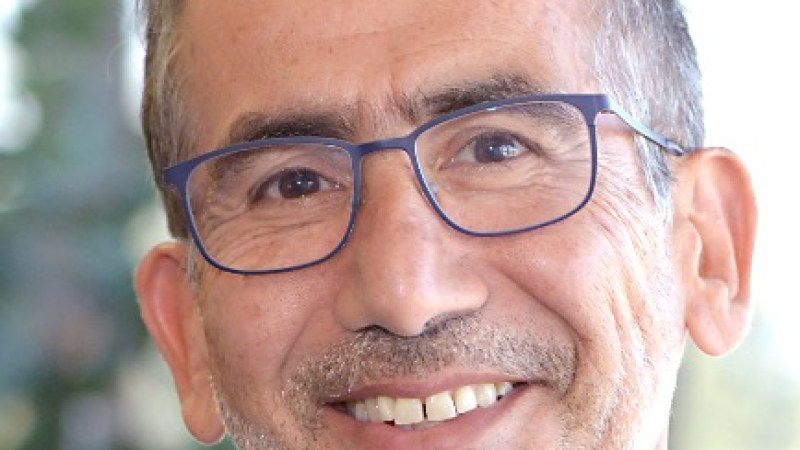
Jorge Dimartino
Jorge F. DiMartino, M.D., Ph.D., is Chief Medical Officer and Executive Vice President of Clinical and Translational Development at Plexium, a San Diego-based biotech pioneering targeted protein degradation. A physician-scientist trained in genetics, immunology, and pediatric oncology across UC Berkeley, Cornell, UC San Diego, and Stanford, DiMartino has spent over two decades advancing cancer drugs from bench to bedside. His fingerprints are on three now-marketed therapies: vismodegib, venetoclax, and enasidenib - each a breakthrough in its own right. At Plexium, he oversees clinical programs targeting SMARCA2, IKZF2, CDK2, and CRAF using the company's DELTA Discovery platform, a novel approach to degrading proteins previously considered undruggable.
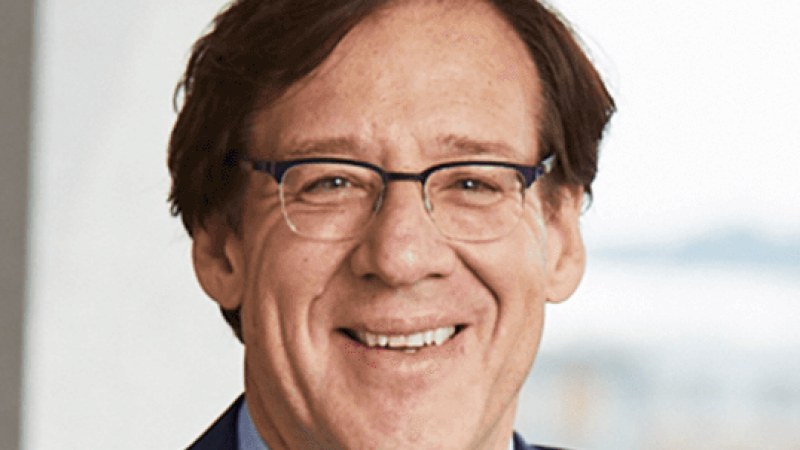
Greg Verdine
Gregory L. Verdine is a Harvard-trained chemical biologist who coined the phrase 'drugging the undruggable' and built an empire around it. The Erving Professor Emeritus at Harvard University, he co-invented stapled peptides, pioneered the field of chemical biology, and founded or co-founded more than a dozen biotech companies - several of which reached the Nasdaq and three of which produced FDA-approved drugs. In July 2023 he joined Andreessen Horowitz as a Venture Partner on the Bio + Health team, bringing his rare combination of deep scientific discovery, serial entrepreneurship, and capital deployment to one of Silicon Valley's most influential venture firms.
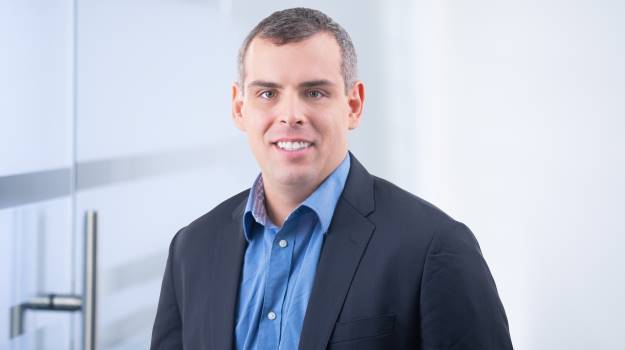
Tom Cahill
Thomas J. Cahill, MD, PhD is the founder and managing partner of Newpath Partners, a Boston-based life sciences venture firm he built from the ground up to translate breakthrough academic science into medicines. A structural biologist trained under two Nobel laureates, Cahill has co-founded more than a dozen biotech companies — including Prime Medicine, Chroma Medicine, and Autobahn Therapeutics — and became one of the pandemic's most consequential behind-the-scenes operators when he assembled Scientists to Stop COVID-19, a coalition that fed curated research directly to the White House and helped redirect Regeneron's manufacturing to Dublin.