drayage
(13)
The 9 Million-Square-Foot Machine Behind the Stuff That Just Shows Up
Custom Goods Logistics has spent more than six decades turning the least glamorous moments in commerce - customs exams, crowded docks, awkward inventory and urgent freight - into one connected service. Its advantage is not a clever app. It is owning more of the handoffs where supply chains usually come apart.
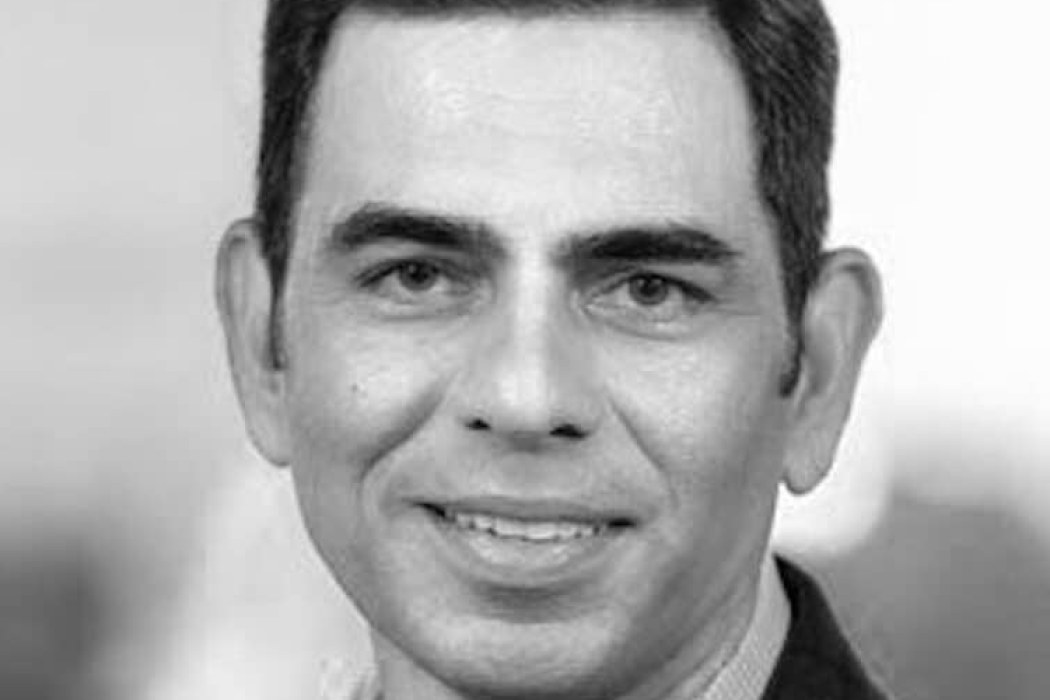
Sam Tyagi
Sam Tyagi is a Silicon Valley serial entrepreneur and the founder, CEO and chairman of KlearNow.AI, an AI-powered platform that digitizes customs clearance and drayage to make global supply chains clearer, faster and cheaper. Before KlearNow he built and exited three IT integration companies, including Softline and Systech, and he is a managing partner at Argean Capital. He often frames his mission as bringing to customs clearance what Uber brought to transportation.

PortPro
PortPro is a New Jersey-based software company that builds a drayage-specific operating platform - a transportation management system (TMS) purpose-built for the container trucking companies and freight brokers that move ocean containers between ports, rail yards and warehouses. Its drayOS platform handles order entry, dispatch, container tracking, appointment setting, billing and driver payments in one system, and in 2025 it layered on 'Jerry' and 'Helen,' agentic-AI teammates that dispatch loads, validate documents and generate invoices automatically. Founded by Michael Mecca, who grew up in the drayage business, PortPro raised a $12M Series A led by Avenue Growth Partners in 2023 and serves hundreds of drayage carriers and brokers across North America.
Terminal49
Terminal49 is a San Francisco Bay Area logistics software company that tracks ocean shipping containers in real time. It pulls status data directly from every major ocean carrier and every marine terminal in the US and Canada, standardizes it, and delivers it through a single dashboard and a developer-friendly API. Importers, freight forwarders, and drayage operators use it to know where their containers are, catch holds and delays early, and avoid demurrage and per-diem fees that pile up when boxes sit too long.
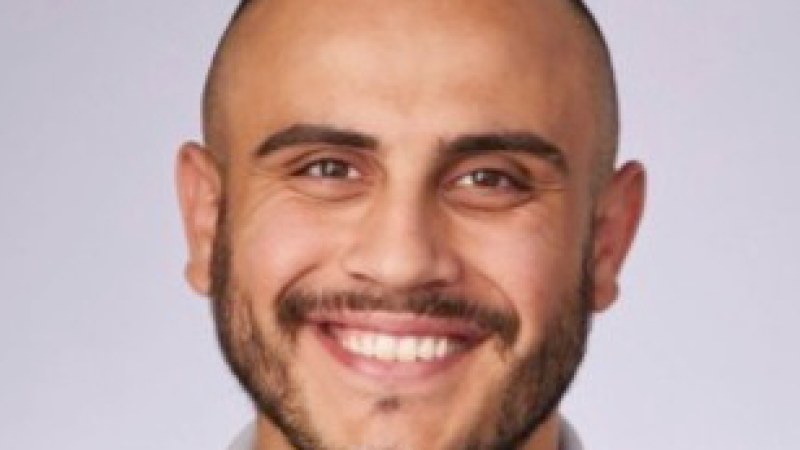
Michael Mecca
Michael Mecca is the founder and CEO of PortPro, a Kearny, New Jersey based software company building a TMS purpose-built for drayage carriers and brokers. He grew up in his family's intermodal trucking business, Mecca & Son Trucking, then co-founded Axle Technologies before launching PortPro in 2019. Under his leadership PortPro raised a $12M Series A in 2023 and now serves 550+ drayage companies, layering AI agents (Jerry, Helen) on top of its operating platform.
BlueCargo
BlueCargo is a logistics SaaS company that helps importers, freight forwarders, and drayage carriers monitor, forecast, and dispute the accessorial fees - demurrage, detention, and per diem - that pile up when shipping containers get stuck moving from port terminals to their first warehouse. Founded in 2018 by French engineers Alexandra Griffon and Laura Theveniau after they met near the Port of Oakland, the company aggregates data from North America's busiest container ports and uses AI to audit freight invoices and reclaim overcharges, having saved customers more than $175M in fees.

Nevoya
Nevoya is a San Francisco- and Los Angeles-based, fully electric freight carrier that pairs a fleet of zero-emissions trucks with a purpose-built, AI-orchestrated Transportation Management System. Rather than retrofitting legacy diesel software, Nevoya builds route optimization, load balancing, dynamic battery management, and charging schedules from the ground up for electric operations - and says the result already matches or beats diesel on cost and reliability in California. In its first six months it onboarded Fortune 500 shippers and leading 3PLs, and in July 2025 it raised a $9.3M seed round led by Lowercarbon Capital to expand across California and into Texas.

Alexandra Griffon
Alexandra Griffon is the co-founder and CEO of BlueCargo, a Y Combinator-backed freighttech startup that turns the chaos of US ports into clean, auditable data. After a stint in M&A at Lazard and retail analytics at Guerlain, she went to UC Berkeley, worked on yard-stacking algorithms inside terminal operators, and discovered ports were a multi-billion-dollar black box. With co-founder Laura Theveniau, she built BlueCargo to monitor, forecast, and dispute the detention and demurrage charges that quietly drain importers' cash. The company has grown from two people to roughly 40, serves over 700 US importers and forwarders, tracks 15M+ container events, and says it has helped recover $175M+ in per diem fees. In 2024 she was named a Rising Star in the Women in Supply Chain Awards.
Cargomatic
Cargomatic is a digital freight marketplace and technology platform that connects shippers with local and regional trucking capacity in real time. Founded in 2013 and headquartered in Long Beach, California, it specializes in drayage and short-haul freight - moving containers off ports and onto roads - alongside intermodal, full-truckload (FTL), less-than-truckload (LTL), and white-glove delivery. By pairing a carrier mobile app with smart routing and bundling software, Cargomatic helps fill empty truck miles, speed cargo off congested docks, and give shippers visibility into shipments that traditionally lived on paper and phone calls.

Why 95% of AI Agents Fail in Logistics — Pallet CEO Sushanth Raman on TPM Today
On this episode of TPM Today, JOC senior technology editor Eric Johnson interviews Sushanth Raman, founder and CEO of Pallet, an AI-agent company built for the logistics industry. Raman explains why an oft-cited MIT study found that 95% of enterprise AI projects fail — arguing the root cause is missing 'tribal knowledge' and organizational context rather than flashy technology. He details how Pallet captures the undocumented business rules inside freight forwarders, 3PLs and shippers to automate document processing, container tracking, ISFs, billing and air-freight procurement, and lays out how operators should vet AI vendors. The pair also discuss the 'AWSification' of logistics labor, real EBITDA impact, and why, despite the hype, the industry is still very early in AI adoption.
Richard Gerstein
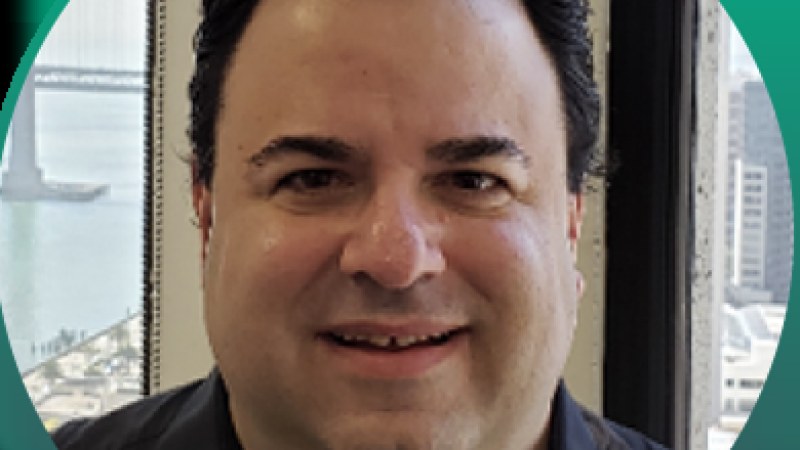
Richard Gerstein is the Chairman and CEO of Cargomatic, the marketplace that matches local and regional freight with the trucks already driving past it. He grew up on the docks of his father's less-than-truckload business in Chicago, founded the multi-modal logistics software company IntelliTrans, and since 2017 has rebuilt Cargomatic into a leading provider of local LTL, drayage, and white glove freight services. He pairs a UC Berkeley transportation engineering background with a lifetime spent around loading docks.

KlearNow.AI
KlearNow.AI is a San Jose-based logistics-as-a-service company using AI and machine learning to digitize customs clearance, drayage and trade-document workflows. Its patented data-ingestion engine turns unstructured paperwork into compliant filings in seconds, and its platform now serves more than 1,000 organizations across the U.S., U.K., Canada, India, Spain and the Netherlands.

Rick Tellez
Rick Tellez is the Co-Founder of KlearNow.AI, an AI-powered platform digitizing customs clearance and trade compliance for importers, freight forwarders, and customs brokers. Drawing on 20+ years of logistics expertise at DHL, Tellez co-founded KlearNow in 2018 to automate the manual, error-prone paperwork that bottlenecks global trade. The company has raised $69 million in funding, serves over 1,000 organizations, and generates $26.8M in annual recurring revenue.