multiomics
(11)
The Cell Had an Alibi. The Camera Kept Watching.
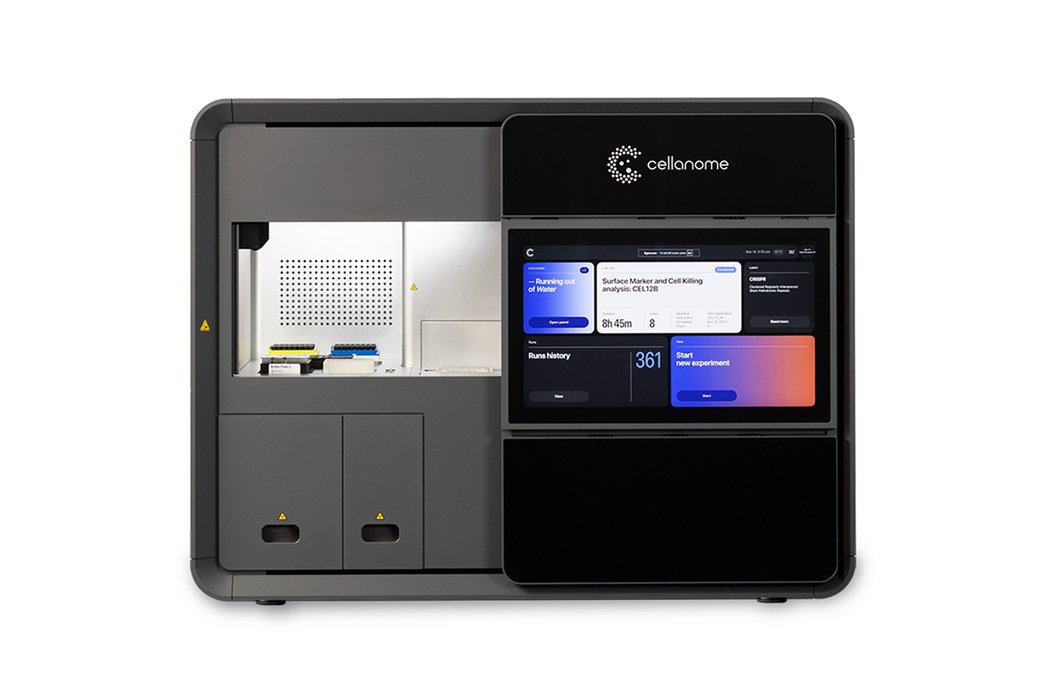
A cell can look ordinary at noon and turn resistant by night. Cellanome built a machine to keep watching - then read the RNA of the very cells in the film.
The Most Expensive Word in Drug Discovery Is “Wait”
Mithrl began by shrinking the time between a sequencing file and an answer. Its larger wager is that a scientist can ask a better question when the evidence, the analysis, and the next decision live in one place.
Andrew Feinberg Built a Career Turning Data Chaos Into Decisions
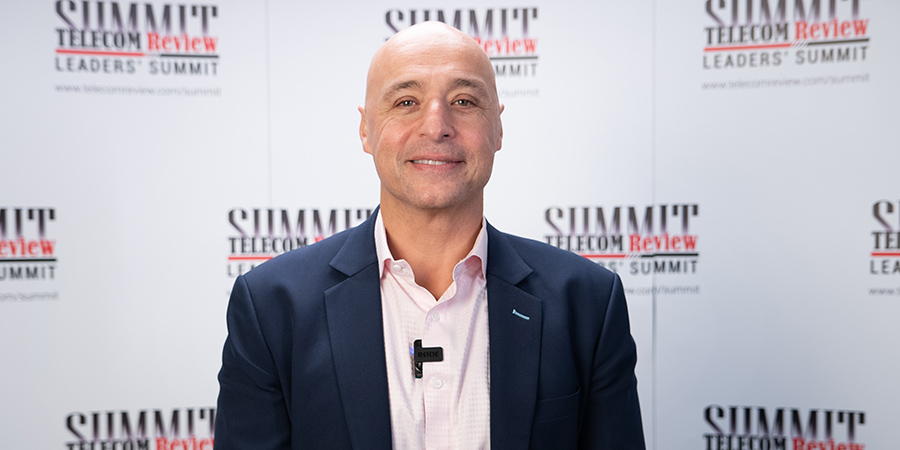
For nearly three decades, Andrew Feinberg has worked on the same stubborn problem in two very different rooms: how to turn overwhelming complexity into a useful next move.
The $4.3 Billion Toll Road Beneath the Genome Era
Illumina put DNA sequencing on a repeatable industrial workflow. Now it is trying to turn the machines, chemistry and software already embedded in laboratories into an operating system for multiomic medicine.

BostonGene
BostonGene is a Waltham, Massachusetts biotechnology company that applies AI-driven multiomics to cancer. Its Tumor Portrait platform integrates DNA and RNA sequencing with immune and tumor-microenvironment analysis into a single test, producing molecular profiles that help oncologists select therapies and help pharmaceutical partners design trials, identify biomarkers, and accelerate drug development. Founded in 2015 and led by CEO Andrew Feinberg, the company reached unicorn status in 2022.

ARNA Genomics US Inc.
ARNA Genomics US Inc. is a San Francisco-based biotechnology company developing multiomics liquid-biopsy technology for early cancer detection. Its lead assay, ARNA Breast, analyzes cell-free DNA and plasma enzyme activity from a routine blood draw to flag early-stage breast cancer, with proof-of-concept studies reporting sensitivity above 90%. Founded in 2013 and led by CEO Egor Melnikov, the company raised a $3.5M Series A in 2020 to fund clinical validation.

Calibra Scientific Inc.
Calibra Scientific Inc. (Hangzhou Calibra Diagnostics Co., Ltd., 凯莱谱) is a clinical mass spectrometry and multi-omics company that builds the full stack of precision diagnostics - instruments, reagent kits, reference materials and central-lab services. Founded in 2016 by Hua-fen Liu, a veteran of SCIEX, Roche and Pfizer, and backed as a DIAN Diagnostics company, Calibra has launched the NMPA-registered CalQuant-S mass spectrometry system, 10+ Class II reagent kits and 300+ clinical assays, serving more than 20,000 hospitals and research institutions across China.

Todd Dickinson
Todd Dickinson is the CEO and a board member of Stellaromics, a Boston biotech commercializing 3D spatial biology born from Karl Deisseroth's Stanford lab and Xiao Wang's work at MIT and the Broad Institute. A Tufts-trained analytical chemist who did his PhD under David Walt, he spent more than 20 years turning genomics inventions into products: over a decade at Illumina during its rise as the DNA-sequencing leader, commercial work on Bionano Genomics' Irys nanochannel arrays, and CEO stints at Dovetail Genomics and Arc Bio, which he merged into Cantata Bio in 2022. At Stellaromics he raised $80 million in Series B (led by Catalyst4 with Stanford University Ventures) to launch Pyxa, the first commercial platform that reads gene expression inside intact tissue up to 40x thicker than conventional methods.
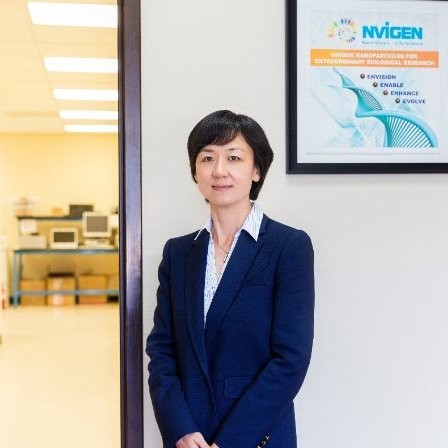
Aihua Fu
Aihua Fu is a nanobiotechnologist and the co-founder, President and CEO of NVIGEN Inc., a San Jose nanobiotechnology company building molecularly engineered magnetic and fluorescent nanoparticles for cancer detection and personalized medicine. Trained as a chemist under Nobel-track nanoscience pioneer A. Paul Alivisatos at UC Berkeley and as a postdoc at Stanford, she turned quantum-dot and magnetic-bead research into commercial tools for liquid biopsy, cfDNA extraction, single-cell sequencing and circulating tumor cell capture. Her flagship NVIGEN X and NERNST-Seq platforms aim to read DNA, RNA, protein and cell signals together to predict cancer recurrence early and guide therapy.

Newomics, Inc.
Newomics is a Berkeley, California biotechnology company building mass spectrometry front-end hardware for precision medicine. Spun out of Lawrence Berkeley National Laboratory, its silicon multinozzle emitter (M3) and MnESI ion source upgrade existing mass spectrometers to deliver microflow robustness with nanospray sensitivity, enabling higher-throughput, higher-sensitivity multiomics across proteomics, metabolomics, lipidomics, native MS and single-cell analysis. The company sells to pharmaceutical, academic and government labs and co-markets with major instrument vendors like Thermo Fisher Scientific.
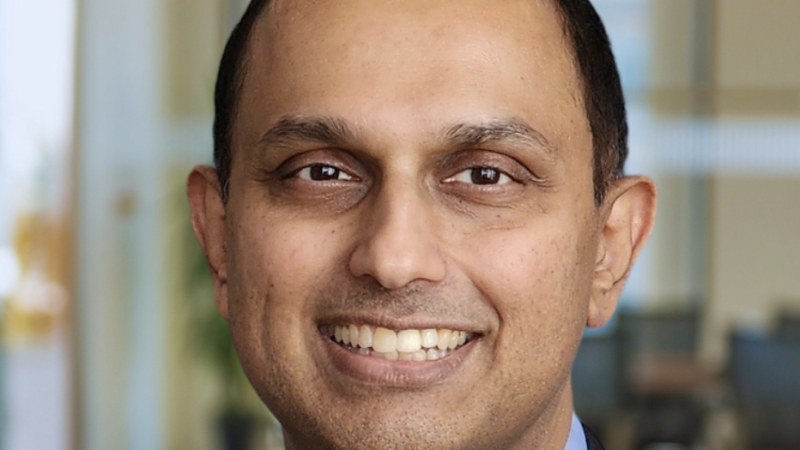
Vik Vaz
Vik Vaz is a physician-turned-executive who became CEO and President of San Diego multi-omics biotech Pleno Inc. in December 2024, arriving the same day the company closed a $25M Series B. Trained as a surgeon and interventional oncologist, he later ran strategy and companion diagnostics at Illumina and was a partner at both McKinsey and Boston Consulting Group. At Pleno he is commercializing the RAPTOR platform, which uses proprietary Hypercoding technology to detect DNA, RNA and protein targets in a single sample at high speed and low cost.