texas
(172)
Jack Daugherty and the price of respectability
Jack R. Daugherty brought bright stores, trained staff and public shareholders to the pawn business. His career turns on a deceptively ordinary question: how should people be treated when they need cash?

.NGO: Start with the cause. Borrow the machinery.
A Texas fintech paired fiscal sponsorship with donation forms, debit cards, and a shared dashboard. Its useful question: how much organization does a good idea need before it can begin?

Cash Store sells time. Time has a price.
A broken car cannot wait for payday. Cash Store turns that awkward gap into an installment loan - and its own history shows why the repayment deserves as much attention as the cash.

Cottonwood Financial and the price of right now
Cottonwood Financial built Cash Store around a familiar emergency: the bill arrives before the money. Its 2024 bankruptcy reveals how difficult that gap can be for the lender, too.
Ken Beam and the trouble with a good complaint
On a diving trip in Tortola, Ken Beam complained to his brothers about how companies treated people. Their answer helped set him on the path to founding Pegasus Logistics Group in 1994.
Larry Lawson and the business of the second act
Before he founded eCardio, Larry Lawson played keyboards in a Texas rock band. His next career took him through self-funded beginnings, a corporate merger, and a return to the business of helping other people start.
Matt Chasen and the value of empty space
A family armoire helped set uShip in motion. Now its co-founder and founding CEO is trying to make room for ordinary people in the sky.
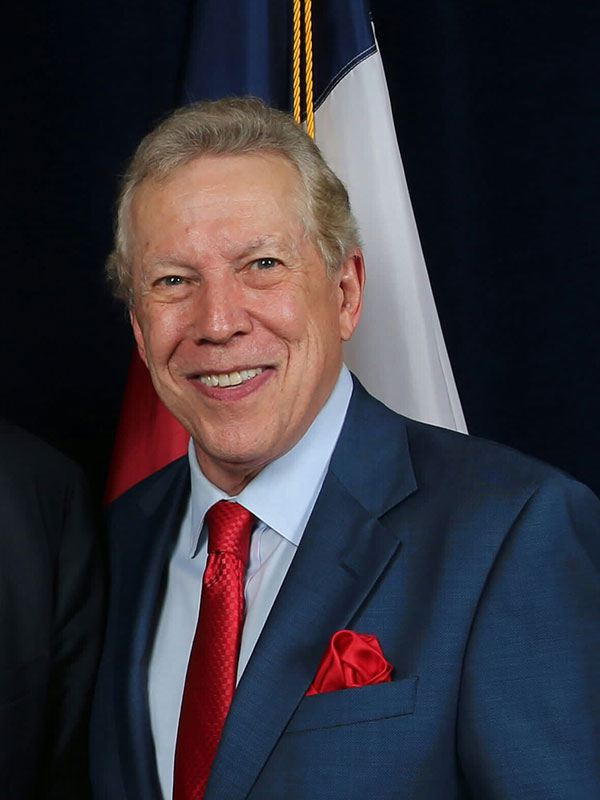
Richard H. Collins and the value of staying
A Dallas banker became an education entrepreneur, then kept returning to the same question: what gives a child a better chance? His answer runs from reading software to a historic waterfront in East Texas.
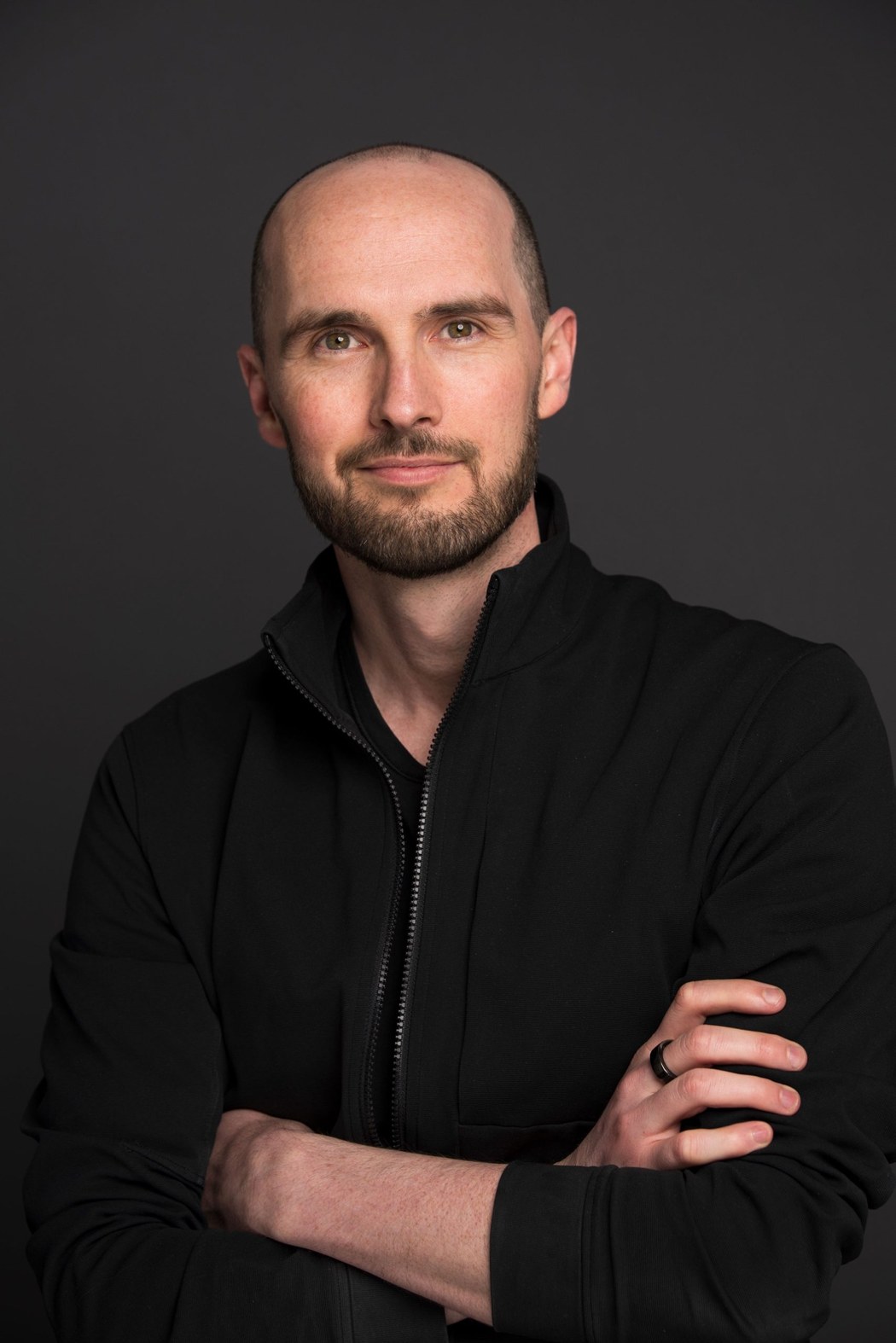
Alex Ince-Cushman and the power of getting on with it
He studied nuclear fusion at MIT. At Branch Energy, Alex Ince-Cushman is pursuing a more immediate energy problem: getting useful technology out of the lab and onto the customer’s side of the meter.
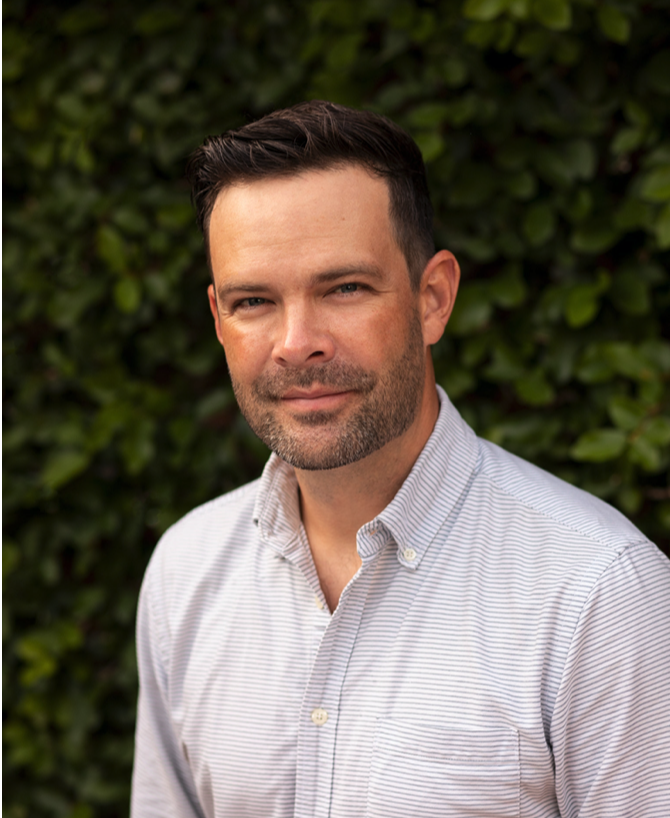
Bibb Beale and the trouble with getting bigger
Before Frontier Direct Care, Bibb Beale worked in auto repair, sourcing and property development. Across those businesses, the same question keeps returning: what has to change when a company grows?

The sale after the sale
Wholesale Payments built its business by helping merchants take a payment. Its next bet is helping them earn the next visit.

Moore Supply knows what happens when one part is missing
A Texas plumbing distributor has built its business around a small, expensive problem: the job cannot move until the right part arrives.
TekRevol makes the boring bits work
A truss quote, a field report, a plank workout. TekRevol turns the awkward parts of running a business into software - and is using that engineering business to build companies of its own.

Minjie Zheng and the trouble with looking
A software engineer wanted a more natural way into the digital world. At Ommo, Minjie Zheng followed that ambition into magnets, motion tracking and the small movements that machines struggle to measure.
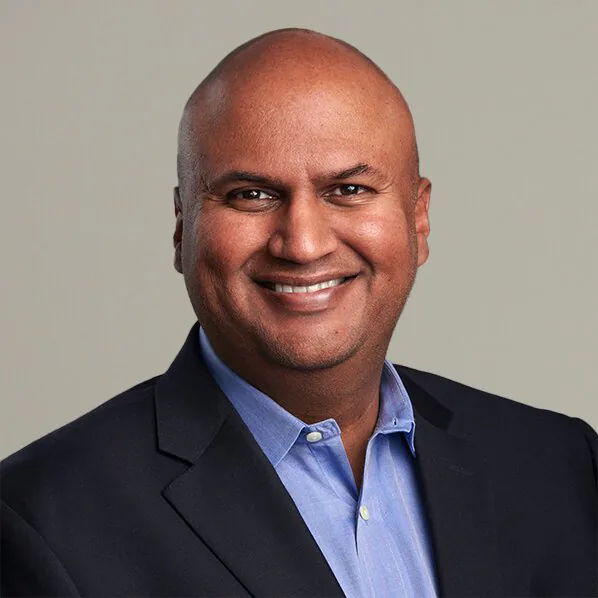
Sean Minter and the distance between knowing and doing
Sean Minter built phone companies before he found a harder connection to make: turning a manager’s data into something useful for the person answering the next call. That problem became AmplifAI.
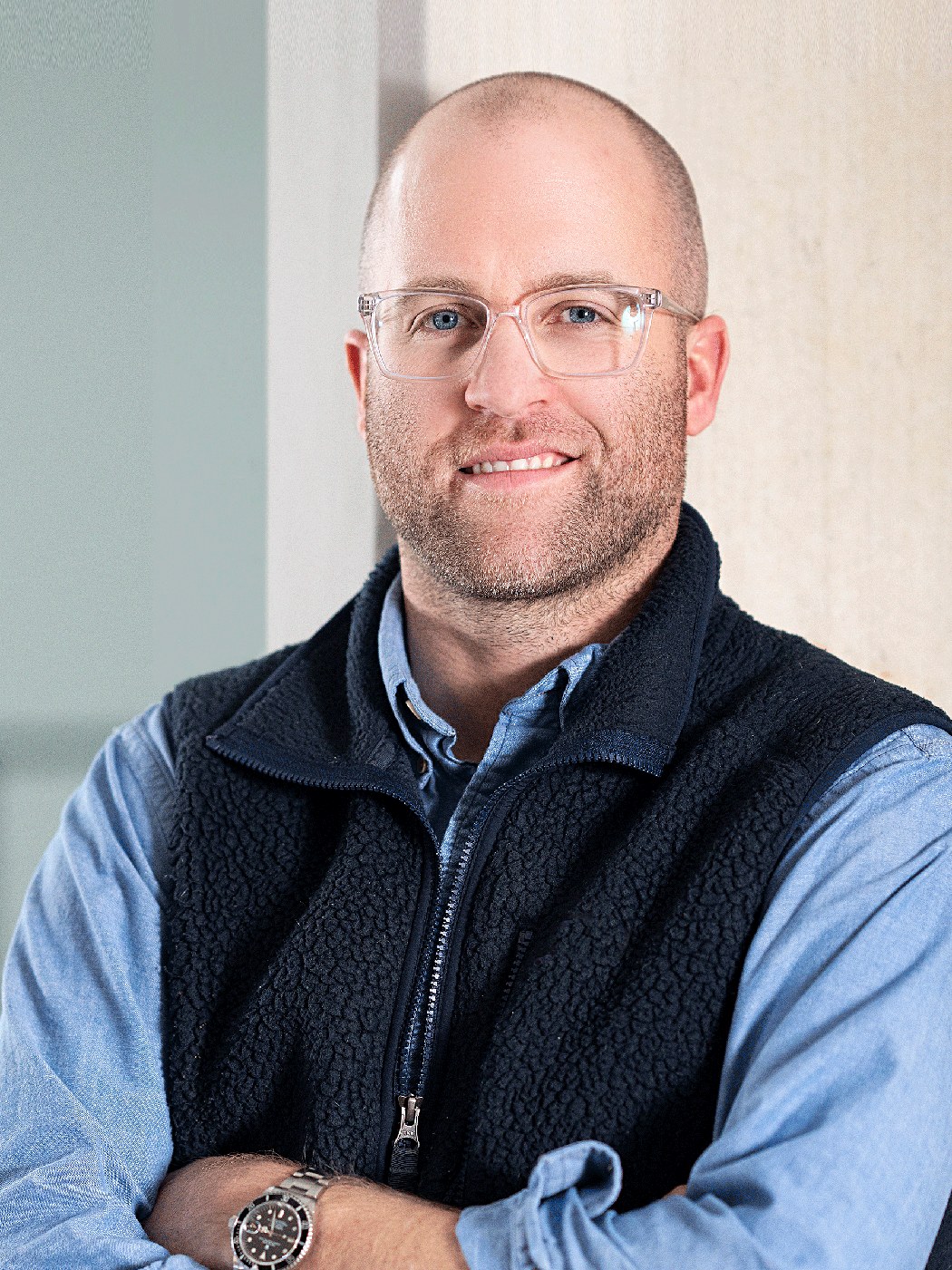
Scott Dunn and the long way back to an American magnet
To make rare earth magnets in Texas, Scott Dunn first went to China to learn the trade. His route home runs through scrap metal, an overnight factory shift, and a business built to give manufacturers another place to buy.
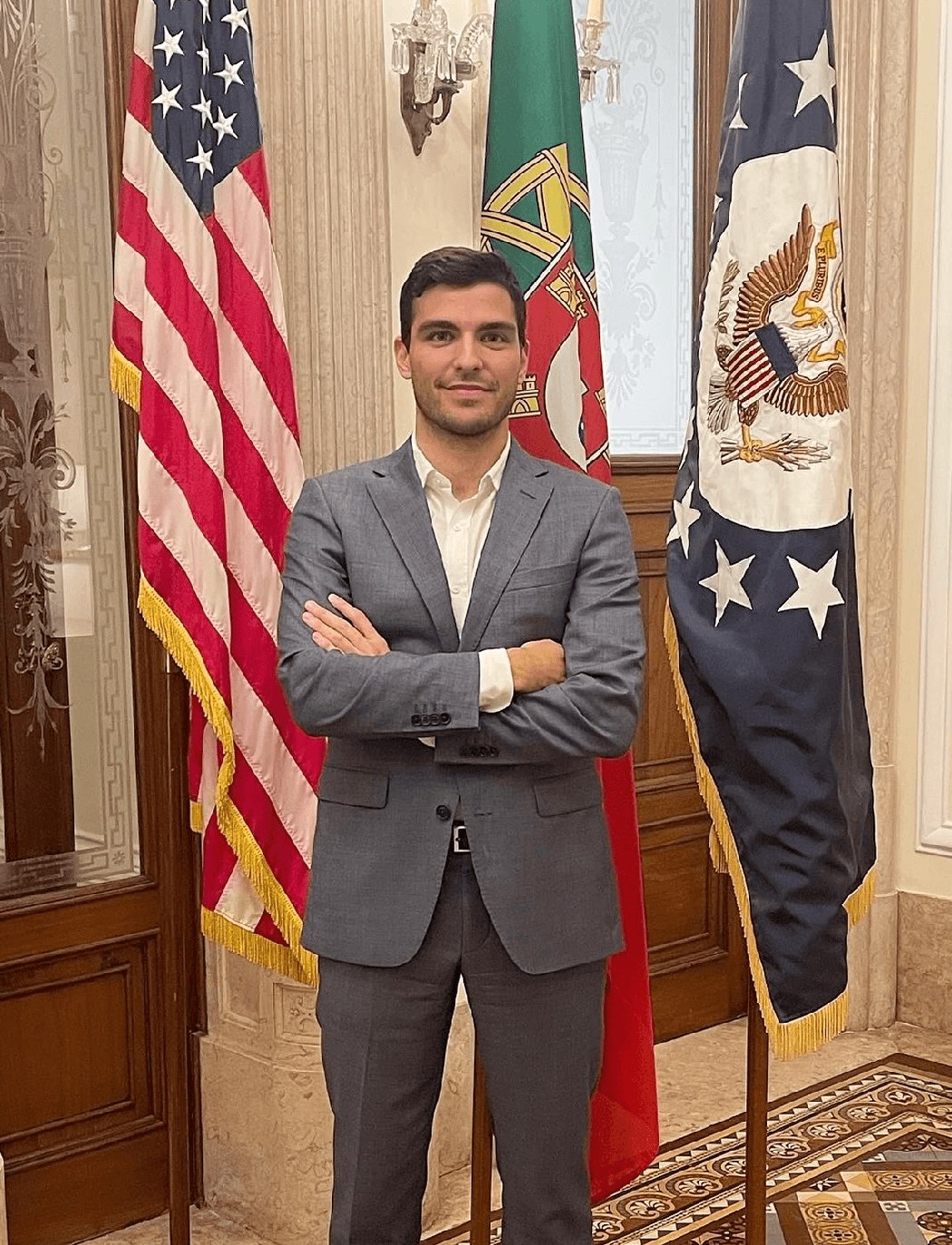
José Costa Rodrigues and the price of trust
He built a business selling phones he could not afford new. With Relive, the Portuguese founder took the same question to Texas: what makes someone trust a stranger with a consequential purchase?
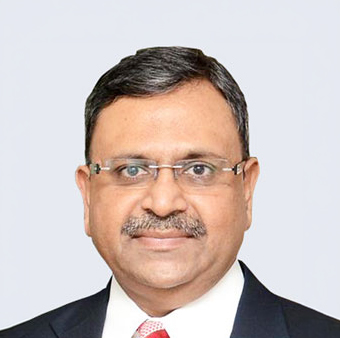
Pankaj Kumar’s Three-Day Test
PM AM’s founder built software for the work that keeps organizations running. A three-day accounting close offers a window into his career, from an early Texas office to municipal services and retail analytics.

INFOLOB and the art of moving what cannot stop
A database migration is a test of everything attached to it. INFOLOB built its business inside that problem - and is now taking the same discipline into enterprise AI.
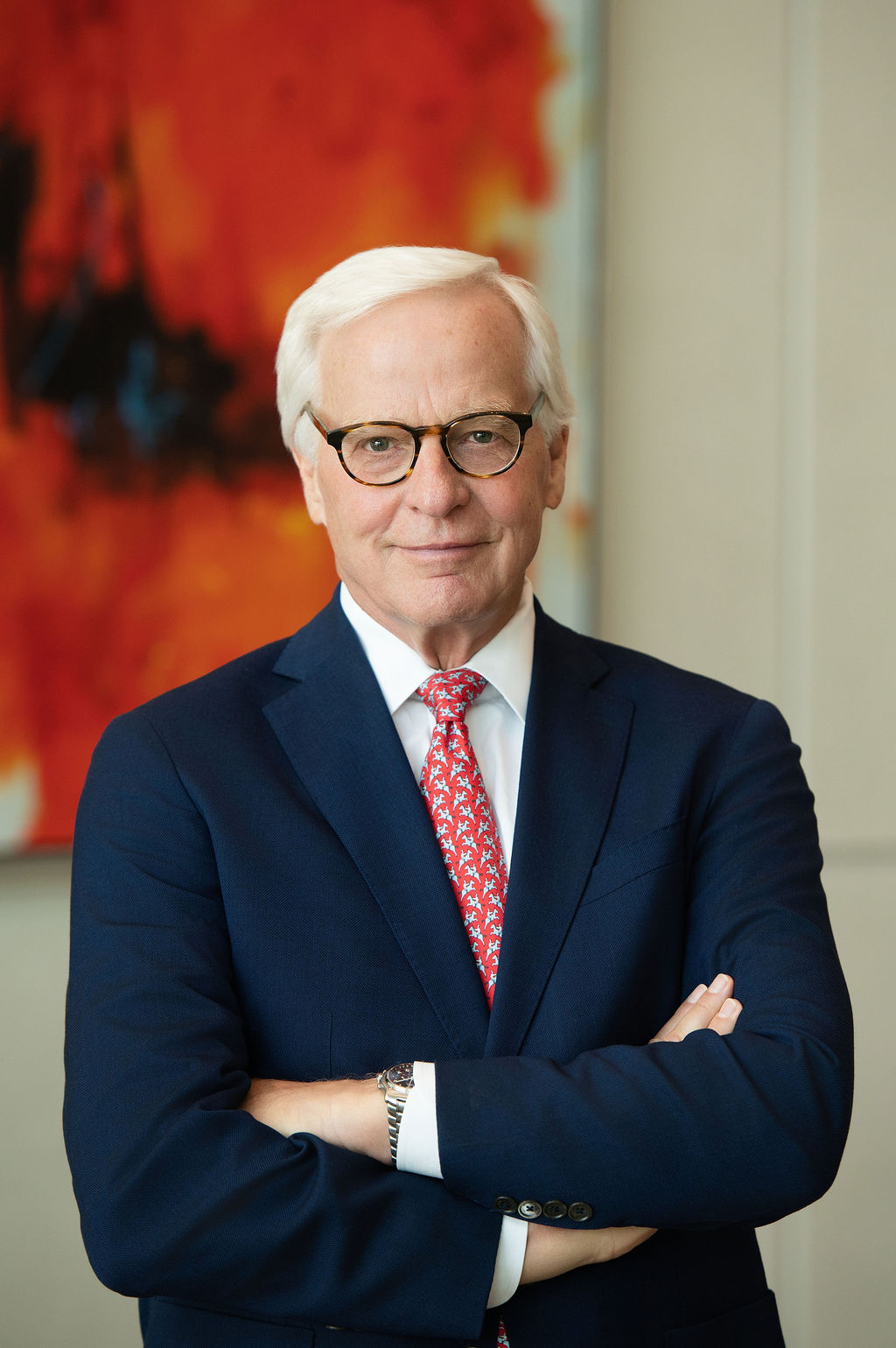
James Brickman and the value of staying put
He retired at 48, then came back to buy land when lenders were retreating. At Green Brick Partners, James Brickman has spent his second act thinking years beyond the next closing.
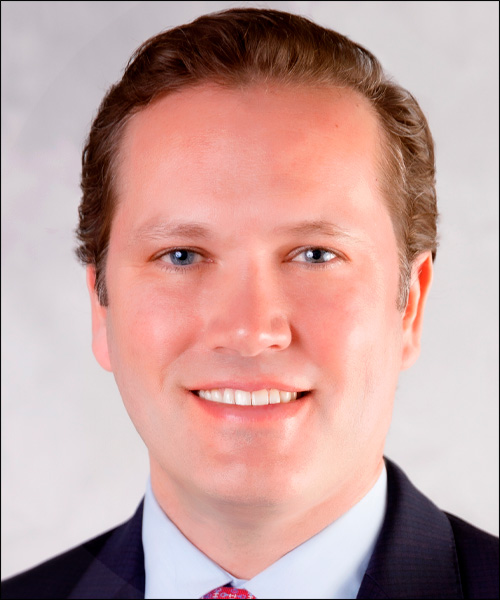
Christopher Dvorachek and the short route to a decision
After three decades in commercial banking, Christopher Dvorachek is building ServisFirst Bank’s Texas business from Houston. His approach puts experienced people close to the decisions their clients need.
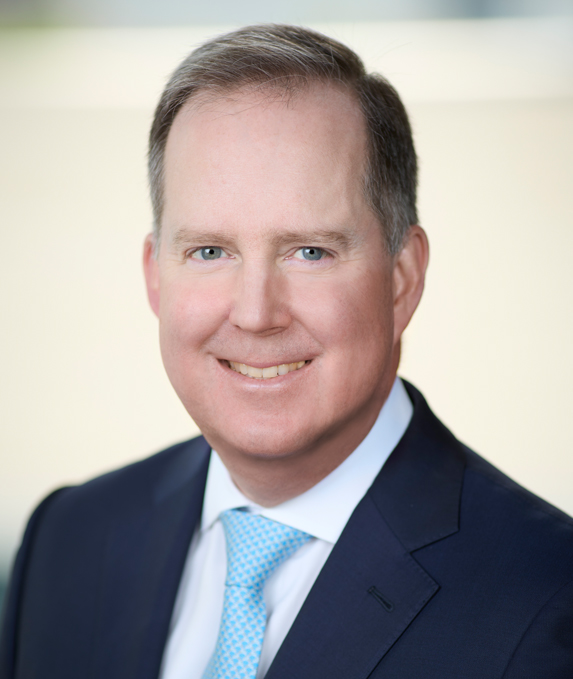
Allen Nye and the education of a utility chief
Before he led Oncor, Allen Nye learned the electricity business from service centers, regulatory hearings and a seven-year ownership ordeal. Now his assignment is to help build the grid for a growing Texas.
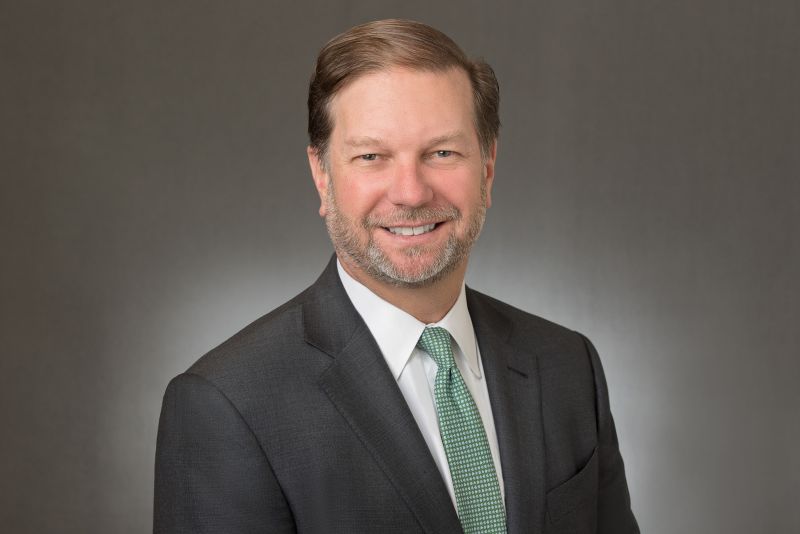
Oscar Brown and the business of what comes up with the oil
After a career financing energy projects, Oscar Brown is running Western Midstream with a growing wager on water. His next test is turning a costly byproduct of oil production into infrastructure customers will pay to use.

Excelerate Energy built a terminal that can leave
When America stopped needing its first offshore LNG import terminal, Excelerate had a useful advantage: the machinery could travel. That flexibility now anchors a business reaching from Bangladesh to Jamaica.

Chintan Shah and the business of joining things up
From an idea for a social website to the machinery behind a checkout, Chintan Shah keeps working at the meeting points. The Brainvire founder’s story runs through customers, code and the people who make them connect.
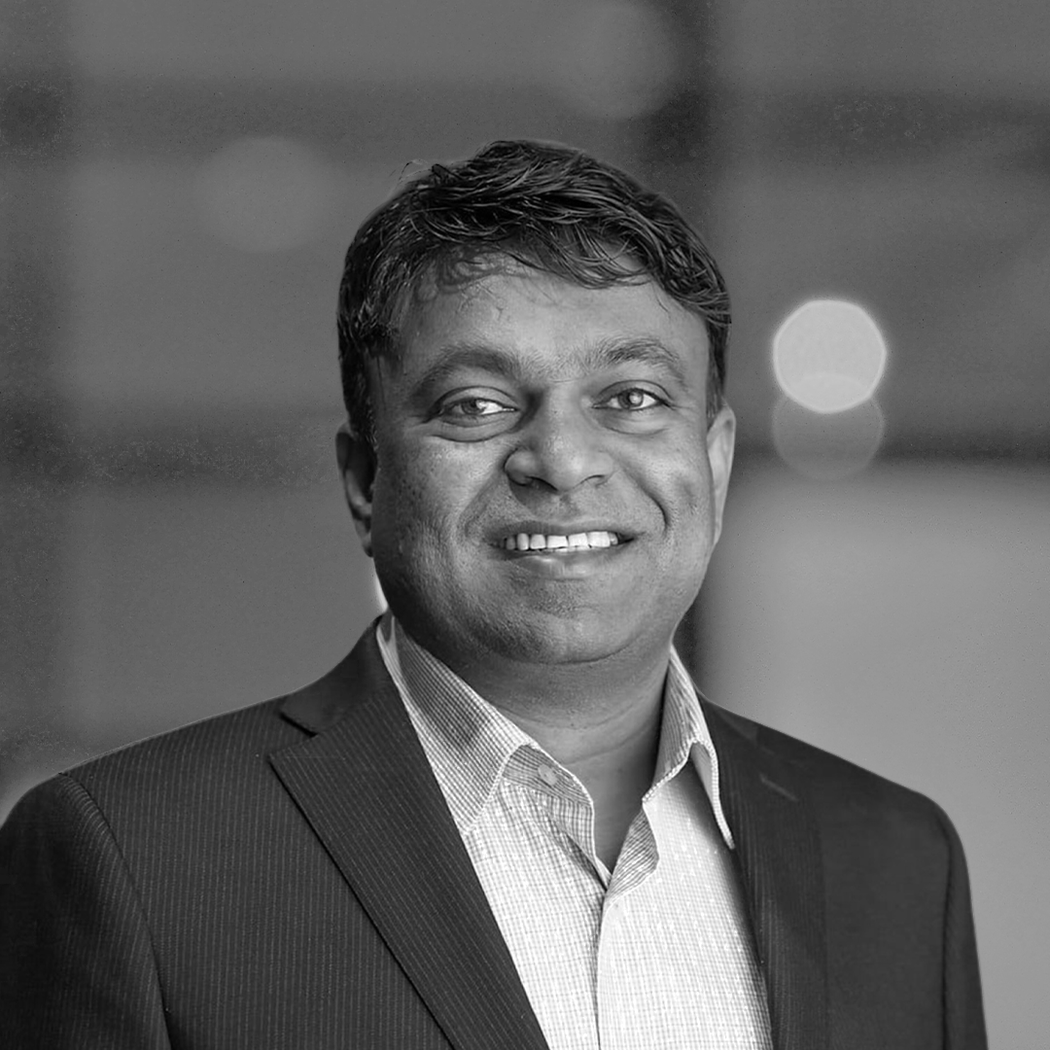
Gopi Kandukuri and the art of making technology useful
From staffing software teams to connecting enterprise AI, the Saxon founder has kept returning to the same question: what is getting in the customer’s way?
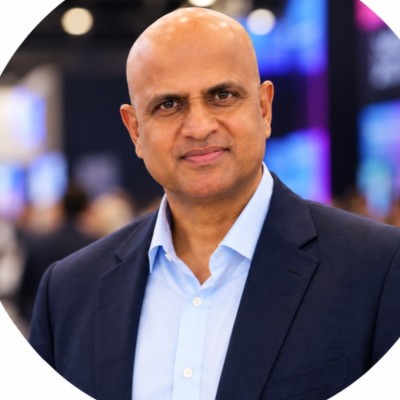
Suresh Kakarla and the work behind a moving car
A toll payment looks simple from the driver’s seat. Suresh Kakarla built TollPlus around the work behind it, then carried those lessons into Toucan Payments.
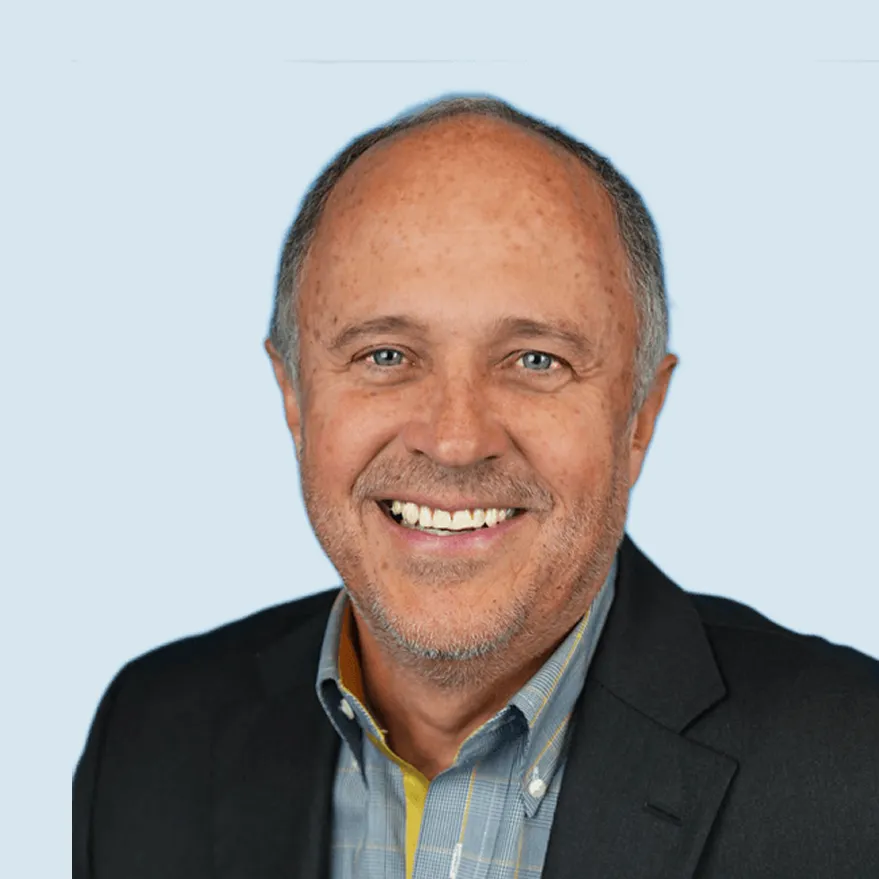
David Leidy and the business of fixing the little things
From a living room in Plano to a national phone-service business, SpectrumVoIP’s founder has kept his attention on practical value. Sometimes that means a platform decision. Sometimes it means a tangled cord.
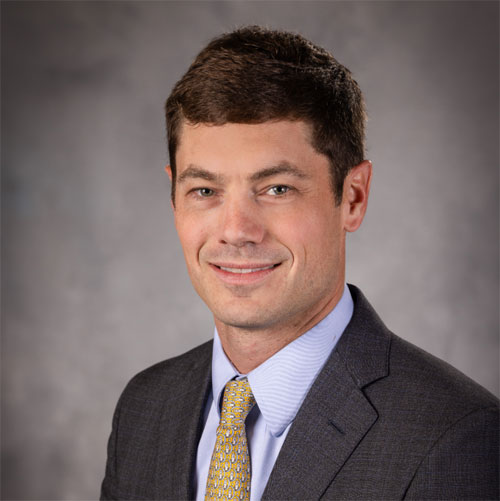
James Walter’s Big Bet on Staying Close
A childhood neighbor became his co-founder. A single oil basin became their business. James Walter’s route to Permian Resources runs through a series of decisions to keep things close.
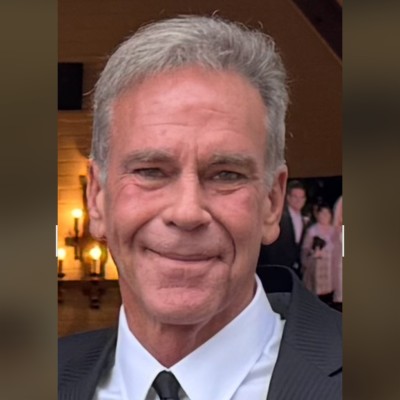
Jeff Blankinship and the business of getting things out of the way
From the paperwork at Surgical Notes to cabins in East Texas and rooms that fold for travel, Jeff Blankinship’s ventures keep circling a practical question: what would make this easier to use?