impact-measurement
(21)
Heather McGee and the work behind good intentions
From political campaigns in Utah to impact investing in New York, Heather McGee has kept returning to the same practical question: how does an ambition become something you can measure and manage?
Ship2B Foundation makes good intentions investable
A social project can change lives and still struggle to pay its bills. Barcelona’s Ship2B Foundation works in that awkward gap, pairing patient money with the discipline to make a useful idea last.

New Silk Roads knows what happens after the grant
Across Cairo, Tunis, and Amsterdam, this consultancy helps good intentions survive contact with funding, institutions, and everyday work. Its most useful product may be the connection between them.
60 Decibels asks the people your impact report forgot
A solar panel sold is easy to count. A customer helped is harder. 60 Decibels turns short conversations into evidence that investors and businesses can actually use.
Changing Our World Works Both Sides of the Giving Table
The New York consultancy has spent 27 years translating between donors, companies and institutions. Its real product is not generosity. It is alignment.
Anthropia’s startup factory has a price: show up, keep your shares
In a Duisburg villa, Anthropia helps social and green startups turn good intentions into businesses. Its Impact Factory charges no fees and takes no equity, but founders still have work to do.

Cámara Verde Wants Your Green Business to Meet Its Next Customer
Across Latin America, Cámara Verde de Comercio brings sustainable businesses into the same room as mentors, buyers and investors. Its promise becomes most interesting when you look at what a membership actually includes.
Rethink Ireland’s big bet: good causes need good operations
Cash gets a social project started. Rethink Ireland adds the planning, people and practical support that help it grow - with government and private donors sharing the bill.
Impact Amplifier Makes Good Intentions Investable
From Nando’s pepper farmers to businesses turning waste into products, the South African firm works on the awkward middle of impact investing: getting good ideas ready for money, then checking what the money changes.

BonBillo Gives World-Changing Ideas a Homework Assignment
Its alumni have raised more than $103 million, according to BonBillo. Inside the impact accelerator turning big missions into customer interviews, product tests and fundraising plans - with an expanding AI toolbox.
Britain Wanted Proof of Social Value. This Company Put a Price on It.
Social Value Portal built the plumbing between a worthy promise and an auditable result. Its bet is simple: if procurement can count community benefit with the discipline it counts cost, good intentions have a better chance of surviving the contract.

Bonterra Bought the Plumbing of Philanthropy. Now It Wants to Make Giving Grow Again.
A $2 billion roll-up put fundraising, grants, casework and corporate giving under one roof. Bonterra's harder job is turning that collection into a network nonprofits can trust - and use without adding more work.
Novata Wants to Turn Private-Market Sustainability Data Into Something Investors Can Actually Use
Private companies were asked to prove their climate and social claims with tools built for accounting by email. Novata’s bet is that one shared data layer - backed by benchmarks, carbon math and human advisers - can turn that annual scramble into useful business intelligence.
Koltiva
Koltiva is a Swiss-Indonesian agritech and climate-tech company that makes agricultural supply chains traceable, inclusive, and climate-smart. Through its KoltiTrace software platform and KoltiSkills field services, it connects smallholder producers to global brands with seed-to-table traceability, farm mapping, deforestation and EUDR compliance, carbon assessments, and digital finance. Founded in 2013 and led by co-founder and CEO Manfred Borer, Koltiva reports work with over 2 million registered producers across dozens of commodities and more than 90 countries.
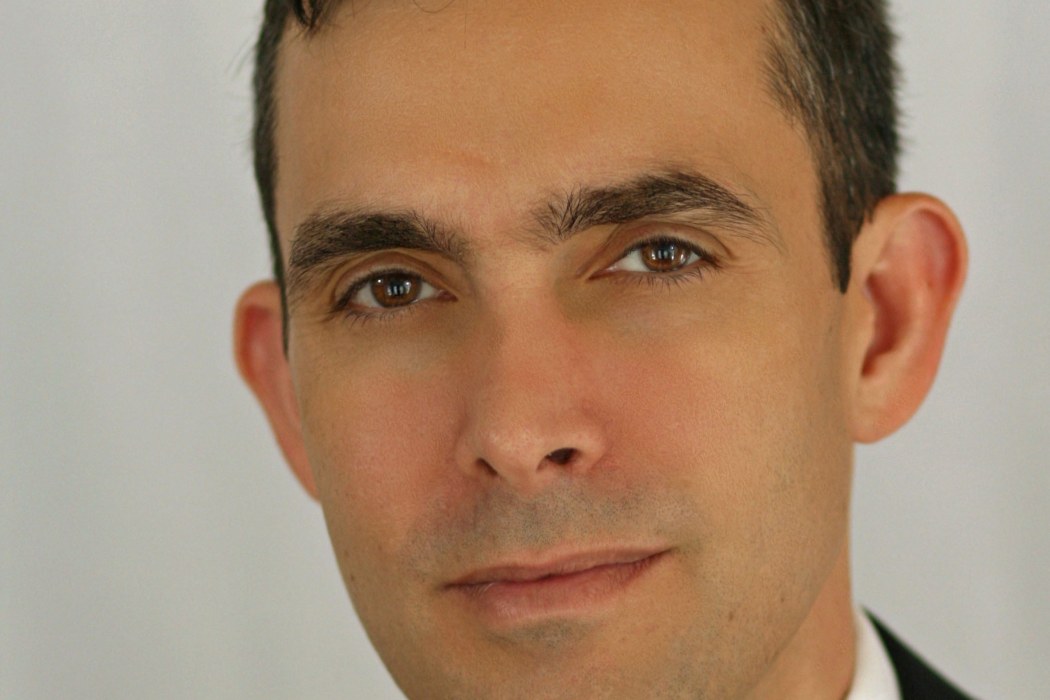
Charles Sword
Charles Sword is a New York-based revenue and go-to-market executive who has spent two decades building sales organizations for enterprise and B2B SaaS companies. He has served as Chief Revenue Officer at UpMetrics, Blueprint Software Systems, and Payfone (now Prove), founded Masthead Consulting and Ready Set Track, and held VP roles at CAST and iRise. He is now associated with Mobot, the NYC robotic mobile-testing startup, and writes regularly on how mission-driven organizations can use data and AI to measure impact.
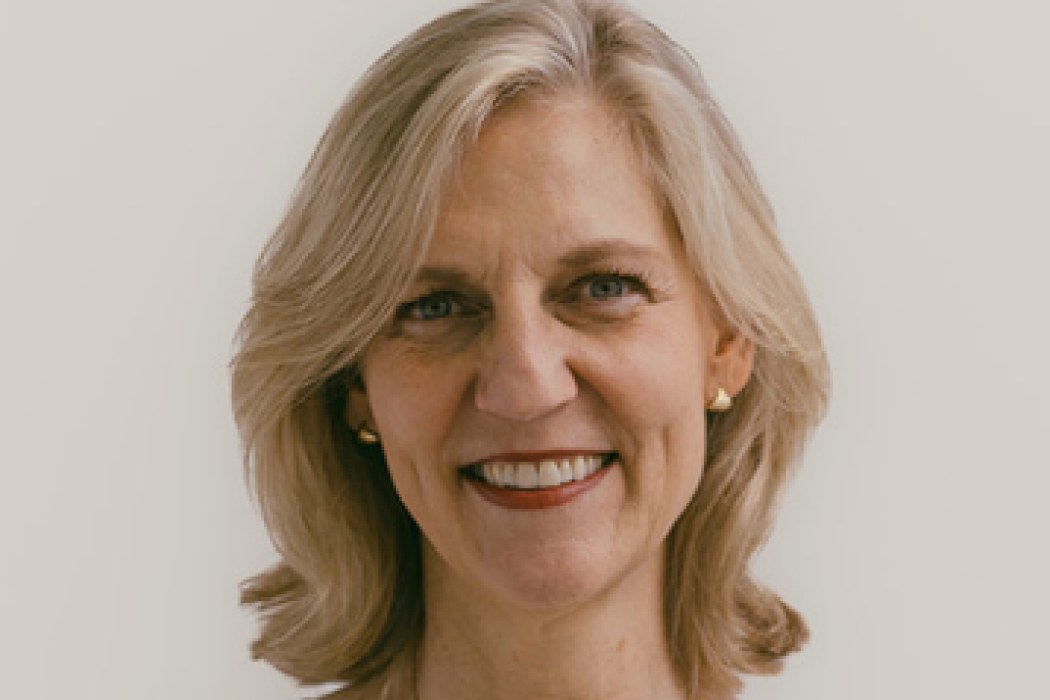
Christina Leijonhufvud
Christina Leijonhufvud is the co-founder and CEO of BlueMark, the leading independent provider of impact verification and market intelligence for investors. A veteran of Wall Street, she spent more than 15 years at J.P. Morgan, where in 2007 she created the bank's Social Finance business and helped put impact investing on the map for institutional investors. She later co-founded the impact consulting firm Tideline before launching BlueMark in 2020 to bring third-party verification and benchmarking to a fast-growing industry facing scrutiny over impact-washing.

BlueMark
BlueMark is an independent impact verification and market-intelligence firm for the sustainable and impact investing industry. Spun out of impact consultancy Tideline in 2020 and led by CEO Christina Leijonhufvud, it audits how asset managers, allocators and issuers measure, manage and report the social and environmental impact of their investments. Its verifications, benchmarks and analytics - including the flagship 'Making the Mark' report and the BlueMark IQ intelligence platform - help investors prove their impact claims are credible and reduce the risk of impact-washing.

Resilia
Resilia is a New Orleans-based B2B SaaS company that helps nonprofits build organizational capacity and helps funders - foundations, corporations, governments and banks - go beyond the grant with coaching, technical assistance, and impact intelligence. Founded by serial entrepreneur Sevetri Wilson (who first built the nonprofit-formation tool ExemptMeNow), the two-sided platform pairs on-demand courses, templates and fundraising tools for grassroots organizations with dashboards that let grantmakers track and scale impact across their portfolios. Resilia raised a $35M Series B in 2022 - the largest venture round ever for a solo Black-female-founded tech company.

Atrix AI
Atrix AI is a New York-based startup building a generative-AI platform for life sciences teams - medical affairs, commercial, clinical, and regulatory - to turn messy, siloed data and research into compliant, auditable insights. Its no-code workflow engine connects sources like MSL conversations, advisory-board outputs, and KOL engagement into dashboards, reports, and impact measurements without requiring engineers or data scientists. Founded by ex-Uber and ex-Meta engineer Vera Kutsenko, the company raised a seed round backed by Pear VC, Bling Capital, and others.
Goodera
Goodera is a corporate volunteering platform that helps Fortune 500 companies run virtual, in-person, and hybrid volunteer experiences for their employees across 100+ countries, connecting them with a network of 50,000+ nonprofits.

Abhishek Humbad
Abhishek Humbad is the Founder & CEO of Goodera, the world's largest corporate volunteering platform, connecting 500+ enterprises - including 75+ Fortune 500 companies like Amazon, Nike, Oracle, and Target - with 50,000+ nonprofits across 100+ countries. A BITS Pilani and IIM Bangalore alumnus and Forbes 30 Under 30 honoree, Humbad co-founded Goodera in 2014 after pioneering NextGen, India's first cloud-based CSR management platform. Under his leadership, Goodera has mobilized 2 million+ volunteers across 1,000+ cities in 30+ languages, raised $26M+ in funding, and now deploys an AI Ops Brain managing 100,000+ tasks monthly - treating volunteering not as a charity checkbox, but as infrastructure for workplace belonging.