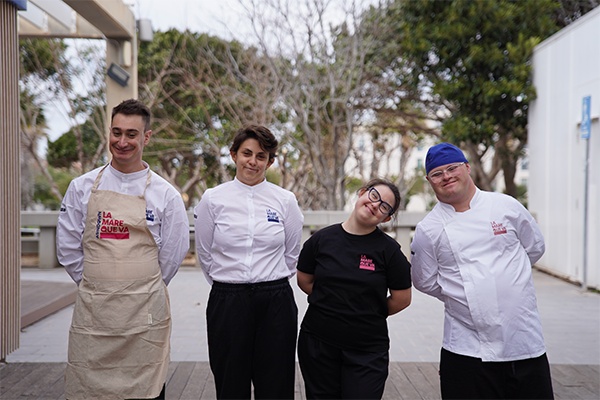
At La Mare Que Va, a hospitality training and employment project in Valencia, the question is wonderfully ordinary: can people with Down syndrome and intellectual disabilities build careers in a public-facing business? ASINDOWN developed the project with help from B-Value, a program run by Ship2B Foundation and Fundación Banco Sabadell. The ambition was inclusion. The work included turning an idea into a viable business model. Somewhere between those two things sits the foundation’s real subject.
- Help useful social projects develop income, partnerships and measurable results.
- Match their stage to the right support: mentoring, grants or patient finance.
- Keep the foundation distinct from the separate Ship2B Ventures fund manager.
Charity has a vocabulary of need. Venture capital has a vocabulary of growth. A project can speak both languages and still be misunderstood. Ship2B works with organizations whose social purpose is apparent but whose route to financial sustainability needs attention. Its interesting proposition is that a better-funded organization may first need to become a better-organized one.
01 / The awkward middle
Maite Fibla, Clara Navarro and Xavier Pont founded Ship2B in 2013. Their intention was to connect businesses, investors, startups and social organizations around an economy that values social and environmental outcomes alongside financial returns. Navarro’s earlier experience included McKinsey’s climate work; the founding team brought backgrounds across business, public administration and nonprofits. This was a meeting of professional worlds that often admire one another from a safe distance.
The foundation’s June 2026 essay on financing explains the gap it wants to address. Some organizations have evidence that their work helps people, yet still need stronger management, governance or measurement before investment makes sense. Venture philanthropy supplies flexible capital and strategic support during that transition. The diagnosis is organizational as much as financial: writing a cheque does little to clarify a confused operating model.
A conceptual continuum, not a compulsory graduation route.
02 / A mission meets a spreadsheet
B-Value makes this practical. The Spanish nonprofit program works on strategy and income generation, with Fundación Banco Sabadell as co-promoter. Participants test their value proposition with mentors and potential collaborators. Financial and communication work sits beside purpose. A social organization has to explain what it delivers to users and what makes that delivery worth supporting to a funder.
ASINDOWN’s published account describes a shift toward entrepreneurial thinking through its 2020 participation. La Mare Que Va combines hospitality training, employment and cultural activity in Valencia’s marina. The useful detail is the setting: inclusion happens in an operating venue, where customers arrive with ordinary expectations. A mission must survive contact with service, schedules and the economics of the place.
For a reader running a small social enterprise, the transferable method is straightforward: identify the beneficiary, distinguish that person from the customer or funder, test the offer, then put numbers beside the plan. This is an editorial reading of the program’s design, not a promise that a spreadsheet cures social exclusion. It does, however, make the next conversation more useful.
03 / €150,000, with a job to do
Scale4Impact concentrates on inclusion through education and employment. In May 2026, its fund approved €75,000 for Fundación GetUp and another €75,000 for NeurekaLab. GetUp supports people with dependent children or young people toward dignified employment. NeurekaLab develops technology for detecting and addressing learning difficulties in primary-school children. The financing followed work on their models and readiness to raise capital.
Two equal allocations. €150,000 total approved financing.
These amounts describe capital allocated to projects, rather than the foundation’s operating cost. They also reveal a distinction between entering an accelerator and receiving money. Preparation comes first; a funding decision follows. The current Scale4Impact design requires an operating project, initial metrics and a potentially sustainable business model. A stirring pitch without those ingredients faces a rather different conversation.
04 / Patient money has obligations
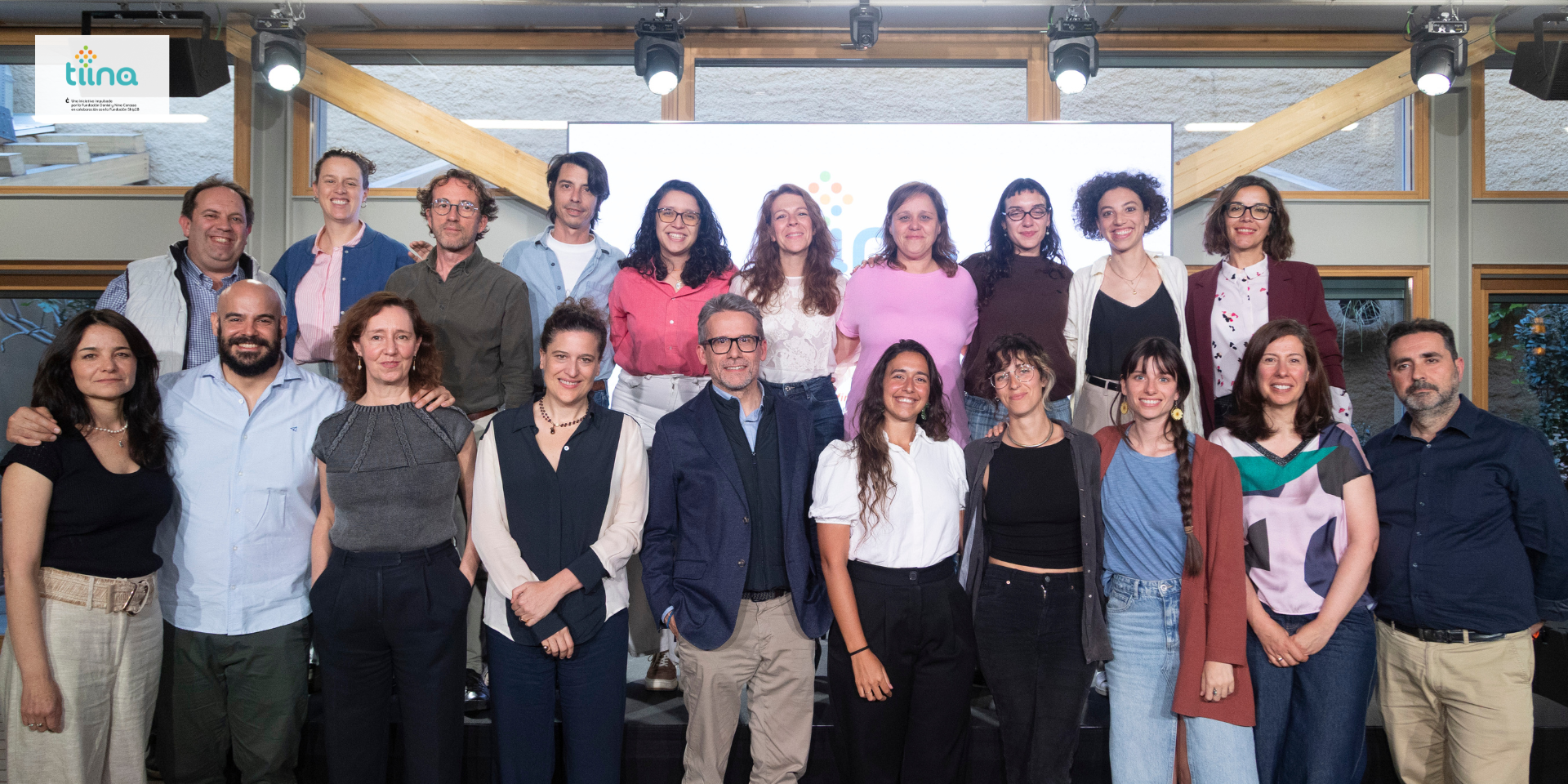
Tiina, promoted by Fundación Daniel y Nina Carasso with Ship2B, covers sustainable food and citizen art. Its current offer includes loans of €50,000 to €100,000, backed by a €500,000 annual fund, plus mentoring and impact management. That combination makes room for projects which would look unusual in a technology-only accelerator: cultural activity and food systems belong in the same financing conversation.
A loan creates obligations. The relevant test is whether a project can become financially self-sustaining while delivering its intended outcomes. Tiina asks for an operating project with initial metrics, based in Spain and active at least partly there. For a service that requires continuing subsidy, a loan may be a poor fit. The discipline is to choose finance that suits the work, rather than reshape every mission into something an investor can buy.
05 / Knowing which work to share
Ship2B’s own structure has changed. In 2020, its founders and Daniel Sánchez established Ship2B Ventures as an independent regulated investment manager. The venture funds belong to that separate organization. Then a 2023 agreement assigned operation of the Health&Care and Tech4Climate accelerators to Impact Hub from January 2024, under shared branding. Ship2B announced greater focus on venture philanthropy and talent development.
That arrangement helps explain its market position today. Generic accelerators offer business support; grantmakers provide philanthropic resources; investment managers seek investable companies. Ship2B’s foundation programs bring model development, impact measurement and connections to financing together. Its customers and participants include nonprofit leaders and social enterprises, while corporations and foundations help supply expertise and resources. Collaboration is visible in who operates the programs.
06 / Follow the outcome
Francesc Sistach became director general in September 2026 after years at Specialisterne, working on neurodiversity and employment. His published interview gives the approach a concise rule: remain attached to the intended impact while allowing the operating model to change.
“Don’t become attached to the activity model; become attached to the intended impact.”Francesc Sistach, September 2026
Translated from Spanish.
The lesson travels beyond Barcelona. Establish what improves someone’s life, learn who will pay for its delivery, and choose support appropriate to the evidence. Ship2B can help teams do that homework and meet useful partners. Its offer requires time, leadership commitment and a willingness to revise the plan. Good intentions arrive easily. Making them last is a more demanding craft.