impact-investing
(194)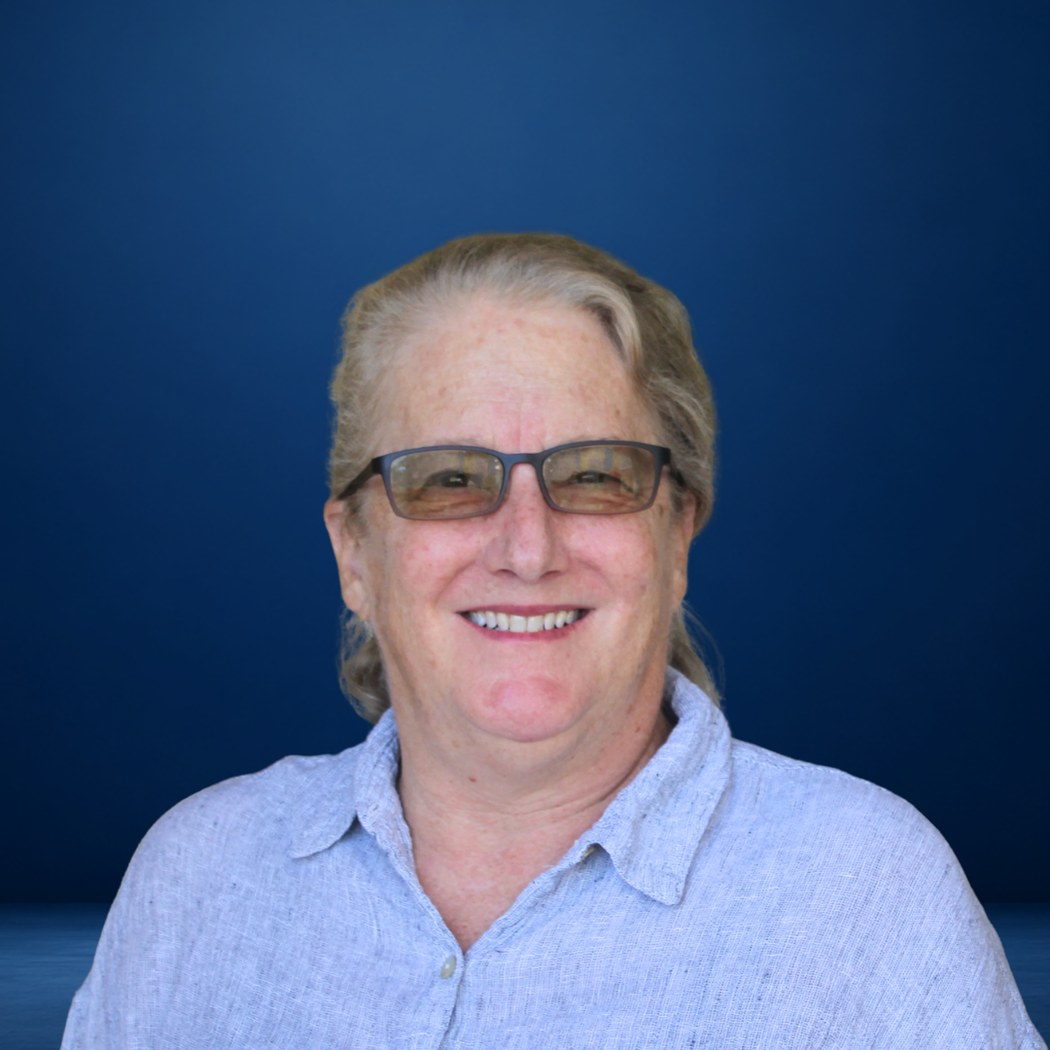
Leslie Durschinger’s long game: making forests investable
After two decades in financial services, Terra Global Capital’s founder turned to the business of keeping landscapes standing. Her work runs from carbon accounting and political risk insurance to community partnerships - with a family olive farm in the background.

Jax Harrison wants kindness to earn its keep
From film production to humanitarian investment, Jax Harrison has made a career of bringing people together. At The Future Found, she is giving that instinct a financial structure.
Illumen Capital bets on what bias misses
A fund manager can have the right numbers and still get the wrong reception. Illumen Capital invests in that gap, pairing capital with the work of changing how investors decide.
RH Capital bets on the patient everyone missed
A women’s health fund built a $43.5 million platform around overlooked needs. Its harder question: can the innovation reach the people who need it most?
Tamar Capital: Put the help on paper.
A family office discovered that helping founders one request at a time had limits. Its answer became a curriculum connecting design, impact, and finance.
The Future Found wants profit to pay for protection
Jax Harrison’s company connects technology investing with humanitarian response. Its most revealing detail is a plan to send up to 20% of company profits to the work of moving people to safety.
Coyote Ventures bets on the gaps in care
A former Impossible Foods scientist is backing the businesses that make healthcare easier to reach. The interesting part is how far beyond the exam room she looks.
Just Business puts purpose on the balance sheet
A drinks brand, a trucking technology and an anti-trafficking nonprofit share an investor. Just Business is betting that the connections between them matter as much as the companies themselves.
The climate bet needs a buyer.
Vectors Capital backs the machinery behind a cleaner economy. Its wager: a climate startup gets further when the investor, the engineer and the first customer are in the same room.
Make the invisible worker count.
Working Capital Fund backs the technology that helps businesses see who makes their products - and gives them a reason to improve the job.
Flourish Ventures is buying time
The fintech investor has $850 million and an unusually patient backer. Its bigger bet is that better financial services require a different kind of venture capital.
Rhia Ventures wants money to meet the patient
Women’s health has attracted more investors. Rhia Ventures is asking a harder question: what kind of money reaches the people still being left out?

Fifty Years bets on the scientist before the startup
A discovery can spend years waiting for a company. Fifty Years is trying to shorten that wait, with early checks, free founder training, and a practical education in getting science out of the lab.

Kapor Capital bets on the gaps
The Oakland venture firm looks for businesses that make money by widening access. Its most useful idea may be what happens after the check clears.
The People's Group: Who Gets to Own the Future?
Christine De La Rosa built a cannabis fund around the founders other investors overlooked. The proposition was practical: pair capital with the knowledge it takes to keep a business alive.
J-Impact Fund bets on the bottlenecks
A water pipe. A concrete pour. A battery that could earn more. J-Impact Fund looks for businesses that make essential systems work better - and make money doing it.

TRANSFORM VC starts at zero.
A venture firm betting on overlooked founders has a deceptively simple demand: pick one impact metric, and count from day one. Even when the answer is zero.
AiiM bets on the hard part
A working invention is only the beginning. AiiM Partners backs the awkward, expensive journey from proven technology to a business that customers can actually use.

Chasing Rainbows bets on the founders others miss
A venture fund built around LGBTQ+ founders makes a practical wager: knowing who gets overlooked can help you see a business before everybody else does.
Xiaochen Zhang wants AI to earn its welcome
From climate finance and blockchain to AI 2030, Xiaochen Zhang has kept returning to one problem: how to make new technology useful, accountable, and available to more people.
Chad Sachs wants to know what the numbers leave out
He co-founded Radian Generation to help solar investments deliver on their promises. Now, as NESsT’s CEO and CIO, Chad Sachs is taking the same practical questions into coffee farms, cooperatives, and the business of earning a living.
Dirk Bischof’s business of opening doors
A factory floor in East Germany taught Dirk Bischof what a small business could mean to a family. From Hatch’s first Brixton incubator to a new venture in Guernsey, he has kept returning to the question of who gets a way in.
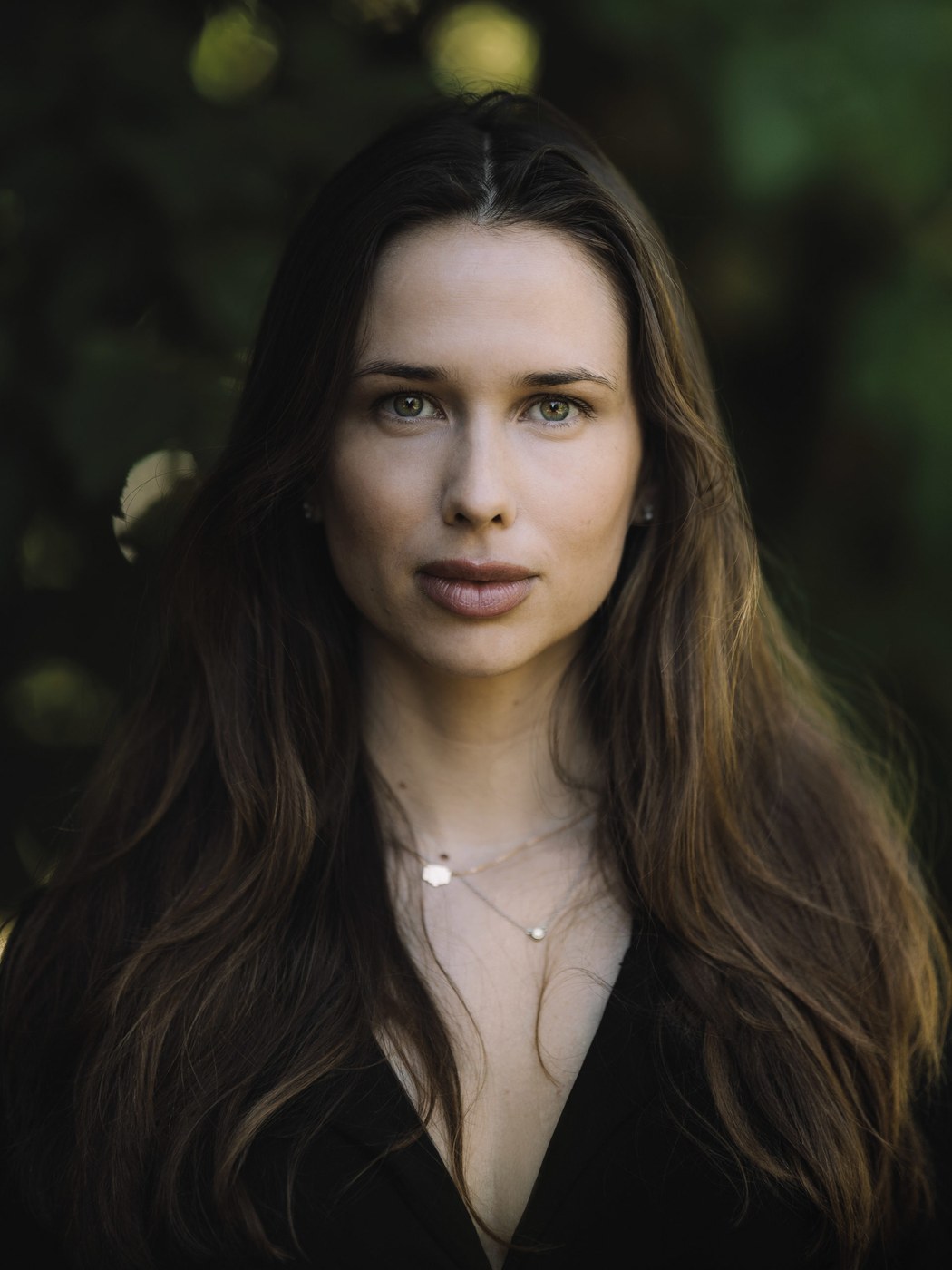
Alisée de Tonnac and the hand that stayed down
A question at L’Oréal unsettled her carefully planned career. Twenty countries later, Alisée de Tonnac was helping build a different route for entrepreneurs in emerging markets.
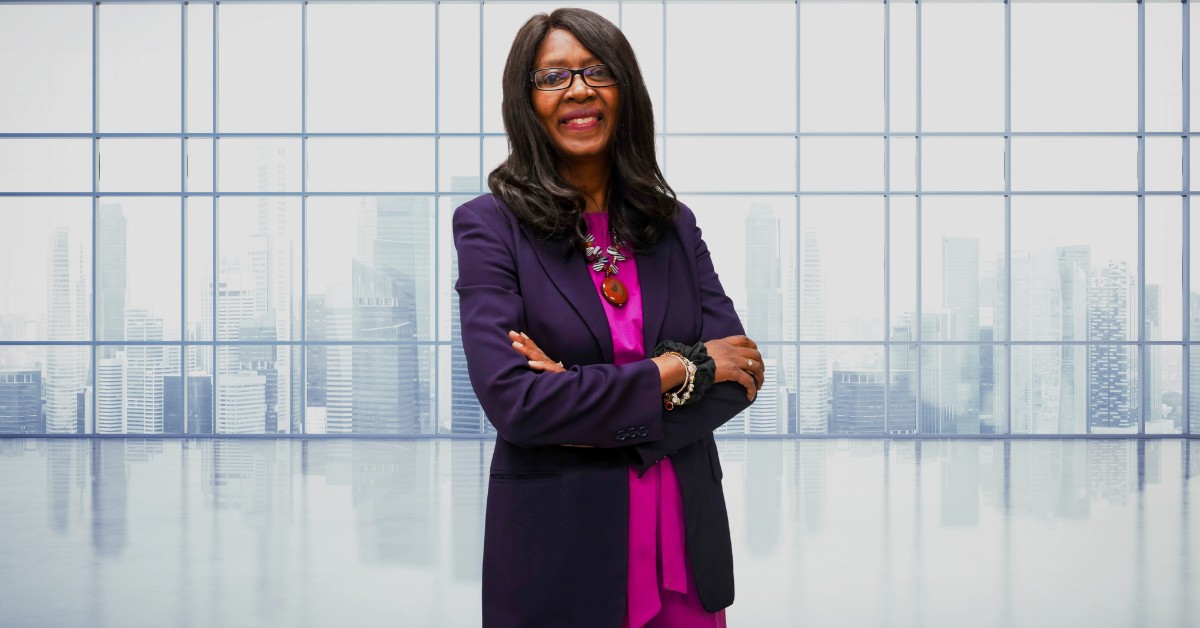
Kim Folsom and the businesses hiding in plain sight
After six technology ventures, Kim T. Folsom turned to the owners with customers, payrolls, and too few financing options. Her seventh venture, Founders First, pairs growth capital with the practical work of building a business.
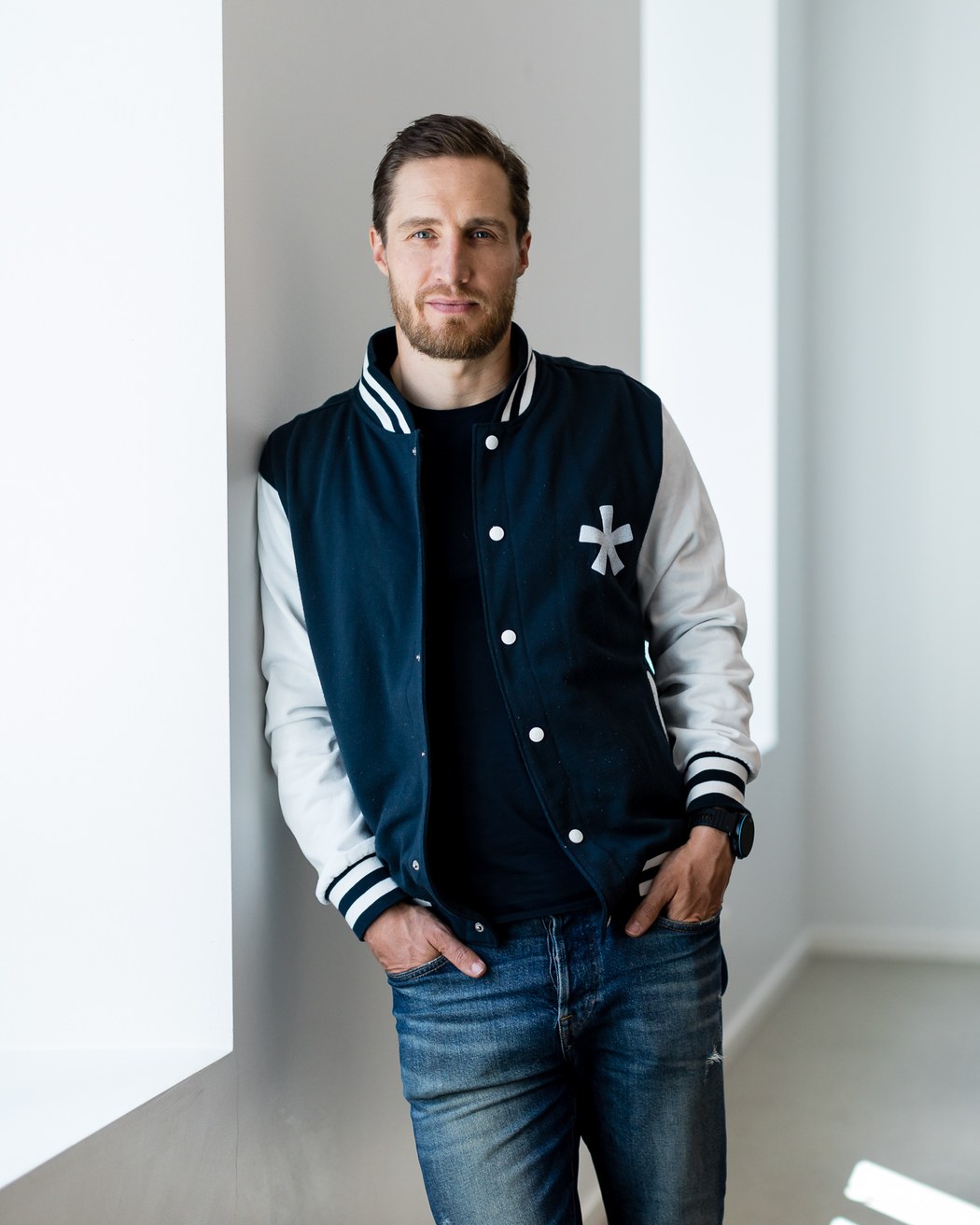
Pierre-Alain Masson and the geography of a good idea
Before Seedstars reached more than 90 countries, Pierre-Alain Masson was building internet businesses in Geneva. A competition took him abroad; the work that followed was about what happens after the pitch.
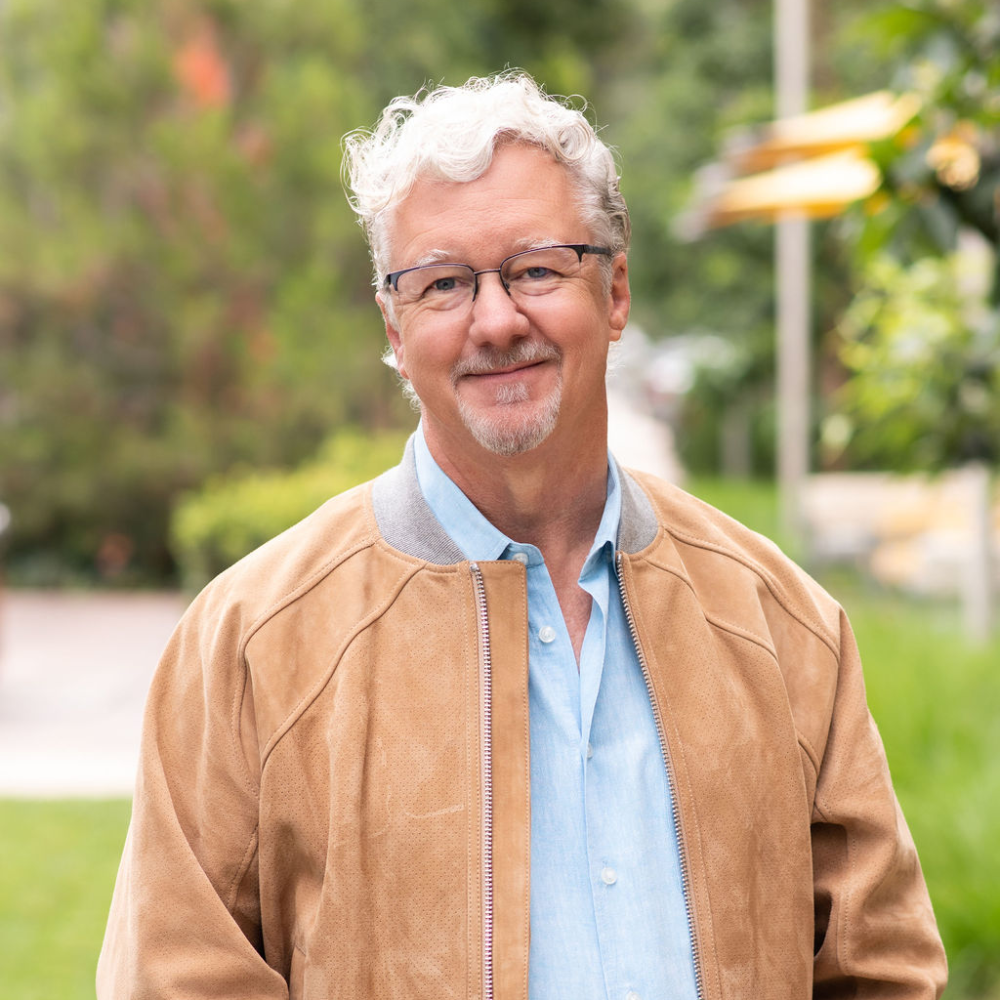
Stephan Erkelens and the business of opening doors
A coffee trader once told to come back in ten years now helps other founders get a hearing. At RevHub, Stephan Erkelens is putting his experience in markets, money and philanthropy to work on the question of who gets to build a business.
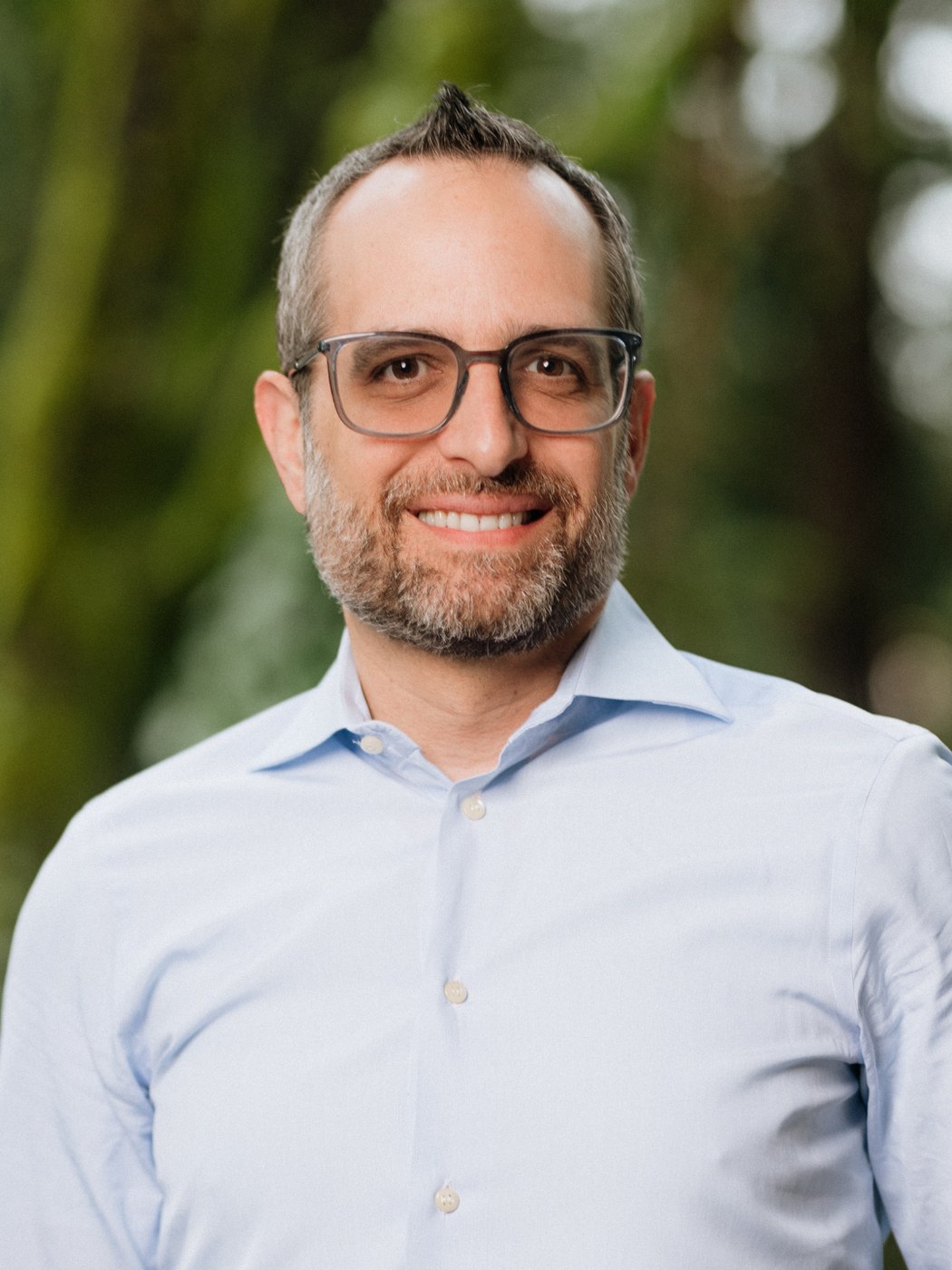
Todd Khozein’s Other Kind of Wealth
The SecondMuse co-founder has spent years connecting people who might otherwise never meet. His bet: the relationships around a business help determine what it can become.

Women’s World Banking: Make the account count
A bank account can sit idle for years. Women’s World Banking works on the harder problem: making financial services useful enough for women to use them.
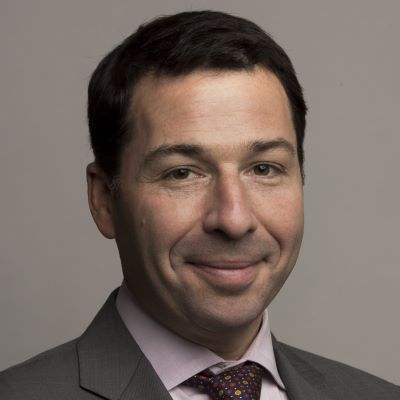
Rafi Musher and the value of showing up
He started Stax in a shared Boston kitchen. Three decades later, Rafi Musher is applying an investor’s questions to a different problem: how to make useful things happen for other people.
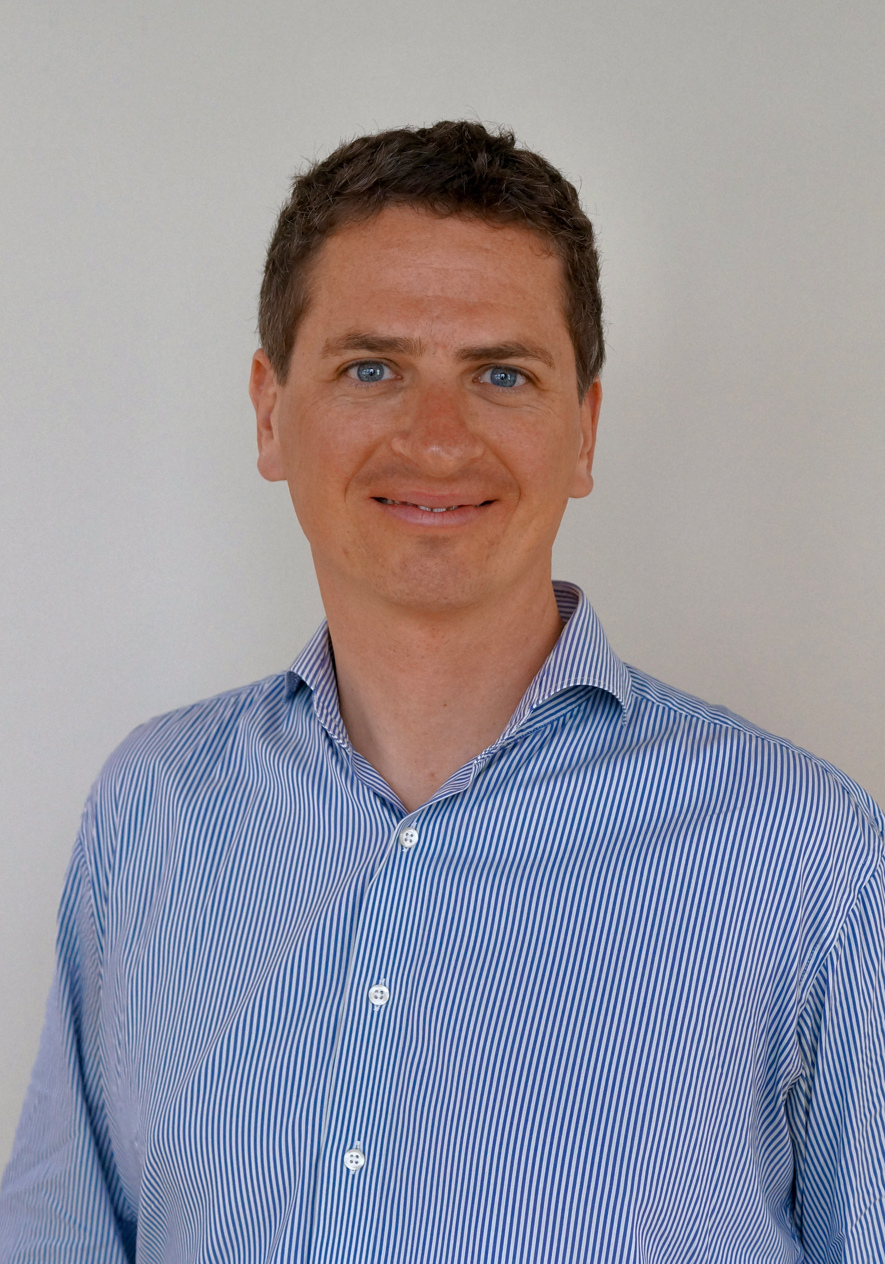
Markus Linder and the trouble with choosing
After building Zoovu to help shoppers make decisions, Markus Linder left its daily operations and took his family north. He returned with a different question: what does a purchase cost the planet?