cross-border-payments
(139)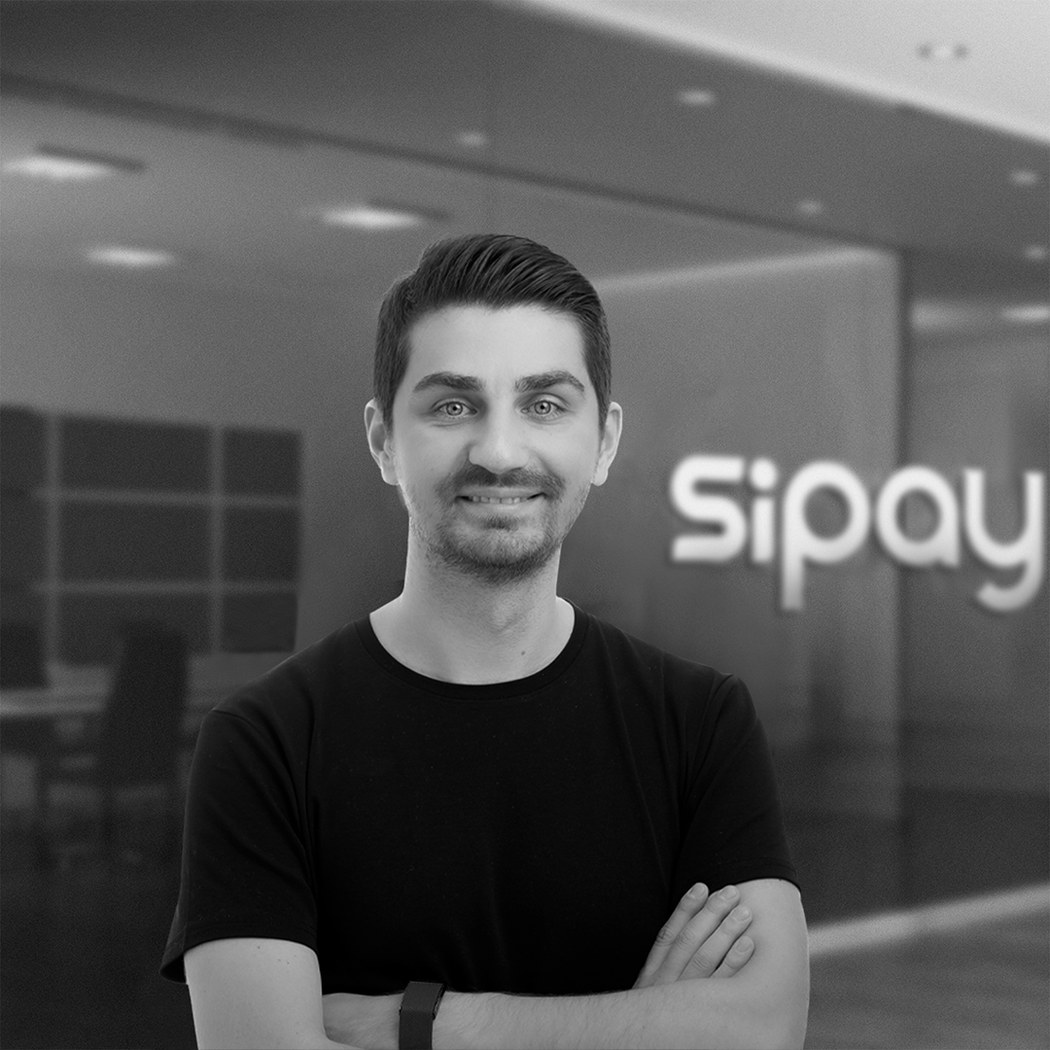
Nezih Sipahioglu and the business after the business
Helping entrepreneurs set up abroad taught Nezih Sipahioglu where the paperwork ended and the real trouble began. At Sipay, he turned that unfinished business into a financial marketplace with international ambitions.
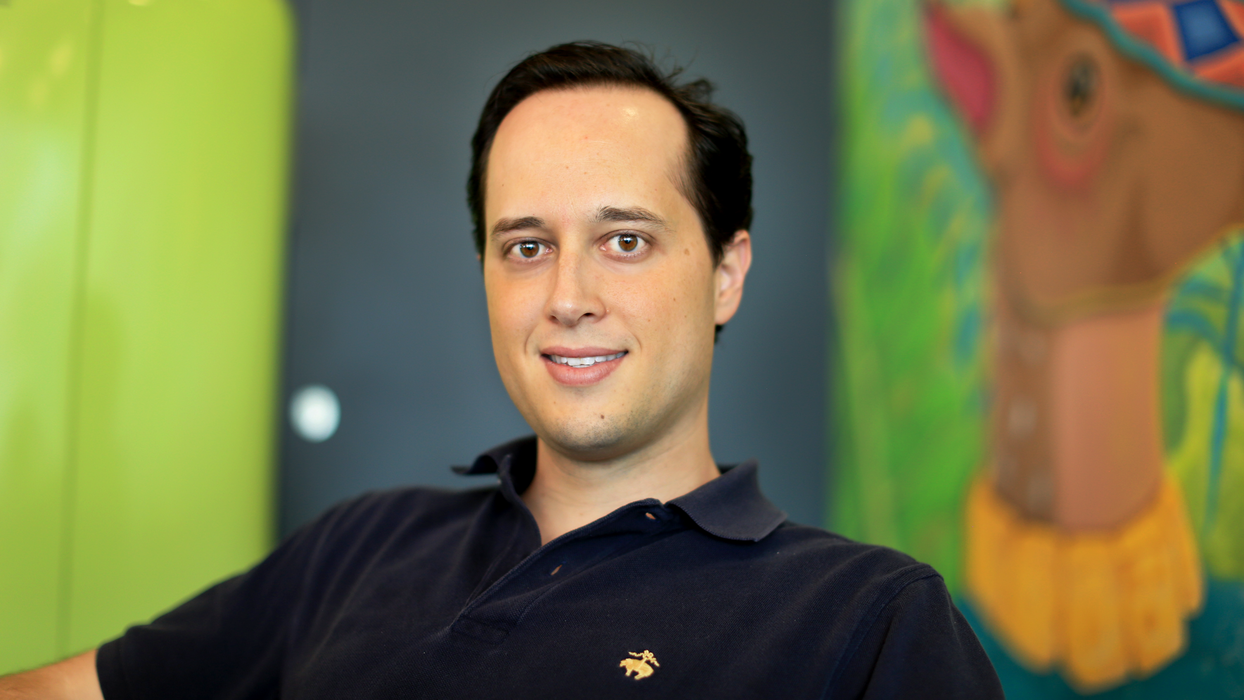
Daniel Vogel and the last mile of money
A failed remittance startup taught Daniel Vogel where digital money gets stuck. At Bitso, the Mexican engineer has spent the years since building the connections that let it move.

João Del Valle and the art of getting through
He wrote EBANX’s first code, became its CEO, and found his way back to GitHub. For João Del Valle, global commerce still comes down to a local question: can this person actually pay?
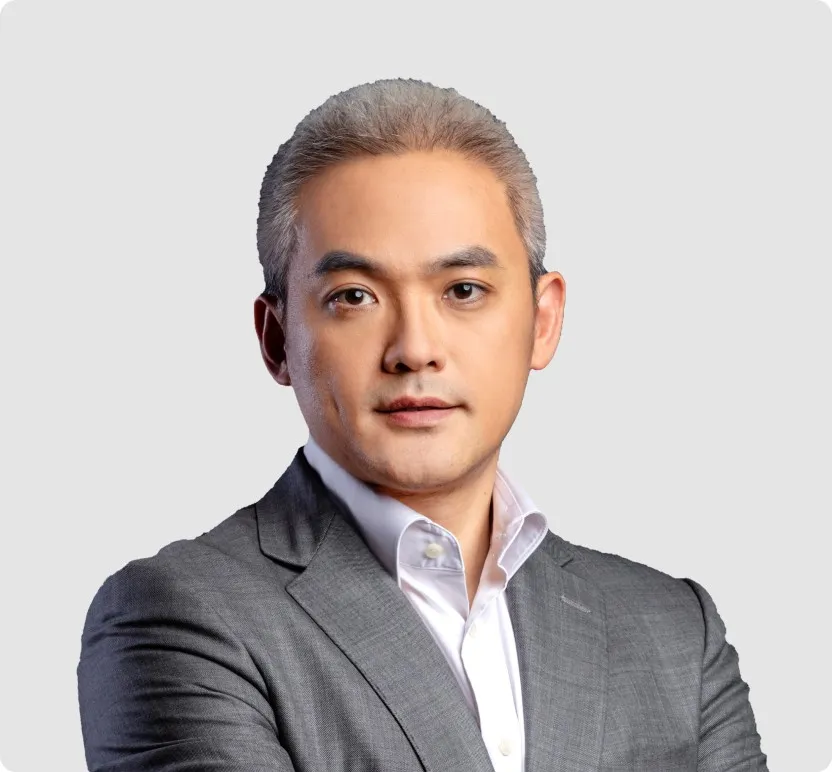
Peng Yang and the surprisingly complicated business of making a payment simple
From Dell to Ant International, Peng Yang has built a career across markets. Now his argument for global finance begins with the small shop - and all the invisible work behind its next sale.
PingPong Payments: The 1% Idea That Grew a Payment Network
PingPong began by helping online sellers keep more of their money. Its next wager is that the most useful payment company lives inside the software businesses already use.

Flutterwave learned that the checkout was only the beginning
A payment button looks simple. Flutterwave’s decade of expansion, retreat, and reinvention shows how much machinery it takes to make that button work across Africa.

Routefusion found its business in everyone else's plumbing
Two engineers wanted to build a bank. After several pivots, they built a way for other companies to move money across borders without collecting a small museum of banking integrations.

ARQ got two million customers. Then it outgrew the dollar.
DolarApp won a following by making money travel more easily. Now, as ARQ, it wants the investments, the credit card, and the rest of the relationship.

HIFI and the surprisingly expensive wrong name
A Nigerian importer can have the money, the supplier and the car - and still fail to pay. HIFI’s wager is that fixing the plumbing of money matters more than making it travel faster.

Niural AI spent years building what a paycheck takes for granted
Before it could ask an AI coworker to run payroll, Niural had to build the machinery that moves the money. Its wager: growing companies will pay to stop changing systems every time they change shape.
Inswitch and the art of making cash disappear
Before money can move through an app, someone has to connect it to the world outside. Inswitch built a business in that awkward gap - between cash counters, digital wallets, cards and borders.
BlueSnap: Your checkout has a geography problem
A payment can travel farther than the product it buys. BlueSnap makes the route matter - connecting local acquiring, billing and embedded payments in one platform, now backed by Payroc.
ThetaRay wants banks to catch more crime by chasing fewer alerts
A payments company buried in false alarms is a peculiar kind of detective agency. ThetaRay’s wager is that better patterns, sharper context and less paperwork can give the investigators their day back.
BVNK and the price of a Saturday
Money can cross a blockchain in seconds. Getting it into somebody’s usable balance is the harder trick - and the business Mastercard bought BVNK to help solve.

Jeeves and the curious cost of crossing a border
A corporate card is a small piece of plastic. Jeeves has spent years turning it into a way around the expensive geography of business finance.

The Money You Send Home Has a Second Address
Kredete turns an immigrant’s regular transfer into a chance to build a U.S. credit record. Its first lending marketplace ran into a wall; the company found its way through by following the money people were already sending.

The App That Found Its Business in a Bank Transfer
Afriex’s founders tried a chatbot and a trivia game. The nuisance that survived both experiments - moving money between the US and Nigeria - became their company, then a much larger payments network.
The Video Game Company That Learned to Sell Everywhere
Live Gamer began by helping players buy imaginary goods. As Emergent Payments, it took the harder lesson into real commerce: the last mile of a global sale is stubbornly local.
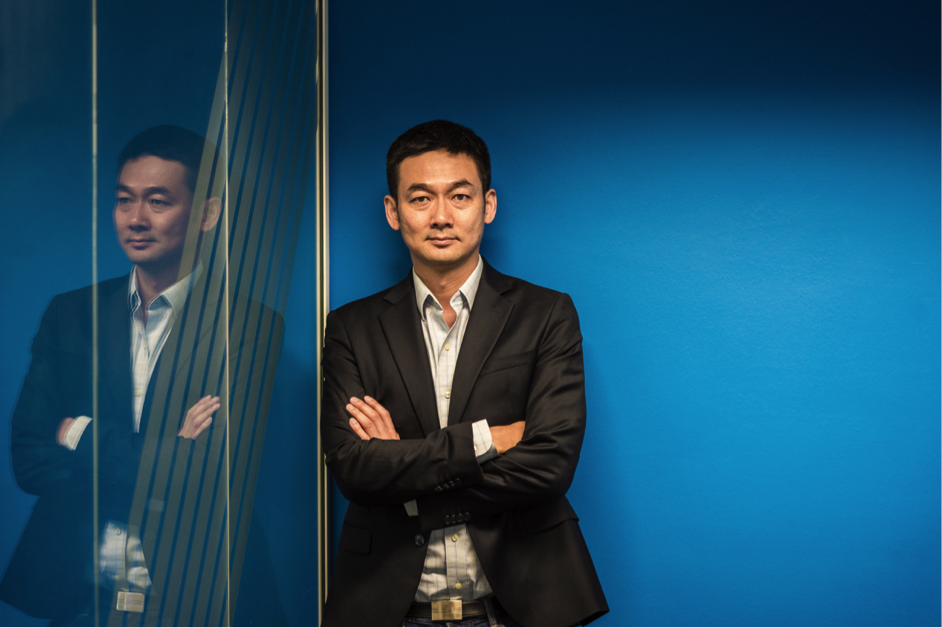
Ning Wang and the Art of Being Local Everywhere
He learned the machinery of payments at PayPal, opened Alipay's American beachhead, then helped build PingPong around a useful paradox: money may travel globally, but trust is always local.

David Messenger and the Art of Making Money Movement Boring
After a career spanning consulting, mobile networks, two acquired startups and China-based fintech, PingPong’s global-business chief has arrived at a curious ambition: make the payment disappear into the work.
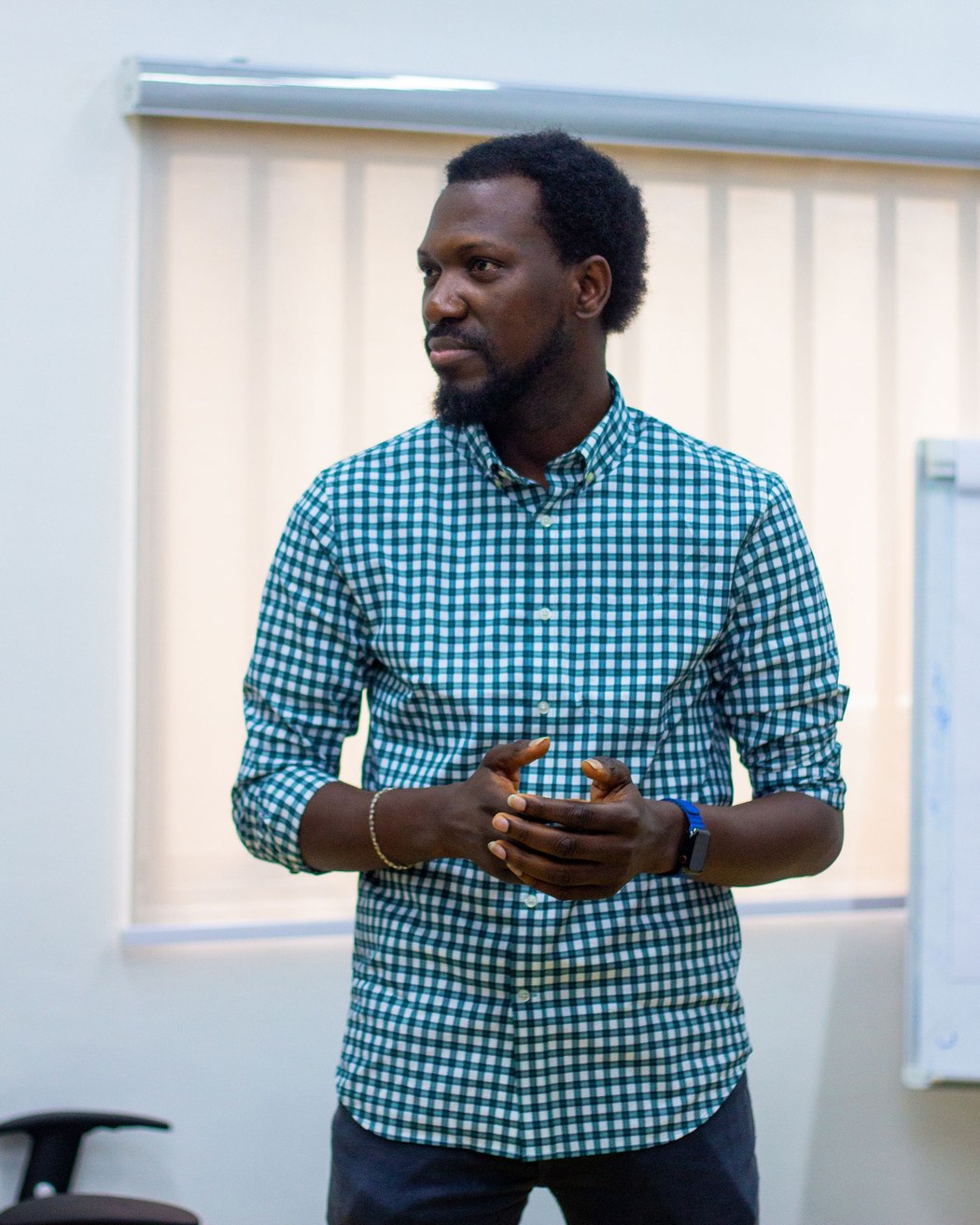
Olugbenga Agboola Is Teaching Money to Take the Short Way Home
The Flutterwave founder spent years stitching together Africa's payment systems. Now his harder task is building a company that can keep moving when he is not the one pushing every button.

NETS made paying ordinary. Now it wants borders to feel that way.
Singapore’s bank-owned payment network grew by making everyday transactions less of a chore. Its next assignment takes that familiar idea across borders - with some hard-earned lessons about what people actually want.

XTransfer’s big business in small exporters’ money
Selling across borders is hard enough. XTransfer has built a payments business around the next headache: convincing the financial system to let small traders get paid.

IFX Payments wants the complicated customers
The former currency broker is building its business around the payments that need extra attention. Its bet: finance teams will pay for fewer headaches, as well as a competitive exchange rate.
Guavapay wanted to move your money. Then came the stop.
An app, a merchant checkout and a place on football shirts: Guavapay built a broad payments business. Its UK company’s liquidation exposes the distance between making money move and keeping a financial firm running.

Verto’s bet: the money has to arrive
A poker-table conversation became a payments business built around Africa’s awkward currency routes. Verto’s real product is what happens after the exchange rate looks good.
Vitesse Wants to Get Insurance Money Out of the Waiting Room
An approved claim can still leave a policyholder waiting for cash. Vitesse is rebuilding the funding and payment machinery behind insurance, one crowded chain of accounts at a time.

The ATM Company That Learned to Move Everything Else
Euronet began by putting cash machines where banks had not. Thirty years later, the same company sits behind gift cards, remittances, card programs and real-time payment rails - a quiet lesson in making one expensive network do several jobs.

Ontop Bet That Contractors Need a Bank, Not Just a Paycheck
The Bogota-born startup bundled contracts, compliance and cross-border payroll with a financial account for the person getting paid. Its sharper contractor-first strategy is a useful lesson in choosing one messy workflow and owning both ends of it.
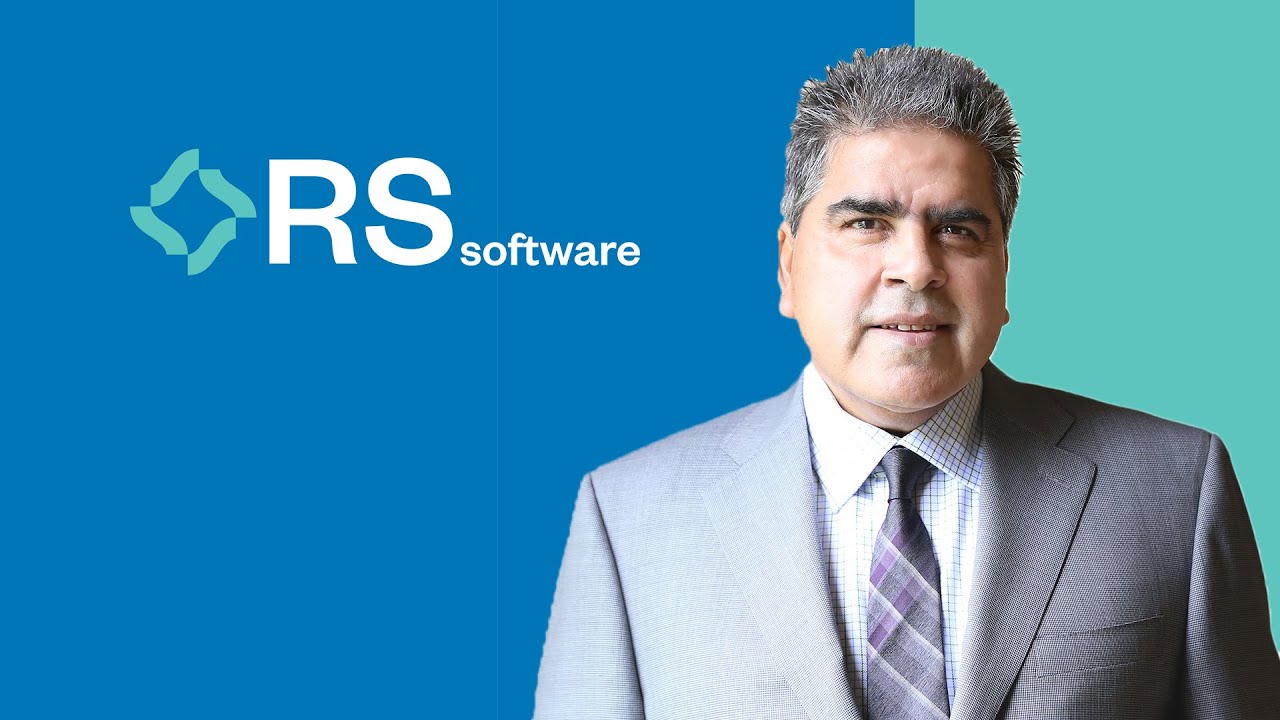
Raj Jain Built the Rails Beneath India’s Payment Revolution
He left a software job in Los Angeles for Kolkata in 1987. The company he founded went on to help engineer UPI, bill payments and fraud systems used at national scale - and now he is trying to make those rails travel.