hedge-funds
(36)
Qineqt wanted to sell Wall Street a better question
A former hedge-fund trader built Qineqt around bespoke data and temporary exclusivity. Its brief life exposes the awkward economics of selling an investment edge by subscription.

PineGap.ai wants Wall Street to get its thinking time back
The equity research startup turns a fund’s recurring chores into custom AI agents. Its wager: the useful intelligence is in knowing how an analyst actually works.
Stavtar Solutions asks the $20 billion question: who pays?
A former fund CFO and a technologist turned the tedious business of splitting bills into StavPay. Their wager: the most revealing number in finance may be the cost of running it.
Fi-Tek and the fine art of knowing whose money it is
Behind the polished world of private wealth lies a less glamorous question: which dollar belongs to whom? Fi-Tek has built a business around getting the answer into the books.

LSEG TORA and the $325 Million Business of Getting Trades Done
An investment idea still has to survive the trading desk. TORA built its business around that journey, from overloaded order queues to the software LSEG bought to connect data with execution.

The $6.4 Trillion Machine Behind Wall Street’s Messiest Work
Arcesium escaped a hedge fund’s back office and became the operating layer for investment firms that cannot afford a bad number. Its next wager is that governed data - not a clever chatbot - is what finally makes AI useful on Wall Street.

Devon Krapcho Wants Wall Street to Stop Searching and Start Noticing
After five years covering software stocks, Devon Krapcho decided the analyst’s real enemy was not a lack of information. It was the quiet cost of hunting for what mattered.

The Chicago Firm That Sold Wall Street's Playbook to Families Who Aren't Endowments
Two Chicago traders spent a decade turning hedge-fund tactics into a wealth business for families who aren't endowments. In 2026 they sold it - $5.6 billion later.
The Cap-Intro Business Was Built on Handshakes. iConnections Turned It Into Software.
A pandemic side project for charity became the meeting place for hedge funds, private equity and the allocators who fund them - roughly 26,000 members and $50 trillion in capital, run on software instead of steak dinners.

The Hedge Fund That Bet Twice on the Same Future
Leopold Aschenbrenner built an AI fund around one sweeping conviction. When both sides of the trade moved against him, leverage turned a brilliant thesis into a forced sale.

Cohesion
Cohesion is a New York-based Y Combinator (P26) startup building AI agents that automate research for institutional investors. Its agentic teammate monitors the companies an analyst covers - tracking earnings, news, and non-traditional datasets like podcasts and X/Twitter - and surfaces differentiated insights purpose-built for public equity investing. Founded by ex-hedge-fund analyst Devon Krapcho with engineers from AWS and T. Rowe Price, Cohesion is already live with 10+ long/short and long-only fundamental funds managing a combined $10B+ in assets.

o11
o11 is a Y Combinator (W26) startup building AI agents that live inside the enterprise apps finance teams already use - Excel, PowerPoint, Word, and Google Workspace. Rather than answering questions in a sidebar, its agents do the work: generating three-statement models, investment committee memos, CIMs, buyer lists, and decks from natural-language prompts. Its customers include investment banks, private equity firms, hedge funds, and asset managers.
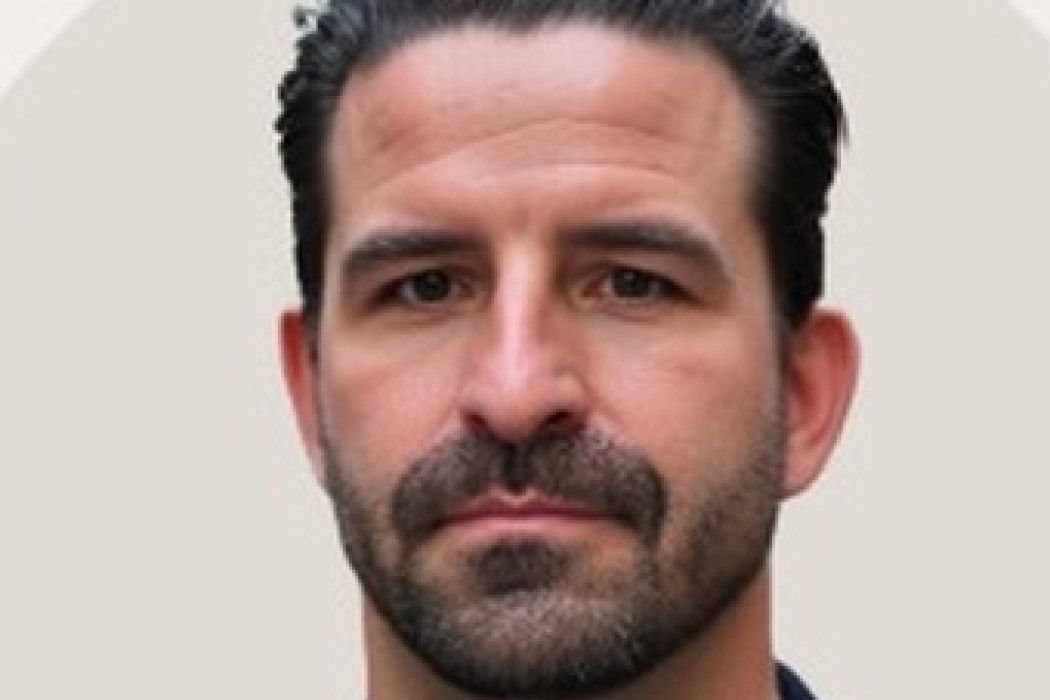
Chris Lipowicz
Chris Lipowicz is the CEO of Elementus, a New York based blockchain intelligence company that helps hedge funds, financial institutions, government agencies, and legal teams interpret what happens on-chain. An enterprise operator with more than 20 years of experience building revenue and operations teams, he came up through real estate and security technology firms including Building Intelligence and Cherre before moving into crypto data. He argues that on-chain activity is public but hard to read without the right tools, and positions Elementus as the layer that turns raw blockchain data into real-time, compliant, risk-aware decisions.
9fin
9fin is a London-based, AI-native intelligence platform for the global debt markets. Founded in 2016 by former banker Steven Hunter and former engineer Huss El-Sheikh, it uses machine learning to extract structured data from dense financial documents and pairs that data with news, analytics, and AI-powered workflows. Its platform covers leveraged loans, high-yield bonds, distressed debt, CLOs, private credit, and asset-based finance, and is used by investment banks, asset managers, hedge funds, law firms, and advisors. In March 2026 the company raised a $170M Series C at a $1.3 billion valuation.
Canoe Intelligence
Canoe Intelligence is a New York-based financial technology company that uses AI and machine learning to automate the collection, extraction and management of data from alternative investment documents. Its cloud platform turns the unstructured PDFs, capital calls, statements and tax forms that flood back offices into standardized, verified data that institutional investors, capital allocators, wealth managers and asset servicers can trust. Serving more than 325 clients - including firms such as Blackstone and Hamilton Lane - Canoe processes tens of millions of documents a year and raised a $36M Series C in 2024 led by Growth Equity at Goldman Sachs Alternatives.

DiligenceVault
DiligenceVault is a New York-based fintech company that runs a cloud, AI-native platform for investment due diligence. Founded in 2014 by former Citi risk head Monel Amin, it replaces the manual world of PDFs, spreadsheets and email with a connected system where asset allocators and asset managers exchange DDQs, RFPs, operational due diligence reviews, ESG data and Form ADV monitoring. The platform connects a network of more than 20,000 managers and tens of thousands of users across 150-plus countries, and is backed by Goldman Sachs Growth Equity.
Greenboard
Greenboard is a New York-based regtech company building an AI-native compliance platform for SEC- and FINRA-regulated financial firms. Founded in 2023 by Dave Feldman and Ed Schembor, the company consolidates communications archiving, employee and firm compliance, marketing review, vendor diligence and books-and-records into a single system, with an 'expert-in-the-loop' AI layer called GreenboardGo. Backed by Base10 Partners, Y Combinator and General Catalyst, Greenboard has raised $20M total and serves more than 500 financial institutions.

Meixin (MX) Global
Meixin (MX) Global is a New York-based cross-border financial technology and wealth-management platform founded in 2015. It connects Asian wealth managers, independent advisors, private funds and family offices with a curated menu of global alternative investments - real estate debt and preferred equity, hedge funds, private equity, private debt and more - backed by tech-enabled infrastructure for asset analysis, due diligence, custody and reporting. Positioned as a turnkey asset-management platform for the Greater China wealth ecosystem, the company has reported over $2 billion in assets under administration and 1,600+ investable products.
Siepe
Siepe is a Dallas-based financial technology company that builds cloud software and tech-enabled services for private credit, CLO, and alternative investment managers. Founded in 2012 by former hedge-fund CTO Michael Pusateri, Siepe helps front, middle, and back-office teams turn scattered loan, borrower, and investor data into a single, transparent asset - reducing operational risk and letting managers scale without adding proportional headcount. In August 2024 the company raised a $30M Series B led by WestCap.
The Tie
The Tie is a New York-based information services company for institutional digital asset markets. Founded in 2017, it built the Crypto SigDev Terminal - a Bloomberg-style workstation that combines real-time news, sentiment analytics, market data, and on-chain data - and has since expanded into staking infrastructure, corporate access and advisory, and compliant institutional messaging. Its clients include hedge funds, market makers, banks, trading venues, and crypto protocols.

GLG (Gerson Lehrman Group)
GLG (Gerson Lehrman Group) is the world's largest expert network, connecting professionals - investors, corporations, consultancies and non-profits - with a marketplace of roughly one million vetted subject-matter experts. Through one-on-one phone consultations, surveys, roundtables, site visits and custom research, GLG turns a client's questions into direct conversations with people who have first-hand knowledge, wrapped in a compliance framework designed for regulated industries. Founded in 1998 and headquartered in New York, the firm operates in more than 20 cities worldwide and generates roughly $600 million in annual revenue.

Michael Pusateri
Michael Pusateri is the CEO and founder of Siepe, a Dallas-based fintech he started in 2012 after a career running technology inside hedge funds. Siepe builds software and managed services for CLO managers, private credit funds, and other alternative investment firms, and closed a $30 million Series B led by WestCap in August 2024. Before Siepe, Pusateri was CTO at Carlson Capital and CTO/co-COO at Highland Capital Management.
Sreej Menon
Sreej Menon is the CEO of Transient.AI, a New York-based startup building an AI operating system for capital markets, unifying compliance, trading, and research workflows for hedge funds and RIAs. A former banking technologist with over a decade inside Credit Suisse's credit trading syndicate, he raised the company's Series A from NEXT Investors in May 2026 on the argument that AI in finance needs the same engineering rigor as the trading systems it plugs into.
Everysk
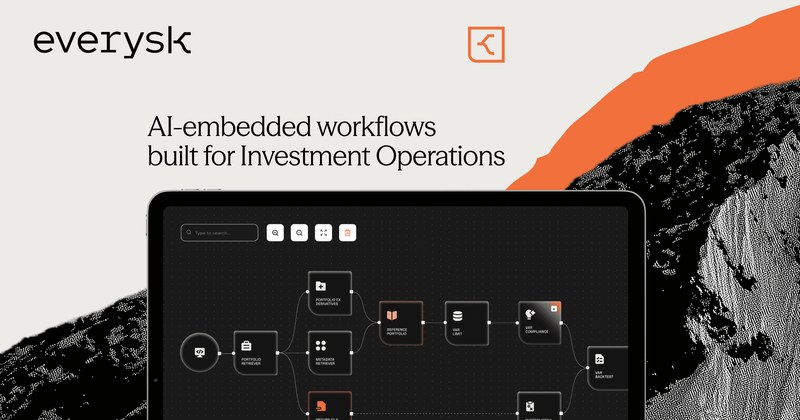
Everysk is a New York-based financial technology company that builds AI-embedded workflow automation for investment operations. Founded in 2016 by Allan Brik and Denison Linus, its platform combines agentic AI with a no-code library of modular 'digital robots' that let hedge funds, asset managers, family offices, and brokerages automate portfolio risk monitoring, trade operations, compliance, and reporting. The company positions itself around a simple pitch to capital markets firms: grow AUM without growing headcount.

Menos AI
Menos AI is a San Jose-based, AI-native fintech building institutional-grade artificial intelligence for hedge funds and asset managers. Founded in 2024 by a team of quant and AI practitioners, its flagship product Sonar is an intelligent research agent that uses proprietary Alpha Signal Extraction technology to surface timely, differentiated investment ideas from the flood of financial data. The company raised a $5.2M oversubscribed seed round in 2025 and positions its platform as an augmentation layer for investment teams - secure, auditable, and designed to integrate with existing workflows rather than replace the humans who use it.
Nomad Data
Nomad Data is a New York-based AI platform that helps companies find, buy, and understand external data. Founded in 2020 by Brad Schneider and Justin Manikas, it began as a marketplace matching data buyers to a network of thousands of providers - buyers submit a use case, and providers respond with data that can actually solve it. The platform has since expanded into an AI layer for reading unstructured documents (its Doc Chat product) and managing data relationships, serving hedge funds, private equity, insurance, and asset-management firms that spend heavily on third-party data.

Revere
Revere builds cloud software that helps allocators in private markets manage their portfolios without drowning in spreadsheets and PDFs. Its platform, Revere ONE, ingests fund data automatically, standardizes it across venture capital, private equity, real estate, private credit, and hedge funds, and surfaces performance and risk in interactive dashboards. Founded in 2020 by former AngelList institutional-capital lead Eric Woo and Chris Shen, Revere serves family offices, fund-of-funds, corporate venture groups, and other sophisticated allocators.
Junchen Wu
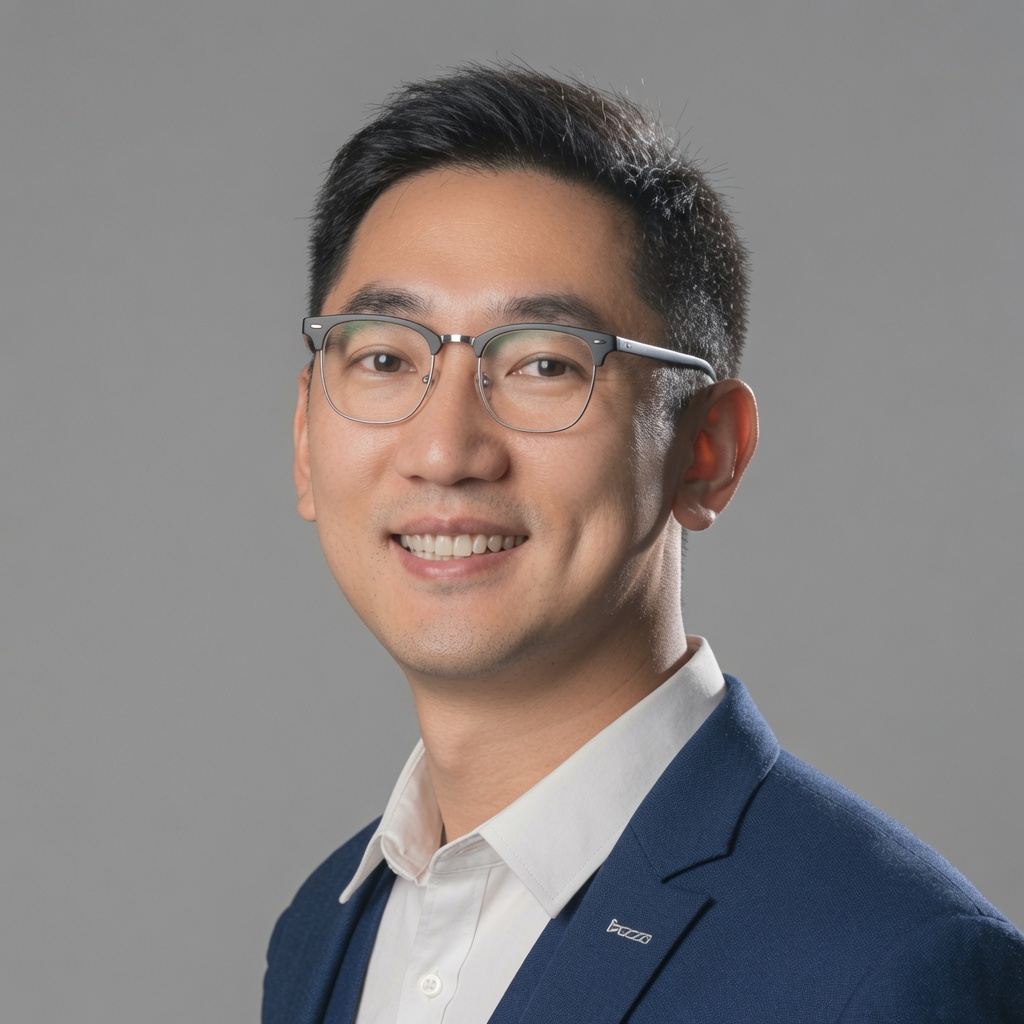
Junchen (William) Wu, PhD, CFA, is the co-founder and CEO of Menos AI, a Silicon Valley fintech building agentic AI for hedge funds and asset managers. A former Head of Quant at Northern Trust and risk portfolio manager for a $3B multi-strategy book in Boston, he is shipping Sonαr, an institutional-grade AI idea-generation platform that turns market noise into structured trade ideas. Backed by a $5.2M oversubscribed seed round, he is on a mission to give buyside teams less noise and more signal.

Allan Brik
Allan Brik is the CEO and managing founder of Everysk, a New York fintech building intelligent automation and risk workflows for capital markets. A structural engineer turned quant turned operator, he spent three decades managing risk at Merrill Lynch, Goldman Sachs, and the $14 billion hedge fund allocator Arden Asset Management before founding Everysk in 2013. He holds a PhD in Computer Aided Engineering from MIT and argues that cloud computing, open APIs, and agentic AI are quietly dismantling the spreadsheets and data silos that have governed investment management for decades.
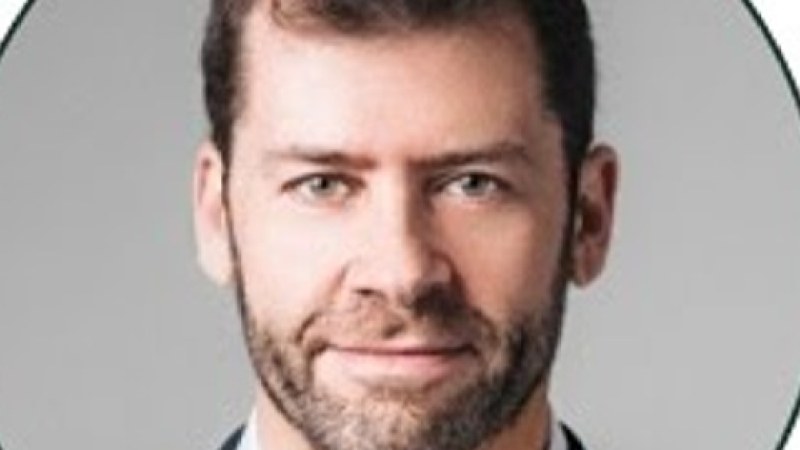
Brad Schneider
Brad Schneider is the founder and CEO of Nomad Data, a New York based AI platform that helps teams find, buy, and read the data hidden inside documents and external vendors. An MIT-trained engineer turned hedge fund investor (Tiger Management, Jericho Capital) and CFA charterholder, he spent a decade using alternative data to beat markets before deciding the harder problem was simply finding the right data in the first place. Nomad Data lets users describe what they need in plain English and routes them to answers, not raw spreadsheets, with products spanning data discovery, a Doc Chat engine for unstructured text, and vendor relationship management for consultancies, insurers, and asset managers.