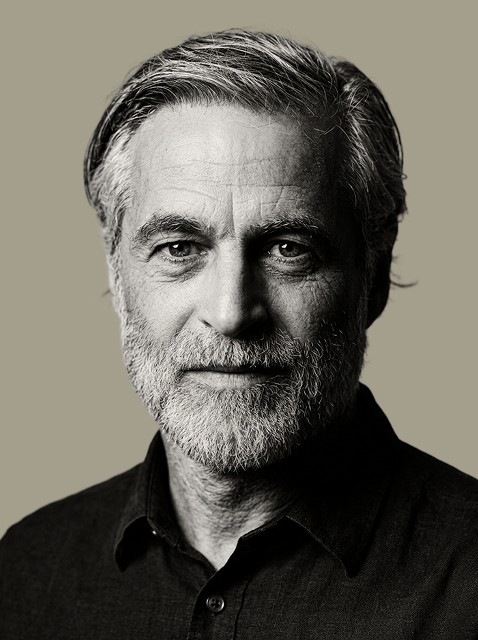
He learned to calculate how buildings stay up. Then he spent thirty years calculating how portfolios fall down - and built the software to watch them in real time.
Most people with an MIT doctorate, a Goldman badge, and a stint running a $14 billion book would call it a career. Allan Brik called it a starting line.
Today Brik runs Everysk, the New York fintech he founded in 2013 and has led as CEO since 2016. The company sells something deceptively unglamorous: intelligent automation and risk workflows for capital markets. Translated, that means software that ingests a firm's data from everywhere it hides, watches the risk in multi-asset, multi-currency portfolios as it moves, and raises a hand before a problem becomes a headline.
The pitch lands because Brik has lived the problem from the inside. He sat in the risk seats at Merrill Lynch and Goldman Sachs. He was the quant partner who helped grow Arden Asset Management from half a billion dollars to fourteen. He knows exactly how much of that work was brilliance and how much was someone, somewhere, wrestling a spreadsheet at midnight.
His answer is interoperability: open APIs, cloud-native plumbing, modular pieces that snap together, and now agentic AI doing the grunt work. The promise is not headcount reduction. It is, in his words, analysts who get to spend their days thinking about investment ideas instead of formatting cells.
"The main change has been cloud computing. Data became captive in different parts of the company. With cloud, you can use APIs."Allan Brik · Beyond Alpha podcast
People have to be connected. Your technology has to be able to ingest data from different places, it has to be able to process.
On interoperabilityYou really cannot rely solely on spreadsheets. Firms are really embracing consolidated data, APIs, machine learning, and automation.
On the death of the spreadsheetPeople working in the industry will be happier. You can start spending your days thinking about interesting things - thinking about investment ideas.
On what automation is forNow you kind of change modules and in a very efficient way, the technology will adapt as you grow.
On modular infrastructureXP is a tremendous success story and we are honored that they have selected Everysk to strengthen their processes in risk management, data management, and regulatory requirements.
On winning XP Inc., 2026I am particularly interested in finishing up your code. I like to infuse technology with these co-pilots.
On agentic AIHis first profession was structural engineering - the math of keeping physical things standing - before he switched to the math of keeping portfolios from falling.
An MIT PhD in Computer Aided Engineering is an unusual badge for a Wall Street risk chief. He wore both without apology.
Everysk sits at 413 W 14th St, in the Meatpacking District - a few blocks from the High Line, a long way from a Rio engineering lab.
He still cares about the last mile of a build, saying he likes using AI co-pilots to finish his own code.
His career touched both Merrill Lynch and Goldman Sachs before he ever wrote a single line of startup code.
He frames the endgame of automation not as fewer jobs - but as happier analysts with time to think.
Sources: Everysk newsroom & leadership pages, Beyond Alpha podcast (Ep. 15), TheOrg, Crunchbase, public LinkedIn. Figures and quotes drawn from public statements; portfolio and funding numbers reflect those public sources at time of writing.