princeton
(114)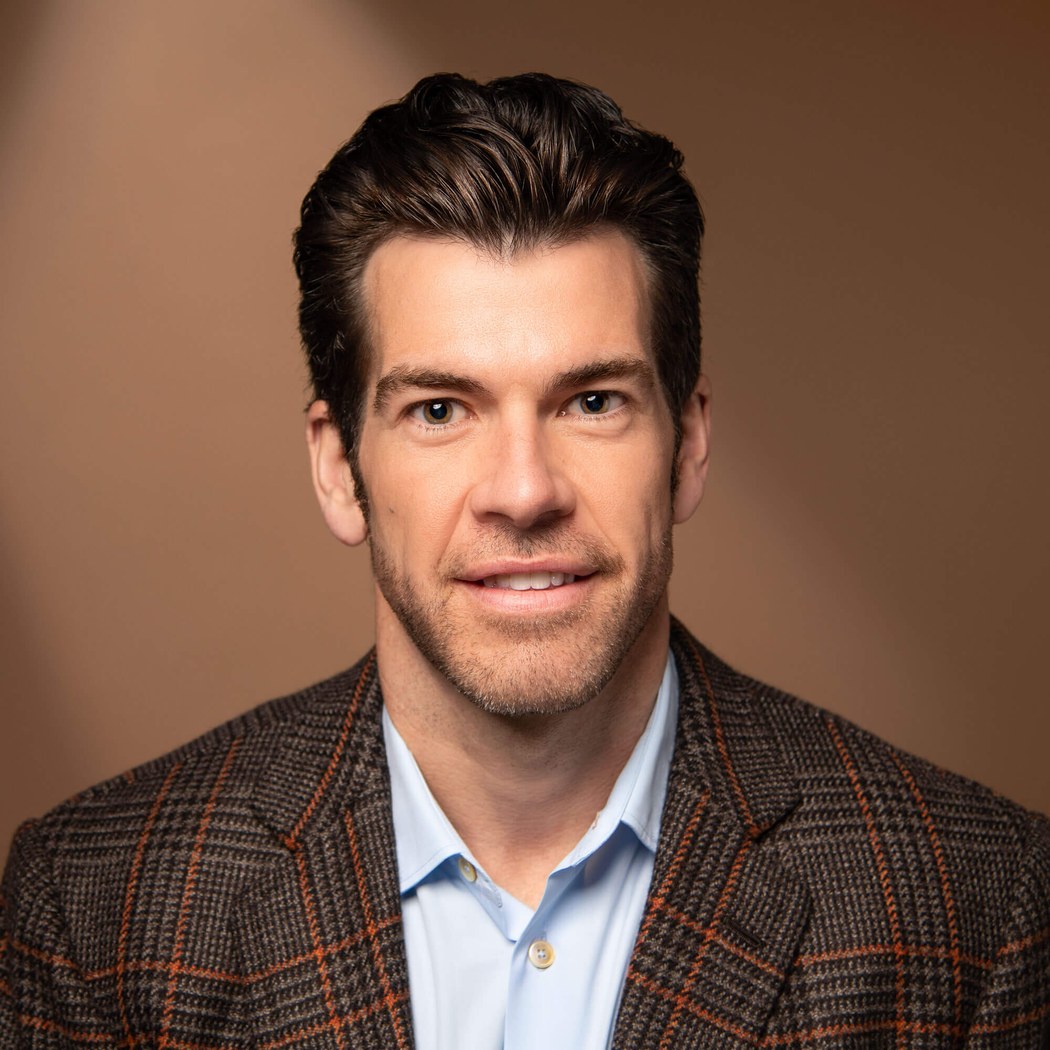
Brendan Wallace and the value of knowing the landlord
Before he built Fifth Wall, Brendan Wallace collected lessons in property, software and getting through the right door. His investment thesis brings them together: the people who own the buildings can help decide which technologies get inside.

Louis Beryl wanted credit for the future.
A bank saw a graduate student who needed his mother’s help. Louis Beryl saw a lending system that was asking the wrong questions. Earnest was his attempt to change the conversation.
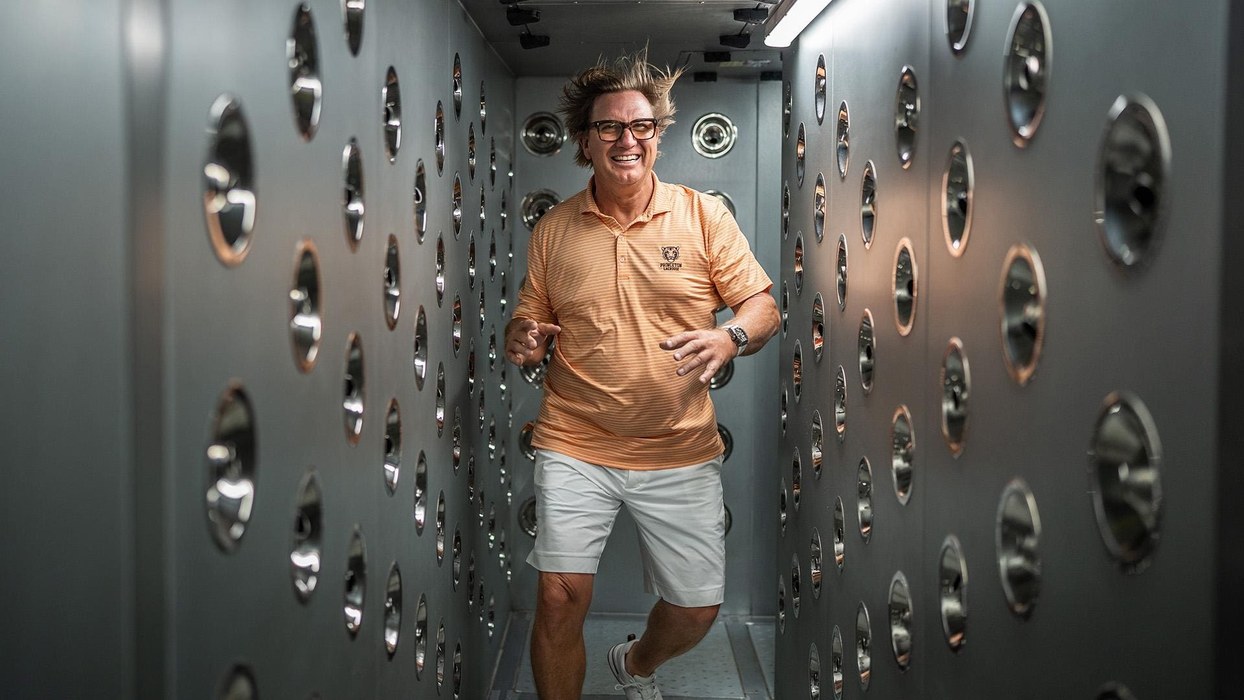
Dave Morrow and the advantage of a bent stick
Before he built Lume Cannabis Co., Dave Morrow built a lacrosse stick that could take a beating. His second business carries the habits of his first: fix the product, learn the factory, and give people a reason to come back.
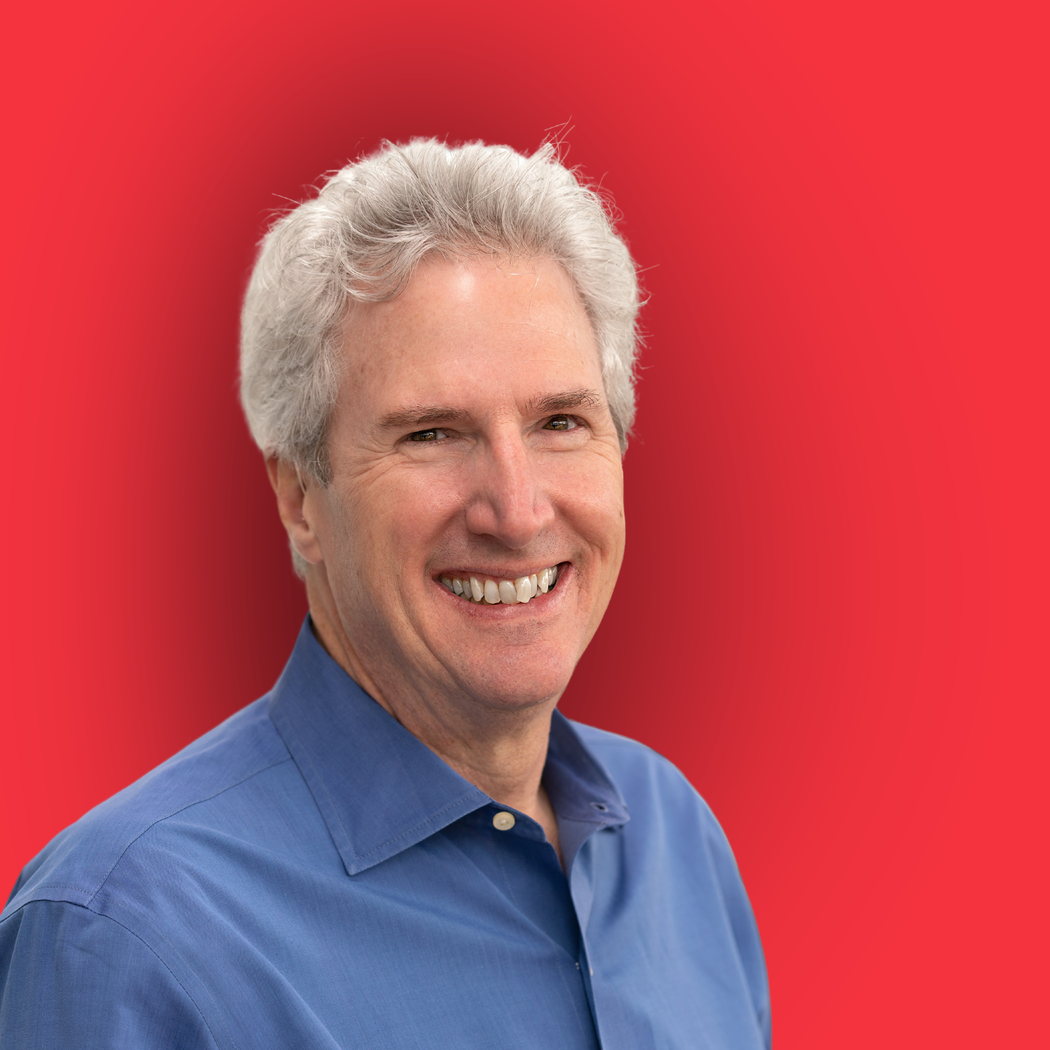
Bruce Anderson and the Trouble With a Perfectly Good Television
Bruce Anderson helped develop digital television, then helped change what happens during its commercial breaks. The INVIDI co-founder’s next challenge is getting an industry of separate systems to speak a common language.
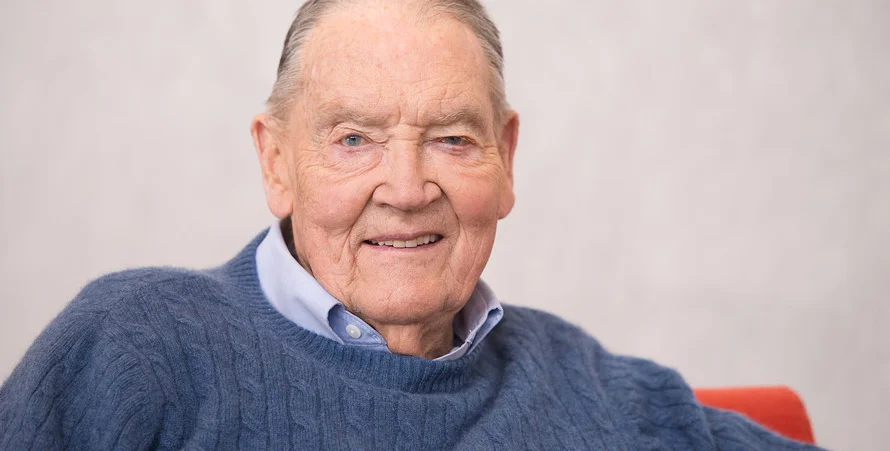
John C. Bogle and the business of taking less
After losing his job, Jack Bogle built an investment company owned by its funds. Then he asked ordinary investors to accept the market’s return - and keep more of it.
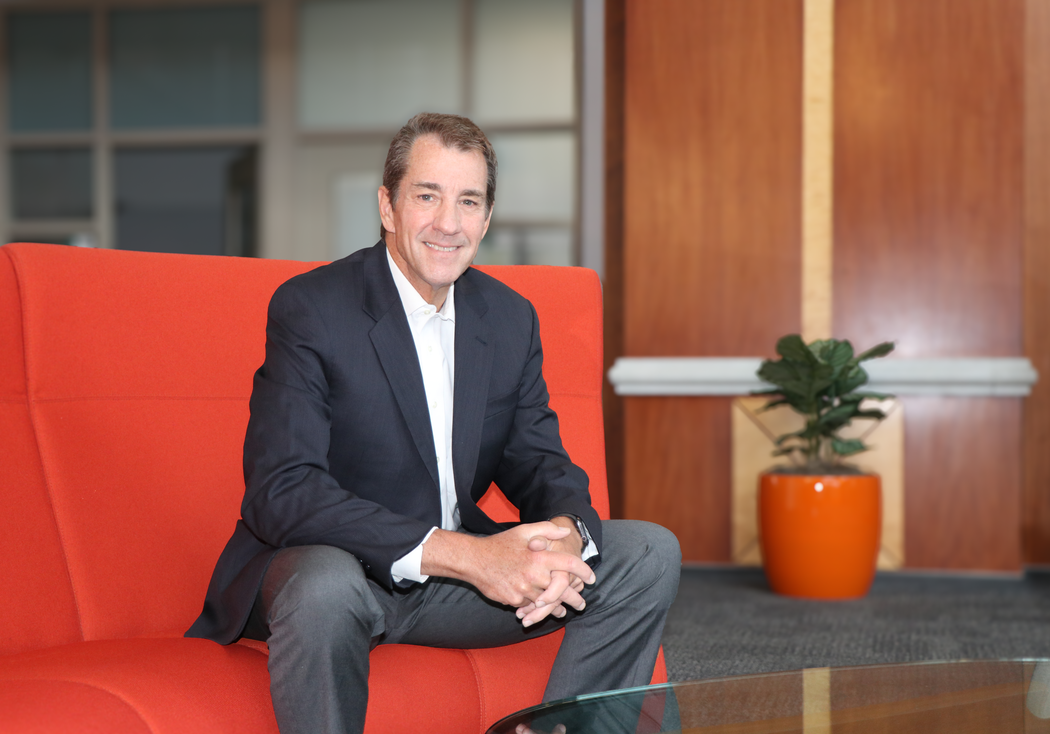
Christopher P. Austin and the art of listening
An opera baritone, a scientific institution builder, and the founding CEO of Vesalius Therapeutics, Christopher P. Austin has spent his career bringing specialists together. His recurring lesson begins with listening.
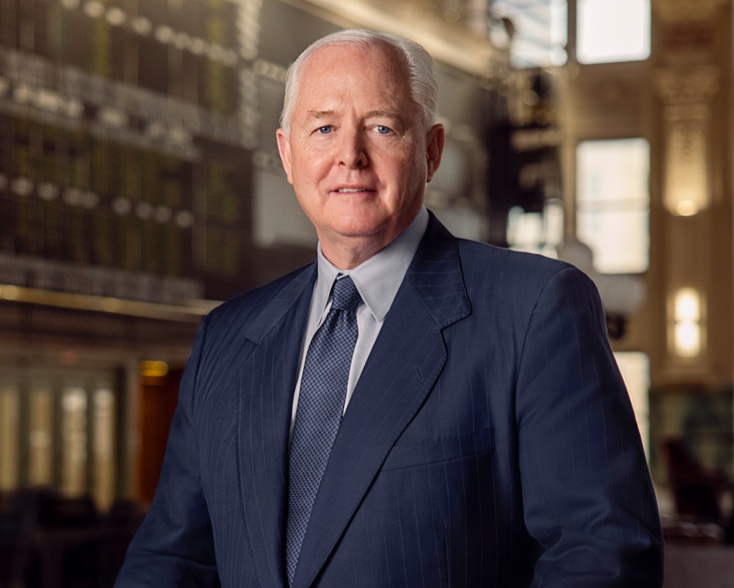
Thomas P. Gallagher and the business of building a market
A Princeton securities lawyer helped build MIAX into an international exchange group. His next chapter has room for both fast machines and a trading floor full of people.
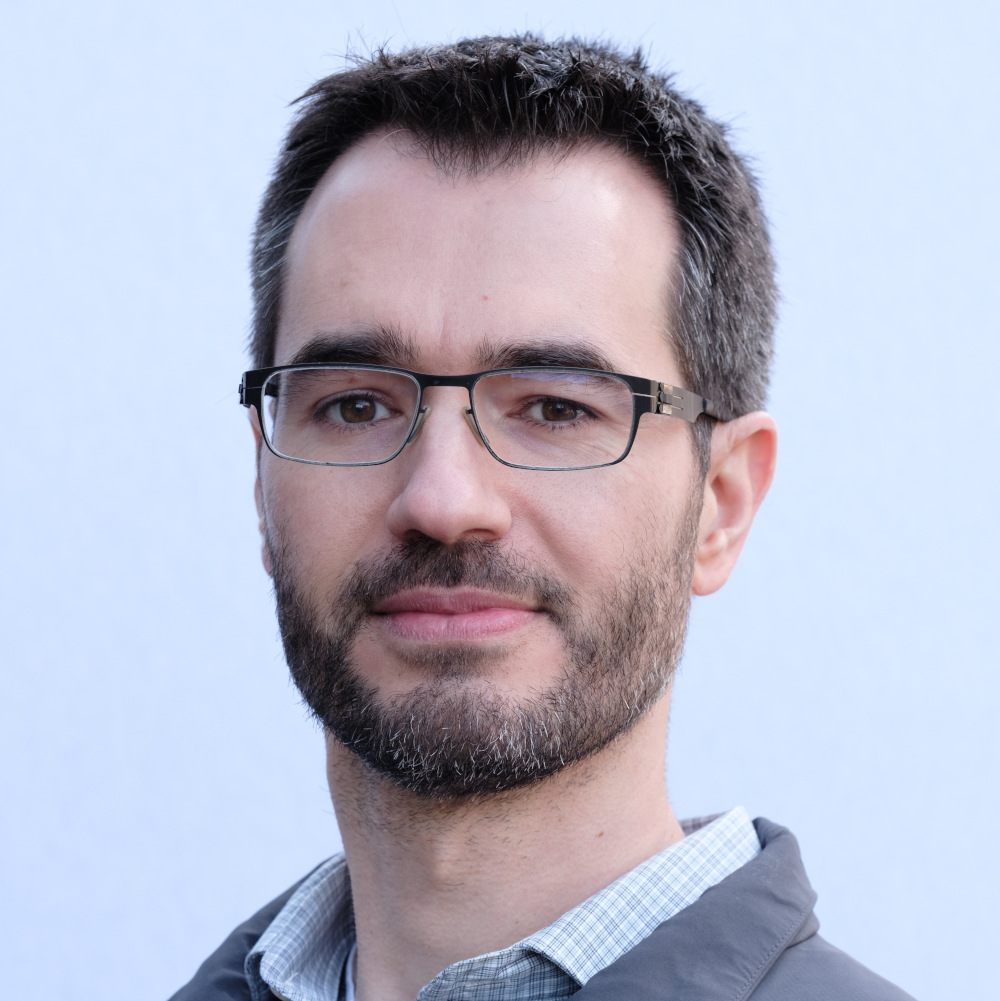
Manos Koukoumidis and the intelligence of small things
Before he helped bring Google Cloud’s PaLM to market, Manos Koukoumidis taught smartphones to read traffic lights. At Oumi, he is pursuing another coordination problem: how to let more people build AI they can own.
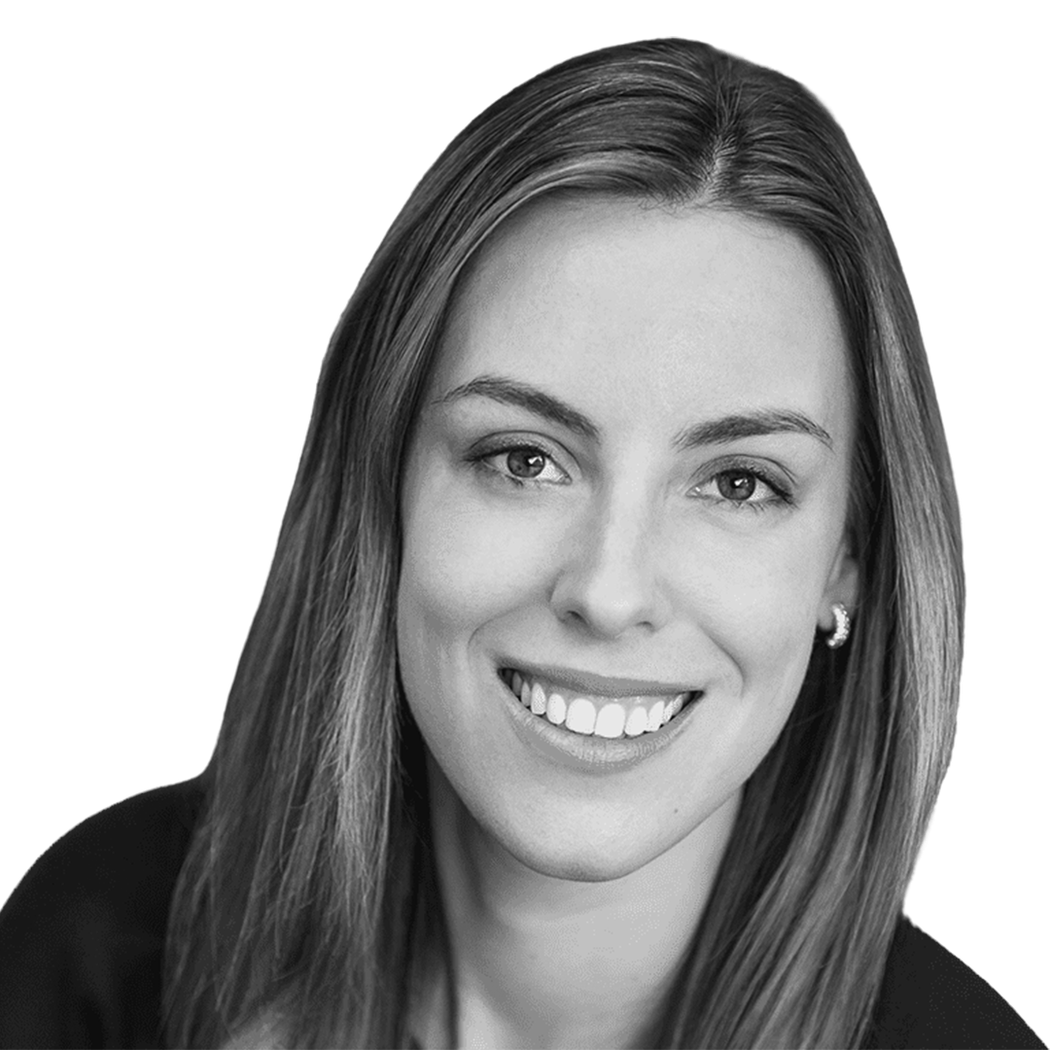
Jennifer Smith and the knowledge hiding in plain sight
As a consultant, Jennifer Smith watched employees ignore the manual and do the job better. Years later, she co-founded Scribe to give that unwritten expertise a life beyond the person who held it.
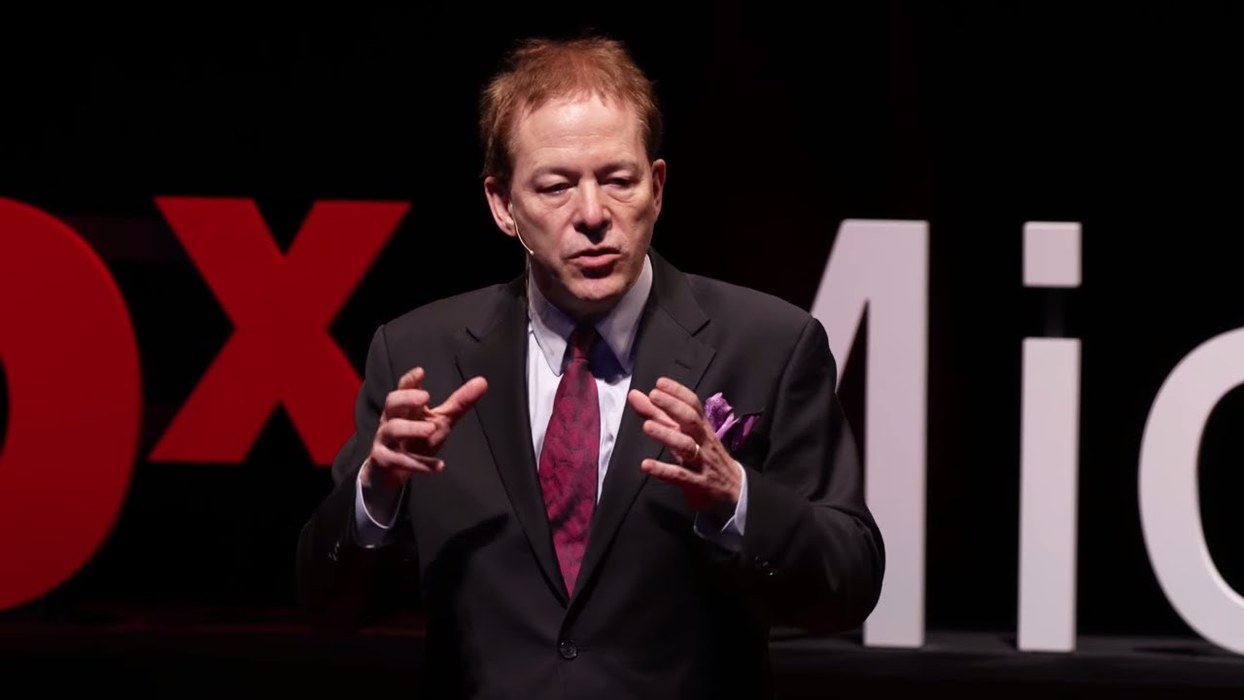
John Aristotle Phillips and the useful art of losing
A Princeton paper made him the “A-Bomb Kid.” Two lost elections gave him the beginnings of Aristotle. Now John Aristotle Phillips wants political disagreement to produce something measurable.
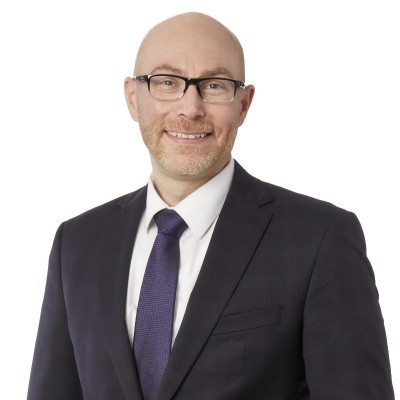
Jean Drouin’s second education: learning to let go
He left a 15-year consulting career to build Clarify with Todd Gottula. The next lesson was harder: building a company that could depend on other people.
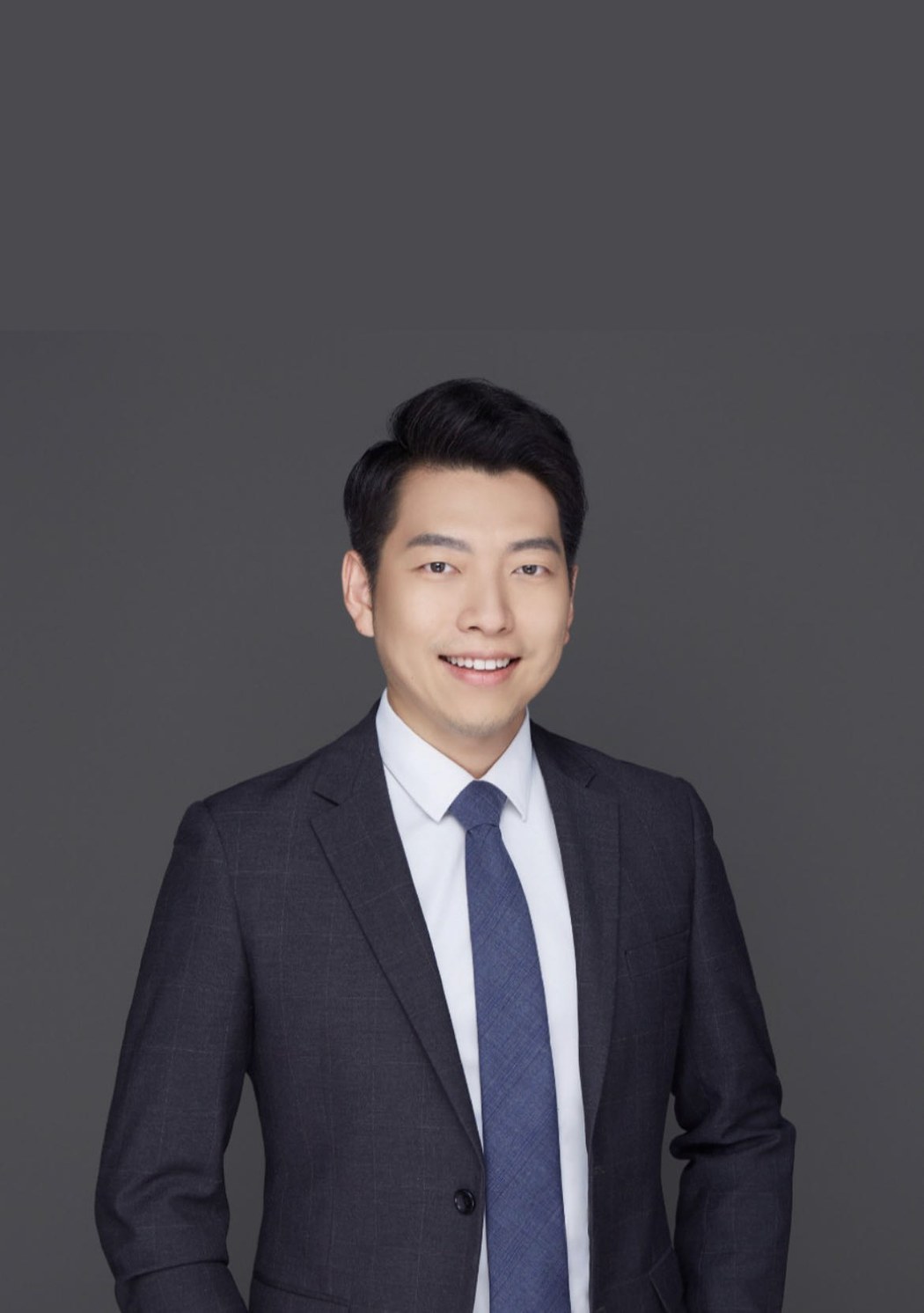
Guanchun Wang and the problem with butterflies
From a movie recommendation startup to Laiye, Guanchun (Arvid) Wang has kept returning to the same question: what can software take off a person’s hands?
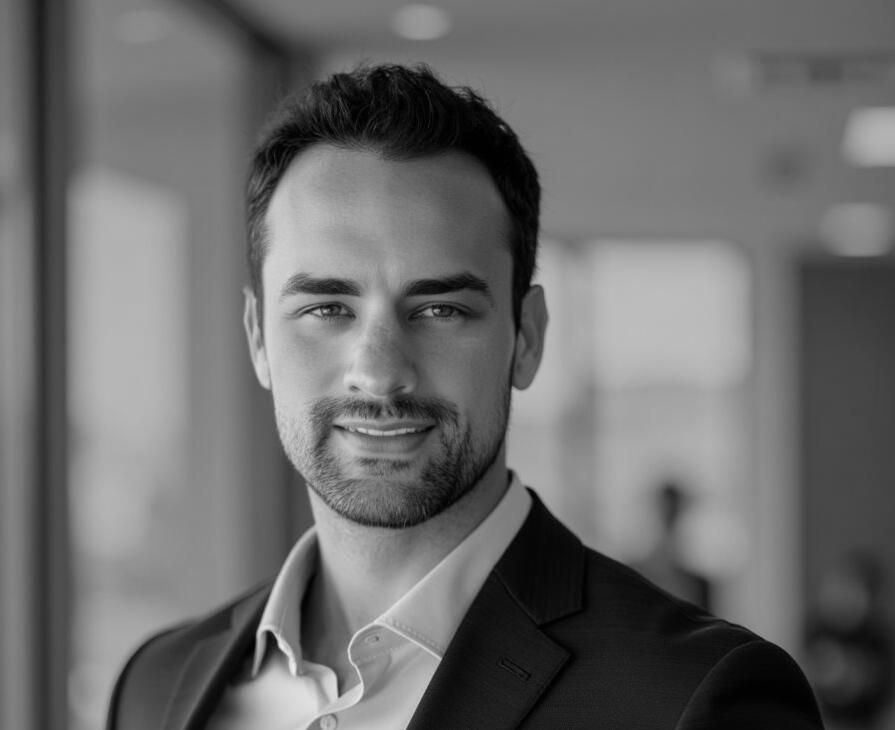
Breanden Beneschott and the company that builds companies
A hiring problem helped bring Toptal into being. Now Breanden Beneschott is trying to make the next company easier to build than the last.
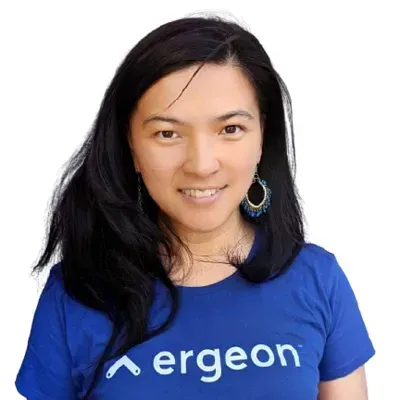
Jenny He and the birthday that became a building company
After ezhome closed, Jiayue (Jenny) He started Ergeon on her birthday in 2018. Her next act brought a Princeton engineer’s attention to an everyday puzzle: getting a home project built without losing the plot.

Alex Clavel and the education of a risk-taker
He spent 19 years in investment banking before joining SoftBank. Now Alex Clavel runs its Vision Funds, carrying a language student’s curiosity into the expensive business of imagining what comes next.
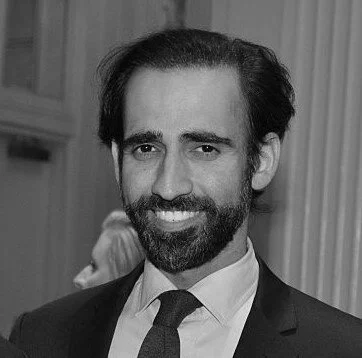
Feroz Dewan and the owner’s clock
After twelve years at Tiger Global, Feroz Dewan built Arena Holdings around permanent capital. His career connects public markets, private companies and the quieter work of staying involved.
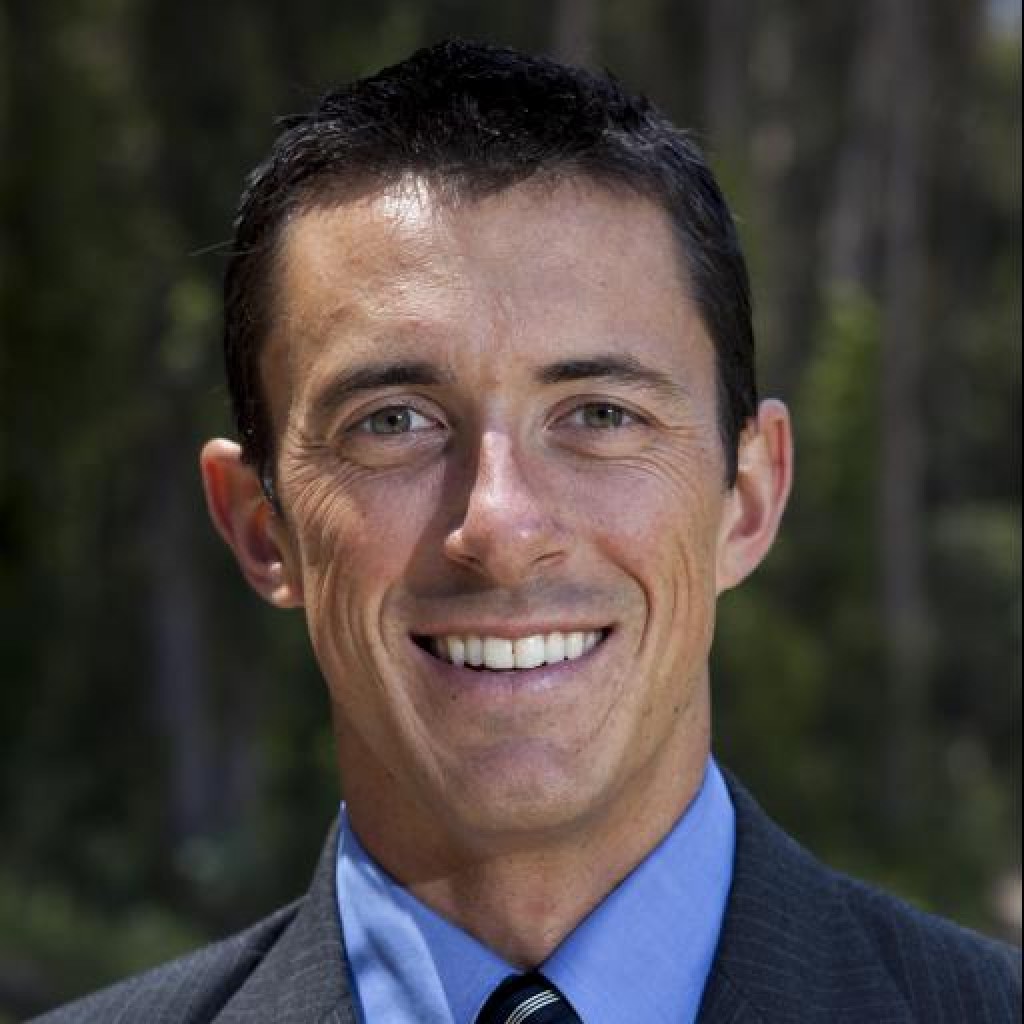
Ian McHenry and the price of a second act
He helped vacation-rental owners put a price on every night. After Beyond and a delivery startup that did not last, Ian McHenry is putting his attention into something harder to count: a child learning to read.

Sylvana Ward Durrett and the problem with the kids’ table
She spent years helping put the Met Gala together. Then shopping for her own children sent Sylvana Ward Durrett into a different kind of production: building Maisonette, and later a place for kids ready to choose for themselves.
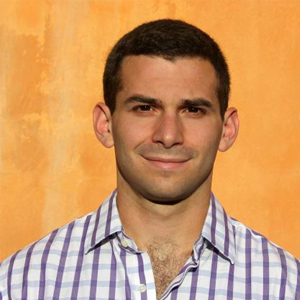
Dave Benjamin and the work before takeoff
From Princeton engineering to JetInsight, Dave Benjamin has built a career around the machinery behind a business. In private aviation, his subject is everything that must happen before a flight can look effortless.
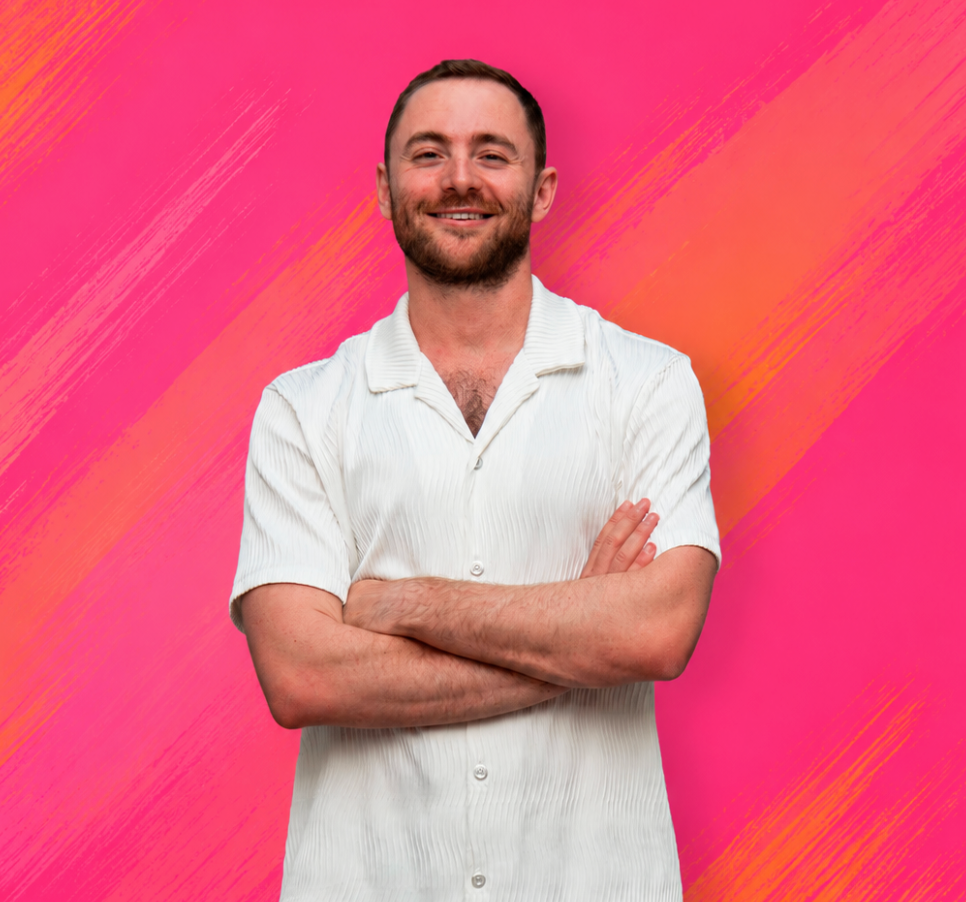
Max Greenwald and the art of changing your mind
A co-founder matching app went nowhere. A Zoom detour took years. Max Greenwald kept revising Warmly until it found paying customers - and, in 2026, a new home at HubSpot.

NIKSUN and the case for keeping every packet
A missing sliver of network traffic can explain a bad trade, a dropped call or a stolen file. NIKSUN has built its business around saving the evidence before anyone knows which evidence matters.
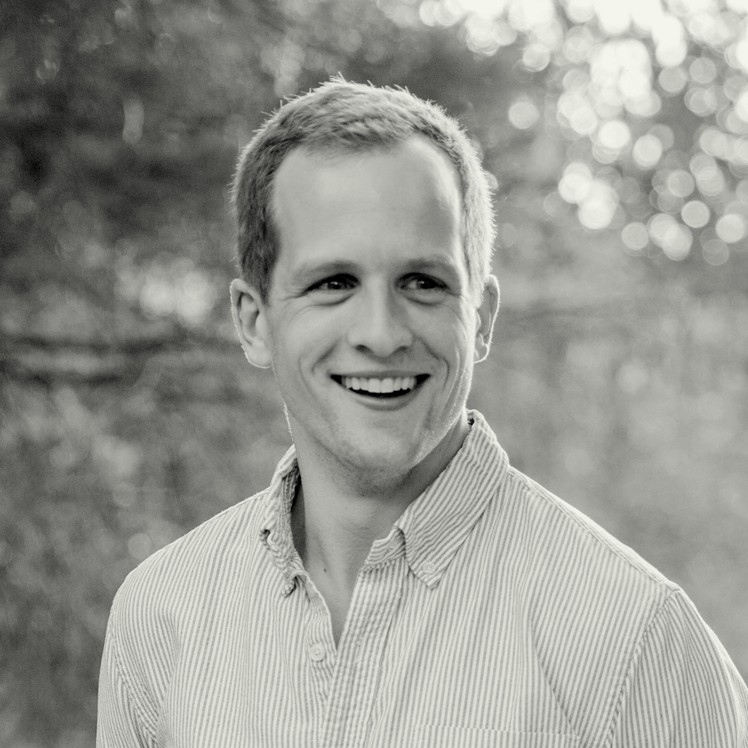
Patrick Wendell and the Useful Consequences of Being Told No
He went to Berkeley to study distributed computing, helped turn Spark into a disciplined open-source project, and left before finishing a PhD to build the company nobody else volunteered to build.
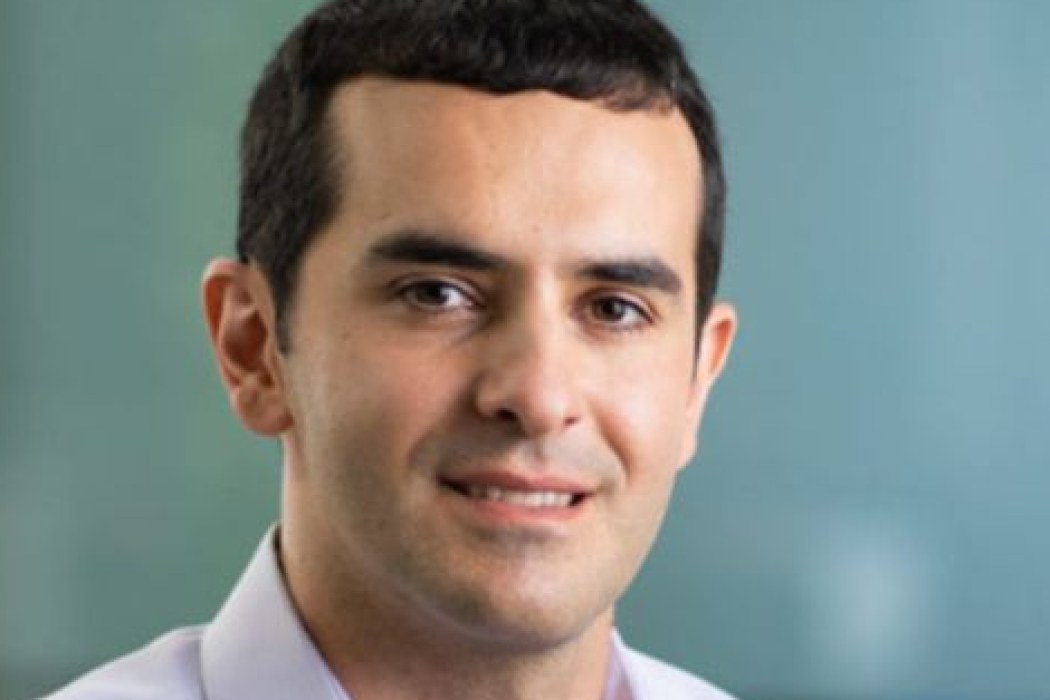
Sasan Amini
Sasan Amini is the co-founder and CEO of Clear Labs, a San Carlos genomics company that turns next-generation DNA sequencing into a push-button diagnostic for food safety and infectious disease. An Iranian immigrant who left Tehran at 22, he earned a PhD in genomics at Princeton, worked in advanced research at Illumina, and in 2014 set out to make sequencing simple enough for any lab to run. When COVID-19 hit, Clear Labs pivoted its automated platform into SARS-CoV-2 surveillance and reached more than half of U.S. public health labs.
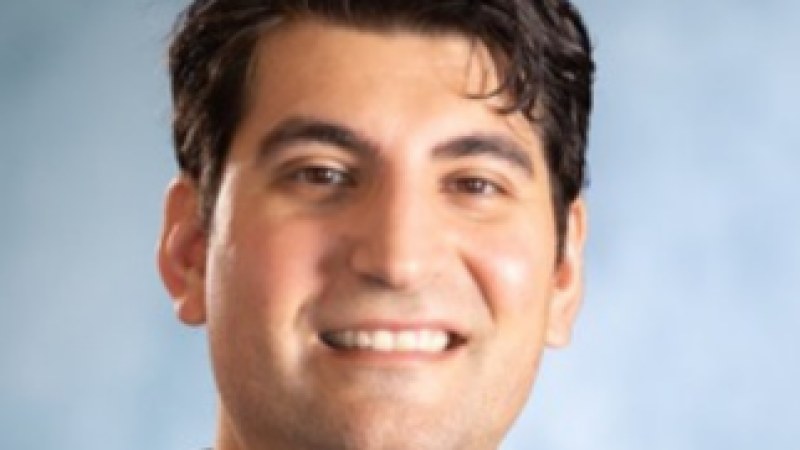
Michael Monovoukas
Michael Monovoukas is the CEO and co-founder of AcuityMD, a Boston-based commercial intelligence platform for the medical device industry. Founded in 2019, AcuityMD gives medtech sales teams a shared view of physicians, procedures, and referral networks. In April 2026 the company raised an $80M Series C led by StepStone Group, pushing its valuation near $1B and total funding past $160M.
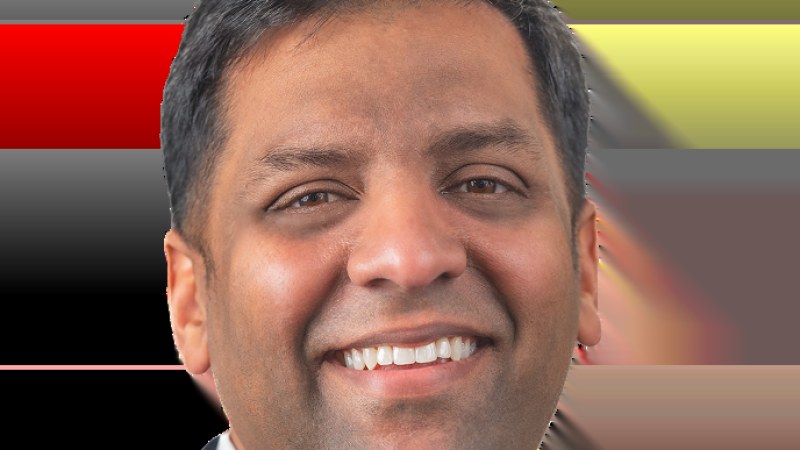
Syed T. Husain
Syed T. Husain is the Chairman and CEO of Made Scientific, a Princeton, New Jersey cell therapy contract development and manufacturing organization (CDMO) that he relaunched in 2025 out of the former BioCentriq. Backed by GC Corporation, the company runs a 60,000-square-foot GMP facility built to move autologous and allogeneic cell therapies from clinical batches to commercial supply. A chemical engineer by training who started on the manufacturing floor at Wyeth and Pfizer, Husain spent more than two decades in CDMO leadership at Lonza, Alcami, Emergent BioSolutions, and Resilience before taking the top job. He named the rebranded company MADE for Manufacturing and Development Excellence.
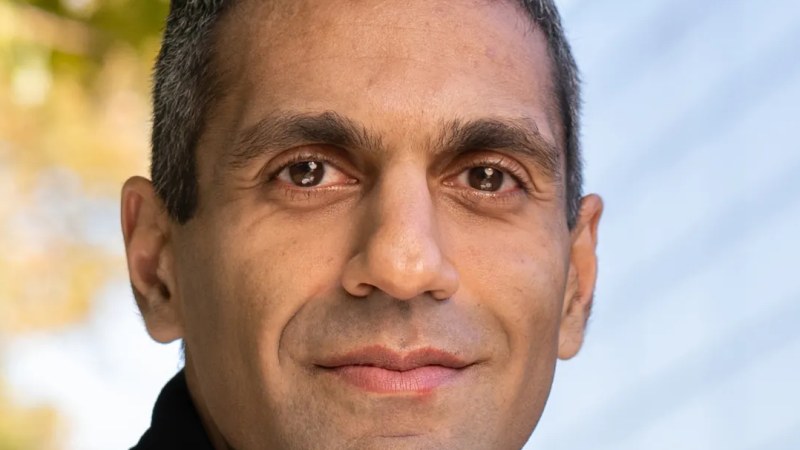
Naveen Verma
Naveen Verma is the co-founder and CEO of EnCharge AI and a professor of electrical and computer engineering at Princeton University. He spent roughly six years de-risking a single, stubborn idea - computing with electric charge stored in metal capacitors instead of noisy transistors - before spinning it out of his lab in 2022. The result is analog in-memory computing hardware that his company says runs AI inference at roughly 20 times less energy than a typical GPU, aimed squarely at putting powerful AI on laptops and edge devices rather than in power-hungry data centers. EnCharge has raised more than $144 million, including an oversubscribed $100M+ Series B led by Tiger Global in early 2025, and shipped its first commercial accelerator, the EN100.
Ly Tran
Ly Tran is the CEO of Belle.ai (BelleTorus Corporation), a Cambridge, Massachusetts computer vision company whose AI reads smartphone photos to help clinicians evaluate more than 1,600 skin conditions across 60-plus countries. He took the helm in 2021 after co-founding AtHoc, the crisis-communications company he built into the top supplier to the U.S. Defense and Homeland Security markets before BlackBerry acquired it in 2015. A Princeton history graduate with a Harvard MBA, Tran pairs a go-to-market operator's instincts with board and investor roles at companies like Jane Technologies and Cirkul.
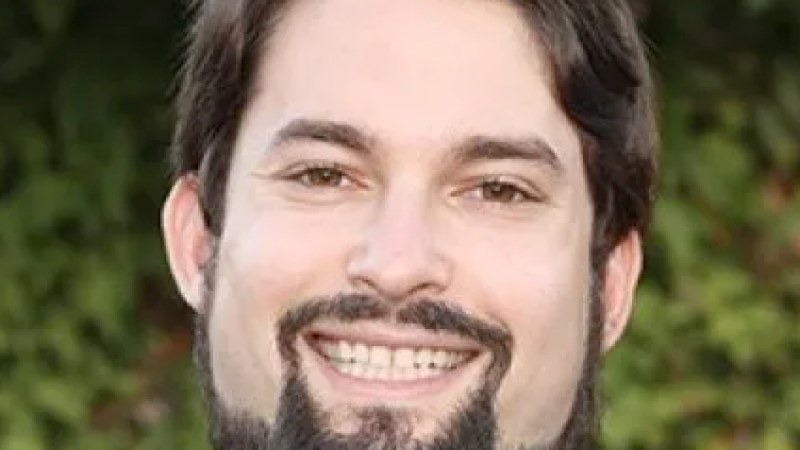
Noah Freedman
Noah Freedman is the co-founder and CEO of Nucleos, a public benefit company that builds secure, tablet-powered learning systems for people inside U.S. jails and prisons. What started as PortableCloud - an offline education project for under-resourced schools in India, Zimbabwe and Kenya - pivoted hard after an incarcerated colleague showed Freedman that the same digital divide existed inside American corrections. Today his Achieve DXP platform handles the roughly 95% of mainstream e-learning that prisons can't otherwise allow for security reasons, tracking courses and credentials so people can walk out with a path to a job. A Princeton public-policy grad who ran global e-learning software at Stanford's Graduate School of Education, Freedman has turned a quiet conviction about second chances into a working business that's free for the facilities that use it.
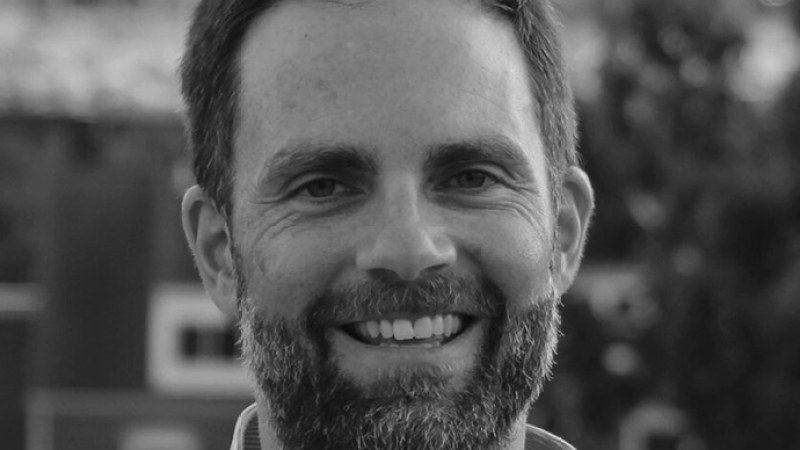
Rob Cirincione
Rob Cirincione is the co-founder and CEO of Sunairio, a Baltimore-based weather intelligence company that helps energy traders, utilities, and grid planners price the risk hiding inside the weather. A Princeton-trained engineer with a master's from MIT, he spent over 12 years trading power at Constellation Energy and Boston Energy Trading & Marketing before deciding the off-the-shelf weather forecasts the whole industry relied on were dangerously blurry. Sunairio runs thousands of high-resolution simulations to catch the rare extreme hours that drive most grid risk, and in 2025 launched ONE, a next-generation grid forecast model trained on its proprietary high-resolution climate archive.
Vivian Wang
Vivian Wang is the founder and CEO of LANDED, a generative-AI hiring platform built for the people who never had software built for them: the line cooks, cashiers, baristas and shift managers behind America's restaurants, hospitality groups and retailers. Launched in late 2019, LANDED automates sourcing, screening, vetting and interview scheduling for high-volume hourly roles, and by 2025 had grown to 500+ business customers, a database of 3.2 million-plus candidates and 6.3 million-plus job matches. A Princeton graduate and Forbes 30 Under 30 honoree in Enterprise Technology, Wang has raised roughly $8.7M from investors including Javelin Venture Partners and Blockchain Capital, and frames her mission around the 2.7 billion hourly workers worldwide.