ophthalmology
(39)
RHMM and the art of arriving before the launch
Shire had a new eye drug and a small ophthalmics team. RHMM helped prepare the professional audience - a revealing assignment for a company built around science, relationships, and getting the work done.

Henry Hsu Has Spent a Career Turning Small Molecules Into Big Decisions
The physician-founder behind Allysta learned biotech from the least glamorous end: protocols, partnerships and the long distance between a promising mechanism and a credible medicine.

Tim Willis Keeps Betting on the Space Between Blinks
He built TearScience from a treatment idea into a company acquired by Johnson & Johnson. Then the engineer returned to the same tiny surface with a new question: can an eye drop learn to stay put?
The Eye Drop That Refuses to Blink Away
A serial dry-eye entrepreneur who already sold one eye-care company to Johnson & Johnson is betting that the fix for dry eye is not a better drop - it is a drop that simply stays put.
Amr Salahieh Built a Factory for Starting Companies
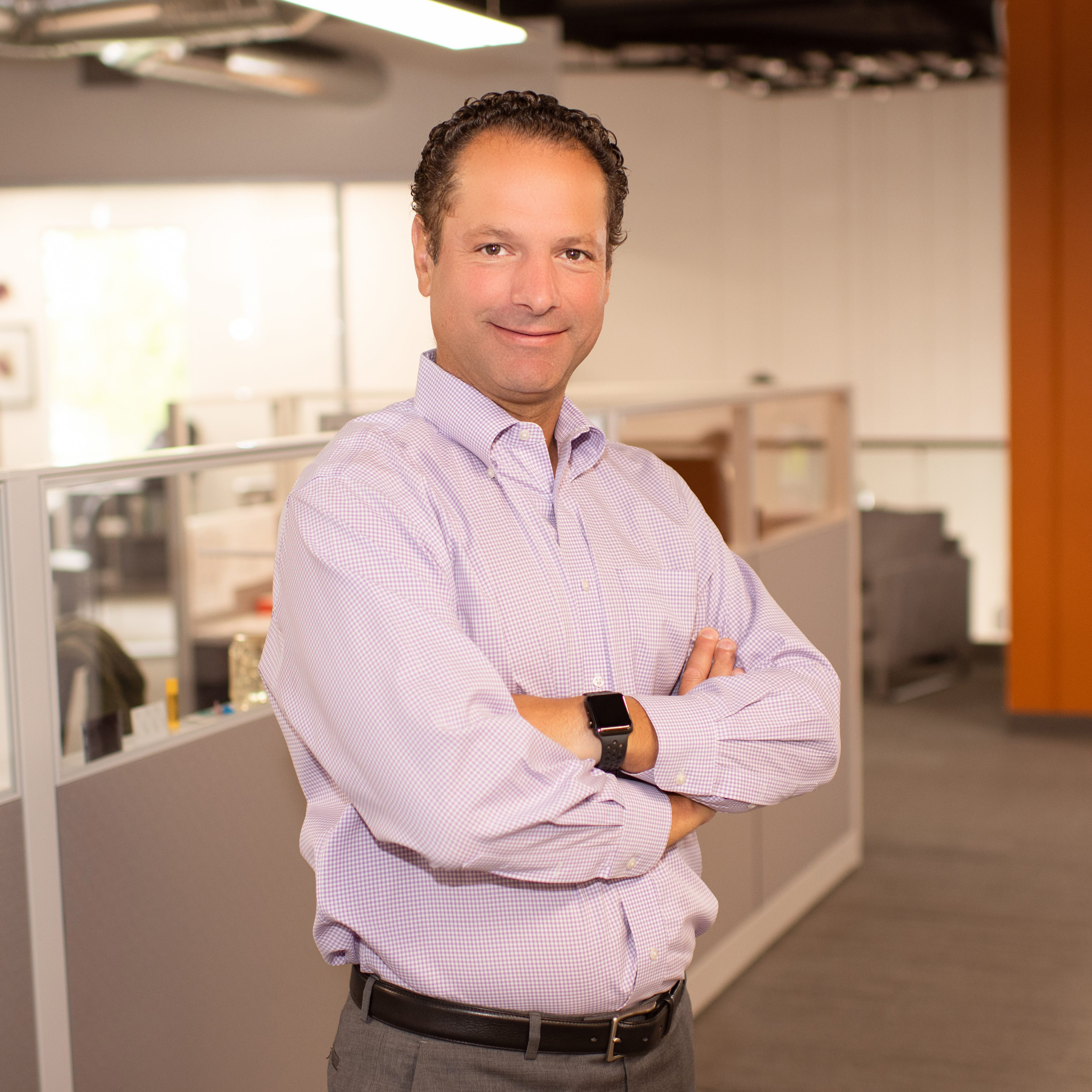
He kept losing time to leases, hiring and infrastructure. So the engineer behind Shifamed designed those distractions out - and turned one company-building career into a repeatable system.

Sun Pharma
Sun Pharma became India’s largest drugmaker by mastering generics. Now a portfolio of skin, eye and cancer medicines - and an audacious pending Organon deal - is changing what the company wants to be.

Cheng Zhang
Cheng Zhang is the co-founder and CEO of Character Biosciences, a precision-medicine biotech that flips traditional drug discovery on its head by starting with patients instead of targets. Trained in mathematics and philosophy at Duke and shaped by years at UBS, Oliver Wyman, and Pfizer, Zhang built Character around a proprietary database of thousands of patients with age-related macular degeneration, combining genomics, longitudinal clinical data, retinal imaging, and machine learning to reclassify common diseases of aging into genetic subtypes. In 2025 the company raised an oversubscribed $93 million Series B to move its lead eye-disease candidates into the clinic.

Beacon Therapeutics
Beacon Therapeutics is a clinical-stage ophthalmic gene therapy company building AAV-based treatments to preserve and restore sight for people with rare and prevalent retinal diseases that cause blindness. Formed in 2023 by Syncona around the assets of Applied Genetic Technologies Corp (AGTC) and complementary science from the University of Oxford, its lead program, laru-zova (AGTC-501), is a one-time gene therapy for X-linked retinitis pigmentosa now in registrational trials, with additional programs targeting geographic atrophy (dry AMD) and cone-rod dystrophy.
Character Biosciences
Character Biosciences is a precision medicine company developing targeted therapies for progressive polygenic diseases, starting in ophthalmology with age-related macular degeneration (AMD). By pairing human genetics with longitudinal clinical and retinal imaging data from thousands of consented patients - and layering AI-enabled biomarker analysis on top - Character reclassifies broad diagnoses into genetically defined subtypes so it can design drugs that target the root drivers of disease progression. Its lead programs, CTX114 (a complement inhibitor for geographic atrophy) and CTX203 (a lipid regulator to prevent progression to advanced AMD), are advancing toward the clinic on the strength of a Series B that grew past $110 million.

Fount Bio, Inc.
Fount Bio is a Somerville, Massachusetts life-science company that builds long-lasting hyaluronic acid (HA) matrices directly inside living tissue. Its proprietary Flī-HA platform uses Nobel-Prize-winning bioorthogonal (click) chemistry to deliver HA building blocks that self-assemble in situ into a biostable, high-molecular-weight matrix - overcoming the delivery and degradation barriers that have long forced HA to be injected as pre-formed filler. The lead product, Flī-Derm, is a needle-free liquid for aesthetic dermatology that reduced fine lines and wrinkles in a blinded clinical study and won IMCAS 2024's Innovation of the Year. The tunable platform extends toward ophthalmology, joints, mucosal tissue and women's health.
Neurotech Pharmaceuticals, Inc.
Neurotech Pharmaceuticals is a Cumberland, Rhode Island biotechnology company that develops long-acting therapies for chronic retinal diseases using its Encapsulated Cell Technology (ECT) platform - a tiny implant of genetically engineered cells that continuously secretes a therapeutic protein inside the eye. In March 2025 its lead product ENCELTO (revakinagene taroretcel-lwey, formerly NT-501/Renexus) became the first and only FDA-approved treatment for macular telangiectasia type 2 (MacTel), delivering ciliary neurotrophic factor (CNTF) to slow the loss of photoreceptors.

Allysta Pharmaceuticals, Inc.
Allysta Pharmaceuticals is a private, venture-backed, clinical-stage biopharmaceutical company developing first-in-class therapeutic peptides that target adiponectin signaling. Its lead compound, ALY688, is described as the first adiponectin receptor agonist to enter human testing, with anti-inflammatory, anti-fibrotic, cell-regenerative and metabolic properties. Allysta is advancing ALY688 as an ophthalmic solution for dry eye disease and as an extended/sustained-release formulation for systemic conditions such as NASH/MASH and Duchenne muscular dystrophy.
Shifamed
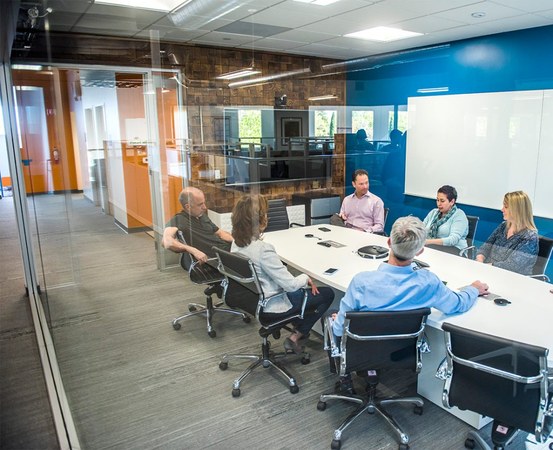
Shifamed is a Silicon Valley medical technology incubator founded in 2009 by serial entrepreneur Amr Salahieh. It combines human-centered design, in-house engineering, and R&D facilities to build medical device companies from concept to commercial launch, spinning out and incubating startups across cardiovascular, electrophysiology, and ophthalmology. Its portfolio and legacy companies have raised over $800M and produced multiple acquisitions by Boston Scientific, Abbott, Covidien, and Johnson & Johnson.

Vivid Vision
Vivid Vision is a San Francisco medical technology company that turns virtual reality headsets into tools for vision care. Founded in 2014 by programmer James Blaha, who built the first prototype to treat his own lazy eye, the company started with VR games for amblyopia and strabismus and now runs two lines: a clinical and at-home vision therapy suite used in clinics across 50+ countries, and Vivid Vision Perimetry (VVP), a VR-based visual field test being adopted as a digital endpoint in pharmaceutical clinical trials for glaucoma, AMD, and geographic atrophy.
Rich Small
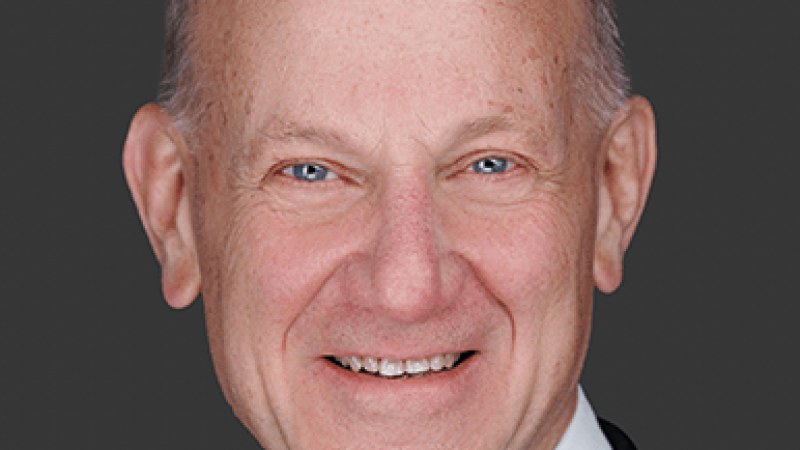
Rich Small is the CEO of Neurotech Pharmaceuticals, the Cumberland, Rhode Island clinical-stage biotech that in March 2025 won FDA approval for ENCELTO, the first and only treatment for macular telangiectasia type 2 (MacTel). A CPA and Northeastern University graduate, he joined Neurotech as CFO in 2007 and took over the top job in 2016, guiding the company's encapsulated cell technology platform from experimental science to a commercial retinal implant.
Tuyen Ong
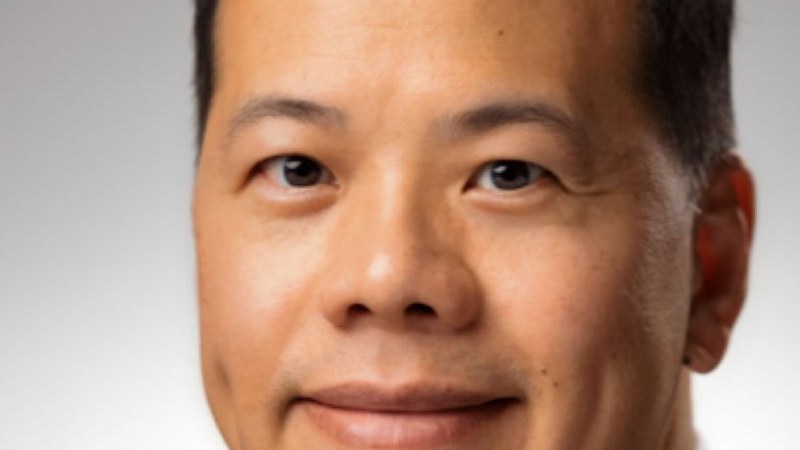
Tuyen Ong is a physician-turned-biotech executive who spent four years as CEO of Ring Therapeutics, the Flagship Pioneering company trying to turn anelloviruses - harmless viruses that already live in nearly everyone - into a redosable delivery system for genetic medicines. Trained as an ophthalmologist at University College London with an MBA from NYU Stern, he built his career on gene therapy for rare eye disease at Nightstar, Biogen, PTC, Bausch & Lomb and Pfizer before betting on a virus most scientists had written off as biological junk. In 2025 he co-founded PharmasMarket, a drug-development consultancy.

Xuandai Nguyen
Xuandai Nguyen, Ph.D., MBA, is Vice President, Head of Global Program Strategy and Chief of Staff to the CEO at Beacon Therapeutics, an ophthalmic gene therapy company working to restore sight in people with inherited and prevalent retinal diseases. A scientist-turned-strategist, Nguyen has spent more than two decades moving medicines from bench to market, with senior roles at Genentech, Forma Therapeutics and ACELYRIN spanning immunology, ophthalmology, respiratory and sickle cell disease. Trilingual and Berkeley- and Cornell-trained, Nguyen sits at the intersection of hard science and commercial strategy, translating complicated biology into the plans that decide which therapies reach patients.
PlenOptika
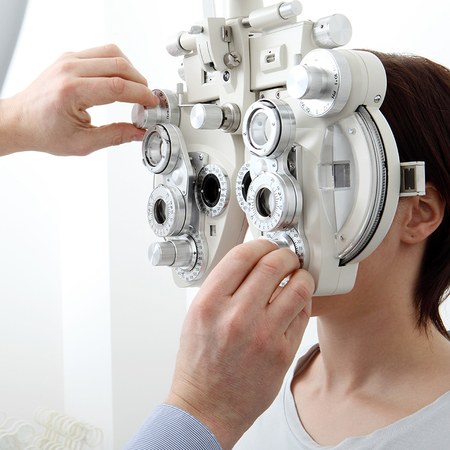
PlenOptika is a Cambridge, Massachusetts medical device company that makes QuickSee, a handheld autorefractor that measures a person's eyeglass prescription in about ten seconds using wavefront aberrometry and machine-learning algorithms. Spun out of the Madrid-MIT M+Vision fellowship in 2014, the company set out to close the gap on uncorrected refractive error, a problem affecting more than a billion people worldwide. Its portable, clinic-quality device has been used by vision professionals and NGOs on over 5 million patients in more than 45 countries - and even flew aboard SpaceX's Polaris Dawn mission as the first handheld autorefraction device used in space.
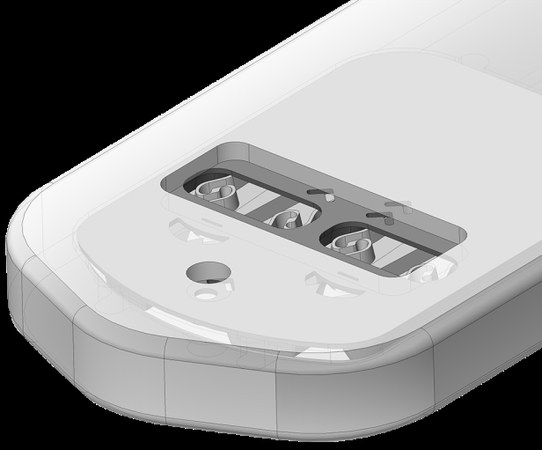
Myra Vision
Myra Vision is a Campbell, California medical device company developing the Calibreye Titratable Glaucoma Therapy Surgical System - a next-generation aqueous shunt with adjustable outflow channels that let surgeons fine-tune intraocular pressure in glaucoma patients non-invasively in the clinic, long after the implant goes in.
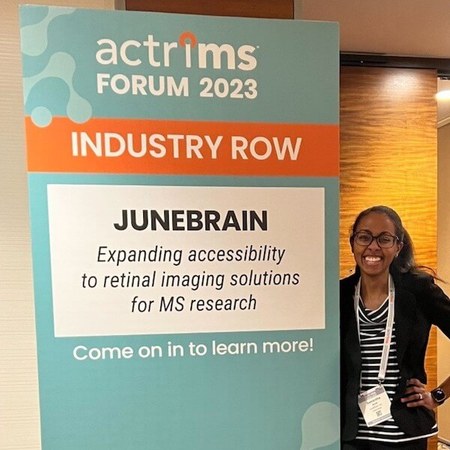
Samantha Scott
Samantha Scott, PhD is the founder and CEO of JuneBrain, a Baltimore medtech startup building the first wearable, technician-free retinal scanning system. Trained as a biomedical engineer at Stanford and USC, she is turning high-resolution eye imaging plus AI into a way to detect and monitor brain and eye conditions far outside the walls of a clinic. JuneBrain has raised more than $3 million in private capital, won $3 million in NSF grants, holds four issued patents, and is on track for an FDA submission.

Jason Ehrlich
Jason Ehrlich is the co-founder and CEO of Ollin Biosciences, an Austin-based clinical-stage biopharma launched in September 2025 with $100 million to build best-in-disease eye medicines. An MD-PhD ophthalmologist trained at Princeton and Stanford, he spent a decade at Genentech/Roche helping shepherd retina drugs including Lucentis and the bispecific faricimab (Vabysmo), then served five years as chief medical and development officer at Kodiak Sciences. At Ollin he is taking direct aim at the market leader: in early 2026 his lead asset OLN324 beat faricimab head-to-head in a randomized Phase 1b study, drying retinas faster and deeper with a clean safety record.
Adaptilens
Adaptilens is a pre-clinical biotechnology company in Newton, Massachusetts developing the first biomimetic accommodating intraocular lens (A-IOL) - a soft, flexible artificial lens that responds to the eye's natural focusing signal from the ciliary muscle. Founded by ophthalmologist Dr. Liane Clamen, the company aims to replace the cataract-clouded natural lens with one that restores clear vision across near, intermediate, and distance ranges without glasses, contacts, or the halos and glare common to multifocal alternatives. Adaptilens raised a $17.5M Series A in April 2024 to advance its A-IOL toward first-in-human trials.

Avisi Technologies
Avisi Technologies is a clinical-stage ophthalmic medical device company building VisiPlate, an ultrathin, nanotechnology-enabled aqueous shunt that drains excess fluid from the eye to lower pressure in glaucoma patients. Spun out of the University of Pennsylvania's Y-Prize program in 2017, the company is advancing VisiPlate through the FDA-cleared SAPPHIRE pivotal trial and has raised roughly $21.7M to date, including a $10.7M Series A in February 2026.
Intalight
Intalight is a US-based ophthalmic imaging company (the international brand of SVision Imaging / 视微影像, Luoyang, China) that builds high-speed swept-source OCT and OCT-angiography systems. Its flagship DREAM OCT platform images the whole eye in a single ultra-widefield scan, combining deep retinal penetration, anterior-segment imaging, biometry, and AI-driven segmentation for clinicians and researchers worldwide.

Kriya Therapeutics, Inc.
Kriya Therapeutics is a clinical-stage biopharmaceutical company building one-time, AAV-based gene therapies for prevalent chronic diseases of high unmet need. Founded in 2019 and headquartered in Morrisville, North Carolina with operations in Silicon Valley, Kriya pairs a proprietary, vertically integrated manufacturing and R&D engine with a pipeline spanning ophthalmology, metabolic disease, and neurology. Its bet: gene therapy shouldn't be reserved for the rare few, but engineered and manufactured at the scale and cost needed to reach millions.
Bing Li
Bing Li is the CEO and co-founder of Intalight, an ophthalmic imaging company behind the DREAM OCT swept-source platform. Founded in 2014 by a group of scientists and Silicon Valley industry veterans, Intalight built one of the first swept-source OCT devices in 2019 and has since powered more than 170 peer-reviewed retinal-imaging studies. Trained as an engineer and applied mathematician, Li moved from the auto and semiconductor industries into eye care, betting that faster, deeper, wider retinal scans would change how clinicians see inside the eye. In May 2025 the company won CE Mark clearance to sell DREAM OCT across the European Union, with FDA review pending in the United States.
Noveome Biotherapeutics, Inc.
Noveome Biotherapeutics is a Pittsburgh clinical-stage biopharmaceutical company built around ST266, a multi-targeted secretome of hundreds of biologically active proteins harvested from a novel population of amnion-derived cells. Rather than transplanting cells, Noveome delivers the healing signals those cells secrete - aiming to modulate inflammation, protect nerves, and accelerate tissue repair. Its lead program treats necrotizing enterocolitis, a devastating gut disease in premature infants, with additional pipeline work spanning ophthalmology, neurology, and dermatology.

Ollin Biosciences
Ollin Biosciences is an Austin-based clinical-stage biopharmaceutical company building a portfolio of best-in-disease therapies for vision-threatening eye diseases. Founded in 2023 and launched publicly in September 2025 with $100M in Series A financing, Ollin in-licenses validated drug candidates and races them through head-to-head trials against the market leaders. Its lead program, OLN324, is a VEGF/Ang2 bispecific antibody for wet age-related macular degeneration and diabetic macular edema that posted superior anatomic results versus Roche's blockbuster Vabysmo in a Phase 1b study.
Liane Clamen
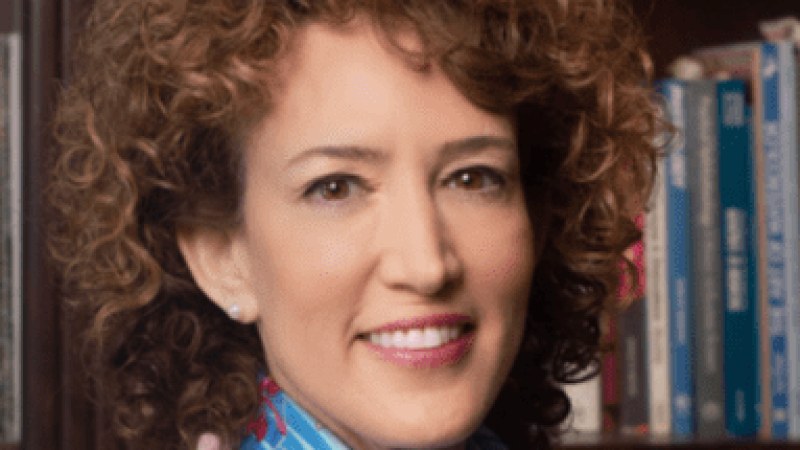
Liane Clamen is a Harvard-trained ophthalmologist and the founder and CEO of Adaptilens, a Newton, Massachusetts biotech building a biomimetic accommodating intraocular lens that imitates the young human lens so cataract patients can see near, intermediate, and distance without glasses. She sketched the idea more than two decades ago, fought the patent office to a 2019 grant, and in April 2024 closed a $17.5 million Series A to push the device toward its first human trial.
ViaLase, Inc.
ViaLase, Inc. is a clinical-stage medical technology company in Aliso Viejo, California building the first femtosecond laser designed to treat primary open-angle glaucoma without cutting into the eye. Its ViaLuxe Laser System pairs micron-level, high-definition imaging with a femtosecond laser to perform a noninvasive, image-guided trabeculotomy - branded FLigHT - that creates a drainage channel through the trabecular meshwork to lower intraocular pressure. Founded in 2019 by femtosecond-laser pioneer Tibor Juhasz, the company has raised more than $115 million, earned a CE Mark in Europe, and begun a U.S. IDE clinical trial.