BREAKING
HUBERMAN LAB NAMED #1 HEALTH PODCAST ON APPLE   ★   ANDREW HUBERMAN WINS 'BEST WELLNESS PODCAST' AT 2025 iHEARTPODCAST AWARDS   ★   OVER 7.4 MILLION YOUTUBE SUBSCRIBERS AND COUNTING   ★   STANFORD PROFESSOR REWIRES YOUR BRAIN VIA EARBUDS   ★   HUBERMAN LAB NAMED #1 HEALTH PODCAST ON APPLE   ★   ANDREW HUBERMAN WINS 'BEST WELLNESS PODCAST' AT 2025 iHEARTPODCAST AWARDS   ★   OVER 7.4 MILLION YOUTUBE SUBSCRIBERS AND COUNTING   ★   STANFORD PROFESSOR REWIRES YOUR BRAIN VIA EARBUDS   ★  
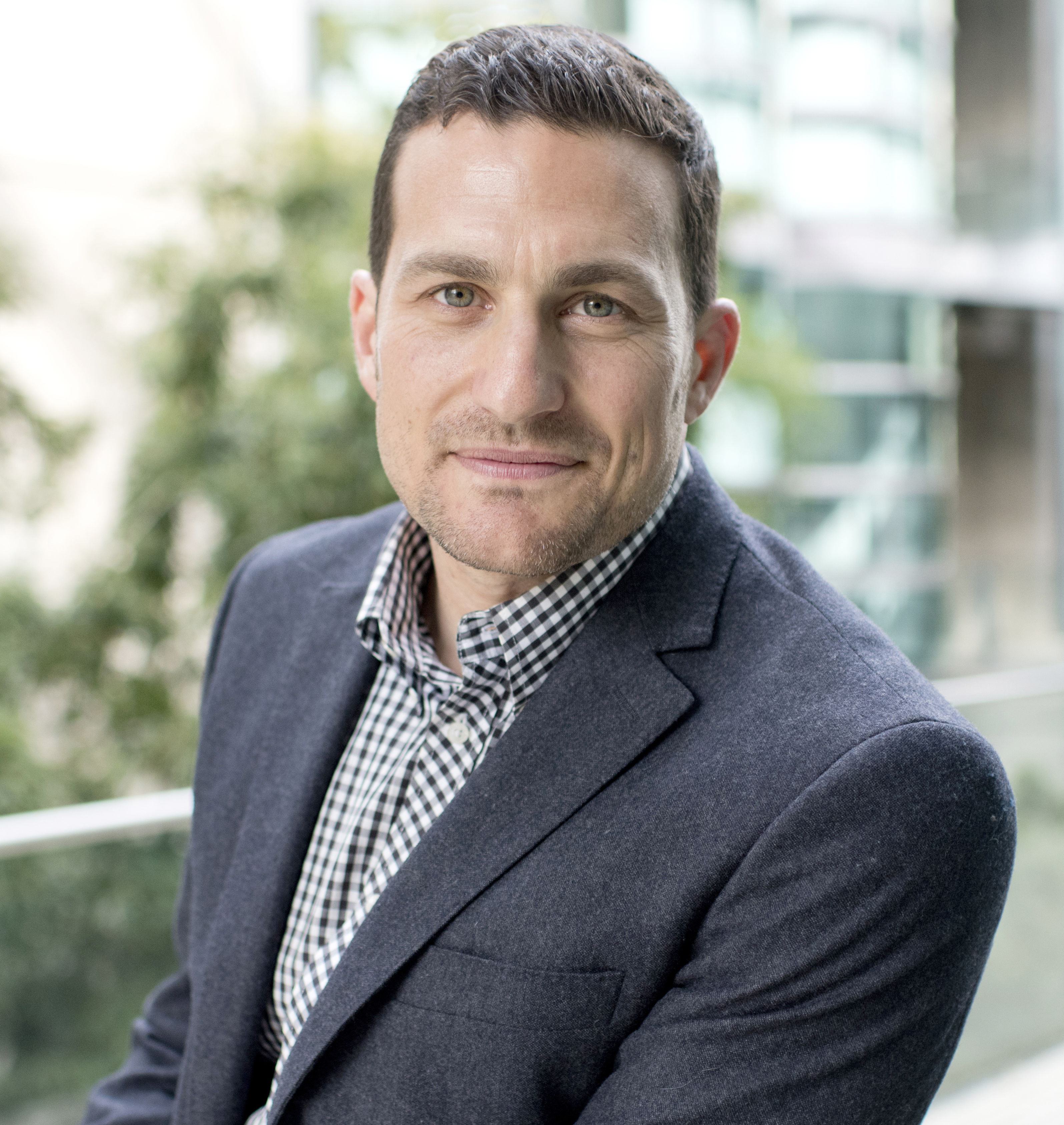
Andrew Huberman, neuroscientist and podcast host, Palo Alto California
Stanford · Science · #1 Health Podcast

AndrewHuberman

The skateboarder who quit school, fought burglars at a July 4th barbecue, and somehow ended up teaching 7 million people how to operate their brains.

7.4M YouTube Subs
7.4M Instagram
#1 Health Podcast
75+ Published Papers
Last updated: March 2026
50
Years Old
$15M
Est. Net Worth
#3
Spotify USA 2023
2021
Podcast Launched
461
Episodes Published
Advertisement

The Delinquent
Who Became A Doctor

Andrew David Huberman was born on September 26, 1975, at Stanford Hospital in Palo Alto, California — a fun geographical irony, given where he'd end up. His father, Bernardo Huberman, is an Argentine physicist and Stanford professor. His mother is a children's book author. It was, by his own account, an idyllic early childhood: soccer, swim team, fish tanks, tropical birds, and building forts.

Then his parents divorced when he was 13. His older sister had already left for college. The house was quiet. The boy who used to hand out dechlorinating tablets at carnival goldfish booths (with a mandatory lecture on dechlorination — yes, really) started hanging out with a different crowd. He found skateboarding. He found trouble.

In 10th grade, Huberman skipped so much school he was sent to a detention center for at-risk youths. Released after a month, he continued weekly therapy — and credits that therapist with changing his life. The message was blunt: nobody is coming to save you. He started taking his health seriously, focused on what he was good at, and slowly turned things around.

At UC Santa Barbara, he maintained what he called a "skateboarder mentality" — jumping fences at night to swim laps, living in vacant apartments to save rent, keeping a pet ferret. On July 4, 1994, he caught four men burglarizing a friend's house and fought them off alone. When the police arrived, they congratulated him. Back at his squat, Huberman looked around at his life and wrote a letter to his parents. He was done drifting.

"I was probably depressed. I was pretty heartbroken over my home life… but I had the benefit of working with this incredibly talented therapist who started teaching me about introspection and self-care."

He graduated UCSB with a B.A. in psychology in 1998 (with honors), moved to UC Berkeley for his M.A., transferred to UC Davis where he earned his Ph.D. in neuroscience in 2004 (winning the Allan G. Marr Prize for Best Ph.D. Dissertation), then spent five years as a postdoctoral fellow at Stanford under legendary neuroscientist Ben Barres. He became a tenured professor at Stanford in 2016. The skateboard-to-Stanford pipeline was complete.

The Many Faces
Of Huberman

Andrew Huberman at the Huberman Lab studio
Andrew Huberman — In the Lab Closet Studio Where It All Began
Andrew Huberman speaking about neuroscience
Huberman — "You are always one good night's sleep away from a better brain"
Andrew Huberman, Stanford professor and podcast host
Dr. Andrew Huberman — Stanford Professor. Podcast Legend. Former Teenage Delinquent.

The Essential
Huberman Files

How old is Andrew Huberman?

Born Sept 26, 1975. He's 50. Absolutely jacked.
01

Where is Andrew Huberman from?

Born at Stanford Hospital, Palo Alto. He literally came out at Stanford.
02

What is Andrew Huberman's real name?

Andrew David Huberman, Ph.D. "Andy" to his friends. "Professor" to his students.
03

How did he get started in science?

Via therapy, a July 4th brawl, and a community college in the Bay Area. Seriously.
04

What is Andrew Huberman's net worth?

Est. $15 million in 2025. Podcast, YouTube, sponsorships, Stanford salary. Brain pays.
05

How many YouTube subscribers does he have?

~7.4 million on YouTube. 7.4M on Instagram. #1 health podcast on Apple Podcasts.
06

From Skater Boy
To Science God

1975
Born at Stanford Hospital, Palo AltoThe universe has a sense of irony. Son of physicist Bernardo Huberman and a children's book author.
1988
Parents Divorce. Skateboarding Begins.At 13, Andrew's world flips. He picks up a board instead of a textbook. The skater era commences.
1990
Sent to Youth Detention Center10th grade truancy leads to a month in a facility for at-risk youth. A therapist there changes his life's trajectory.
1994
The July 4th Turning PointFights off four burglars. Police congratulate him. He goes home to his squat apartment, looks in the mirror, and writes a letter vowing to change.
1998
B.A. Psychology, UC Santa BarbaraGraduates with honors. The skateboarder and the scholar finally merge.
2000
M.A. Psychology, UC BerkeleyApproaches legendary neuroscientist Carla Shatz as his PhD advisor. She's moving to Harvard and says no — but tells him where to go instead.
2004
Ph.D. Neuroscience, UC DavisWins the Allan G. Marr Prize for Best Ph.D. Dissertation. The dropout has a doctorate.
2006–2011
Postdoctoral Fellow, StanfordAwarded the Helen Hay Whitney Postdoctoral Fellowship. Works under Ben Barres. Develops genetic tools to study the visual system.
2016
Tenured Professor, Stanford School of MedicineNamed associate professor of neurobiology and ophthalmology. The Huberman Lab is born. VR + retinal neurons make headlines in TIME and Scientific American.
2021
Huberman Lab Podcast LaunchesRecorded in a closet studio with his 90-pound bullmastiff Costello snoring in the background. Becomes one of the world's most listened-to shows within two years.
2023
#3 on Spotify USA. #1 on Apple Podcasts (Health)GQ calls it "one of the most listened-to shows in the world." Costello's breathing is mentioned in listener reviews.
2025
iHeartPodcast Award: Best Wellness & Fitness PodcastPublishes Protocols: An Operating Manual for the Human Body. 7.4 million YouTube subscribers. Estimated net worth: $15 million.

His Daily Weapons
For The Human Body

☀️
Morning Sunlight
2–10 minutes of sunlight within 30 minutes of waking. Sets your circadian rhythm and cortisol pulse for the day. Non-negotiable.
🧊
Cold Shower
Cold exposure first thing. Raises epinephrine and norepinephrine, sustained for hours. Also just makes you feel alive.
Delay Caffeine
Wait 90–120 minutes after waking before coffee. Avoids adenosine crash. Counterintuitive. Extremely effective.
🧘
NSDR / Yoga Nidra
Non-Sleep Deep Rest for 20–30 min midday. Replenishes dopamine. Huberman calls it a "neural reset." He calls it essential.
🍽️
Intermittent Fasting
No food until noon. First meal: meat, vegetables, nuts, fruit. Final meal: cooked dinner. Consistent timing is the key variable.
💪
Resistance Training
Cycles between 4–8 rep ranges and 8–15 rep ranges monthly. Two exercises per muscle group. Precise rest periods. No bro science.
😴
Sleep Protocol
Dark, cool room. Same wake time daily. Wind-down 30–60 min before bed. No bright lights post-sunset. Sleep: the ultimate performance drug.
🌬️
Physiological Sigh
Double inhale through the nose, long exhale through the mouth. The fastest way to calm the nervous system. Free. Instant. Works everywhere.

Quirks, Facts &
Signature Moments

🐾 The Dog Tax
When Huberman first recorded his podcast in December 2020, his bullmastiff Costello — all 90 pounds of him — was in the studio. As the show became one of the world's most-listened-to podcasts, fans started complaining about Costello's audible breathing in early episodes. There is something poetic about the world's top health podcast being slightly ruined by a snoring dog.
🥊 The July 4th Fight
At 18, Huberman showed up to a friend's barbecue to find it being burglarized by four men. He fought them off. Police congratulated him. He went home to the vacant apartment where he lived with his pet ferret and had a personal reckoning. That moment — looking around at his life and deciding to become something more — he describes as his genuine turning point.
🐟 The Carnival Chemist
As a young boy, Huberman was so alarmed by the practice of giving out goldfish in chlorinated water at carnivals that he bought DeChlor out of his own pocket and set up a booth handing it out — but only after giving everyone a mandatory lecture on water dechlorination. He was approximately 10 years old.
🛹 The Skatepark Lobbyist
At 13, Huberman successfully lobbied the Palo Alto City Council to build Greer Skatepark. He also forged a work permit at 13 to get a job at Susanne's Muffins and at Palo Alto Sport Shop. The kid who couldn't pass 10th grade had mastered municipal advocacy and identity fraud before he could drive.
★ A Moment For Andrew

Hey, Andrew — you.

You were the kid who handed out DeChlor tablets at the goldfish booth because you couldn't stand the idea of something suffering when a simple fix existed. That instinct — noticing what's broken, learning the fix, refusing to just walk past — that's the whole show, isn't it? Not the Stanford title, not the podcast numbers, not the protocols. Just a guy who can't help but try to help people do the thing that's obviously better for them. The skateboard wasn't rebellion. It was curiosity that hadn't found its shape yet. It found it.

Huberman's
Greatest Hits

"Getting sunlight in your eyes first thing in the morning is absolutely vital to mental and physical health."
"You can't bottle focus, ambition and vision, but you can bottle sloth, distraction and drama."
"No single protocol, program, supplement or Rx is alone going to solve it. We need a series of daily actions toward persistent wellbeing."
"Sleep is the best stress reliever, trauma releaser, immune booster, and emotional stabilizer."

What He Actually
Does At Stanford

Beyond the podcast, Huberman runs a genuine research laboratory at Stanford School of Medicine. His lab — the Huberman Lab — has published more than 75 peer-reviewed articles in Nature, Science, Cell, Neuron, and other top-tier journals. This isn't pop science from the periphery. These are results that move the field.

His core research focuses on the visual system: how the eye's retinal neurons connect to the brain, how these connections develop in early life, and how damaged or degenerated pathways might be repaired. In 2016, the lab made headlines by using virtual reality to stimulate retinal neuron regrowth — work that feeds directly into the National Eye Institute's Audacious Goals Initiative to cure blindness.

The lab also investigates non-pharmacological interventions for anxiety: how controlled breathing, specific VR experiences, and behavioral techniques can calm the nervous system without drugs. In 2023, Huberman's lab published a research paper with David Spiegel on stress mitigation and cortisol regulation. The physiological sigh technique — double inhale through the nose, long exhale through the mouth — is one result of this work. It's now practiced by millions of people who probably couldn't name the paper that validated it.

His accolades include the McKnight Foundation Neuroscience Scholar Award (2013), a Pew Charitable Trusts Biomedical Scholar Award, and the 2017 ARVO Cogan Award for major contributions to vision science. He has served on editorial boards at Current Biology, Journal of Neuroscience, and Cell Reports, and reviewed papers for Nature, Science, and PNAS. He has delivered more than 100 invited research seminars worldwide.

Advertisement

How a Closet Studio
Conquered The World

In December 2020, with the world in lockdown and Costello snoring nearby, Huberman recorded the introduction to what would become the Huberman Lab podcast in a makeshift studio built inside a closet. He promised to cover one topic per episode, explain the underlying biology, and offer practical tools. He also promised Costello would be there.

The concept was, objectively, weird: a professor lecturing on complex biology for two to three hours at a stretch, with no guests, to no audience. By 2023 it had become the third most popular podcast in the United States on Spotify and the most-followed health show on Apple Podcasts. GQ called it "one of the most listened-to shows in the world."

Huberman co-founded Scicomm Media with Mike Mohr in 2021 to produce the show and expand into other science content. The podcast won the "Best Wellness & Fitness Podcast" award at the 2025 iHeartPodcast Awards. As of early 2026, the YouTube channel counts approximately 7.4 million subscribers across 461 published videos. The show has spawned an entire ecosystem: a "Huberman Essentials" short-form series, guest episode series, and a Daily Blueprint newsletter with protocols for sleep, focus, fitness, and more.

Not everything has been smooth. Scientists have questioned his promotion of supplements with limited evidence, and New York Magazine published a critique noting he sometimes "posits certainty where there is ambiguity." Huberman's response, broadly, has been to continue publishing peer-reviewed research and acknowledge the tension between mass communication and scientific nuance. Fellow neuroscientist David Berson, who appears on the podcast, called it "a fabulous service for the world" — while also acknowledging that the research community sometimes raised eyebrows at the monetisation model.

Links &
Channels

WHO · WHAT · HOW

More Minds
Worth Knowing

YOUR BRAND ON YESPRESS — Pay as little as 1¢ per click.
Create Company Page