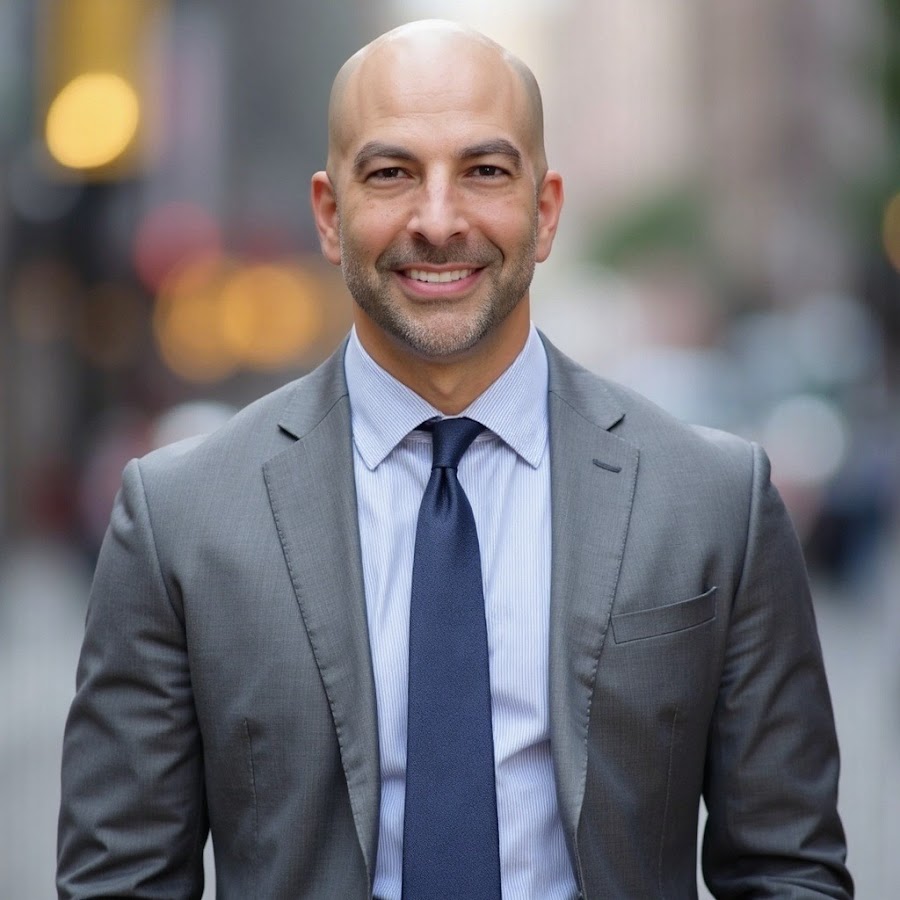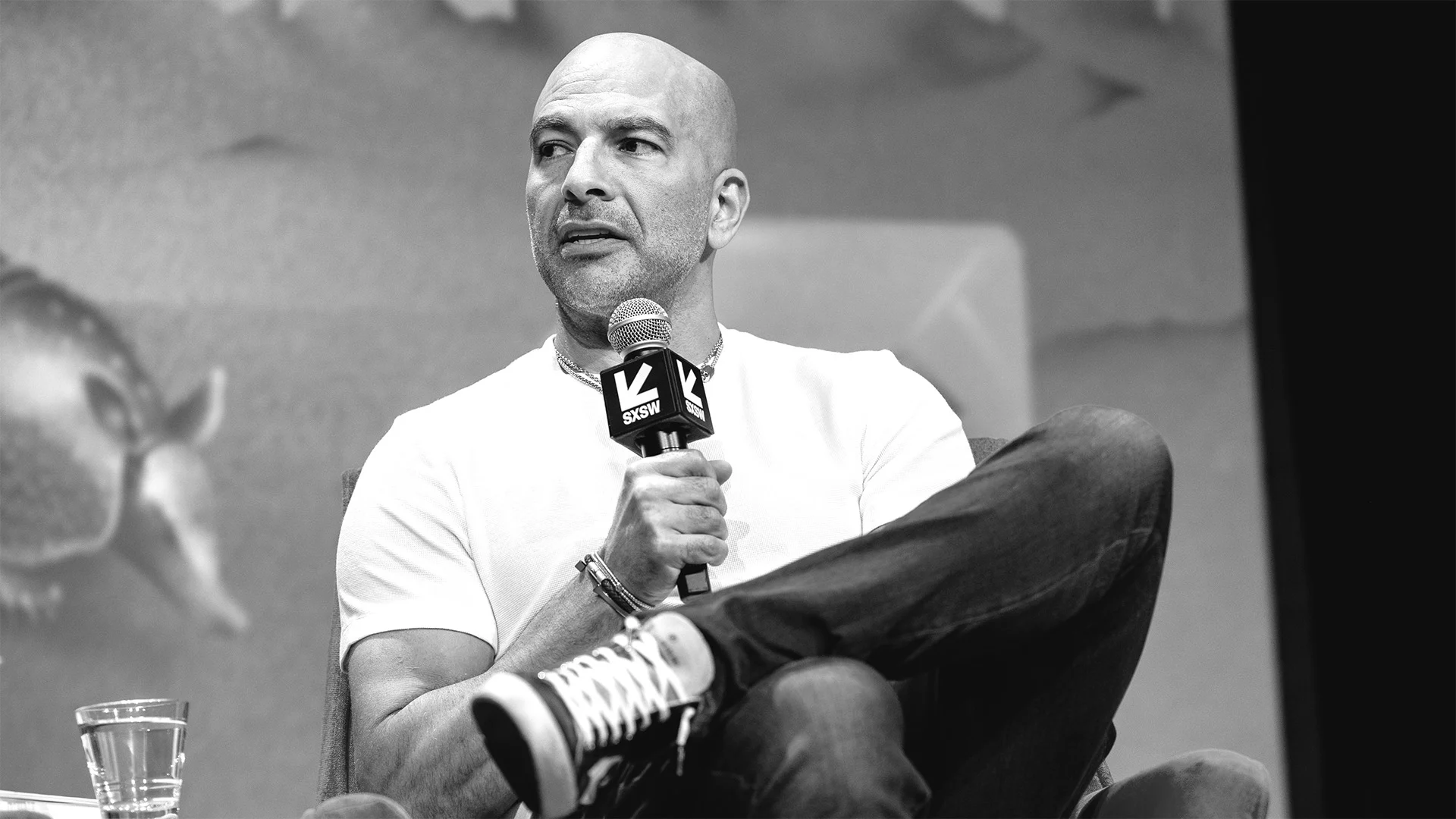
There's a version of Peter Attia who became an elite cancer surgeon at Johns Hopkins, published landmark research on immune-based melanoma therapies, built a reputation as one of the sharpest minds of his surgical generation — and quietly stayed in that lane. That version doesn't exist. Instead, somewhere between a brutal overnight shift in Baltimore and a deep dive into the scientific literature on nutrition, Peter Attia decided medicine was broken. Not just flawed. Fundamentally, structurally broken at the level of incentive — and he wanted to fix it.
Born on 19 March 1973 in Toronto, Ontario, to Egyptian Christian immigrant parents, Peter grew up in a family that valued intellectual rigour. He was sharp from the start — sharp enough to study mechanical engineering and applied mathematics at Queen's University in Kingston, and even teach and help redesign its calculus curriculum before graduating in 1996. Medicine came next: Stanford University School of Medicine, class of 2001. The MD barely fit in his hand before he headed to Johns Hopkins Hospital for surgical training, where he would earn "Resident of the Year" honours and write what colleagues described as a comprehensive review of general surgery. Then two years at the National Institutes of Health as a surgical oncology fellow under Dr. Steve Rosenberg, focused on regulatory T-cells and immune-based therapies for melanoma.
"Exercise is the most potent longevity drug in our arsenal, in terms of lifespan and healthspan. No other intervention does nearly as much."
— Peter Attia, Outlive (2023)Then came the detour that changed everything. Attia walked away from his surgical residency and joined McKinsey & Company in Palo Alto as part of the Corporate Risk and Healthcare practices. It was an unusual move, and it raised eyebrows — but it gave him a systems-level view of how medicine actually operated as an industry. He saw the incentives. He saw the perverse logic of paying for treatments while prevention went unfunded. That observation would eventually become the philosophical backbone of his entire career.
In 2012, inspired by his own nutritional transformation and by Gary Taubes's investigative science writing, Attia co-founded the Nutrition Science Initiative (NuSI) — a non-profit aimed at funding rigorous nutritional research to cut through the noise of a field riddled with epidemiological confusion. The vision was to apply the kind of evidence standards used in drug trials to questions of diet and metabolic health. It was ambitious. It was necessary. Attia stepped down as president in 2015, but the institution he co-created had already shifted the conversation.
By 2014, he had opened his first private longevity clinic. His practice is built on what he calls Medicine 3.0 — a proactive, personalised, data-driven approach to health that begins decades before disease strikes. Where conventional medicine (Medicine 2.0, in his taxonomy) waits for symptoms, Medicine 3.0 goes upstream. Test early. Act early. Treat the patient in front of you, not the average patient in a clinical trial.
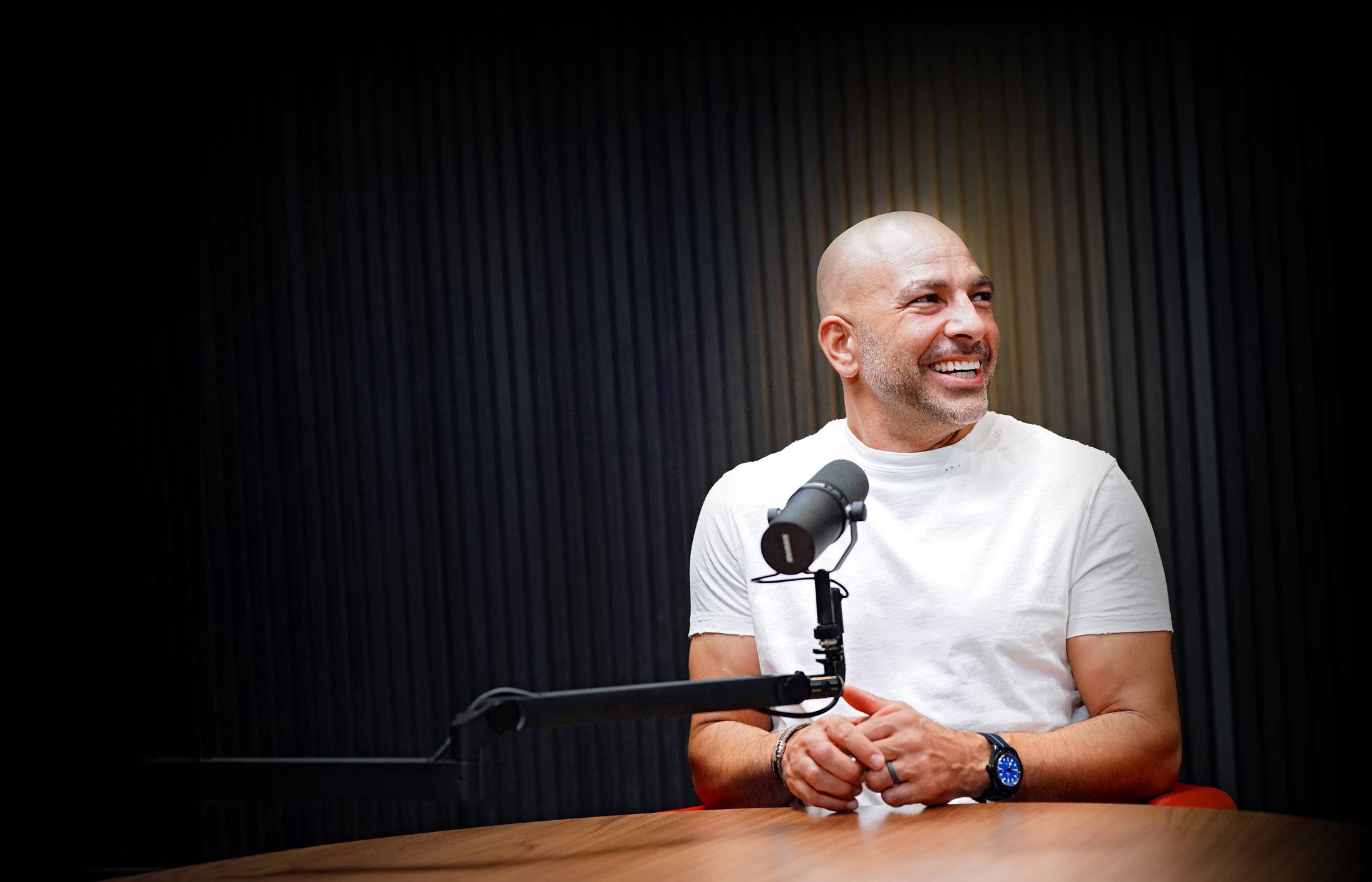
The blog came first — a weekly email to friends about nutrition that snowballed into The Eating Academy (later renamed War on Insulin, then simply peterattiamd.com). Then, in 2018, The Peter Attia Drive podcast launched. Within a few years it had crossed 100 million downloads, becoming one of the most-listened-to science and medicine podcasts on the planet. Over 430 episodes, Peter has dissected cardiovascular disease, Alzheimer's, cancer, sleep, glucose metabolism, Zone 2 training, VO2 max, rucking, grip strength, and the emotional health pillar that he admits he ignored for too long.
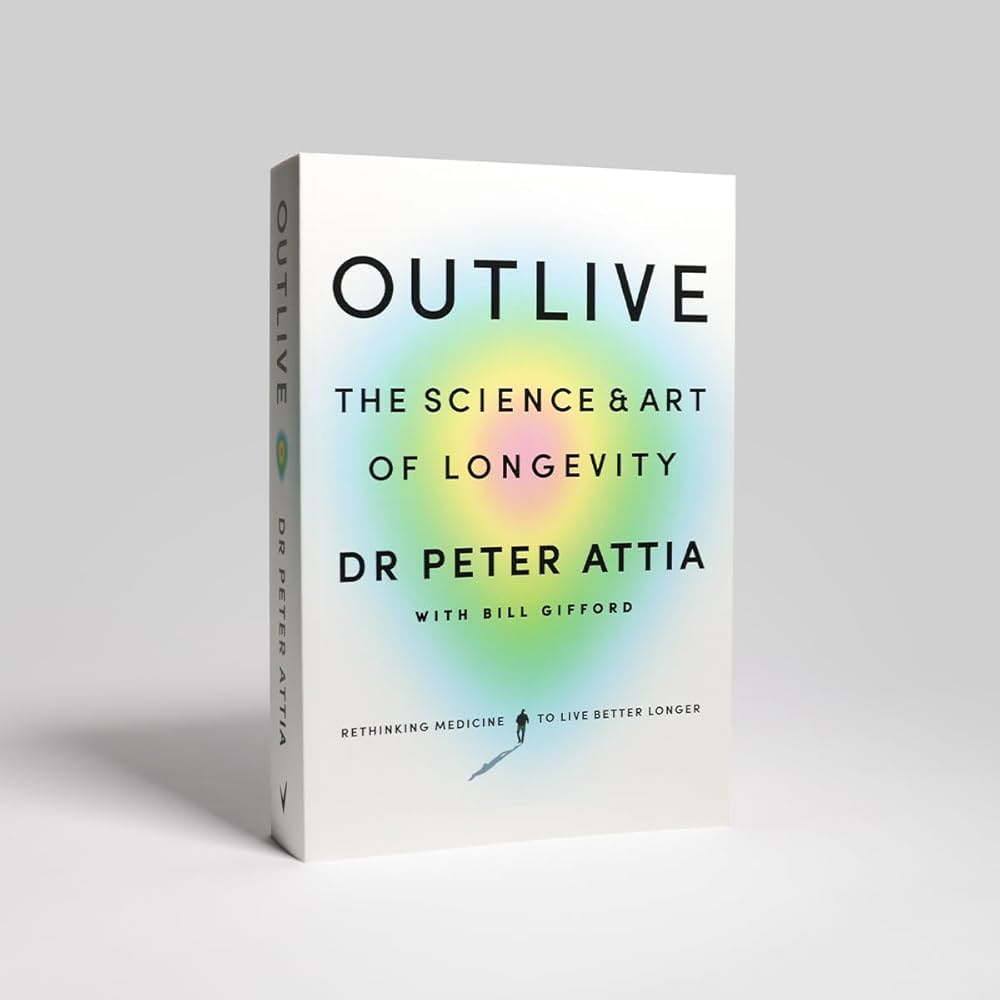
In March 2023, all of it crystallised in Outlive: The Science and Art of Longevity, co-written with journalist Bill Gifford. The book became a #1 New York Times bestseller, sat in the Amazon Charts top 5 for months, and sparked something genuinely rare in health publishing: a serious, mainstream conversation about prevention rather than treatment. TIME Magazine named him among 2024's most influential people in health. In October 2025, he appeared on CBS's 60 Minutes discussing exercise and preventive medicine.