neuroscience
(124)
What Happens to the Pictures That Don’t Make the Paper?
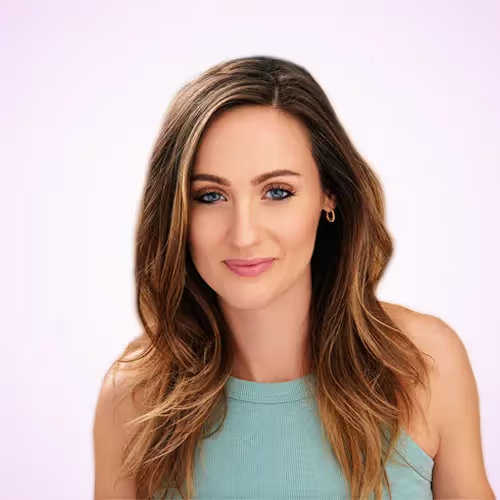
Caitlin Vander Weele began by giving overlooked laboratory images a second life. The founder of Stellate Communications has been finding audiences for science ever since.
AbbVie planned for life after Humira.
Its biggest medicine was heading for a sales cliff. AbbVie spent years building the businesses that would have to catch it - and learned how expensive a wrong bet can be.
Nancy Stagliano and the art of starting again
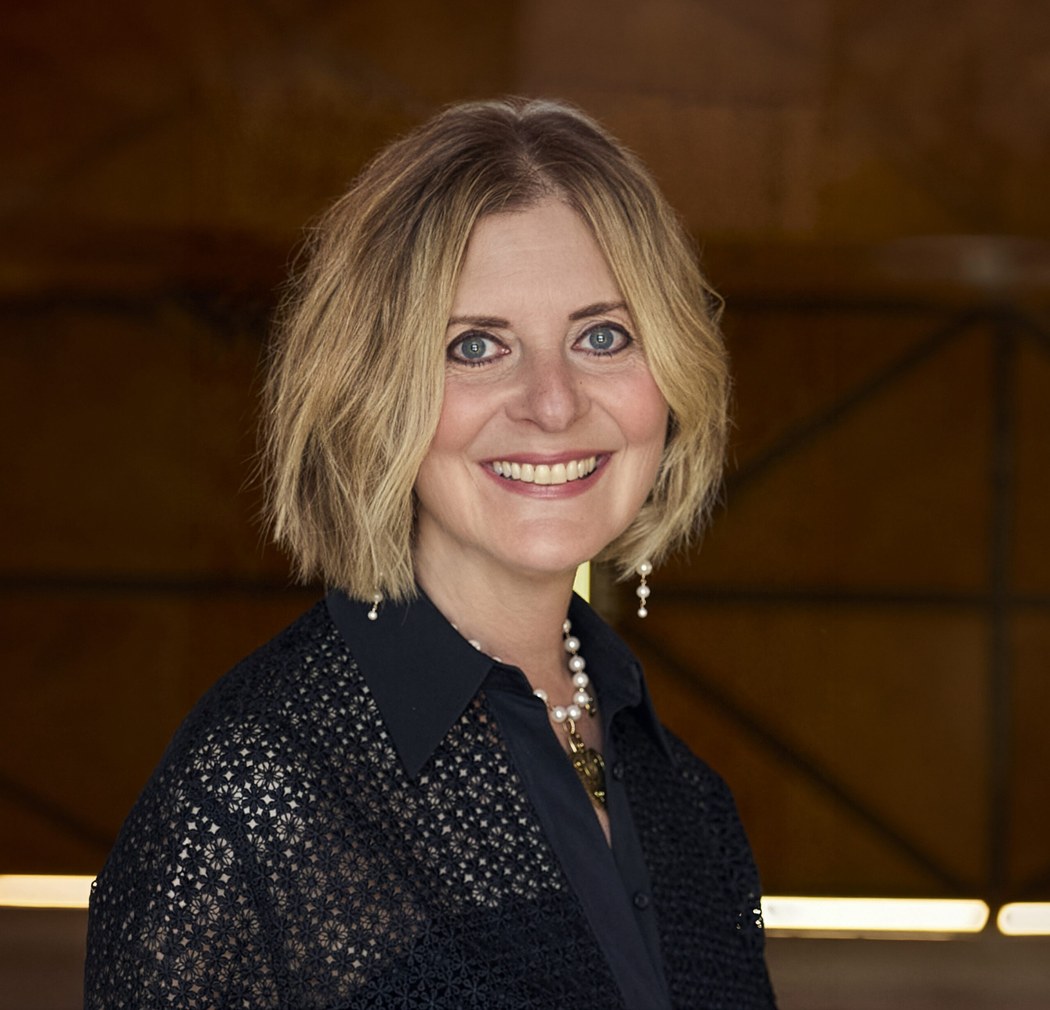
Eight employees and a plan to move north: Nancy Stagliano’s early CytomX years offer a window into a career built across engineering, science, and the business of getting a company off the ground.
BrainCheck and the 15 minutes that need a follow-up
A cognitive test can start a difficult conversation. BrainCheck is building a business around what happens next: the records, the care plan, and the people who must carry it out.

Gilgamesh Pharma sold a psychedelic. The next bet is a pill.
An AbbVie deal worth up to $1.2 billion bought one Gilgamesh program. The independent company that emerged is pursuing a harder prize: fast depression treatment that fits ordinary life.
Click Therapeutics wants your phone on the prescription
The New York company turns cognitive exercises and behavioral interventions into prescription treatments. Its harder experiment is getting clinically tested software into everyday care.

Prilenia’s next trial is the real test
An oral drug, two devastating diseases, and a question that money cannot settle. After missed trial endpoints and a withdrawn European application, Prilenia is putting pridopidine through another round of clinical tests.
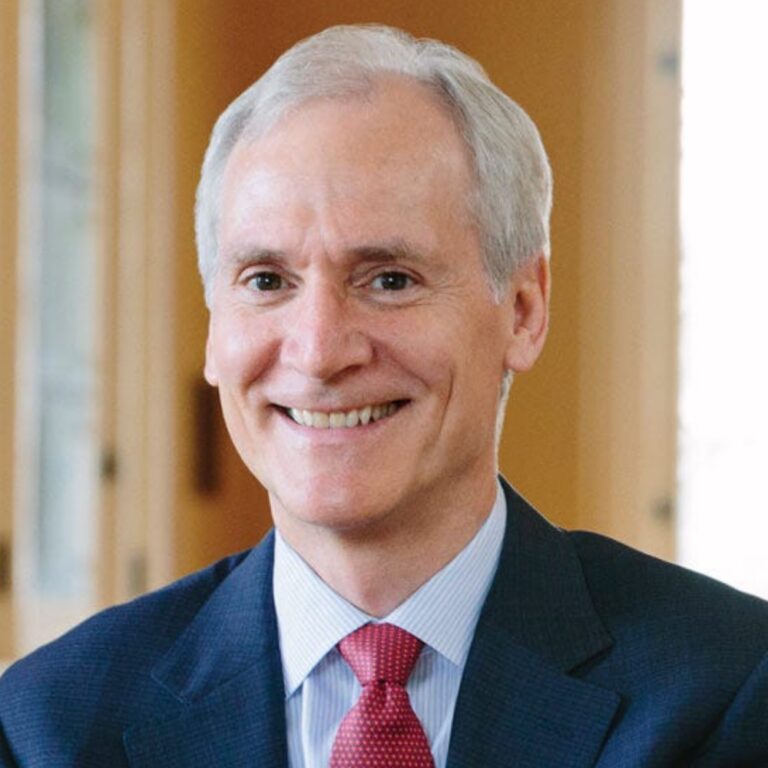
Marc Tessier-Lavigne and the Long Search for a Better Map
A change of mind on a ship to Oxford led to a career tracing how neurons find their way. Now the scientist and former university president is betting that better maps of biology can help Xaira find better medicines.

The Brain Map That Outlived the Company
AGY Therapeutics raised millions to turn maps of diseased brains into medicines. Its most revealing experiment came when it licensed a drug it had not invented.

The Medicine That Does Not Ask You to Wake Up
XWPharma built an investigational sleep drug around a plain inconvenience: treatment should not interrupt the night it is meant to repair. A $20 million upfront license turned that idea into a business deal.

Jenny Shao Left a White Coat for a Memory Machine
She spent years studying how people remember, then walked away from a mapped-out medical career to ask a stranger question: what would software become if it could carry the history of a relationship?
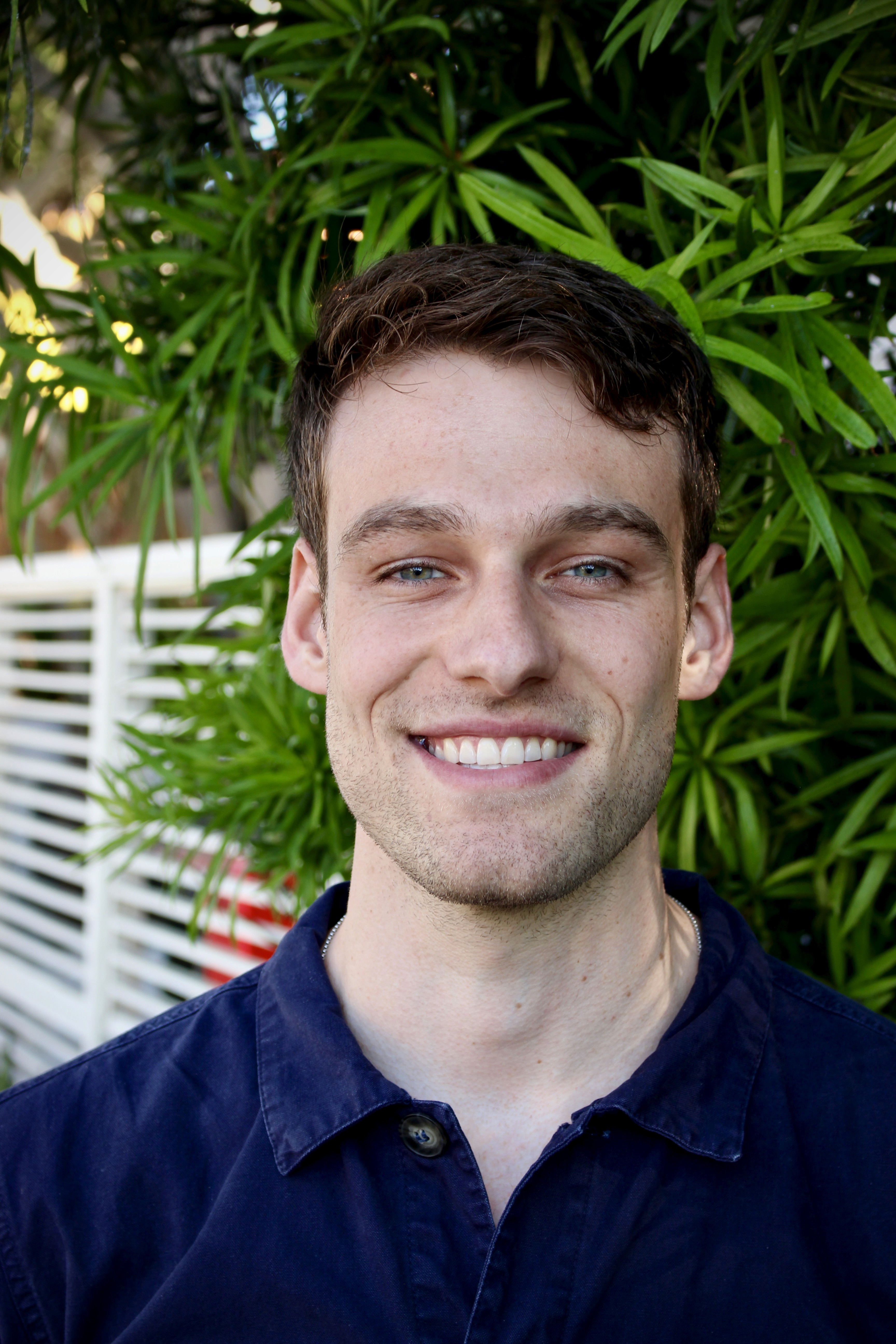
Scott Gies Took the Scenic Route to Biotech
Before Scott Gies cofounded Zoe Biosciences, he studied genomes, octopus cognition and marine conservation. The connecting idea is simple: follow the evidence, even when it takes the scenic route.
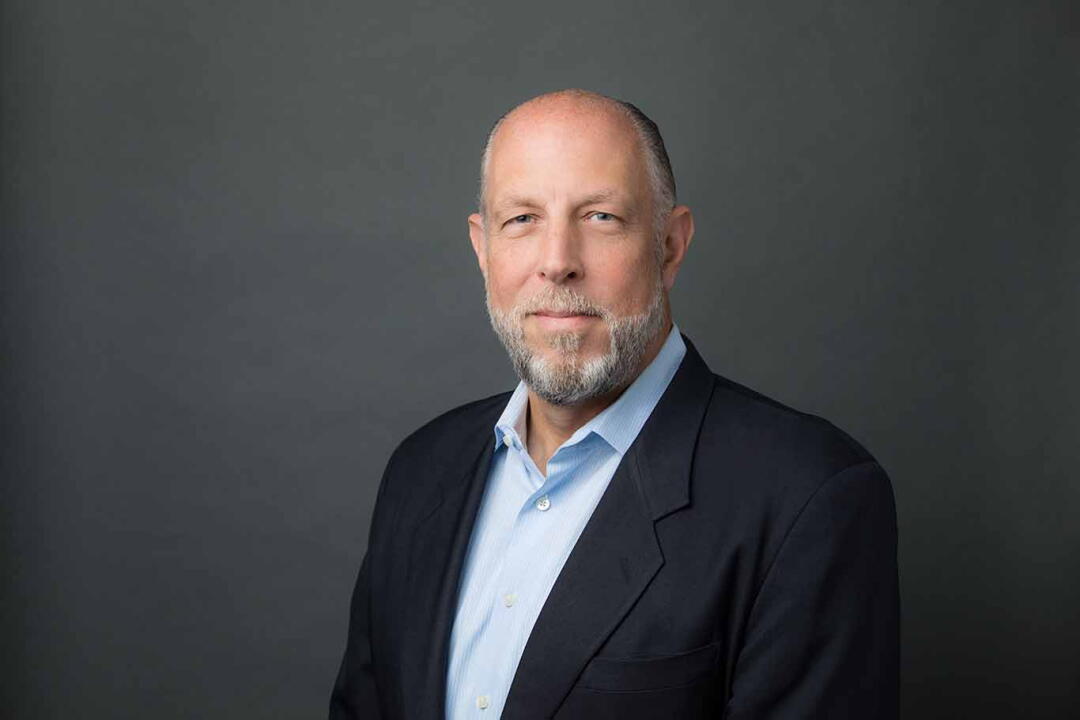
Craig Chambliss Spent 30 Years Learning How a Drug Becomes a Company
Before Neurelis had a commercial product, Craig Chambliss had already learned the industry from the sales call to the acquisition table. His career is a study in patient capital, practical company-building and the unglamorous middle where science becomes infrastructure.
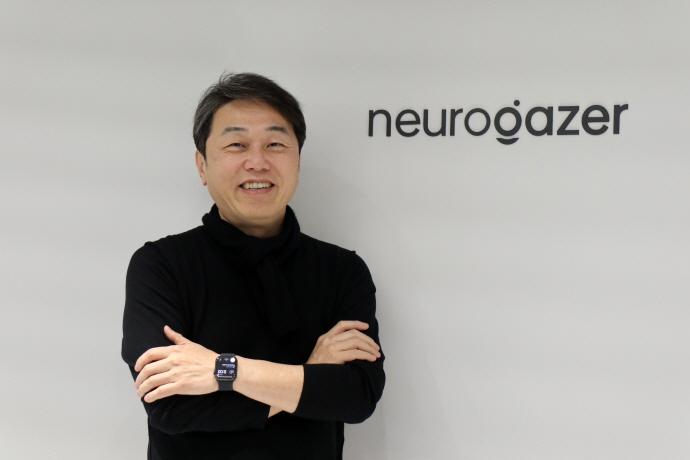
Heungyeol Lee Spent a Decade Turning Brain Science Into a Language People Can Use
Before he built a brain-analysis company with his scientist brother, Heungyeol Lee worked in accounting, advertising and telecom. His unlikely route became the point: make difficult science legible, useful and human.
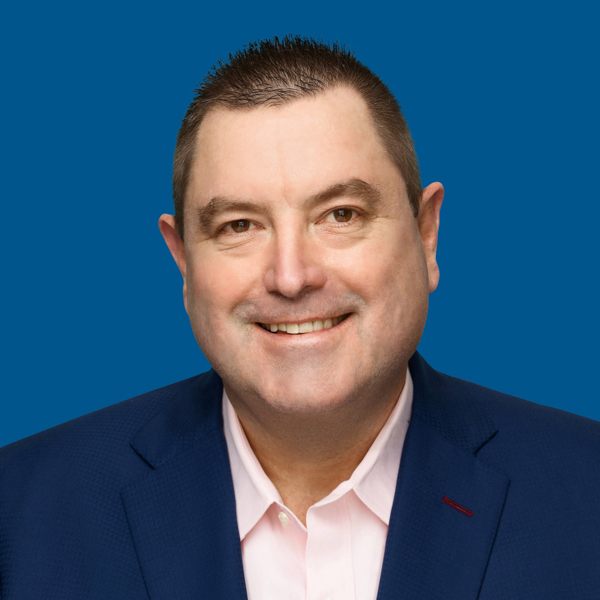
Craig Hopkinson Turns Deep Science Into Medicines That Reach People
A doctor by training who now runs research, development and medical affairs at one of neuroscience's most watched biopharma companies - and keeps the patient at the center of every decision.
Neurelis Put an Old Seizure Drug in the Nose - and Built a $300 Million Business Around the Hard Part
The medicine was familiar. The delivery problem was not. Neurelis spent more than a decade making diazepam work as a practical nasal rescue treatment - then showed how a narrow patient problem can become a platform, a pipeline and a profitable commercial company.

Neurogazer Turns a 40-Minute Brain Scan Into a Report Card for Who You Might Become
A Johns Hopkins neuroscientist and his CEO brother built a company that reads 169 things out of a single MRI - cognition, temperament, aptitude, risk. From Baltimore, they are betting families will pay to see it.

The Psychedelic Fund That Grew Into a Bet on the Whole Brain
PsyMed Ventures started with a podcast and a narrow question about psychedelic medicine. Six years later, its portfolio makes a broader wager: that the next important health companies will treat the brain as biology, data and lived experience at once.
Novartis Cut Away an Empire to Bet on Five Ways of Making Medicine
The Swiss giant spent years shedding businesses until only innovative medicines remained. Now its growth depends on turning five scientific platforms into treatments that health systems will pay for - and patients can actually reach.
The 245-Year-Old Drugmaker Betting Its Next Act on Six Big Swings
Takeda began as a medicine shop in Osaka in 1781. Now a new CEO must turn a sprawling global portfolio, a $30 billion-plus revenue base and six late-stage programs into the company’s next generation of growth.

Neurocrine Biosciences
One movement-disorder medicine turned a San Diego research shop into a multibillion-dollar biopharma. Now Neurocrine is spending that advantage on rare endocrine disease, psychiatry and the difficult biology between brain and body.

Alkermes
Alkermes spent decades teaching medicines to last longer. Now the neuroscience company is trying something harder: building a business around the brain's switches for addiction, psychosis and wakefulness.
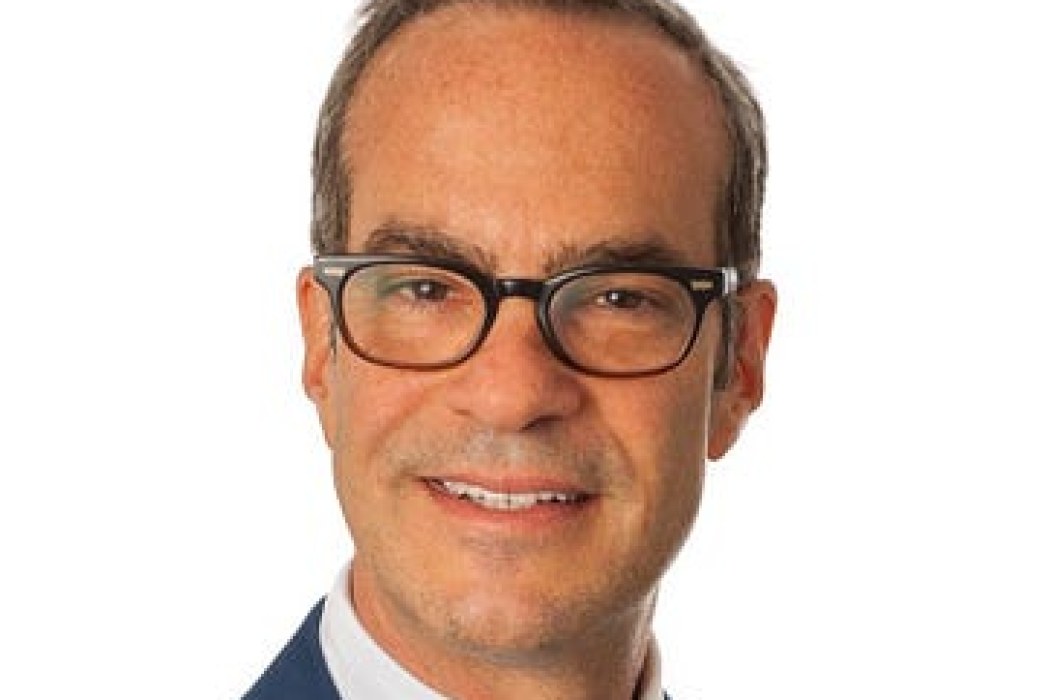
David J. Katz
David J. Katz is Executive Vice President, Chief Marketing Officer and self-styled 'Alchemist in Residence' at Randa Apparel & Accessories, one of the world's largest apparel and accessories companies, home to brands like Levi's, Calvin Klein, Tommy Hilfiger, Haggar and Dickies. He blends data, neuroscience, behavioral economics and storytelling to understand and influence consumer behavior across roughly 1,200 employees and more than 20,000 retail touchpoints worldwide. A LinkedIn Top Voice, co-author of the best-selling 'Design for Response,' and a frequent speaker at Shoptalk and NRF, he is a widely cited voice on retail, marketing and the arrival of AI in the store.
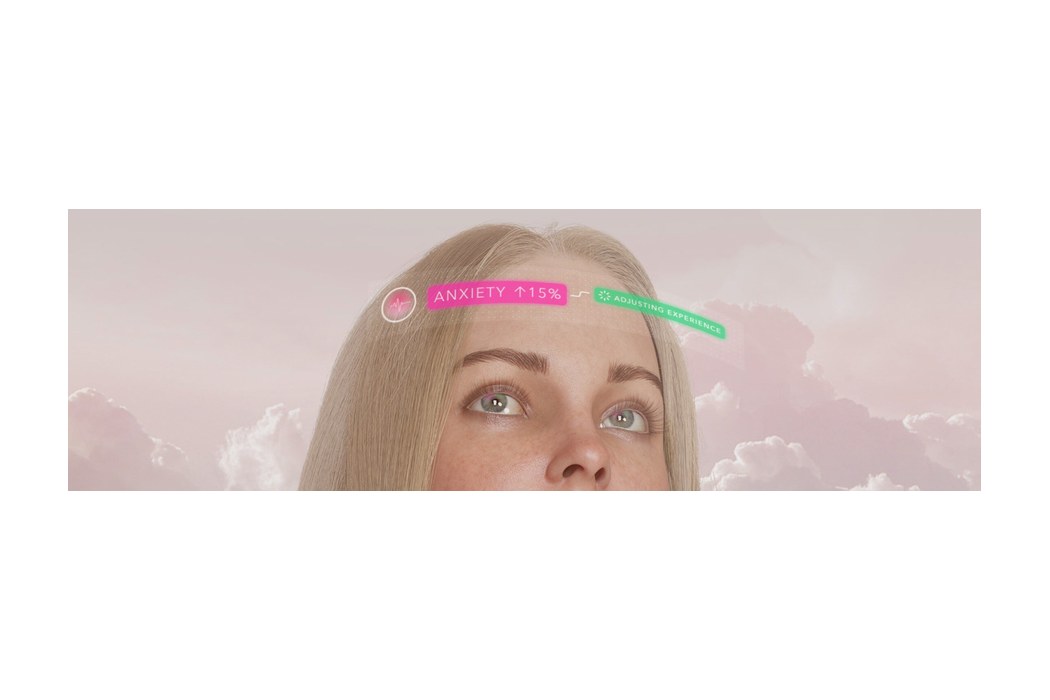
Transhuman Inc.
Transhuman Inc. is a mental health and emotionAI research and development company founded in 2014 by Amanda Johnstone and Dr. Roy Sugarman. Best known for its free peer-support check-in app Be A Looper, which operated in 87 countries, the company builds proprietary EmotionAI technologies at the intersection of artificial intelligence, the Internet of Bodies (IoB), and human emotion. Its focus is on suicide prevention, emotional communication, and human-to-computer relationships.

Axonis Therapeutics
Axonis Therapeutics is a Boston-based, neuro-focused biotechnology company developing first- and best-in-class oral small-molecule medicines that target KCC2, a chloride transporter that acts as the brain's master regulator of inhibitory neurotransmission. Spun out of research from Boston Children's Hospital, Harvard Medical School and Universite Laval, Axonis is advancing its lead candidate AXN-027 - a first-in-class KCC2 potentiator - toward clinical proof of concept in epilepsy, chronic pain and other CNS disorders, backed by an oversubscribed $115 million Series A closed in 2024.

Coro Health
Coro Health is an Austin-based healthcare technology company that delivers clinically proven therapeutic music and multi-faith spiritual programming through a fully licensed streaming service built specifically for care settings. Its flagship MusicFirst platform uses a patented Music Prescription Builder - designed by music therapists, neuroscientists, and music designers - to generate individualized programs shown in peer-reviewed trials to reduce depression and agitation in dementia and long-term care residents. The company also offers FaithFirst multi-faith content and EnrichFirst entertainment, reaching more than a million annual users across thousands of senior living communities and hospitals in the U.S. and Canada.

David Schofman
David Schofman is the CEO and co-founder of Coro Health, an Austin-based company that builds therapeutic music and multi-faith spiritual streaming programs for senior living communities, hospitals and hospices. A serial entrepreneur who built one of the first online golf retail businesses in the 1990s and later ran global ecommerce for Callaway Golf, Schofman turned to health technology in 2008, translating research on music and the brain into a subscription platform now used across thousands of care communities in the US and Canada.

Neurable
Neurable is a Boston-based neurotechnology company building non-invasive brain-computer interfaces (BCIs) that fit inside everyday consumer hardware. Its AI cleans and interprets EEG brain signals captured by soft sensors embedded in products like the MW75 Neuro headphones, translating brain activity into real-time measures of focus, mental fatigue and cognitive recovery. Spun out of University of Michigan research, Neurable aims to make understanding your own brain as natural as checking your step count - starting with headphones and expanding into gaming and enterprise wearables.

NeuShen Therapeutics
NeuShen Therapeutics is a clinical-stage biotech developing novel small-molecule and gene-therapy treatments for central nervous system disorders such as schizophrenia, depression and epilepsy. Founded in 2021 by Joan Huaqiong Shen, MD, PhD, and headquartered in Shanghai with an R&D center in the Boston area, the company runs a pipeline led by NS-136, a selective M4 receptor positive allosteric modulator for schizophrenia, and NS-041, a highly selective KCNQ2/3 activator for epilepsy and depression.
Presidio Medical, Inc.
Presidio Medical is a clinical-stage medical device company in San Mateo, California, developing a proprietary Ultra Low Frequency (ULF) neuromodulation platform. By delivering very low frequency biphasic electrical currents through leads implanted in the epidural space, Presidio's spinal cord stimulation system reversibly blocks the conduction of pain signals along nerves without damaging tissue. Its first target is chronic nociceptive low back pain, a large and underserved indication with no approved SCS therapy. Backed by Deerfield Management and others, the company raised a $72M Series C in 2023 and received FDA IDE approval in 2025 to run its global pivotal FULFILL trial.