neurodegeneration
(37)
Suchul Jang
He spent a decade engineering tiny vesicles to smuggle drugs where they were needed. Now he is running the American arm of a Korean biotech that wants the brain to clean up after itself - quietly, without the inflammation that has shadowed Alzheimer's drugs for years.
Tara Nickerson
Tara Nickerson, PhD, is President, CEO and Director of Therini Bio, a clinical-stage biopharmaceutical company developing fibrin-targeting immunotherapies for neurological and retinal diseases. A biopharma executive with more than 20 years of experience, she was a founding-team member and Chief Business Officer at both Maze Therapeutics and Prothena Corporation before taking the top job at Therini in 2024. She combines a research background from McGill University with an MBA from UC Berkeley's Haas School and a long track record of company-building, financing and dealmaking in the life sciences.
HERVolution Therapeutics
HERVolution Therapeutics is a Copenhagen-based biotechnology company developing immunotherapies that target human endogenous retroviruses (HERVs) - dormant remnants of ancient viruses embedded in human DNA that can reactivate with age and disease. Formerly named InProTher, the company has engineered a proprietary platform that redesigns these 'dark genome' antigens to break immune tolerance, making them visible to the immune system for the first time. Its off-the-shelf vector-based pipeline, led by IPT-001, aims to treat cancer, metabolic disease, and other diseases of aging.
Illimis Therapeutics
Illimis Therapeutics is a Seoul-based biotechnology company developing protein-based medicines for central nervous system and immune diseases. Its proprietary GAIA (Gas6-mediated Anti-Inflammatory Adaptor) platform builds bispecific fusion proteins that engage the body's TAM receptors to clear misfolded proteins such as amyloid-beta through phagocytosis without triggering the inflammation and ARIA side effects associated with existing antibody drugs. Founded in 2021, the company raised a $42 million Series B in July 2025 and is advancing a lead Alzheimer's candidate, ILM01, toward an IND by the end of 2027.

NeuShen Therapeutics
NeuShen Therapeutics is a clinical-stage biotech developing novel small-molecule and gene-therapy treatments for central nervous system disorders such as schizophrenia, depression and epilepsy. Founded in 2021 by Joan Huaqiong Shen, MD, PhD, and headquartered in Shanghai with an R&D center in the Boston area, the company runs a pipeline led by NS-136, a selective M4 receptor positive allosteric modulator for schizophrenia, and NS-041, a highly selective KCNQ2/3 activator for epilepsy and depression.

ProJenX
ProJenX is a New York City clinical-stage biotechnology company developing prosetin, a first-in-class, oral, brain-penetrant MAP4K inhibitor for amyotrophic lateral sclerosis (ALS) and other neurodegenerative brain diseases. Spun out of a two-decade collaboration between the nonprofit Project ALS and Columbia University researchers, ProJenX is built on the discovery that inhibiting MAP4 kinases protects motor neurons across multiple patient-derived stem cell models of ALS. The company is running the PRO-101 Phase 1b trial in people living with ALS.
SEED Therapeutics
SEED Therapeutics is a clinical-stage biotechnology company pioneering rationally designed molecular glue degraders to treat diseases driven by proteins long considered undruggable. Powered by its proprietary RITE3 discovery platform - which pairs disease-causing target proteins with the most suitable of more than 600 human E3 ligases - SEED reprograms the cell's own ubiquitin-proteasome system to destroy harmful proteins rather than merely block them. Founded in 2020 by CEO Lan Huang and a group of protein-degradation pioneers including Nobel laureate Avram Hershko, the company advanced its lead oral RBM39 degrader ST-01156 into first-in-human Phase 1 trials in early 2026, with a broader pipeline spanning oncology, neurodegeneration, immunology and virology backed by partners Eli Lilly and Eisai.
Spear Bio
Spear Bio is a Woburn, Massachusetts biotechnology company commercializing SPEAR (Successive Proximity Extension Amplification Reaction), an ultra-sensitive, wash-free immunoassay platform licensed from Harvard's Wyss Institute. SPEAR measures protein biomarkers at attomolar levels from sub-microliter samples using a two-factor authentication mechanism and standard qPCR instruments, delivering more than a 5-log improvement over conventional ELISA. The company sells assay kits - initially for neurodegeneration biomarkers such as pTau217, pTau231, GFAP and neurofilament light - to academic, pharmaceutical and clinical researchers.

Gerhard Koenig
Gerhard Koenig is the Chief Executive Officer of Augustine Therapeutics, a Belgian-Boston biotechnology company developing highly selective, brain-penetrant HDAC6 inhibitors for neuromuscular, neurodegenerative and cardiometabolic diseases. A neurobiologist by training with more than 30 years in drug development, he has led and co-founded multiple biotechs, including Arkuda Therapeutics, whose portfolio was acquired by Johnson & Johnson, and Quartet Medicine. He stepped up from Executive Chairman to CEO of Augustine in January 2025 as the company moved to enter the clinic, then helped close a large Series A to fund a proof-of-concept trial in Charcot-Marie-Tooth disease.
Therini Bio, Inc.
Therini Bio is a clinical-stage biotechnology company developing fibrin-targeting immunotherapies for neurodegenerative and retinal diseases driven by vascular dysfunction. Founded in 2019 on the neurovascular research of Dr. Katerina Akassoglou at UCSF and the Gladstone Institutes, the company's lead antibody THN391 selectively blocks fibrin's inflammatory epitope to halt chronic neuroinflammation without interfering with normal blood clotting. Backed by roughly $145M in total funding from investors including Eli Lilly, Sanofi Ventures, Merck's MRL Ventures and the Dementia Discovery Fund, Therini is advancing THN391 into Phase 1b trials for Alzheimer's disease and diabetic macular edema.
J. Robert Coleman
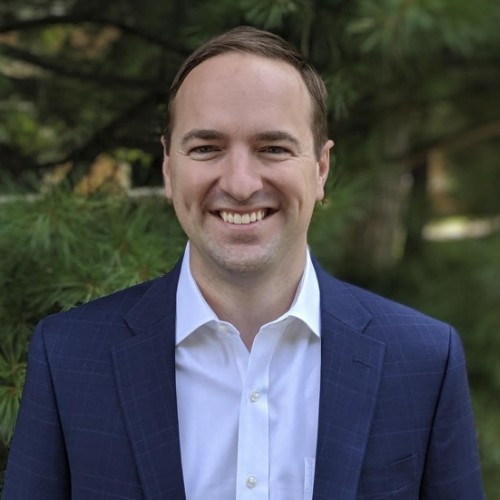
J. Robert Coleman, PhD, MBA, is Chairman and CEO of HERVolution Therapeutics, a Copenhagen-based biotech developing immunotherapies that target human endogenous retroviruses (HERVs) - the ancient viral DNA lodged in the dark genome that reawakens in cancer, aging, and neurodegeneration. A trained virologist, he co-founded Codagenix, where he built a synthetic-biology vaccine platform into a clinical-stage pipeline and raised nearly half a billion dollars before pivoting to HERVs in late 2023.

Grace Science, LLC
Grace Science, LLC is a Palo Alto-based biotechnology company founded in 2017 by Silicon Valley entrepreneur Matt Wilsey and Nobel laureate chemist Dr. Carolyn Bertozzi to develop therapies built on the biology of NGLY1, an enzyme central to protein quality control. The company grew out of a father's search for a treatment after his daughter Grace was diagnosed with ultra-rare NGLY1 Deficiency. Its lead program, GS-100, is an AAV9 gene replacement therapy now in a Phase 1/2/3 clinical trial and holds FDA RMAT designation. Grace Science also pursues small-molecule and biomarker work that extends NGLY1 biology into oncology and neurodegeneration.

NeuroAge Therapeutics
NeuroAge Therapeutics is a San Francisco tech-bio company that measures how old your brain actually is - and tries to make it younger. Founded in 2022 by physician-scientist Dr. Christin Glorioso, the company's flagship NeuroAge Test blends brain MRI, cognitive games, proprietary RNA blood biomarkers, and genetic screening into a single 'brain age' score that aims to flag dementia risk up to 30 years before symptoms appear. The longer-term goal is bolder: small-molecule drugs that reprogram aging neurons back toward a younger state.

Plexium
Plexium is a San Diego precision medicine company designing small-molecule protein degraders - monovalent direct degraders and molecular glues - that switch off disease-driving proteins traditionally considered undruggable. Its DELTA Discovery platform runs ultra-high-throughput cell-based screening to find and optimize new degrader chemistry across cancer and neurological disease.

Prosetta Biosciences Inc
Prosetta Biosciences is a San Francisco biotech using a proprietary cell-free protein synthesis and assembly (CFPSA) platform to discover small-molecule 'assembly modulators' - drugs that disrupt the multi-protein complexes behind viral infection, cancer, and neurodegeneration. Founded by UCSF physician-scientist Vishwanath Lingappa, the company is advancing candidates against ALS/FTD, Alzheimer's, pan-cancer targets, and antivirals.
Switch Therapeutics
Switch Therapeutics is a South San Francisco preclinical biotech building conditionally activated siRNA (CASi) therapies that only switch on inside the cell types where they're needed. The platform - born from research at Caltech, Harvard and City of Hope - aims to make RNA interference safe enough for the brain, with a lead program targeting APOE for Alzheimer's disease.

Trace Neuroscience
Trace Neuroscience is a South San Francisco biopharmaceutical company developing genomic medicines for neurodegenerative diseases, starting with ALS. Its lead program, TRCN-1023, is an antisense oligonucleotide designed to restore UNC13A protein function - a target genetically validated in roughly 97% of people living with ALS - by correcting the faulty RNA splicing caused by TDP-43 dysfunction. The company launched in November 2024 with a $101 million Series A led by Third Rock Ventures and entered the clinic in 2026.

Christin Glorioso
Christin Glorioso, MD, PhD, is a physician-scientist and serial entrepreneur who is CEO and co-founder of NeuroAge Therapeutics, a San Francisco brain-health company building AI-powered 'aging clocks' for the human brain. Trained at MIT and the Carnegie Mellon/University of Pittsburgh Medical Scientist Training Program, she spent two decades studying how brains age before leaving academia to turn that research into a diagnostic and drug-development engine. NeuroAge combines MRI brain-volume data, cognitive testing and proprietary RNA blood biomarkers - validated on data from more than 500,000 people - to estimate brain age and dementia risk decades before symptoms. She also founded the nonprofit Longevity Global and led the world's top-ranked US COVID-19 forecasting model in the XPRIZE Pandemic Response Challenge.
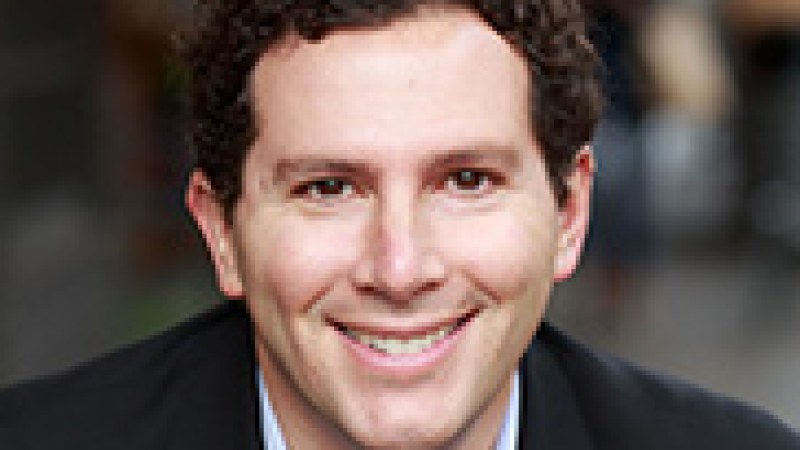
Scott Greenberg
Scott Greenberg is the Chief Business Officer of Nura Bio, a clinical-stage biopharmaceutical company in South San Francisco building small-molecule drugs to stop nerves from dying. He joined in February 2025 to steer business development and corporate strategy as the company pushes its lead SARM1 inhibitor, NB-4746, into the clinic. He arrives with more than two decades crossing the line between finance and biology - a Goldman Sachs banking start, more than a decade at Celgene, an operations leadership role at Roivant Sciences, and a stint as Chief Operating Officer at Aro Biotherapeutics. He studied both Finance and the Biological Basis of Behavior at the University of Pennsylvania before an MBA at Harvard.

AltPep
AltPep is a Seattle biotech company spun out of the University of Washington that is building both diagnostic tests and disease-modifying drugs for amyloid diseases such as Alzheimer's and Parkinson's. Its work is anchored on the alpha-sheet, a non-standard protein structure discovered by founder and CEO Valerie Daggett, which forms in the toxic soluble oligomers that appear at the earliest, pre-symptomatic stages of disease. AltPep's SOBA blood test aims to flag those toxic oligomers years before symptoms, while its SOBIN peptide therapeutics are designed to neutralize them.

Augustine Therapeutics
Augustine Therapeutics is a Belgian clinical-stage biotech spun out of VIB-KU Leuven that is building a next-generation class of selective HDAC6 inhibitors for chronic diseases. Using a proprietary non-hydroxamate, non-hydrazide chemotype, the company designs molecules that block HDAC6's harmful catalytic activity while sparing its beneficial functions - aiming to avoid the toxicity that stalled earlier inhibitors. Its lead candidate, AGT-100216, is the first selective HDAC6 inhibitor to enter the clinic for Charcot-Marie-Tooth disease, with a pipeline extending into neurodegenerative and cardio-metabolic indications.
Bexorg, Inc.
Bexorg is a New Haven techbio company that perfuses donated, postmortem human and pig brains with custom-made artificial blood to restore their molecular and metabolic activity, turning whole organs into living-tissue testbeds for drug discovery. Its BrainEx wet-lab platform and XO Digital AI engine generate petabyte-scale human brain datasets that let pharmaceutical partners test therapies in human-relevant tissue before costly clinical trials - a direct response to the roughly 95% failure rate of central-nervous-system drugs.

Cajal Therapeutics
Cajal Therapeutics (originally launched as Cajal Neuroscience) is a Seattle biotechnology company developing novel medicines to restore biological homeostasis, with a focus on neurodegenerative diseases, anemias of inflammation, and iron-related disorders. Built on a platform that pairs integrative human genetics, high-throughput functional genomics, and industrialized whole-brain imaging with deep neuroscience expertise, the company aims to systematically validate disease targets at unprecedented scale and translate them into small molecule and RNA therapeutics. It launched in November 2022 with a $96 million Series A and counts a roster of celebrated neuroscientists among its co-founders.
Circular Genomics
Circular Genomics is a San Diego biotechnology company turning circular RNA (circRNA) into a new class of blood-based biomarkers for brain health. Spun out of the University of New Mexico in 2021, the company uses brain-enriched circRNAs that cross the blood-brain barrier and stay stable in whole blood to detect and predict neurological and psychiatric conditions, from Alzheimer's disease to major depressive disorder. Its goal is to replace guesswork in brain care with measurable, actionable data, starting with early Alzheimer's detection and SSRI treatment-response testing for depression.
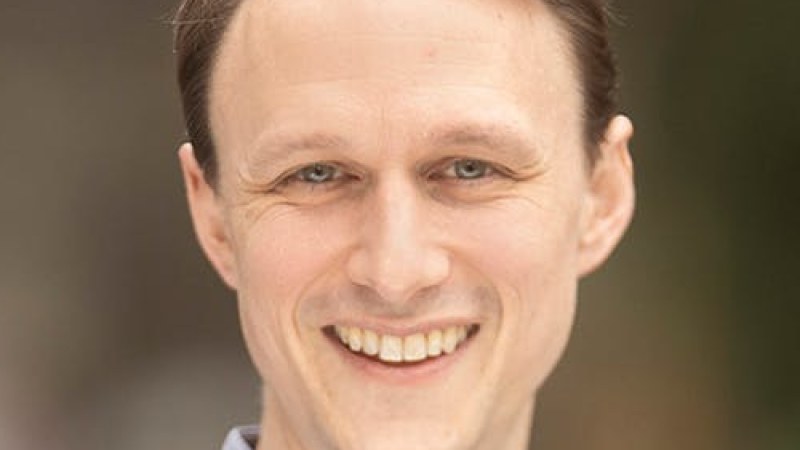
Andrew Dervan
Andrew Dervan is the Co-Founder and Co-CEO of Cajal Neuroscience (Cajal Therapeutics), a Seattle biotech that launched in 2022 with $96 million to rethink how drugs for Alzheimer's, Parkinson's, and other neurodegenerative diseases are discovered. A Harvard-trained physician with an MBA from Harvard Business School and a BA from Yale, he spent years leading cell therapy and immuno-oncology business development at Celgene and Bristol Myers Squibb. Unusually for a biotech CEO, he still sees patients as a practicing clinical geneticist at the University of Washington, evaluating people with adult-onset neurological conditions.

Nura Bio
Nura Bio is a clinical-stage biopharmaceutical company in South San Francisco developing brain-penetrant, small-molecule neuroprotective medicines. Its work centers on SARM1, an injury-activated NAD hydrolase that triggers axon degeneration, an early and common event across many neurological diseases. The lead candidate, NB-4746, is an oral, brain-penetrant SARM1 inhibitor that completed Phase 1 in healthy volunteers and shows protection in preclinical models of ALS, MS, traumatic brain injury and chemotherapy-induced peripheral neuropathy. The company has raised more than $140 million in Series A financing led by The Column Group.
OncoC4, Inc.
OncoC4, Inc. is a Rockville, Maryland clinical-stage biopharmaceutical company building first-in-class and best-in-class antibody therapies for hard-to-treat cancers and Alzheimer's disease. Founded by immunologists Yang Liu and Pan Zheng, the company discovered the innate immune checkpoint CD24-Siglec-10 and is advancing a pipeline led by gotistobart (ONC-392), a next-generation anti-CTLA-4 antibody partnered with BioNTech, alongside SIGLEC10, PD-1/VEGF, and CD24-targeting programs.

Retro Biosciences
Retro Biosciences is a clinical-stage longevity biotech in Redwood City, California with a single, unsubtle goal: add ten healthy years to the human lifespan. Founded in 2018 and launched publicly in 2021 with $180 million from OpenAI CEO Sam Altman, the company attacks aging at the cellular level across three platforms - autophagy enhancement, cellular reprogramming, and plasma-inspired therapeutics. Its lead drug, RTR242, an autophagy-restoring small molecule aimed at Alzheimer's disease, entered a first-in-human Phase 1 trial in 2025. A 2026 raise valued Retro at $1.8 billion.
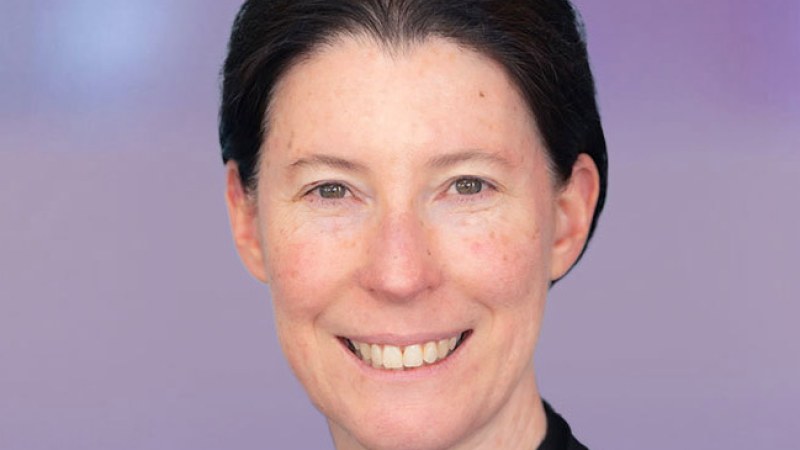
Joanne Kotz
Joanne Kotz is a chemist-turned-biotech-CEO who runs Atalanta Therapeutics, a Boston company using divalent siRNA to silence disease-causing genes throughout the brain and spinal cord. She took the top job in June 2025 after co-founding and leading Jnana Therapeutics from a blank slate to a roughly $1 billion acquisition by Otsuka. Before founding companies she helped build them from the science up, as a director at the Broad Institute, a leader of F-Prime's neurodegeneration initiative, and the founding editor of Nature Chemical Biology. Her career runs an unusual loop: bench scientist, science journal editor, partnership architect, founder, and now CEO of a company chasing some of the hardest diseases in the central nervous system.

Vesalius Therapeutics
Vesalius Therapeutics is a Cambridge, Massachusetts biotech founded by Flagship Pioneering that aims to reconceptualize how common diseases are understood and treated. Its premise: illnesses that drive roughly 90% of human disease burden are not single conditions but constellations of genetically and biologically distinct diseases. Vesalius uses AI, human genetics and genomics, and patient-derived iPSC cell models to spot hidden clinical patterns, trace them to causal gene circuits, and discover novel drug targets for conditions like Parkinson's, heart failure, type 2 diabetes, and Alzheimer's.