Tagged: neurotechnology
26 results
Omniscient Neurotechnology (o8t)
Omniscient Neurotechnology (o8t) is a Sydney-based brain-mapping company that uses AI and machine learning to turn ordinary MRI scans into detailed maps of the brain's electrical networks, or connectomes. Its flagship FDA-cleared platform, Quicktome, gives neurosurgeons a patient-specific view of the pathways responsible for speech, movement and cognition before they operate, while its research platform, Infinitome, helps scientists study how diseases like Alzheimer's, epilepsy and schizophrenia disrupt brain connectivity. Founded in 2019 and led by CEO Stephen Scheeler, the company has raised roughly US$124 million to date and is expanding connectomics into stroke, movement disorders and brain-computer interfaces.

AiM Medical Robotics
AiM Medical Robotics is a Worcester, Massachusetts medical device company building a portable, MRI-compatible surgical robot that lets neurosurgeons operate under continuous, real-time MRI guidance. Spun out of Gregory Fischer's Automation and Interventional Medicine (AIM) lab at Worcester Polytechnic Institute, the platform aims to make procedures such as deep brain stimulation lead placement, biopsy, tumor ablation and targeted drug delivery faster, more precise and less variable - reducing procedure time by up to 50% and expanding access to advanced neurosurgical care.

Cognito Therapeutics, Inc.
Cognito Therapeutics is a Cambridge, Massachusetts clinical-stage neurotechnology company spun out of MIT that develops non-invasive, wearable therapy for neurodegenerative disease. Its lead product, Spectris, delivers precise gamma-frequency light and sound stimulation through connected glasses and headphones to evoke gamma brain oscillations, with the goal of slowing cognitive and functional decline in Alzheimer's disease. Spectris AD holds FDA Breakthrough Device Designation and is being evaluated in the HOPE Study, described as the largest medical device trial focused solely on Alzheimer's disease.

Enspire DBS Therapy, Inc.
Enspire DBS Therapy is a Cleveland-based, clinical-stage medical device company commercializing deep brain stimulation (DBS) paired with physical rehabilitation to restore arm and hand function in people living with chronic impairment after a stroke. Spun out of Cleveland Clinic in 2010, the company builds on more than a decade of research targeting the brain's dentate nucleus to re-establish neurological input during rehab. Its DBS-plus-rehab approach showed encouraging results in the first-in-human EDEN trial published in Nature Medicine, and Enspire is now running RESTORE, a multicenter pivotal study aimed at FDA marketing authorization.

Neurable
Neurable is a Boston-based neurotechnology company building non-invasive brain-computer interfaces (BCIs) that fit inside everyday consumer hardware. Its AI cleans and interprets EEG brain signals captured by soft sensors embedded in products like the MW75 Neuro headphones, translating brain activity into real-time measures of focus, mental fatigue and cognitive recovery. Spun out of University of Michigan research, Neurable aims to make understanding your own brain as natural as checking your step count - starting with headphones and expanding into gaming and enterprise wearables.

Koniku
Koniku is a California synthetic-biology company that builds 'wetware' - devices that fuse living, engineered neurons with silicon to smell the world. Its Konikore sensor programs biological receptors to detect odors, explosives, chemical vapors and disease biomarkers at sensitivities that rival a dog's nose, aiming to give machines a sense of smell for airport security, healthcare and industrial monitoring.

Muse by Interaxon Inc.
Muse, made by Toronto-based Interaxon Inc., is a brain-sensing headband that turns clinical-grade EEG into a consumer wearable. First shipped in 2014, Muse reads your brainwaves and, through a companion app, gives real-time audio feedback to guide meditation, track sleep, and train focus. The company has since layered on fNIRS and SpO2 sensing (Muse S Athena, 2025) and an AI brain-health platform trained on more than a billion minutes of EEG data, positioning Muse at the intersection of consumer wellness and clinical neuroscience.

Ramses Alcaide
Dr. Ramses Alcaide is the co-founder and CEO of Neurable, a Boston-based neurotechnology company building brain-computer interfaces disguised as ordinary headphones. A neuroscientist trained at the University of Washington and the University of Michigan, he turned a decade of EEG research into the MW75 Neuro, a Master & Dynamic collaboration that reads brainwaves to help wearers focus. Neurable has raised roughly $49M, closed a Series A in late 2025, and unveiled a HyperX gaming headset at CES 2026.
Scott Kokones
Scott Kokones is co-founder and CEO of Enspire DBS Therapy, a Cleveland Clinic portfolio company building an implantable deep brain stimulation system paired with physical rehab to restore arm function in stroke survivors. He is running the RESTORE pivotal trial after the EDEN proof-of-concept study, having raised $27.9M total including a $17.6M Series B in 2023 and a $10.3M Series B1 in January 2026. Alongside Enspire he is a general partner at Guide Medical Ventures and a co-founder of Qr8 Health and CardioSolv Ablation Technologies. His earlier career runs through Intelect Medical, Boston Scientific, Enpath Medical, and Medtronic.

Coherence Neuro
Coherence Neuro is a San Francisco medical-device company building closed-loop neurotechnology to treat cancer as a continuously monitored condition rather than a reactive battle. Founded in 2022 by University of Cambridge researchers Ben Woodington and Elise Jenkins, the company decodes the body's electrical signals in real time and delivers adaptive, AI-tuned stimulation through its flagship SOMA system - a wireless implant, wearable, and mobile app working together. Backed by a $10M seed round led by Artesian and Topology Ventures, Coherence aims to begin first-in-human trials in 2026.

NeuroBionics
NeuroBionics is a Boston-area neurotechnology company spun out of more than a decade of MIT research. It builds hair-thin, flexible bioelectronic fibers that reach neural targets through the body's blood vessels instead of open surgery. Its lead device, evStim, aims to deliver deep brain and peripheral nerve stimulation endovascularly, potentially widening access to neuromodulation therapy for conditions like Parkinson's disease, epilepsy, chronic pain, and depression.

Sonera
Sonera (Sonera Magnetics) is a Berkeley, California deep-tech company building chip-scale magnetic field sensors that read the body's own biomagnetic signals without touching the skin. Its flagship S1 chip performs magnetic muscle sensing (magnetomyography) at room temperature and in wearable form factors, aiming to make neural and neuromuscular data as easy to capture as a heart rate. Applications range from silent-speech interfaces in earbuds and glasses to gesture control for XR, plus clinical uses like portable brain imaging and neurodegenerative biomarker tracking. Spun out of UC Berkeley research and backed by an $11M seed round, Sonera is turning a lab-grade magnetics breakthrough into a scalable sensing platform.

Coach Wei
Coach Wei is a serial technology entrepreneur and the co-founder and CEO of Neural Galaxy, a brain-science company spun out of Harvard Medical School and MIT that maps the individual human brain and delivers personalized neuromodulation therapy for brain disorders. A Tsinghua University electrical engineer with an MS from MIT, he began building software at EMC before founding three venture-backed startups over two decades: Nexaweb (pioneering Rich Internet Applications), Yottaa (web performance and cloud), and now Neural Galaxy, which has raised roughly $100M including a $75M Series A. He holds six patents and was named to Boston's 40 Under 40.

Ben Woodington
Ben Woodington is the co-founder and CEO of Coherence Neuro, a deep-tech company building SOMA-1, a button-sized, MRI-safe brain-computer interface that listens to and electrically modulates brain tumors from the inside. A Cambridge-trained chemist-turned-engineer who once built smart inhalers and minimally invasive spinal-cord interfaces, Woodington pivoted his neurotechnology to oncology after realizing almost no one was applying neural-interface engineering to cancer. He argues electricity should become the fourth pillar of cancer therapy alongside surgery, drugs, and radiation, and raised a $10M seed in late 2025 to take the work toward first human trials.

Nishita Deka
Nishita Deka is the co-founder and CEO of Sonera, a Berkeley deep-tech company building chip-scale biomagnetic sensors that read the body's magnetic fields. Trained as a semiconductor-device physicist at USC and UC Berkeley, she partnered with PhD colleague Dominic Labanowski in 2018 to commercialize a room-temperature magnetic sensor that strips brain and muscle imaging of its supercooled, room-sized hardware. Sonera's first product, the S1 chip, brings magnetomyography out of the lab and toward wearables, gaming, AR, prosthetics, and silent-speech interfaces. The company has raised about $20 million and works with partners including the U.S. Air Force Research Laboratory.

MJ Antonini
MJ Antonini is the co-founder and CEO of NeuroBionics, an MIT spinout building hair-thin, flexible bioelectronic fibers that thread through blood vessels to reach deep neural structures - delivering deep brain stimulation without opening the skull. A Harvard-MIT Health Sciences and Technology graduate who trained in both medicine and engineering, he turned a decade of fiber research from Polina Anikeeva's MIT lab into a venture-backed company that raised an oversubscribed $10M seed round to push toward first-in-human trials.

Dan Furman
Dan Furman is a neuroscientist and the co-founder and CEO of Arctop, a company building the software intelligence layer that decodes human brain signals in real time from everyday wearables like headbands, earbuds and VR headsets. A Harvard-trained neurobiologist with a Technion PhD, he once helped adapt a sleep-monitoring device into a brain-computer interface for Stephen Hawking, and his doctoral work showed that non-invasive scalp sensors could control individual neuroprosthetic fingers. In 2023 Arctop raised a $10M Series A to apply its 'Brain ID' and real-time cognition technology across medicine, education, cybersecurity and entertainment.

Samphire Neuroscience
Samphire Neuroscience is a London-based neurotechnology company building drug-free, hormone-free wearables for women's health. Its flagship product, Nettle, is a headband that uses transcranial direct current stimulation (tDCS) to gently modulate the brain regions tied to mood and pain, worn 20 minutes a day in the run-up to menstruation. Marketed as the first EU-cleared (CE-certified) neuromodulation device for women's health, Nettle targets PMS, PMDD, menstrual pain and related hormonal conditions. Founded in 2021 by neuroscientist Emilė Radytė and IP lawyer Alex Cook, the company has raised roughly $7.77M across pre-seed, seed and Series A rounds.
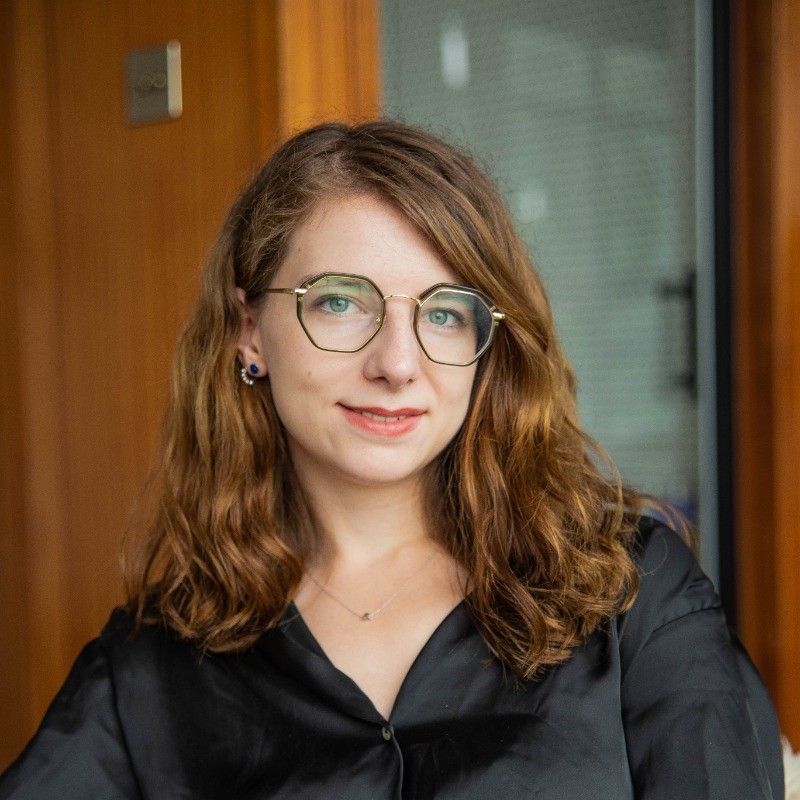
Emilė Radytė
Emilė Radytė is a Harvard- and Oxford-trained neuroscientist and the co-founder and CEO of Samphire Neuroscience, a London-based neurotech company building drug-free, hormone-free wearable devices for menstrual health. Her flagship product, Nettle, is a head-worn device using non-invasive transcranial direct current stimulation (tDCS) to target the neurological drivers of menstrual pain and mood symptoms. Named to the Forbes 30 Under 30 Healthcare list in 2024, she came up through emergency medicine at Harvard and a PhD in psychiatry and engineering at Oxford, and reframes conditions like PMS and PMDD as questions of brain circuitry rather than hormones alone.

Neural Galaxy
Neural Galaxy (also operating as Galaxy Brain Scientific) is a Beijing-based brain science company building a precision, non-invasive neuromodulation platform. Its proprietary personalized Brain Functional Sectors (pBFS) technology maps over 200 functional regions of an individual brain, then guides targeted transcranial magnetic stimulation with millimeter accuracy. Founded in 2019 by Harvard and MIT neuroscientists with serial entrepreneur Coach Wei, the company is running clinical and registration trials across depression, Parkinson's, Alzheimer's, autism and aphasia, and has raised roughly $93M to date.

Axoft
Axoft is a Cambridge, Massachusetts neurotechnology company building implantable brain-computer interfaces (iBCIs) out of Fleuron, a proprietary material it claims is up to 10,000x softer than the polyimide used in conventional brain implants. By making electronics roughly as soft as brain tissue, Axoft aims to keep thousands of sensors in stable contact with single neurons for years instead of months - reducing scarring and signal loss - to diagnose and eventually treat disorders of consciousness, paralysis, and other neurological conditions. A Harvard spinout founded in 2021, it raised an oversubscribed $55M Series A in April 2026 and has run first-in-human studies in 11+ patients worldwide.

Paul Le Floch
Paul Le Floch is the co-founder and CEO of Axoft, a Cambridge neurotechnology company building brain implants out of a material so soft it behaves like brain tissue. A Harvard-trained materials scientist and Forbes 30 Under 30 honoree, he bet that the way to read the brain better was not to borrow chips from the semiconductor industry but to invent a new material from scratch. The result, Fleuron, is up to thousands of times softer than conventional probes yet can carry over 1,000 sensors. Axoft has now implanted its device in 11 patients and raised a $55M Series A to push toward FDA trials.
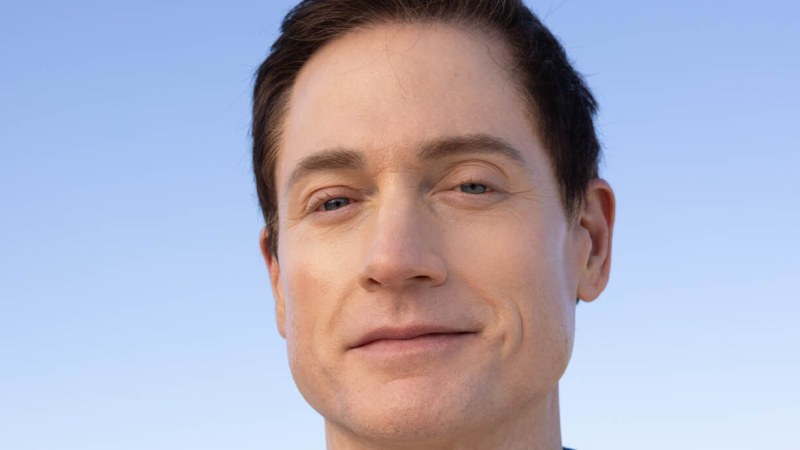
Bryan Johnson
Bryan Johnson is an American tech entrepreneur who built and sold Braintree (the parent of Venmo) to PayPal for $800 million, then funneled the proceeds into venture firm OS Fund and neurotech startup Kernel. He is now best known for Blueprint, a personal protocol and commercial brand built around his 'Don't Die' philosophy, chronicled in the 2025 Netflix documentary 'Don't Die: The Man Who Wants to Live Forever.'

Mike Carusi
Mike Carusi is a General Partner at Lightstone Ventures, a leading life sciences venture capital firm based in Portola Valley, California, with $847 million in assets under management. With a career spanning over three decades in healthcare investing, Carusi has built a reputation as one of the most active early-stage investors in biotech and medical devices, appearing on the Forbes Midas List for top technology and life science investors. He co-founded Lightstone Ventures in 2014 after years at Advanced Technology Ventures (ATV), and has overseen landmark exits including Plexxikon (acquired by Daiichi Sankyo for ~$1 billion), Ardian (acquired by Medtronic for $800 million), Ra Medical Systems (acquired by UCB for $2.3 billion), and dozens more. He teaches healthcare venture capital at Dartmouth Tuck and is a faculty member of the Stanford Biodesign Emerging Entrepreneurs Forum.

Don Vaughn
Don Vaughn, Ph.D. is the Co-Founder and CEO of Ampa Health, a Palo Alto-based neurotechnology company building FDA-cleared portable TMS (transcranial magnetic stimulation) devices that compress 36 days of depression treatment into a single day. A Stanford-educated physicist turned UCLA neuroscientist, Vaughn has built a career at the intersection of brain science, machine learning, and accessibility - detoured, notably, through a DJ career that landed him a #28 iTunes Dance chart hit featuring Nick Lachey. His TEDx talk on neurohacking has surpassed one million views. Ampa raised an oversubscribed $8.5M pre-A round in October 2025, achieved FDA clearance for its Ampa One device in February 2025, and is targeting 5,000 patient remissions by end of 2026 - with a long-term audacious goal of a billion remissions in ten years.

Fred Ehrsam
Fred Ehrsam (Frederick Ernest Ehrsam III) is a serial founder and investor who co-founded Coinbase in 2012 — the crypto exchange that went public on Nasdaq in 2021 — and Paradigm in 2018, the research-driven crypto VC firm that raised a $2.5 billion fund. Now he's chasing his next frontier: Nudge, a non-invasive brain-computer interface startup using focused ultrasound to modulate brain states, which raised $100 million in Series A funding in 2025. A Duke computer science graduate turned Goldman Sachs FX trader, Ehrsam discovered Bitcoin in 2011 and never looked back — quietly becoming one of the most influential architects of the crypto industry while building a reputation as a deep thinker obsessed with pushing the boundaries of human capability.