medicinal-chemistry
(28)
Gilgamesh Pharma sold a psychedelic. The next bet is a pill.
An AbbVie deal worth up to $1.2 billion bought one Gilgamesh program. The independent company that emerged is pursuing a harder prize: fast depression treatment that fits ordinary life.
TandemAI puts the lab inside the loop
A molecule can look magnificent on a screen and disappoint in a flask. TandemAI connects AI, molecular physics and wet labs so the next design can learn from the last experiment.
Yongqi Deng Spent 20 Years Finding Molecules. Then He Built a Company Around the Search.
After two decades inside Schering-Plough and Merck, the medicinal chemist returned to China to turn a mass-spectrometry screening idea into Keythera - and a six-program drug pipeline.
Andreas Goutopoulos Raised $75.5M for a Company That Was, on Paper, Just Him
He led chemistry at a big pharma for a decade, then walked out to build a radiopharma startup with no executive team and a single conviction: make the molecules stick.
Adam Friedman
He took the name from the brightest star in the Scorpius constellation. Now Adam Friedman is betting a Boston biotech, and up to $1.9 billion in deals, on drugging the targets everyone else called impossible.
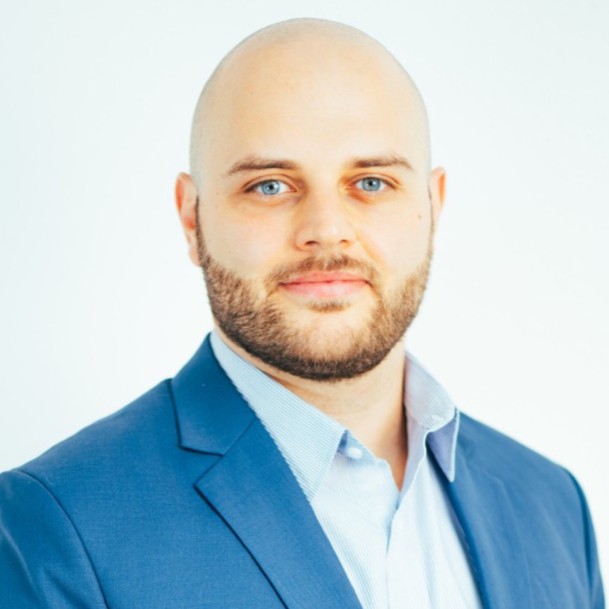
Zlatko Jončev
Zlatko Jončev is the co-founder and CEO of b-12 (b12 Labs), a Y Combinator S25 startup building AI agents that plan and run chemical synthesis for pharma and biotech. A former national chemistry olympiad champion turned organic chemist, he earned a PhD in Basel, trained as a medicinal chemist at Roche, and did his postdoc in EPFL's Lab of Artificial Chemical Intelligence, where he met co-founder Andres Bran. b-12 aims to shrink early-stage drug discovery from years to months by making molecules that are otherwise hard to make.
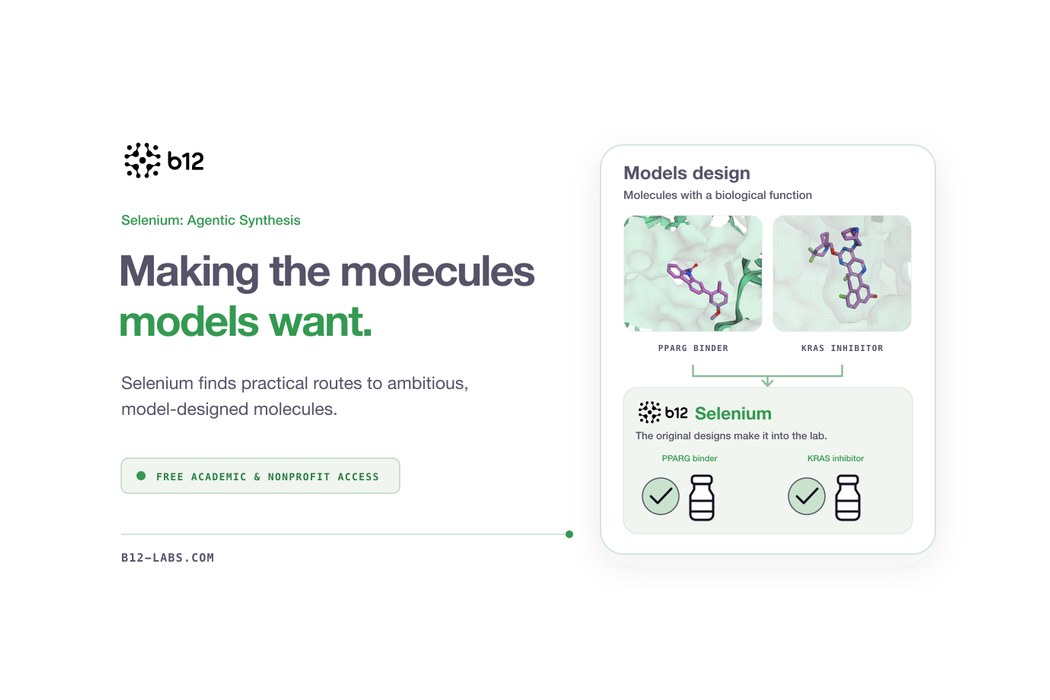
b12 Labs
b12 Labs is a San Francisco startup (Y Combinator S25) building AI agents for pharmaceutical and biotech chemistry. Its platform designs synthesis routes, plans and optimizes reactions, and turns those plans into robot-ready code for automated labs, aiming to compress early-stage drug discovery from years to months. The company was founded in 2025 by chemists Zlatko Joncev and Andres Bran, who met at EPFL's Lab of Artificial Chemical Intelligence.
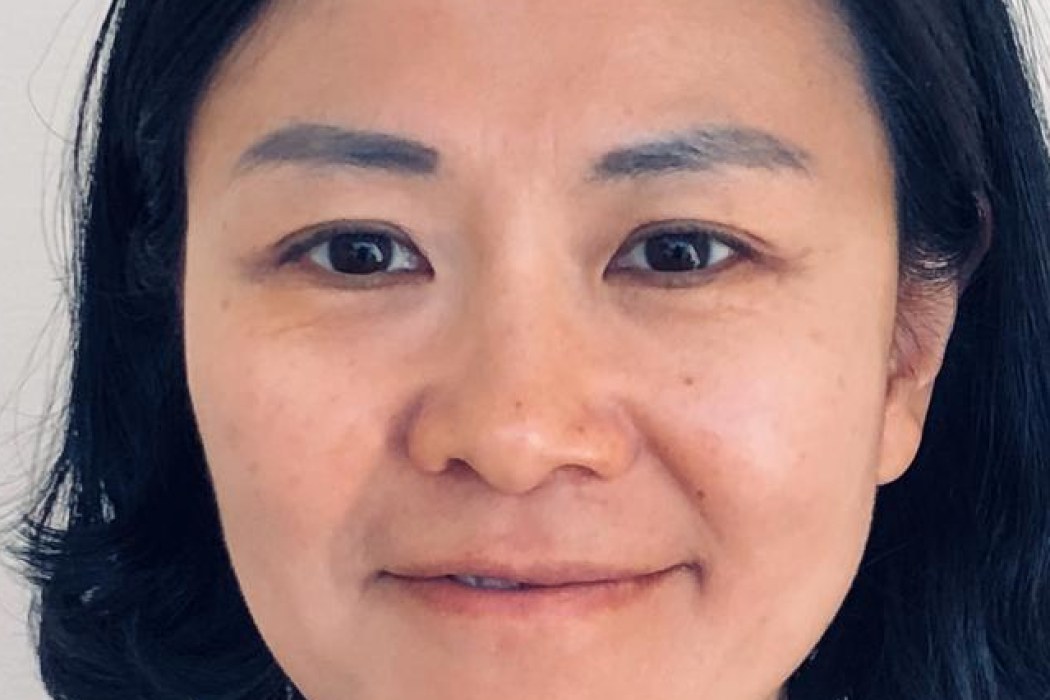
Sofie Qiao
Sofie Qiao, Ph.D. is a chemist-turned-biotech-founder who has built a career at the intersection of hard science and dealmaking. Trained in organic chemistry at Harvard and MIT, she founded LEAD Therapeutics (acquired by BioMarin in 2010, source of the PARP inhibitor Talazoparib now sold by Pfizer), ran WuXi Ventures, and then founded and led Vivace Therapeutics from 2015 to 2026, raising more than $100 million to advance first-in-class small molecules targeting the Hippo/YAP-TEAD pathway in cancer. She now leads Virtuoso Therapeutics, another company she founded.
Actithera
Actithera is a radiopharmaceutical biotech developing next-generation radioligand therapies (RLTs) for cancer. Founded in 2021 by medicinal chemist Andreas Goutopoulos and based in Cambridge, Massachusetts and Oslo, Norway, the company uses a proprietary, chemistry-led platform to design covalent small-molecule radioligands that lodge inside tumors, deliver targeted radiation, and clear quickly from healthy tissue. Its isotope-agnostic approach is engineered to match the residence time of a drug in a tumor to the half-life of long-lived radionuclides, with a lead program targeting Fibroblast Activation Protein (FAP). Actithera raised an oversubscribed $75.5M Series A in July 2025.
Scorpion Therapeutics
Scorpion Therapeutics was a Boston-based, clinical-stage precision oncology company built to advance what it called "Precision Oncology 2.0" - pairing cancer biology, computational chemistry, medicinal chemistry and genomics to design small-molecule drugs against cancer targets that had resisted earlier approaches. Founded in 2020 by a group of prominent scientists and biotech operators, it raised more than $440 million and built a pipeline of mutant-selective inhibitors, most notably the PI3K-alpha inhibitor STX-478 and a franchise of fourth-generation EGFR inhibitors. In January 2025 Eli Lilly agreed to acquire the company and its PI3K-alpha program in a deal worth up to $2.5 billion, while Scorpion's remaining pipeline and staff were spun into a new independent company, Antares Therapeutics.
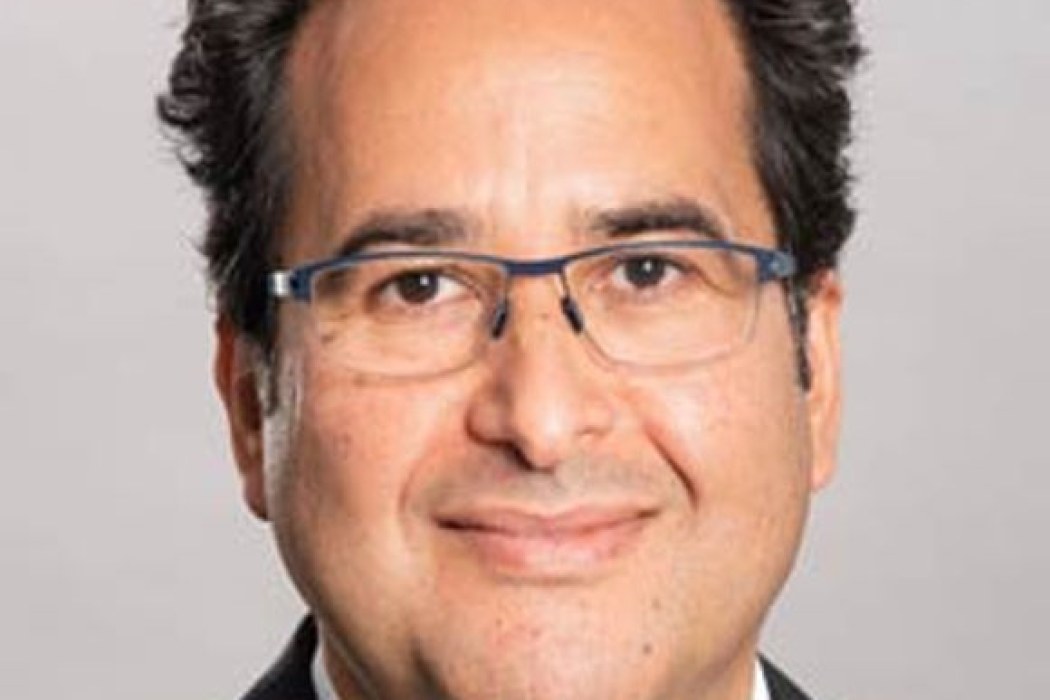
Eddine Saiah
Eddine Saiah, Ph.D., is the CEO and President of Stablix, a preclinical biotechnology company pioneering targeted protein stabilization (TPS) as a new class of small-molecule medicines. A medicinal chemist and drug hunter with more than 25 years of experience, he joined Stablix as Chief Scientific Officer in 2022 and moved into the chief executive role in 2025. His career spans big pharma research leadership at Pfizer and Wyeth, an entrepreneur-in-residence stint at Atlas Venture, and CSO duties at Navitor Pharmaceuticals. He is a co-inventor and author on more than 120 patents and publications, and has helped advance more than a dozen small-molecule candidates into clinical trials.

Drug Hunter
Drug Hunter is a Boston-based knowledge platform for the scientists who turn molecules into medicines. Founded in 2018 by former Genentech chemist Dennis X. Hu, it distills scientific literature, patents, and early disclosures into searchable, expert-curated insights - molecule search, patent search, courses, flash talks, and a mobile app. More than 200 R&D organizations, including Eli Lilly, Biogen, Merck KGaA, Isomorphic Labs, and the NIH, rely on it. In September 2025 the company raised a seed round led by Teamworthy Ventures.
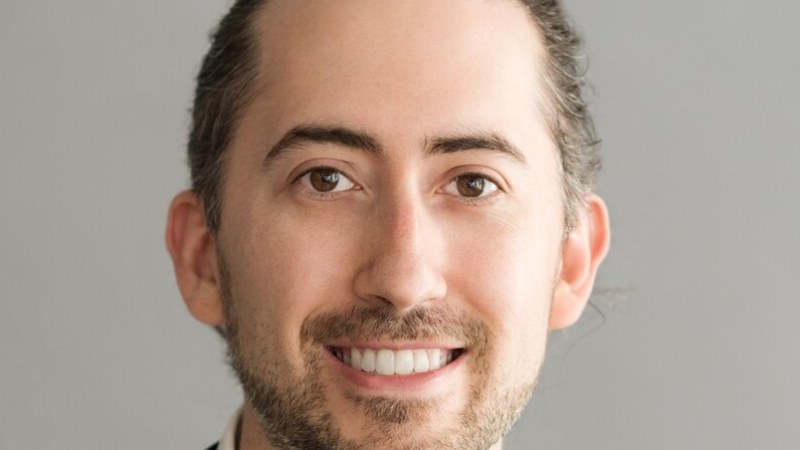
Sam Clark
Sam Clark, MD, PhD, is the founder and CEO of Terran Biosciences, a CNS-focused platform biotech he started in 2017 from his medical school dorm room with $10,000. A neuroscientist trained at MIT and Columbia, Clark has built one of the largest psychedelic development programs in the industry, is the named inventor on more than 200 patent applications, and holds the world's first patents for new forms of psilocybin and MDMA. Terran pairs a medicinal-chemistry drug design engine with an FDA-cleared neuroimaging software platform and a pipeline of late-stage assets licensed from Sanofi and Pierre Fabre.
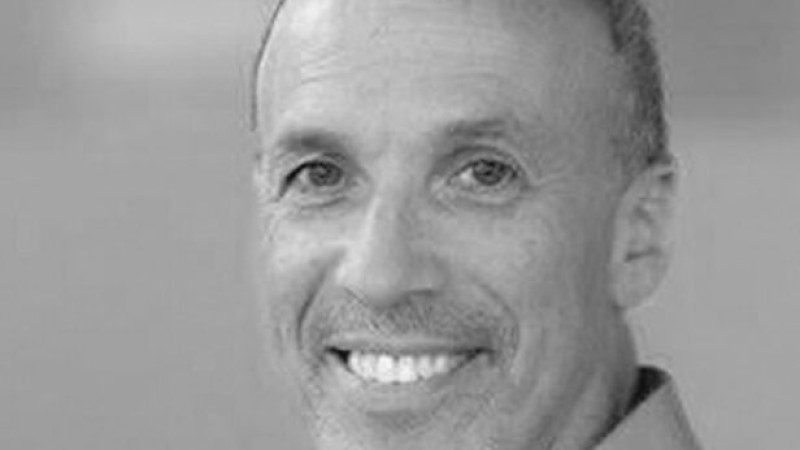
Joel Barrish
Joel Barrish is the President and CEO of Avilar Therapeutics, a Waltham, Massachusetts-based biotechnology company pioneering extracellular protein degradation. A medicinal chemist by training with a Ph.D. from Columbia University, Barrish spent 28 years at Bristol Myers Squibb rising to VP and Global Head of Discovery Chemistry, co-inventing blockbuster drugs including SPRYCEL (dasatinib) for leukemia. After stints as CSO at Achillion Pharmaceuticals and co-founder/President at Jnana Therapeutics, he founded Avilar in 2019 to build the ATAC and MTAC platforms - bifunctional molecules that hijack the body's own cellular recycling machinery to degrade disease-causing proteins outside the cell, a class of targets previously undruggable. Avilar has raised $75 million in total seed financing.
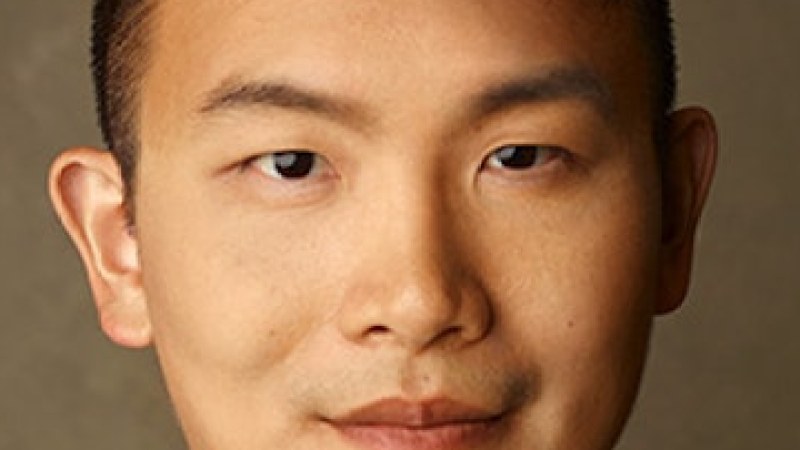
Dennis X. Hu
Dennis X. Hu is the founder and CEO of Drug Hunter, a subscription knowledge platform that distills the science behind new medicines for more than 200 R&D institutions, including most of the world's top pharma and biotech companies. A medicinal chemist by training, he led small-molecule teams at Genentech and the biotech RAPT Therapeutics (where he helped invent the Phase II oncology candidate tivumecirnon) before turning a side project into a fully remote company of 20+ employees that reaches millions of searches a year and runs entirely on subscription revenue.

Augustine Therapeutics
Augustine Therapeutics is a Belgian clinical-stage biotech spun out of VIB-KU Leuven that is building a next-generation class of selective HDAC6 inhibitors for chronic diseases. Using a proprietary non-hydroxamate, non-hydrazide chemotype, the company designs molecules that block HDAC6's harmful catalytic activity while sparing its beneficial functions - aiming to avoid the toxicity that stalled earlier inhibitors. Its lead candidate, AGT-100216, is the first selective HDAC6 inhibitor to enter the clinic for Charcot-Marie-Tooth disease, with a pipeline extending into neurodegenerative and cardio-metabolic indications.

CaaMTech
CaaMTech is an Issaquah, Washington drug discovery company building patentable, psychedelic-inspired medicines. Founded in 2016 by chemist and patent attorney Andrew Chadeayne, it has synthesized and characterized a large library of novel tryptamines, solved crystal structures of compounds like 4-AcO-DMT and norpsilocin, and filed more than 100 patent applications. The company studies the 'entourage effect' in magic mushrooms to engineer compounds that keep the benefits while reducing side effects, and in 2021 raised a $22M Series A to push lead candidates toward human trials.
Neomorph, Inc.
Neomorph is a San Diego clinical-stage biotech building molecular glue degraders - small molecules that recruit the cell's own disposal machinery to destroy disease-driving proteins long written off as 'undruggable.' Founded in 2020 out of Deerfield Management with scientific founders who decoded how thalidomide-class drugs work, the company has assembled what it calls the world's largest proprietary molecular glue target space across a broad portfolio of E3 ubiquitin ligases. It has signed multibillion-dollar discovery pacts with AbbVie, Novo Nordisk, and Biogen, dosed its first patient with lead candidate NEO-811 in kidney cancer, and raised roughly $209M across Series A and B.
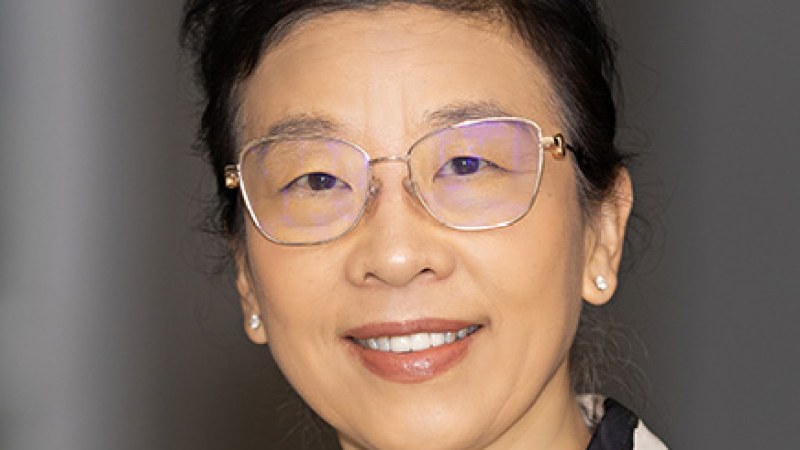
Jean Cui
J. Jean Cui is a medicinal chemist who has invented three FDA-approved cancer medicines and now runs the biotech she founded to do it again. As scientific founder, President and CEO of BlossomHill Therapeutics in San Diego, she designs small molecules built to outmaneuver the resistance mutations that defeat earlier drugs. Her crizotinib, lorlatinib and repotrectinib all began as chemistry problems she solved at the molecular level. In 2024 she was elected to the National Academy of Engineering. Her track record includes co-founding Turning Point Therapeutics, which Bristol Myers Squibb bought for $4.1 billion.
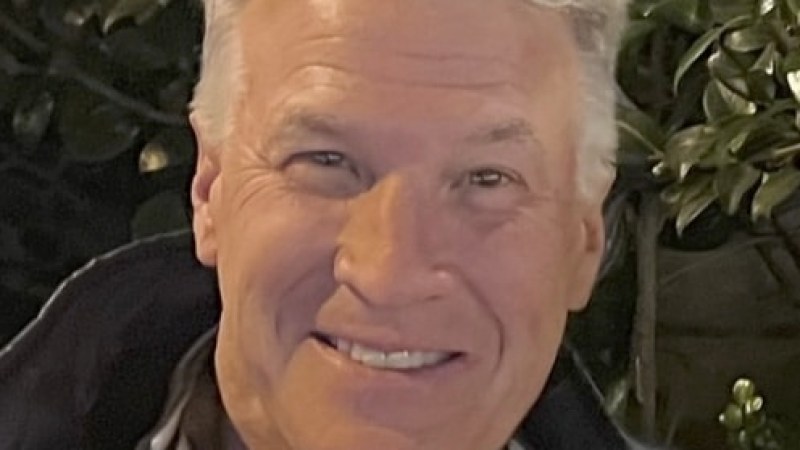
Jeffrey Stafford
Jeffrey Stafford is the CEO and co-founder of 858 Therapeutics, a San Diego clinical-stage biotech developing small-molecule cancer drugs against novel targets in DNA-damage repair, innate immunity and RNA epigenetics. A chemist by training, he has spent three decades turning molecules into medicines: his discovery teams contributed to three FDA-approved drugs, and he previously led Jecure Therapeutics (acquired by Genentech in 2018) and co-founded Quanticel Pharmaceuticals (acquired by Celgene in 2015). 858's lead asset, the PARG inhibitor ETX-19477, won FDA Fast Track status and posted a 57% response rate in BRCA-mutated ovarian cancer at ASCO 2026.

Synnovation Therapeutics
Synnovation Therapeutics is a Wilmington, Delaware precision medicine company building small-molecule cancer drugs aimed at validated oncology targets where greater potency and selectivity could beat the current standard of care. Founded in 2024 by a team of former Incyte medicinal chemistry leaders, it launched with a $102 million Series A led by Third Rock Ventures. Its lead programs are SNV1521, a CNS-penetrant, highly selective PARP1 inhibitor, and SNV4818, a mutant-selective PI3K-alpha inhibitor whose subsidiary Pikavation Therapeutics was acquired by Novartis in March 2026 for $2 billion upfront.
Blue Oak Pharmaceuticals
Blue Oak Pharmaceuticals is a Waltham, Massachusetts biotech founded in 2016 to discover the next generation of drugs for brain disorders. Led by neurobiologist and former Eli Lilly and Sunovion executive Tom Large, the company designs novel, CNS-focused 'privileged chemotypes' and pairs them with systems-neurobiology behavioral assays and AI to hunt first-in-class small molecules for schizophrenia, bipolar disorder and treatment-resistant depression. Its work runs through partnerships with phenotypic-screening firm PsychoGenics and AI drug-design company Exscientia.
Inductive Bio
Inductive Bio is a New York-based AI company building a machine learning platform that predicts how small-molecule drugs will behave in the body before they are ever synthesized. By training models on a pre-competitive data consortium shared across biopharma teams, its Beacon models, Compass software, and Indy chemistry assistant help medicinal chemists nominate better development candidates faster - reducing the costly 'whack-a-mole' of balancing potency against ADMET properties in preclinical drug discovery.
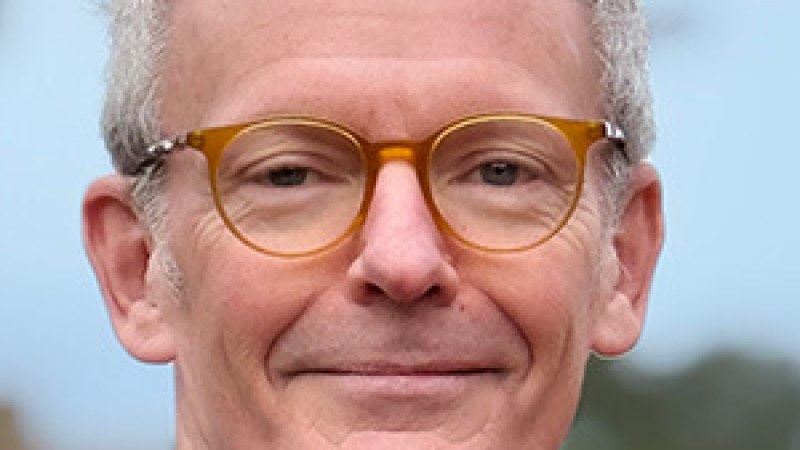
Steve Worland
Steve Worland, Ph.D., is the CEO of Numerion Labs, the AI-native drug discovery company that grew out of Atomwise. A medicinal-chemistry lifer with three decades behind him, his bench work fed the discovery of Paxlovid and Inlyta, and his operating record runs from Agouron through a Roche acquisition to a SPAC. Now he is betting that deep-learning surrogates plus GPU enumeration can search billions of molecules in seconds.
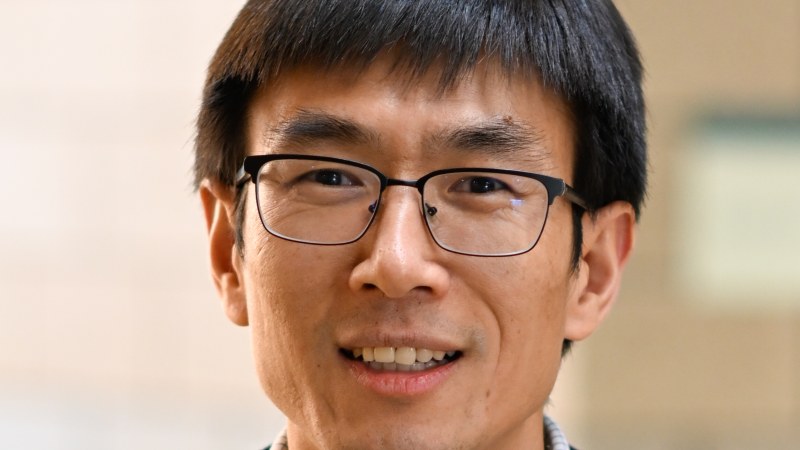
Wenqing Yao
Wenqing Yao is the founder and CEO of Synnovation Therapeutics, a precision-oncology biotech in Wilmington, Delaware. A medicinal chemist by training, he spent nearly two decades at Incyte building and leading its discovery chemistry engine, a stretch that produced five FDA-approved drugs including Jakafi. In 2021 he left to start Synnovation, which launched publicly in January 2024 with a $102 million Series A to advance best-in-class small molecules against highly validated targets, led by a CNS-penetrant, isoform-selective PARP1 inhibitor and a mutant-selective PI3K-alpha inhibitor.
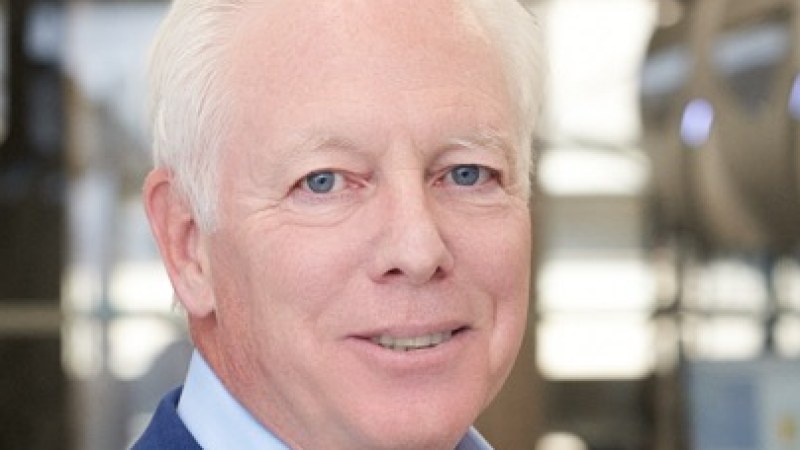
Michael Foley
Michael Foley is a medicinal chemist turned serial biotech founder who is now CEO and co-founder of Excelsior Sciences, a New York company building 'chemistry that machines can do.' His proprietary 'smart blocc' building blocks let robots and AI run iterative carbon-carbon bond formation in a closed loop, aiming to collapse the wall between drug discovery and manufacturing. Foley has founded multiple biotechs, ran the Broad Institute's Chemical Biology Platform, and was founding CEO of the Tri-Institutional Therapeutics Discovery Institute. Excelsior launched with $95 million in 2025.
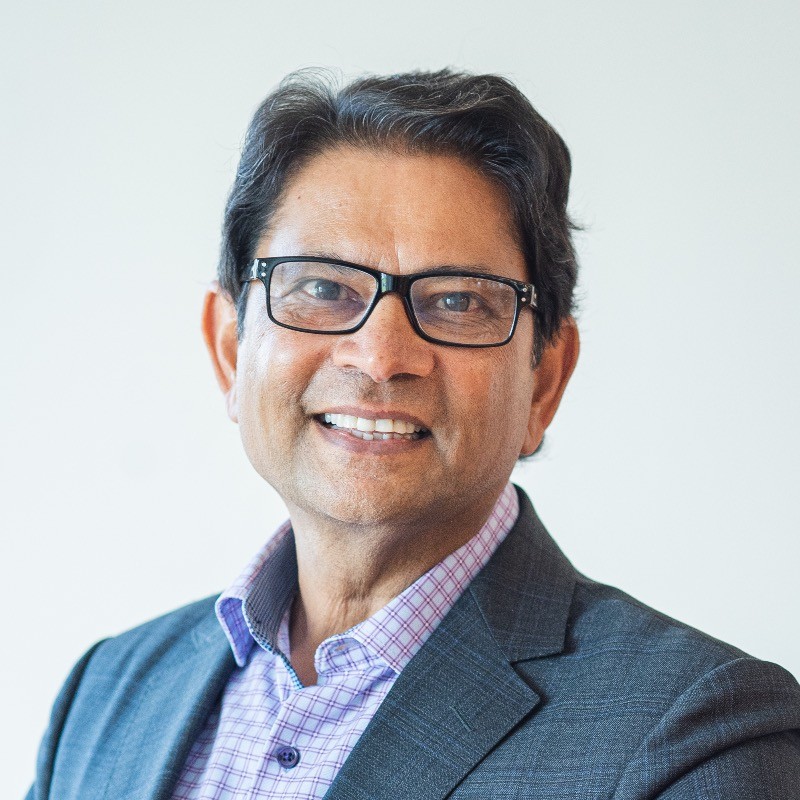
Dinesh V. Patel
Dinesh V. Patel, Ph.D. is the President and CEO of Protagonist Therapeutics (NASDAQ: PTGX), a Newark, California-based biopharmaceutical company he has led since December 2008. With over 38 years spanning medicinal chemistry, drug discovery, venture capital co-founding, and three CEO stints, Patel has guided Protagonist from a peptide-platform startup to a company with its first FDA-approved drug - ICOTYDE (icotrokinra), approved March 2026 as the world's first targeted oral peptide for moderate-to-severe plaque psoriasis, partnered with Johnson & Johnson.
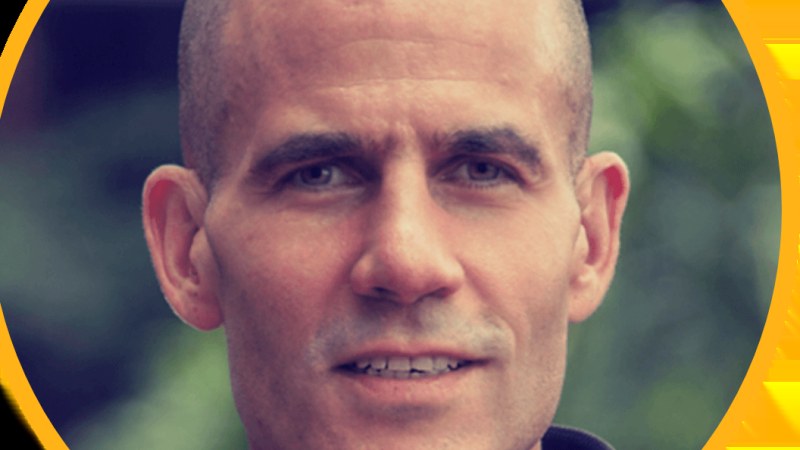
Terry Rosen
Terry Rosen is the CEO and co-founder of Arcus Biosciences, a clinical-stage biopharmaceutical company focused on developing combination cancer immunotherapies. A medicinal chemist by training with a Ph.D. from UC Berkeley, Rosen has spent over 30 years at the intersection of chemistry and oncology - from Abbott Laboratories and Pfizer to Amgen, and then co-founding Flexus Biosciences which sold to Bristol-Myers Squibb for $1.25 billion in 2015. He immediately used that platform to launch Arcus, which has since secured a landmark 10-year partnership with Gilead Sciences and advanced multiple molecules into pivotal clinical studies, including casdatifan, a best-in-class HIF-2α inhibitor showing strong results in kidney cancer.