identity-verification
(93)
Shufti wants to make proving you are you less of a production
A frustrating identity check helped inspire Shufti. Now the company is betting that businesses will buy verification, fraud checks and ongoing monitoring from the same place.
GBG wants to let the right people in
The British identity specialist grew by buying the machinery of digital trust. Now it must make those pieces work together - while a fresh setback in America tests its recovery.
iProov Wants Your Face to Prove It Was There
A face can be copied. A moment is harder to steal. iProov uses light, biometrics and a watchful security team to check who is really on the other side of the screen.
Thirdfort’s £25,000 reason to check the paperwork
A friend lost a home deposit despite the anti-fraud checks. Thirdfort’s founders built a business around the gap between collecting documents and understanding what they prove.
Yoti Wants Your Face for One Second - And Almost Nothing Else
The British identity company spent years building a wallet for facts about you. Its breakout product asks for less: a glance at a camera, a yes-or-no answer, then deletion.
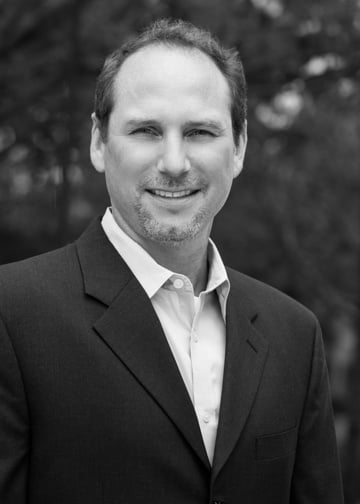
Greg Brown Has Spent 20 Years Making Bad Data Everyone's Business
At Melissa, an English graduate with a law degree turned addresses, duplicates and returned mail into a durable marketing brief: make the invisible cost of bad information impossible to ignore.
Wink Wanted to Kill the Password. Then It Found the Payment Rails.
Wink began with a clever premise: any ordinary camera could become a checkout credential. Its 2025 merger with Phoenix Managed Networks turned that identity layer into a payments business with real rails, real distribution and a much harder question about trust.

The $5.3 Billion Deal That Died - and the API That Got Bigger
Plaid was supposed to disappear into Visa. Instead, the blocked $5.3 billion sale left it free to turn a bank-linking button into a broader financial intelligence network - with a valuation reset, a privacy reckoning and one very copyable startup lesson along the way.
Melissa Spent 40 Years Fixing the Customer Data Everyone Else Ignores
The California company started by mailing ZIP-code databases on floppy disks. Four decades later, its pitch is still disarmingly practical: stop a bad address, dead email or duplicate customer before the mistake gets expensive.
A $180,000 Scam Nearly Sank Their Title Company. Then They Built the Wire-Fraud Firewall Real Estate Forgot.
CertifID turned its founders' worst closing into a business: software that checks the people and bank details, insurance that backs the answer, and a recovery team for the moment prevention fails.

Proctorio Put the Exam Room Inside Your Laptop - Now It Has to Earn the Student's Trust
The Scottsdale software company made remote exams easy to deploy and hard to ignore. Its next test is proving that scalable oversight, useful flags, and student dignity can occupy the same browser tab.

Ashley Kiolbasa Is Selling the Internet Its Missing Ingredient: Trust
After a career spent translating cybersecurity, ecommerce fraud and frictionless checkout, Prove's CMO has arrived at the question underneath them all: in an AI-shaped internet, how does a business know who - or what - is on the other side?
The $2.4 Billion Bet That Your Swipe Knows a Scam Before Your Bank Does
BioCatch turned hesitation, scrolling and a crooked swipe into a fraud alarm for 350-plus financial institutions. Now Visa is paying $2.4 billion for the chance to catch crime before money moves.
Bureau Raised $50.5 Million to Answer the Internet's Most Expensive Question: Who Can You Trust?
Point solutions can verify a document and still miss the fraud ring holding it. Bureau's bet is that the winning risk product is not another check, but the connective tissue between every check.
Prove's Quiet Trick: Catch More Fraud by Asking Good Customers to Do Less
The New York identity company built a business around an awkward truth: every extra fraud check can also chase away a real customer. Its answer is to make the phone do more of the proving - quietly, continuously and before another form gets in the way.
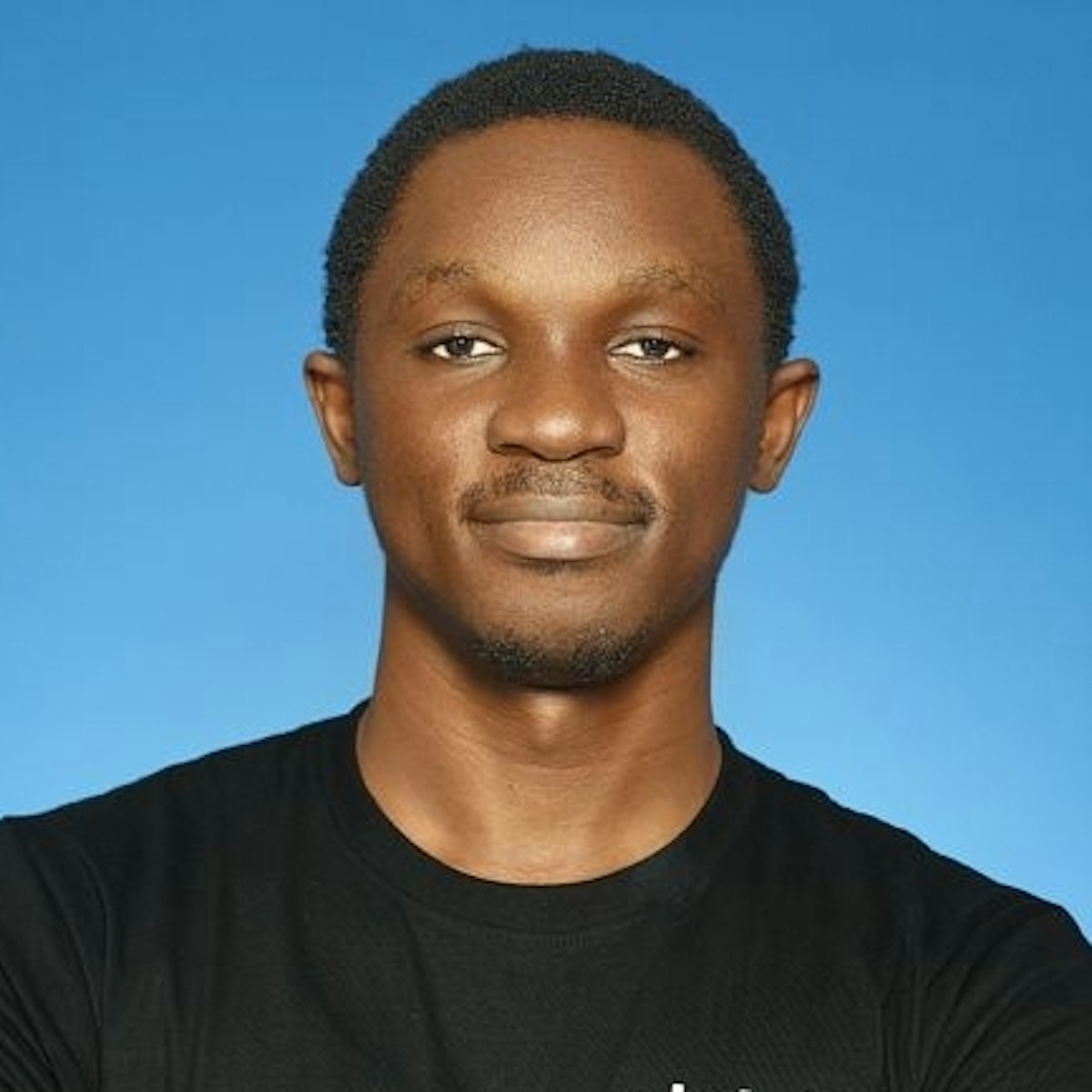
Oluwatobiloba Ololade Is Building the Boring Layer the Internet Cannot Live Without
The Dojah co-founder turned a developer’s recurring nuisance - fragmented access to identity data - into infrastructure for businesses that need to know who is really on the other side of a screen.

Alberto Rosas Is Building Trust for an Internet Full of Doubles
An identical twin who once competed at tennis and trained neural networks now runs live identity checks for a living. His second act is a study in narrowing the problem without shrinking the ambition.
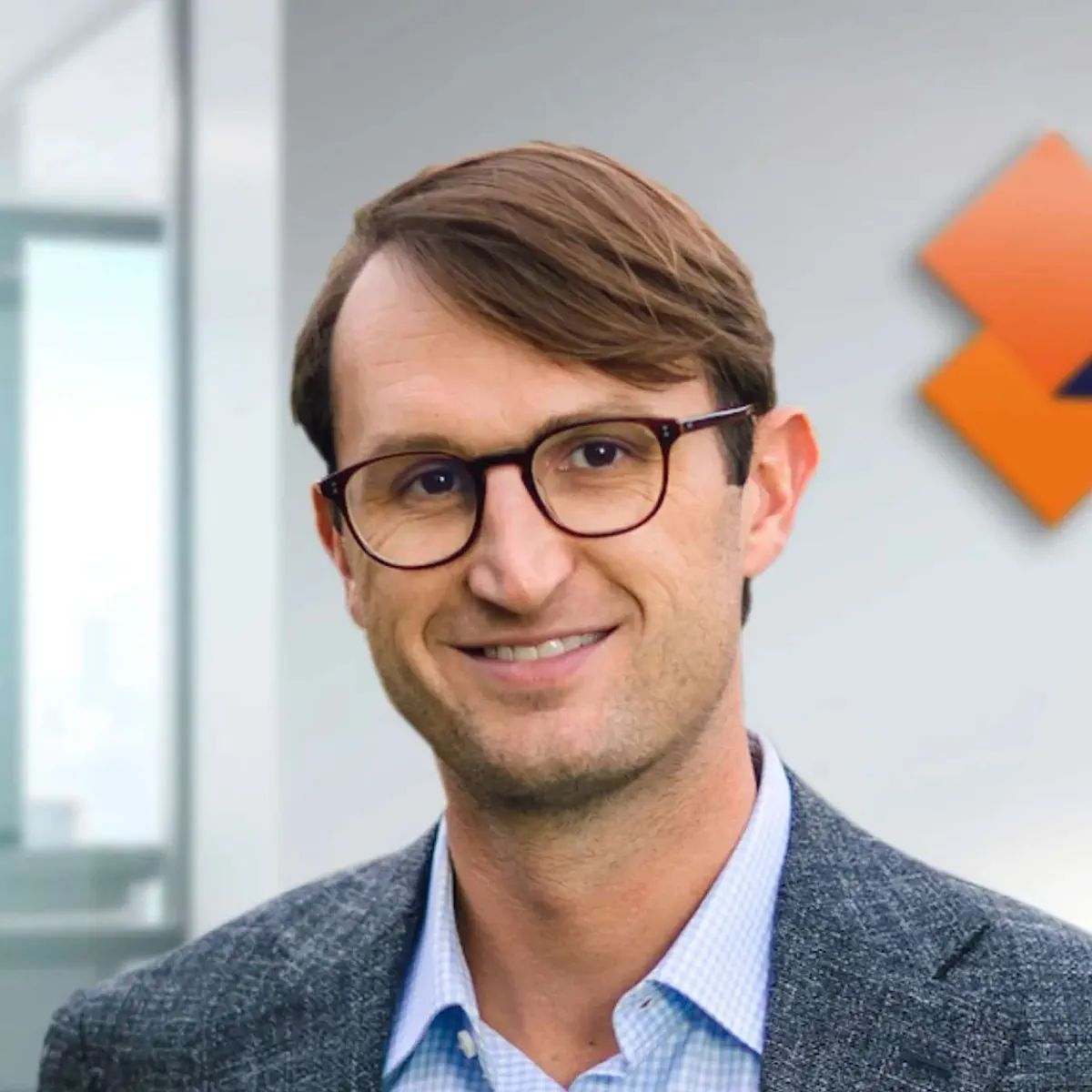
Johnny Ayers Is Still Punting Into the Unknown
He fumbled the snap in his first college game, ran out of startup money four times, and kept moving forward. Fourteen years into Socure, Johnny Ayers is widening his bet on who - and what - the internet can trust.
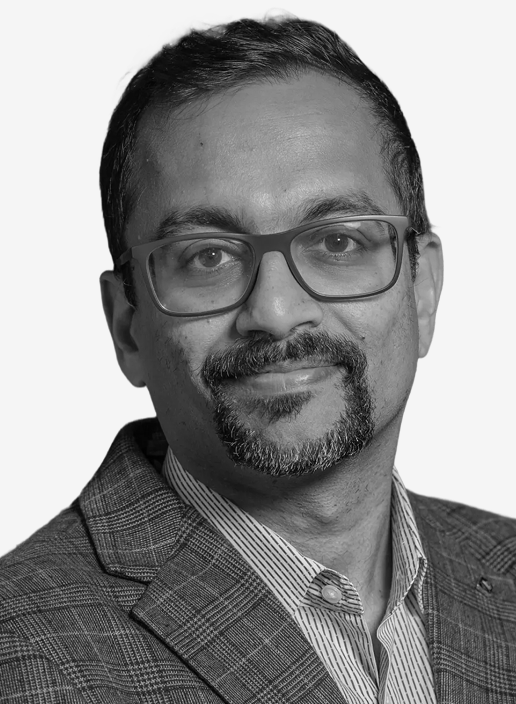
Vijay Balasubramaniyan Is Teaching Machines to Hear the Lie
A declined credit card sent a Georgia Tech researcher hunting for truth in the noise. Fifteen years later, his old question - who is really speaking? - has become the defining riddle of synthetic media.
Pindrop Bet the Voice Was a Fingerprint. Then AI Learned to Wear It
The Atlanta security company spent a decade proving that every call leaves clues. Deepfakes turned that niche insight into a much bigger business - and a warning for any company that still treats a familiar voice as proof.
Glider AI Bet the Résumé Was Broken. Then AI Made It Worse.
The hiring platform began by testing what candidates could actually do. Six years, a $10 million Series A and a Findem acquisition later, it is selling something more urgent: proof that the candidate on screen is real.
The Company Betting You Should Take the Exam Whenever You Want
A veteran-founded North Carolina startup spent more than a decade arguing that the honest way to catch cheating is to stop making people schedule it. As bigger rivals merge and raise prices, ProctorFree is quietly picking up their customers.
Socure Built a $4.5 Billion Business Around One Awkward Question: Are You Really You?
Banks once treated identity as a checklist. Socure turned it into a living graph - and now more than 3,000 customers use that graph to decide who gets through the digital front door.
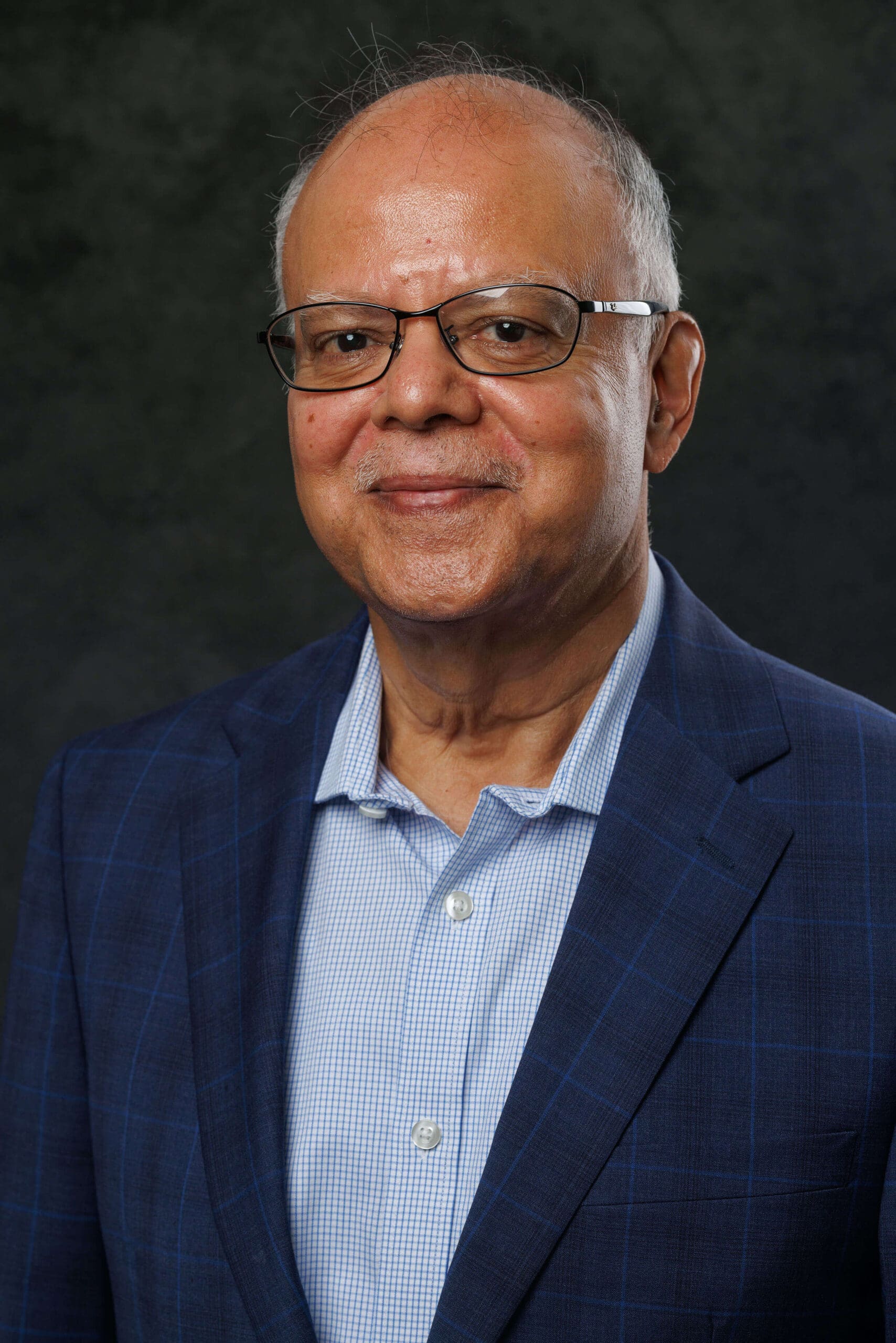
Chirag Bakshi Built a Career on the Signals Hiding in Plain Sight
From telephone switches and Apple printers to mobile identity, the Zumigo founder has spent four decades turning quiet infrastructure into practical trust.

Chaitanya Sarda Is Turning Compliance Into a Product Problem
After years deciding whether unknown callers could be trusted at Google, the AiPrise co-founder is applying the same systems instinct to a slower, messier question: how businesses decide whom to let in.
The Tiny Clues SEON Uses to Catch a $300 Billion Problem
Fraud rarely arrives wearing a name tag. SEON turns more than 900 digital, device and behavioral signals into decisions that risk teams can inspect, tune and act on in real time.
The Background Check Is Becoming a Living Trust Layer
First Advantage built its business checking people before they start work. Now, with Sterling absorbed and identity fraud rising, it wants to become the trust layer that stays switched on long after day one.
TransUnion
The quiet third name on your credit report runs a billion-consumer data engine. Here is how a 1968 railcar spinoff became a Tru-branded machine for deciding who gets to borrow, rent and buy.
Equifax
Most people meet Equifax as a credit score. Its larger business is the invisible machinery that helps decide who gets a mortgage, a job, a benefit or a second look - rebuilt on a $3 billion cloud platform and shadowed by the breach that changed the company.
Experian
Experian built its name by telling lenders who was likely to repay. Now it is trying to turn that privileged view of financial life into a daily consumer utility - and a trust layer for an economy increasingly run by software agents.