coinbase
(40)
Stephanie Song wanted her old job automated
At Coinbase, Stephanie Song knew the work hidden inside a deal. She co-founded Dili to speed it up, built Invictus around the same frustration, and now works on the infrastructure other AI builders need.

Earn.com put a price on your inbox.
First it mined bitcoin. Then it paid people to answer emails. Earn.com’s strange journey asks a useful question: who should get paid when someone wants your attention?

Daniel J. Kim and the business of coming back
He brought Red Mango to American customers, one store and one conversation at a time. From frozen yogurt to financial software, Daniel J. Kim keeps returning to the same question: what makes a new idea useful enough to use again?
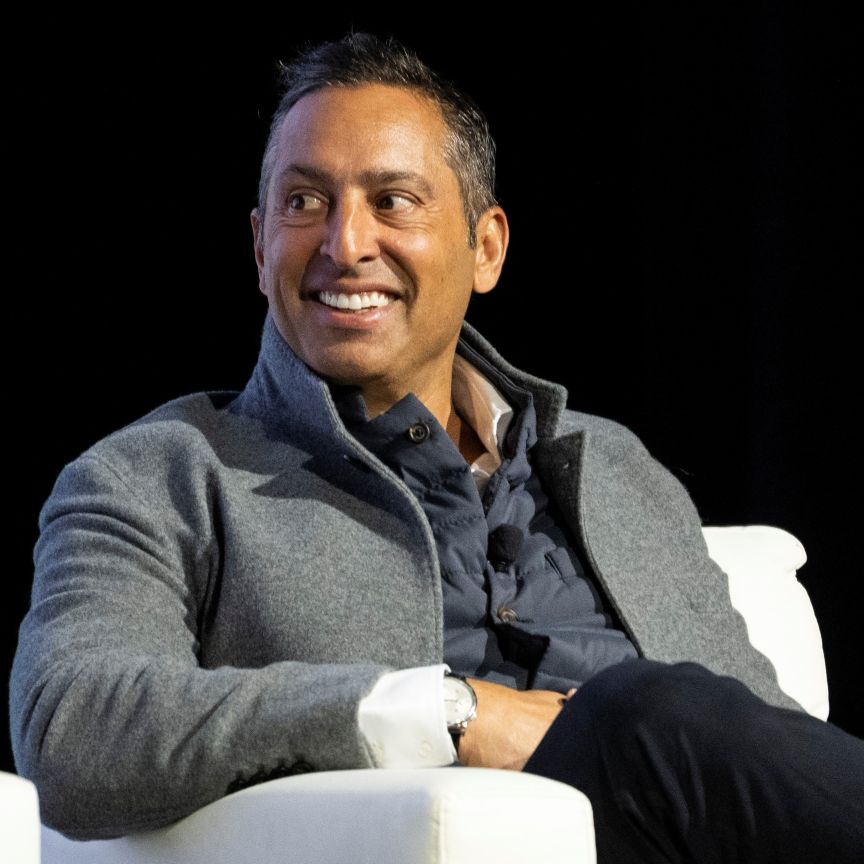
Brett Tejpaul and the value of going slowly
He spent years building businesses inside banks before joining Coinbase in 2020. His second career asks a familiar question in unfamiliar territory: what does it take for institutions to trust a new market?

Bryce Ferguson and the art of getting out of the way
After helping build Coinbase Custody, Bryce Ferguson went to Berlin and saw crypto infrastructure from the customer’s side. Turnkey grew out of the friction he found there.
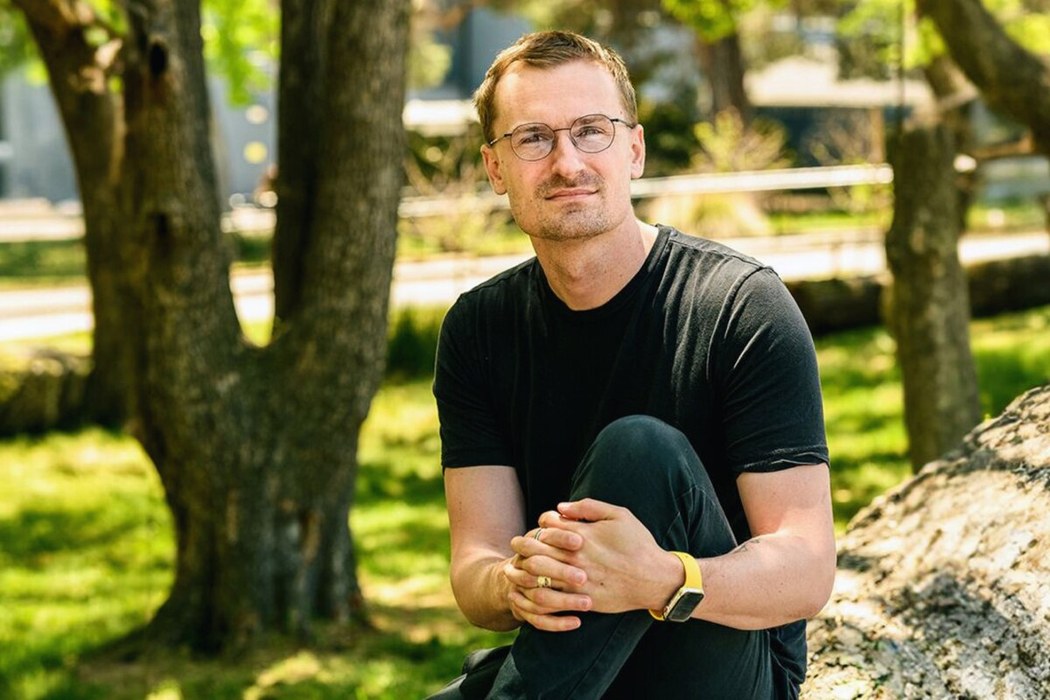
Jesse Pollak Kept Looking for the Door Into Crypto. Then He Built the Floor.
A student startup tried to retire the password. A Coinbase assignment asked for an onchain future. Between them, Jesse Pollak learned that the hardest part of building a new internet is deciding what belongs underneath it.

Dan Romero and the Art of Starting Over
He helped Coinbase find its footing, built an open social network, then handed it on. At Tempo, Dan Romero is testing a new premise: that the next useful crypto product may simply move money.

The Coin That Moved. The Cost That Vanished.
A coin can cross five wallets in an afternoon. Its purchase price rarely travels with it. CoinTracker made that missing number a business - first for investors, then for the institutions that serve them.
Darshdeep Hora and the Last 22 Percent
The engineer's revealing work is not the first 80 percent an AI can do. It is the stubborn remainder where judgment, trust, and one wrong customer name can undo everything.

Gary Sun Has Spent a Career Making Complicated Technology Feel Usable
After Google and Coinbase, the electrical engineer turned marketer has taken on a quieter challenge at ID.me: earning trust one login at a time.

Catherine Ferdon Makes Complicated Money Feel Like Culture
After 13 years helping Cash App find its voice, Catherine Ferdon took on crypto's harder brief: make an invisible, volatile technology feel legible, human and worth talking about.

Christian Pickett Is Building the Checkout Counter for AI Agents
After working on payment rails at Coinbase and usage billing at Vercel, Christian Pickett found a new customer waiting at the register: software itself. Orthogonal is his attempt to give AI agents a practical way to find tools, pay by the call, and finish the job.

Anirudh Pupneja Is Teaching AI to Leave the Chat Window
The Redapto co-founder has followed one stubborn question from a Hindi-language research lab to Coinbase and Y Combinator: how do you make intelligent software useful when the consequences are real?

David Maulick Is Moving the Bottleneck Upstream
After helping Coinbase engineers build faster, David Maulick is betting that the next software problem begins before anyone writes code: getting humans and agents to agree on what should be built.

Clinton Bembry’s Second Exit Was Built on Making Crypto Feel Boring
First Astro Wallet sold to Coinbase. Then Slingshot sold to Magic Eden. Across both companies, Clinton Bembry has pursued the same unfashionable idea: crypto works better when users do not have to think about crypto.
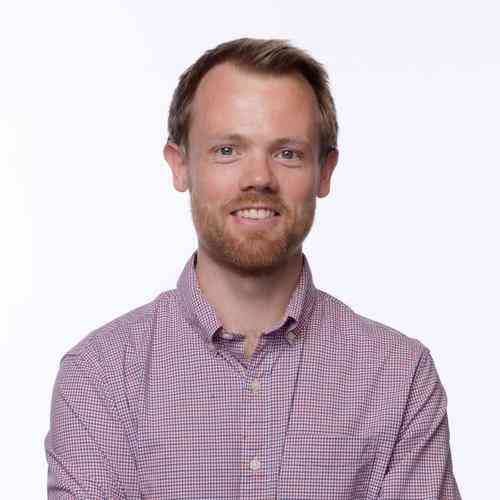
Adrian Macneil Is Building the Debugger for the Physical World
A childhood near New Zealand orchards, a payments detour, and five years inside Cruise taught Adrian Macneil the same lesson: robots need better tools before they can become ordinary. Foxglove is his decade-long bet on the unglamorous infrastructure underneath physical AI.

The Quiet Firm in Chapel Hill That Grades Venture Capital's Rich List
TrueBridge Capital Partners has spent nearly two decades buying into the funds most investors can't get into - and quietly building the model that decides who tops the Forbes Midas List.

Rowboat
Rowboat (YC S24) is a San Francisco and Bengaluru startup building open-source AI agent software. It began as a pre-trained customer-support LLM agent, grew into a widely starred open-source IDE for building multi-agent systems on the OpenAI Agents SDK, and is now 'your AI coworker, with memory' - a local-first desktop app that turns your emails, meetings, and notes into an editable knowledge graph so agents can actually get work done. Founded by the team behind Agara (acquired by Coinbase in 2021).

Steijn Pelle
Steijn Pelle is the co-founder and CEO of Lassie, a San Francisco AI company building an autonomous back-office worker that runs the financial admin of independent businesses, starting with dental and medical practices. A Dutch transplant to Silicon Valley with roughly 15 years in startups, he cut his teeth on consumer growth at HealthTap, Coinbase and Robinhood before founding Lassie in 2021. In June 2026 the company raised a $35M Series A led by Andreessen Horowitz, bringing total funding to $47M, while operating in more than 700 practices across 49 states.
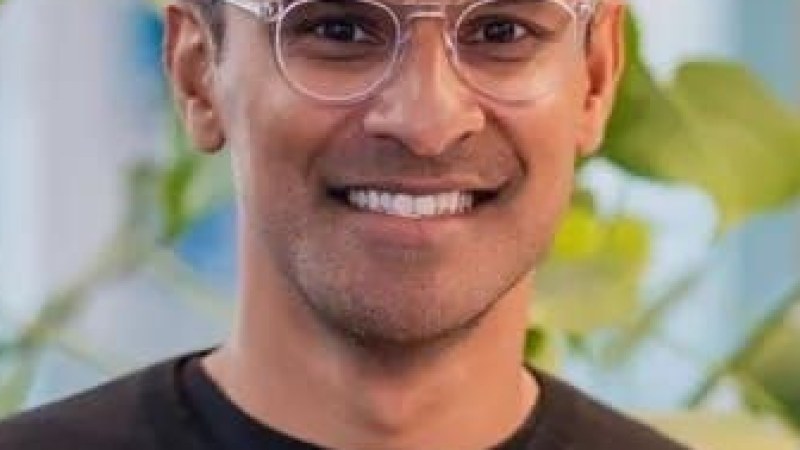
AJ Asver
AJ Asver is the founder and CEO of Parcha, the San Francisco startup behind Grep, an AI 'expert engine' for serious business research and due diligence. A four-time founder, Oxford computer scientist and former DJ, he sold his first company to Google at 25, then built fintech products at Coinbase and Brex before spending six months teaching himself modern AI and launching Parcha in 2023 with a $5M seed round. Parcha cut its teeth automating compliance for fintechs like Airwallex and Flutterwave, then pivoted into Grep, pitched as 'the MacBook Pro of AI - a place where serious work gets done.'
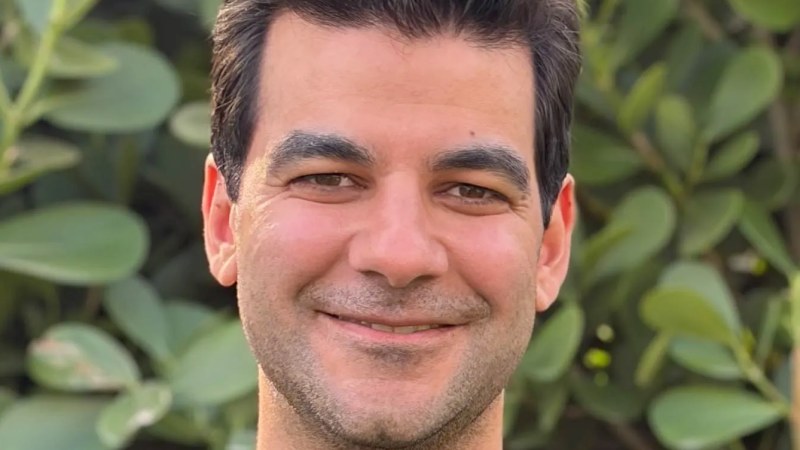
Volkan Gurel
Volkan Gurel is the co-founder and CEO of Layer, an AI operating system for creative teams in gaming and entertainment. An MIT-trained engineer who has built distributed systems and machine learning pipelines at Hunch, eBay, Airware, and Coinbase, he holds four UAV patents from his drone-engineering years. In 2023 he co-founded Layer with Burcu Hakguder to let game studios generate performance-ready images, video, 3D, and audio without scaling headcount or outsourcing. The company is backed by a board of gaming heavyweights including King co-founder Riccardo Zacconi, and serves studios like Zynga, King, and Peak Games.

Scott Kazmierowicz
Scott Kazmierowicz is the co-founder and CEO of Cardless, a San Francisco fintech rebuilding the credit card from the brand outward. Started in March 2019 after a Christmas Eve napkin session in a Bryant Park Whole Foods, Cardless lets companies like Coinbase, Bilt, Qatar Airways and Alibaba launch and run their own co-branded credit programs without the legacy bank in the middle. A Stanford computer science grad who passed through Goldman Sachs and Allen & Company before turning founder, Kazmierowicz frames the work as a design problem as much as a finance one: make credit products that are useful, fair and respectful of a person's dignity. By 2025 the company had raised more than $170 million and was growing card transaction volume 400% year over year.

Antonio Juliano
Antonio Juliano is the founder and CEO of dYdX, one of the largest decentralized exchanges for crypto perpetuals and derivatives. A Princeton computer science graduate who learned crypto at Coinbase, he launched dYdX in 2017 and built it into a leading DeFi protocol. After stepping back from daily operations in 2024, he returned as CEO six months later, declaring he was going into 'Founder Mode' to revitalize the company.

Akash Talyan
Akash Talyan is a Product Designer at Zip (ziphq.com), a San Francisco-based AI procurement platform valued at $2.2 billion. He leads design for the agent experience team, building the human-AI interfaces that power enterprise procurement automation. With a Master's in Human-Computer Interaction from Georgia Tech and a career spanning Coinbase, Verily Life Sciences, and Lucid Software, Akash brings rare depth to the challenge of making agentic AI workflows feel intuitive to real enterprise users.
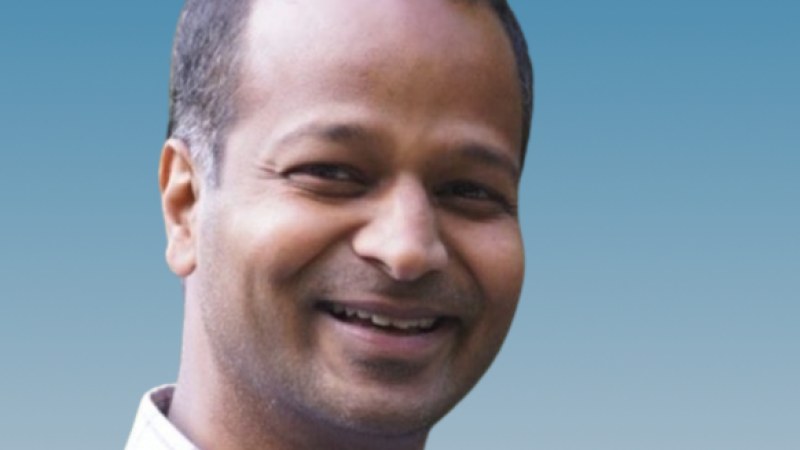
Soups Ranjan
Soups Ranjan is the co-founder and CEO of Sardine, an agentic AI platform for financial crime prevention and AML compliance headquartered in San Francisco. With a PhD in Electrical and Computer Engineering from Rice University and career stints at Coinbase (as Head of Risk) and Revolut (Head of Financial Crime), he channeled over 15 years of fraud-fighting expertise into Sardine, which has raised $145.6M and grown to 300+ enterprise customers. Sardine's behavioral biometrics and device intelligence platform now profiles 2.2+ billion devices, making it one of the most comprehensive financial crime databases in existence.
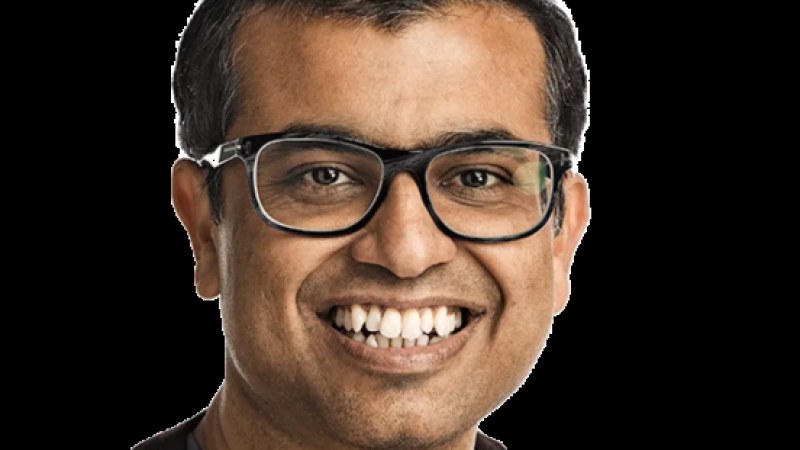
Surojit Chatterjee
Surojit Chatterjee is the Founder and CEO of Ema, an enterprise AI company building universal AI employees that automate complex workflows for large organizations. A two-decade Silicon Valley veteran, he previously served as Chief Product Officer at Coinbase (where he helped steer the company through its 2021 IPO), VP of Product at Google (where he built Google Shopping into a multi-billion dollar business), and Head of Product at Flipkart. He holds 40 US patents and an MBA from MIT Sloan alongside a B.Tech from IIT Kharagpur. In 2024, Ema raised $61M total with backers including Accel, Sheryl Sandberg, and Dustin Moskovitz.
Ramu Arunachalam
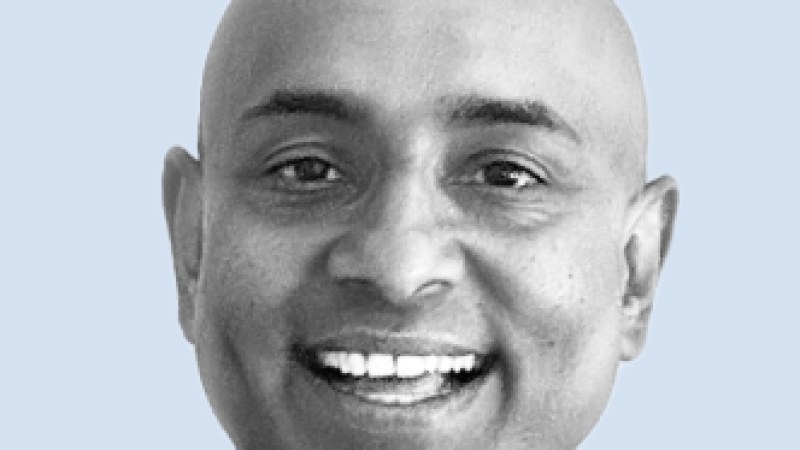
Ramu Arunachalam is a General Partner at A.Capital Ventures, the San Francisco-based VC firm known for a founder-friendly approach and a portfolio spanning Notion, Anthropic, Databricks, Coinbase, and Replit. An engineer turned product manager turned investor, Ramu brings a rare depth of technical credibility to the table - he helped build VMware's first virtual switch, shaped a16z's Cloud and Big Data thesis during his time as Partner there, and now leads A.Capital's $180M Fund V with a focus on AI and crypto-native companies.
Pankaj Gupta
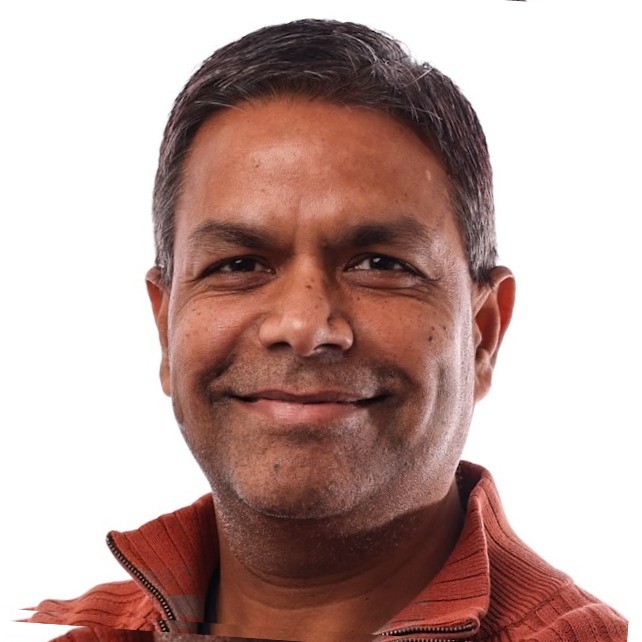
Pankaj Gupta is a serial entrepreneur and seasoned tech executive who built Twitter's early recommendation engine (Who-to-Follow, MagicRecs), led Google Pay's engineering across India and globally, scaled Coinbase's India operations from zero, and co-founded Yupp — a crypto-incentivized AI model evaluation platform that raised $33M from a16z before shutting down in March 2026. A Stanford PhD and IIT Delhi alumnus, he has founded four startups, three of which were acquired.

Stephanie Zinn
Stephanie Zinn is Editorial Partner at Andreessen Horowitz (a16z), where she leads editorial strategy and audience growth across Substack, X, YouTube, and search. With over a decade in tech editorial, she previously built editorial teams from scratch at Coinbase and GitHub - generating 15M newsletter subscribers at Coinbase and launching GitHub's influential ReadME Project. She is one of the rare operators who treats clear writing not as a nice-to-have but as a core business asset.
Katie Haun
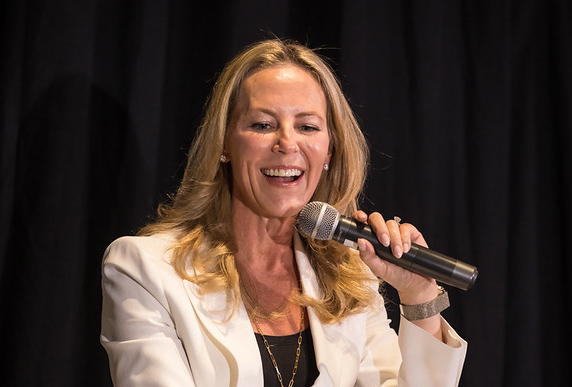
Katie Haun is the founder and CEO of Haun Ventures, a $1.5 billion crypto and frontier technology venture firm she launched in 2022 after co-leading a16z Crypto. A former federal prosecutor who created the DOJ's first cryptocurrency task force, she is one of the most credible voices at the intersection of law, policy, and digital assets - a former skeptic turned crypto believer, converted by the very Silk Road case she was assigned to prosecute.