biodiversity
(10)
Nature tech has a shopping problem. This collective is working on it.
The Nature Tech Collective helps conservation projects and corporate buyers find tools they can actually use. Its experiment began with a stubborn problem in Costa Rica: how do you fund restoration when you cannot prove what it achieves?

Terraformation Is Trying to Turn Forest Restoration Into an Investable Machine
The former Reddit CEO Yishan Wong found that planting trees was the easy part. Terraformation now packages seeds, software, training and patient capital into a bid to make native forests financeable - without flattening them into plantations.
Ido Sella Is Teaching Concrete to Grow Up
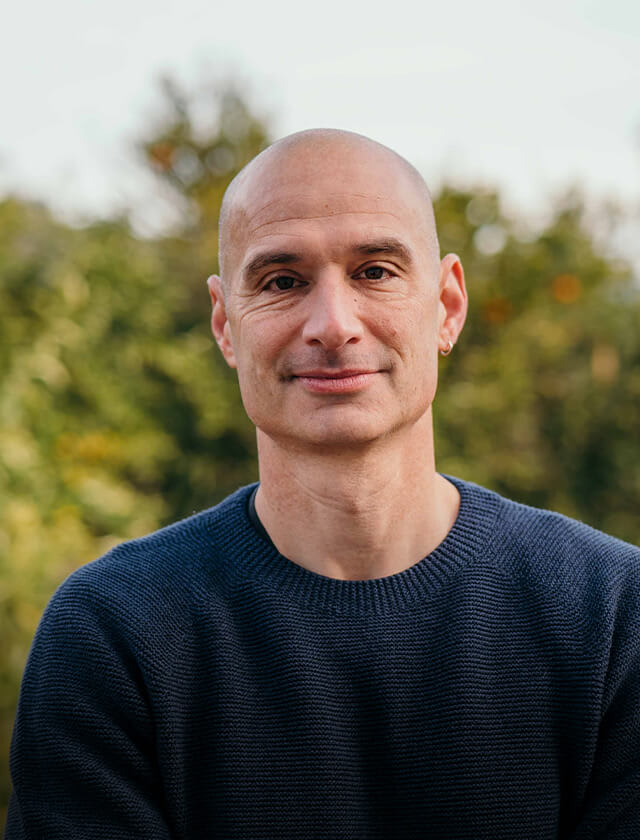
A marine biologist followed one strange patch of seawall into a new kind of infrastructure. Now Ido Sella wants every port, breakwater and cable bed to leave room for life.
The Nature Conservancy of Canada Built a $183 Million Machine for Buying Nature Time
Canada’s largest private land conservation organization turns donations, public money and negotiated land deals into permanent habitat. The clever part is not buying land - it is arranging for the care to outlast the campaign.

The Beauty Brand That Owns the Journey From Seed to Serum
Yves Rocher spent decades turning a Breton village into a beauty supply chain. Now its fields, laboratories, factories, shops and screens are being asked to prove that botanical heritage can still travel.
The Brussels Nonprofit Growing 118 Million Trees
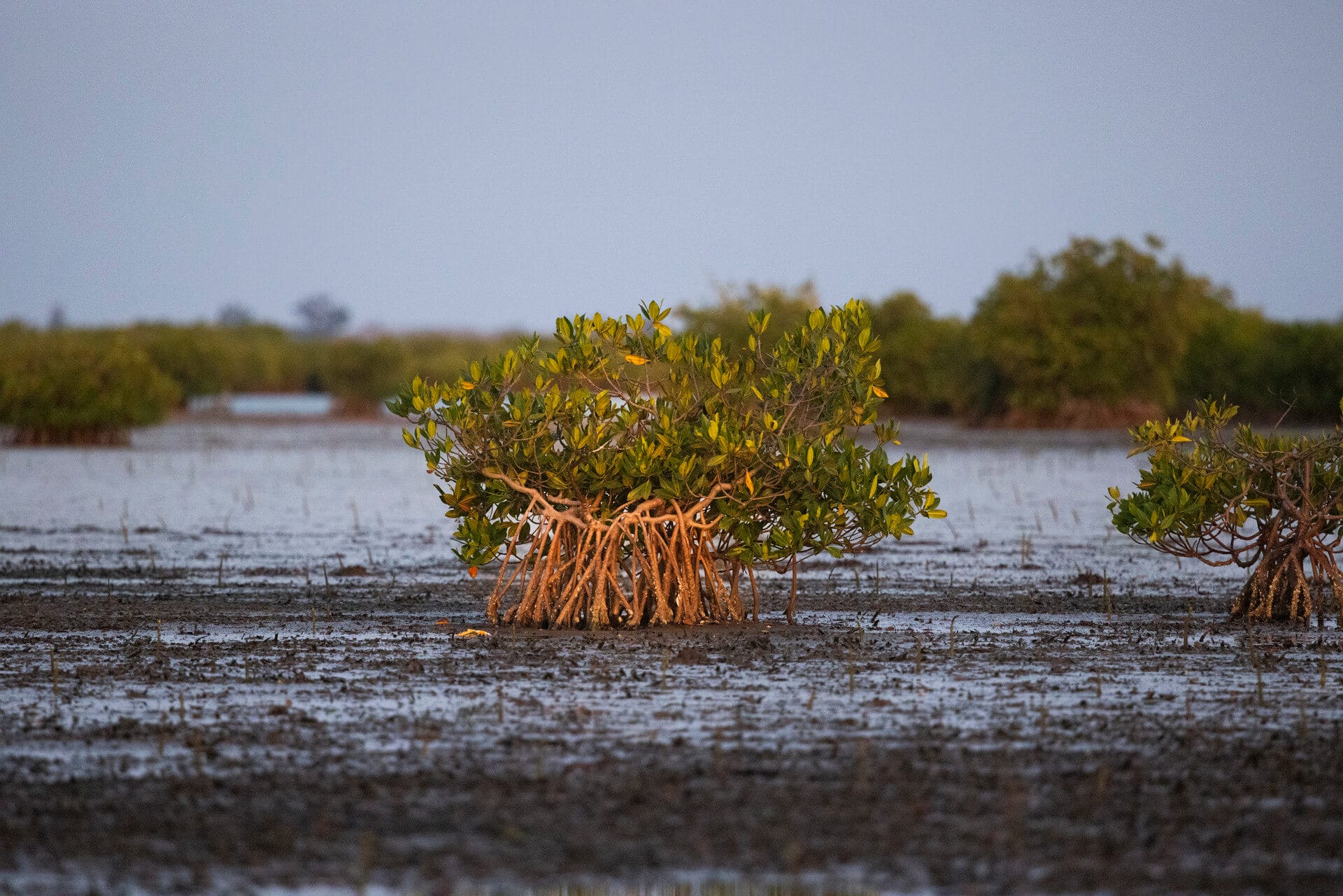
Founded in 2009 to stop global warming "in our lifetime," WeForest has restored more than 100,000 hectares across four continents — and it is quietly proving that planting trees was only ever half the job.

Fair Supply
Fair Supply is a Sydney-based ESG risk-intelligence SaaS company that maps global supply chains up to 10 tiers deep. Founded in 2019 by human rights lawyer Kimberly Randle and industrial mathematician Dr Arne Geschke, it uses a Multi-Regional Input-Output (MRIO) methodology across more than 60 billion mapped supply-chain connections to help companies and investors measure and manage modern slavery, Scope 1-3 carbon emissions, biodiversity and water-use risk. Dubbed the 'Google for ESG', it turns a supplier list and annual spend into auditable, regulation-aligned risk reports.

Colossal Biosciences
Colossal Biosciences is a Dallas-based genetic engineering company using de-extinction science - ancient DNA, CRISPR gene editing, and reproductive technology - to revive lost species like the woolly mammoth, thylacine, dodo, and dire wolf, and to apply the same tools to protecting endangered wildlife. Co-founded in 2021 by tech entrepreneur Ben Lamm and Harvard geneticist George Church, it became Texas' first decacorn with a $10.2 billion valuation and has spun out companies in computational biology and plastic degradation.

Flash Forest
Flash Forest is a Toronto-based reforestation company that uses drones, proprietary biological seed pods, aerial mapping, and machine learning to replant forests faster and cheaper than traditional hand-planting. Founded in 2019, it deploys aerial and ground-based systems to restore land degraded by wildfire and logging, and pairs planting with a forestry intelligence service that surveys and monitors forests. The company has planted more than 3 million trees and aims to reach one billion by 2028.
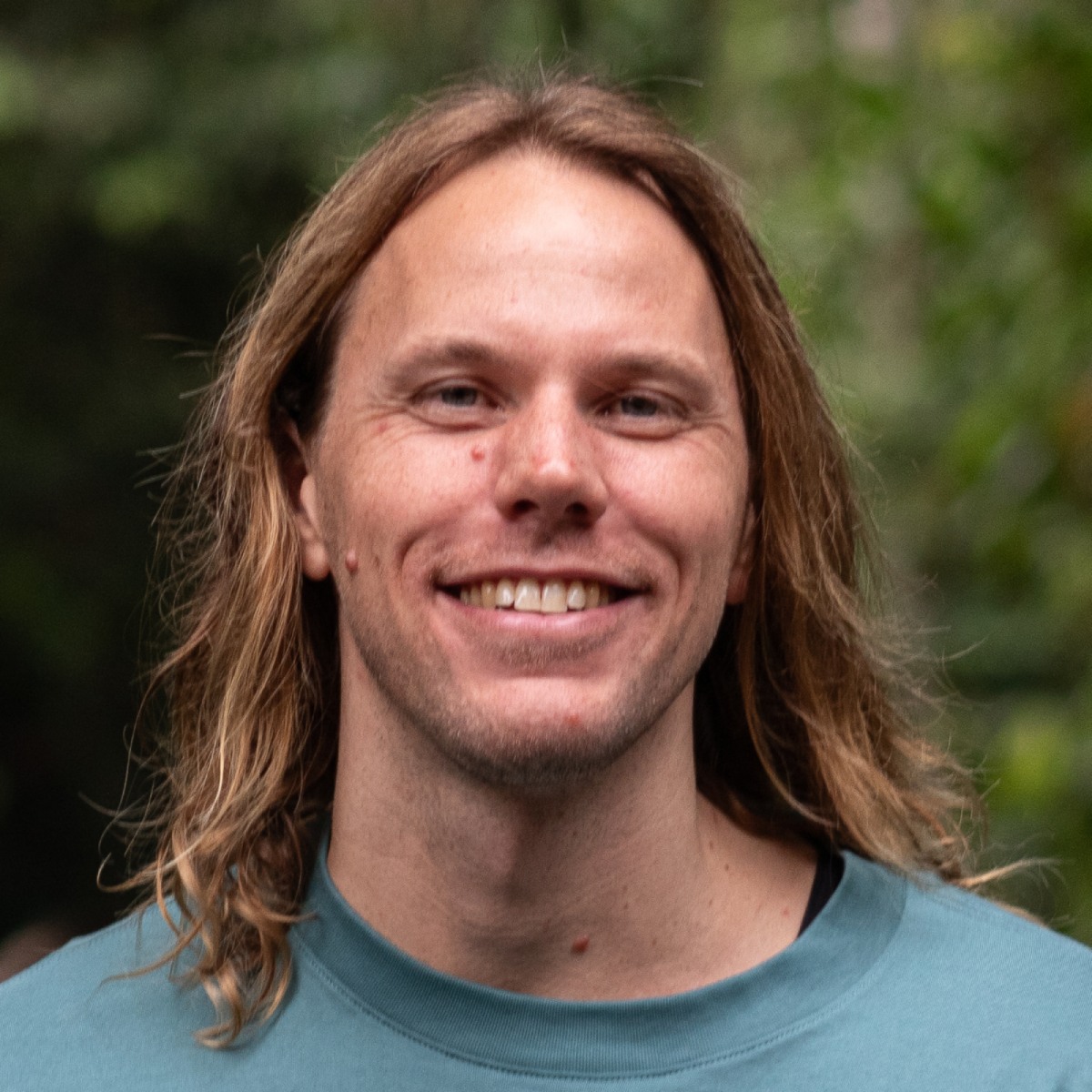
Troy Carter
Troy Carter is the CEO and Co-Founder of Earthshot Labs, a Sebastopol, California-based climate tech company that uses AI-driven ecological modeling, satellite data, and geospatial analysis to develop, finance, and verify nature-based carbon projects at planetary scale. Before founding Earthshot in 2020, Carter co-founded RIZOME, a bamboo building materials company, and was an early employee at Airbnb. Raised on St. Croix in the U.S. Virgin Islands and educated at Stanford, he brings a rare combination of entrepreneurial grit and ecological urgency to the carbon markets, with Earthshot managing 50+ client projects across more than one million hectares and directing $55M+ in project financing.