The Brussels Nonprofit Growing 118 Million Trees
Founded in 2009 to stop global warming “in our lifetime,” WeForest has restored more than 100,000 hectares across four continents — and it is quietly proving that planting trees was only ever half the job.
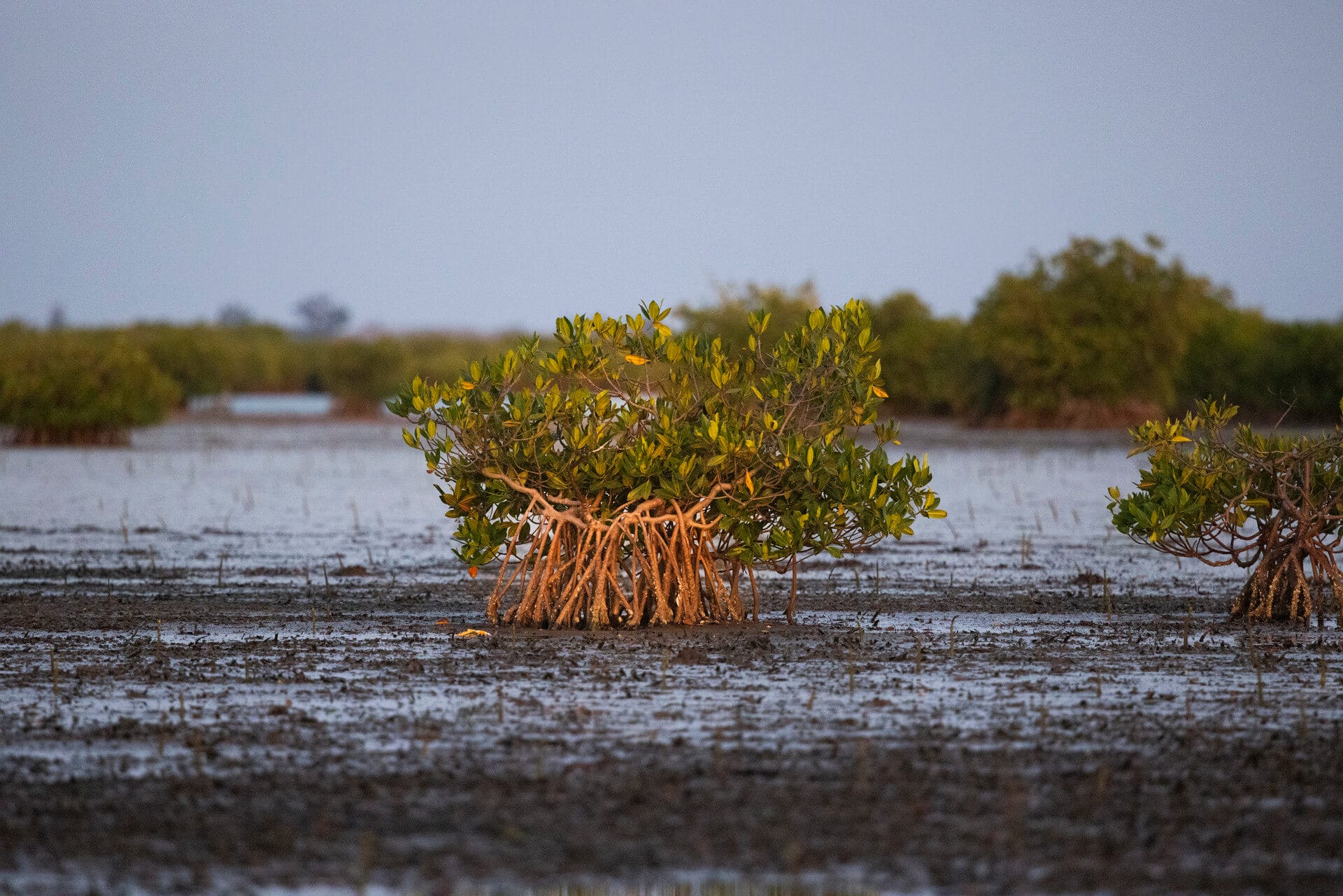
Everyone wants to plant a trillion trees. Almost nobody wants to talk about which ones are still alive a year later. That awkward second question — the one that separates a photo opportunity from a forest — is the one WeForest built its entire existence around, and it explains why a modest nonprofit run out of Brussels has quietly become one of the most credible forest-restoration outfits on the planet.
The numbers are large enough to sound like marketing: more than 118 million trees grown, over 100,000 hectares under restoration and conservation, roughly 45,000 households pulled into new income streams. But spend any time with how WeForest actually works and the trees stop being the headline. They become the byproduct of something harder and more durable — a bet that a forest is not a product you install, but a relationship you maintain.
01 / ORIGINTwo people, one deadline
WeForest began in 2009 with a sentence that reads more like a dare than a mission statement. Co-founders Bill Liao and Marie-Noelle Keijzer set out to stop global warming in their lifetime — so their children wouldn't have to. There was no polished brand, no field offices, no staff. It was an all-volunteer effort in which every early euro went straight into the ground.
Fifteen years later the shape has changed but the framing hasn't. The organization now employs more than 100 people, headquartered at Cantersteen 47 in central Brussels, with its operational heart in the field offices of Zambia and Ethiopia. The vision it repeats is almost stubbornly plain: a world where communities and nature thrive together — and forests restored for people, nature and climate, in that order.
02 / METHODRestoration is not reforestation
The word WeForest keeps correcting people on is restoration. Reforestation is planting. Restoration is patience — and it usually means not defaulting to rows of new saplings. For each landscape the organization picks the cheapest method that will actually hold: conserving intact forest, or assisted natural regeneration, which does nothing more dramatic than remove the barriers stopping wild seedlings from coming back on their own.
Where nature needs a bigger nudge, it turns to enrichment planting, direct seeding, full planting on badly degraded ground, or agroforestry that threads multipurpose trees through working farms. The logic is unglamorous and exactly right: the goal is not the largest number of seedlings in the ground this season, but the largest number of trees still standing decades from now.
How WeForest restores — matching method to landscape
03 / GEOGRAPHYWorking where forests are hardest to save
Six programs span four continents: the Eastern Afromontane Biodiversity Hotspot in East Africa, the Miombo Belt in Southern Africa, Blue Carbon and the Great Green Wall in West Africa, Wildlife Corridors in South America, and special projects worldwide. These are not easy postcodes for a forest.
In Ethiopia's Desa'a forest, roughly 74% of the tree cover had already vanished and the remaining quarter was severely degraded, with desertification pressing down from the north. Since 2016 WeForest has been restoring and protecting nearly 40,000 hectares there. In Zambia, it is regenerating native Miombo woodland — including landscapes such as the 7,100-hectare Katanino forest — by teaching farmers the economic value of the trees before asking them to keep them.
04 / PEOPLEThe community is the technology
Here is the part the sector still under-appreciates. WeForest's real innovation isn't botanical — it's social. Around every restored landscape it builds income-generating activity so that local families earn more by keeping the forest alive than by clearing it: women-led tree nurseries, beekeeping, training and equipment that turn conservation into a livelihood rather than a sacrifice.
Some 45,000 households have been drawn into these alternative-income programs. Higher and more diversified earnings, new skills, better health outcomes — WeForest treats all of it as forest-protection infrastructure. A beehive is climate technology. A woman with a thriving nursery is a monitoring system that never sleeps.
05 / ACCOUNTABILITYCounting what can't be faked
In a field routinely embarrassed by big planting numbers that quietly die within a year, WeForest's posture is almost countercultural. Every restored hectare is GPS-mapped and assigned to a sponsor. It tracks biomass growth, tree density, survival rates and species diversity alongside jobs created and income generated, using SMART indicators and partnering with universities on applied research.
It is the difference between a marketing figure and a receipt. And it is why WeForest tends to lead with survival, not with the flashiest count of seeds sown — a small choice that tells you almost everything about the organization.
06 / STAKESWhy the boring metric matters
The climate conversation loves a spectacular number. WeForest's contribution is a quieter, sturdier one: measure survival, pay the community, and wait. It's less shareable than a trillion-tree pledge and considerably more likely to still be true in twenty years.
That, in the end, is the whole argument. Trees are cheap. Forests are not. The gap between the two is filled with people — farmers, nursery owners, beekeepers, foresters — and WeForest's fifteen-year wager is that if you get the people right, the 118 million trees mostly take care of themselves. On the evidence so far, it's a bet that's paying off in something rarer than carbon: forests that are still there when nobody is watching.