One Year of War Money Could Bring Half the Planet Back to Life

Land degradation already stalks four billion people. Michel de Kemmeter's math is blunt: a single year of the world's defense budget could regenerate 10% of Earth's land — and that, he argues, is the only defense that actually works.
Featured
This month's top stories
The Brussels Nonprofit Growing 118 Million Trees
Founded in 2009 to stop global warming "in our lifetime," WeForest has restored more than 100,000 hectares across four continents — and it is quietly proving that planting trees was only ever half the job.
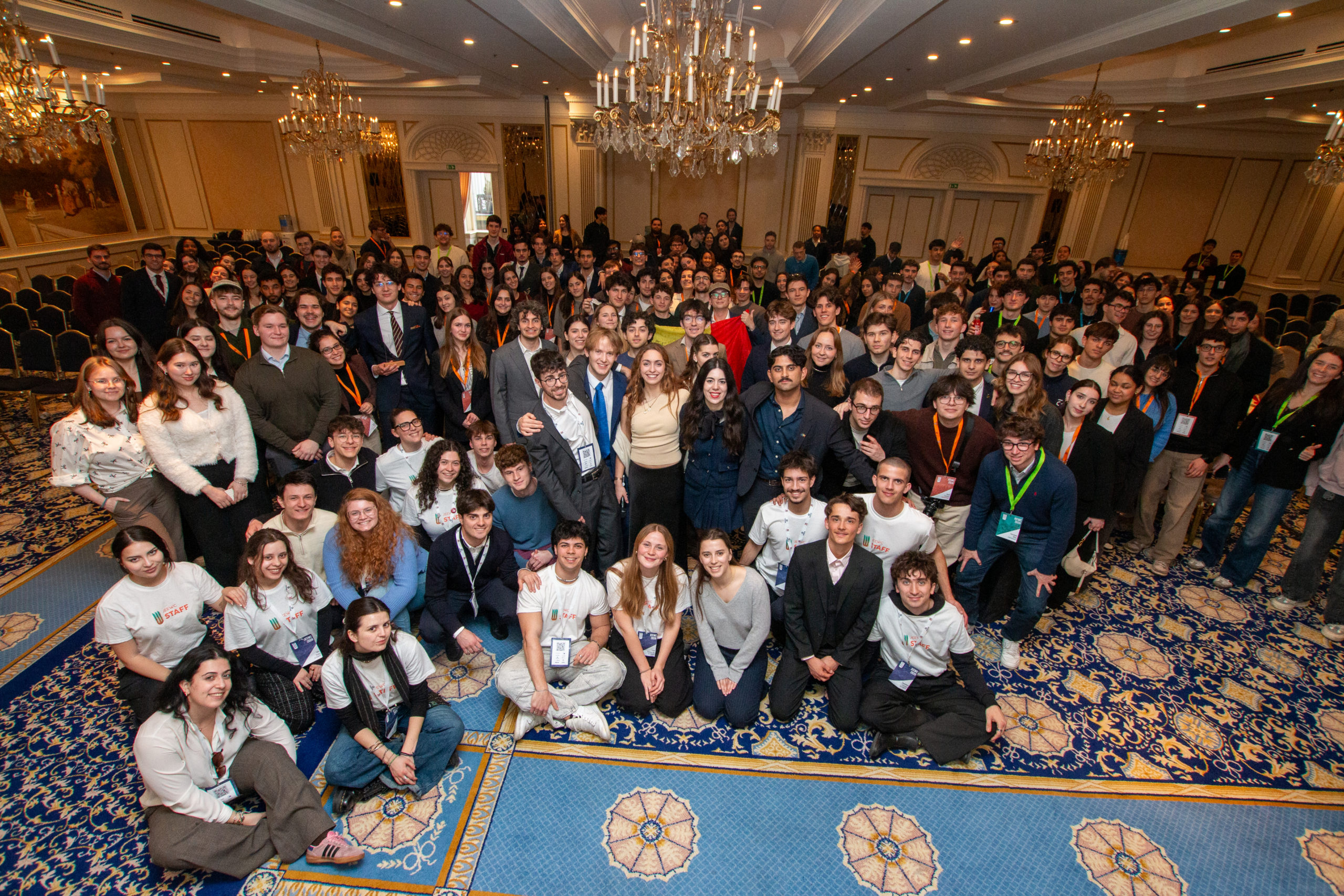
Junior Enterprises Turn Classrooms Into Client Work
Across Europe, student-run nonprofits are doing what lectures cannot: putting young people in charge of real clients, real decisions and real consequences.

unDavos Crashes the World's Most Exclusive Party
The largest independent gathering in Davos runs parallel to the World Economic Forum with 3,000 delegates, 300 speakers and a promise to trade the velvet rope for a spirit of action.
People
On the Club of Brussels team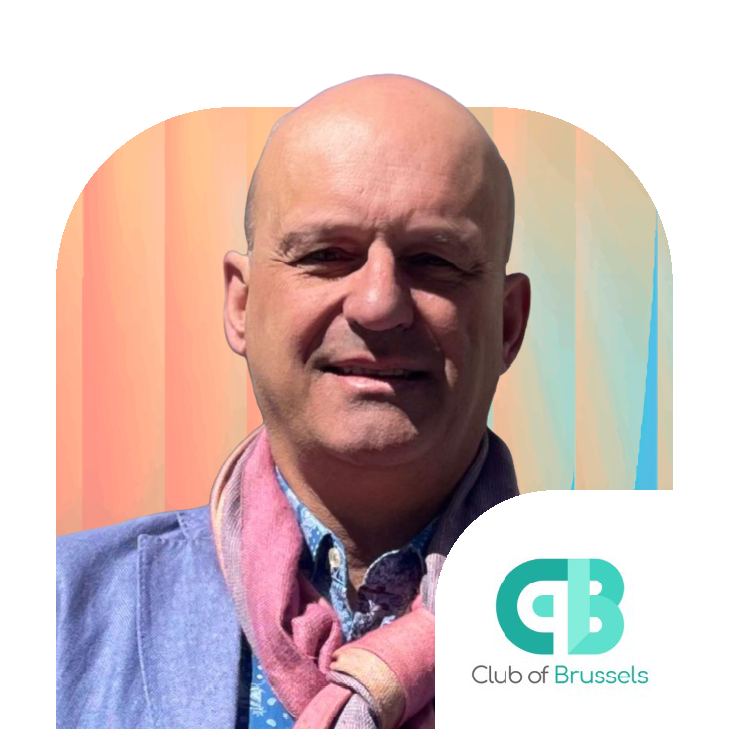
Latest
LiveCompany Facts
At a glanceUpdates
Recent updatesTimeline
Company historyMichel A. de Kemmeter establishes the Brussels nonprofit think tank, alongside the Extrapreneurs approach to cross-sector venture building.
Public posts describe the 10th edition working with 16 projects across 10 countries.
The organization runs public online sessions introducing its regenerative marketplace and currency concept.
Club of Brussels and Kairos Multisolutions host an invite-only forum at ULB with 30 announced speakers.
The organization publishes a government-transition toolbox and promotes a new founder cohort focused on Wallonia and Roubaix.
Club channels promote a wider set of speakers and collaborations around resilience, Indigenous leadership and regenerative investment.
The organization targets mid-2026 for early currency pilots and announces a resilience mastermind involving Belgian Defence.
Product History
What shipped, and whenSystemic Economy research and convening
Think-tank publications, Wise Papers, conferences and expert networks focused on systemic regenerative economics.
Extrapreneurs
An action-training and living-lab program that helps participants structure, test and advance regenerative ventures with experts, mentors and investor exposure.
Kairos Multisolutions
A catalog and marketplace presented as containing more than 350 regenerative business models and solutions for social, environmental and economic challenges.
SuperIncubators Network
A partner network intended to provide projects with mentoring, resources, relationships and routes to scale.
Regenerative Islands and GULLIVER
A network of places and organizations applying regeneration standards, with hosts sharing practical know-how and visitors contributing to projects.
Re-Government toolbox
An advisory framework for governments and territories facing interconnected challenges, emphasizing prioritization and bottom-up community action.
Kairos complementary currency
A planned exchange system and digital wallet for regenerative products and services; the organization said first pilots were expected by mid-2026 and offered a marketplace test environment.
Advisory, training and workshops
Paid or commissioned expert support for entrepreneurs, companies, communities and public authorities working on regenerative transition.
FAQs
Frequently askedWhat is Club of Brussels?
It is a Brussels-based nonprofit think tank and action network focused on systemic regenerative economics, founded in 2017.
What does Club of Brussels sell or provide?
Its public offer includes entrepreneur training, workshops, advisory services, events, research, a solutions catalog and marketplace, project-incubation networks and a complementary-currency pilot.
Who uses its programs?
Entrepreneurs, companies, governments, investors, experts, nonprofits and local communities working on economic, ecological or social transition.
What is an Extrapreneur?
Club of Brussels uses the term for a person who builds ventures through alliances across businesses, public institutions and communities rather than inside one organization.
Is Kairos already a widely used currency?
No. Club of Brussels describes Kairos as a complementary currency and marketplace system in development, with first pilots expected around mid-2026.