unDavos Crashes the World's Most Exclusive Party
The largest independent gathering in Davos runs parallel to the World Economic Forum with 3,000 delegates, 300 speakers and a promise to trade the velvet rope for a spirit of action.
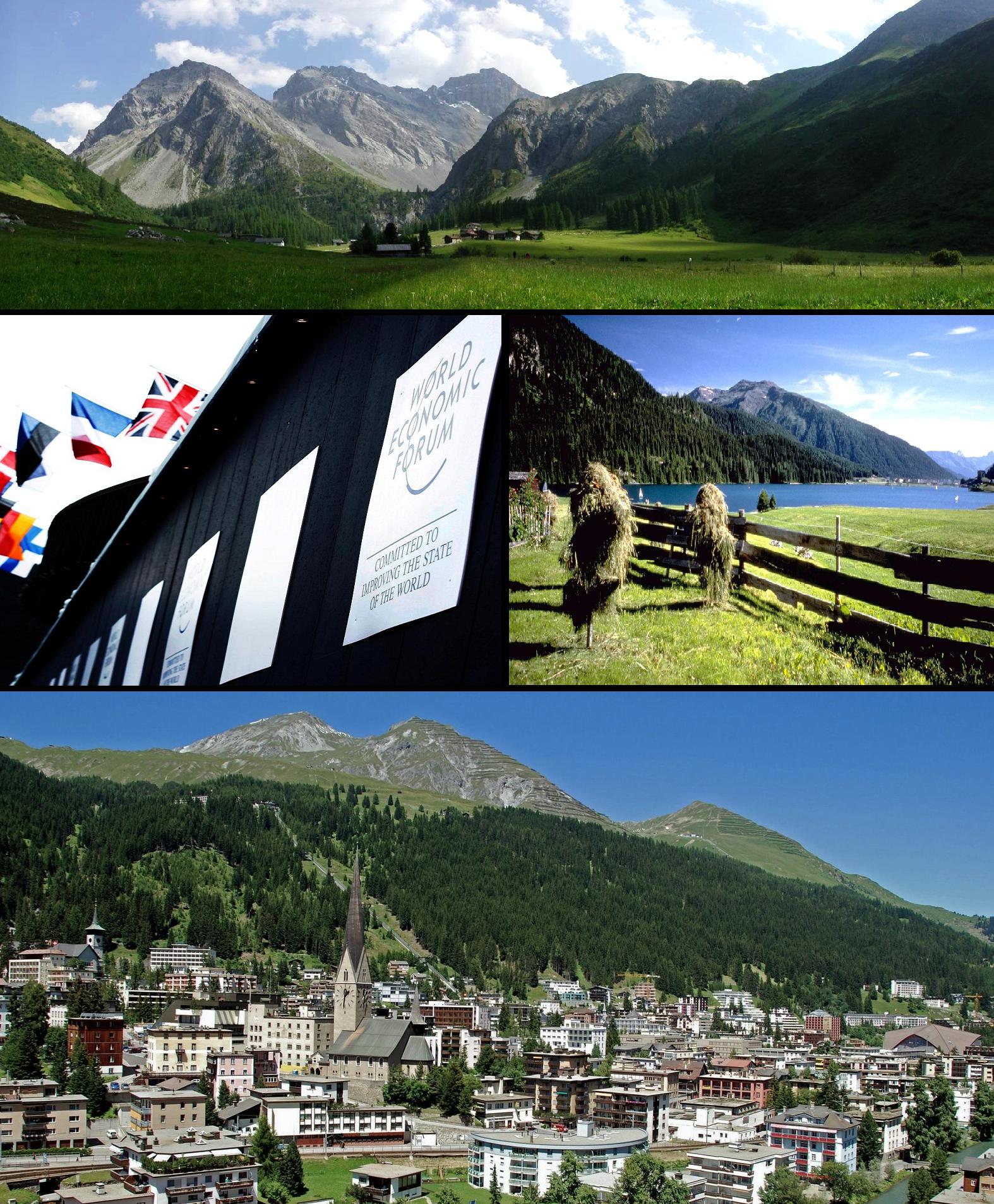
Every January, a small ski town in the Swiss Alps becomes the most exclusive room on Earth. Presidents, chief executives and central bankers helicopter into Davos for the World Economic Forum, a meeting so gated that the color of your badge is a form of currency. And every January, a few streets away, a different event sets up in the same town, the same week — and simply opens the door.
That event is called unDavos, and its pitch is disarmingly simple. It bills itself as the largest independent conference running parallel to the Forum's Annual Meeting. It is not affiliated with the WEF. It does not pretend to be. What it offers instead is the one thing the official mountain has never sold: a way in.
01The party next door
To understand unDavos you have to understand the geography of Forum week. For five days in January the town of Davos operates on two tiers. There is the badged tier — the congress center, the security cordon, the invitation-only dinners — and there is everyone else, the thousands of executives, founders, diplomats and researchers who come to Davos precisely because the powerful are all in one place, but who never get past the rope.
unDavos is built for that second tier, and it has quietly become large enough that the first tier walks over too. Many WEF members attend. The result is an ecosystem that has grown up alongside the official program without asking its permission — 70 sessions across five days, a schedule that rivals the Forum's own for sheer density of conversation.
02Three verbs, one summit
Most conferences describe themselves with nouns — themes, tracks, verticals. unDavos describes itself with verbs, three of them, and they double as an argument about what Davos week is for.
Democratize
Open resources, shared accommodations and practical guidance to break down the barriers that usually limit Davos to those with exclusive connections.
Humanize
Honest, relationship-driven interaction over transactional networking — cross-industry partnerships built to outlast the event week.
Act
Turning discussion into concrete, ongoing initiatives and real-world projects that continue after the summit ends.
It is easy to be cynical about mission statements written in verbs. But the interesting thing about unDavos is how literally it takes the first one. Democratizing access is not a panel topic here; it is the product. The organizers publish resources, arrange shared housing in a town famous for price-gouging its January visitors, and hand out the kind of insider guidance that normally travels only through personal networks.
03Who actually shows up
A summit that promises openness lives or dies on whether anyone worth meeting walks through the open door. unDavos's 2026 roster suggests plenty do. The billed speakers include Alvin Graylin of Stanford HAI and MIT, Anna Sophie Herken of Germany's GIZ development agency, AILY LABS founder Bianca Anghelina, European Innovation Council board president Michiel Schieffer, Qubitnexus.AI's Prof. Dr. Kathrin G. Kind, and Ramesh Raskar of the MIT Media Lab.
That is a guest list most invitation-only gatherings would envy, assembled by an event whose entire premise is that you should not need an invitation. It is a neat inversion of the Davos logic: the exclusivity was never what drew the interesting people; proximity to each other was. Remove the rope and the proximity remains.
04The insider who built the exit
The most telling detail about unDavos is who started it. The summit was founded by Mark Turrell — a WEF Technology Pioneer in 2008 and a Young Global Leader in 2010. He was, in other words, precisely the kind of credentialed insider the official mountain is built to reward. He had the badge. He built the open door anyway.
Fifteen editions later, that bet looks less like a protest and more like a product. What began as a side event now ranks among the top conferences in Davos during Forum week — not by storming the gate, but by building a bigger, more open room right beside it. In 2026 it fills that room with 3,000 delegates under a two-word banner that reads, pointedly, as an instruction rather than a slogan: The Spirit of Action.
Whether all that action survives the descent from the mountain is the harder question — 70 rooms of good conversation are not the same as projects that outlive the snow. But that, in the end, is the whole wager of unDavos. The Forum has spent half a century perfecting the room. unDavos is betting the future belongs to whoever leaves the door open.