omnichannel
(198)
ebebek Built a Baby Business by Letting Parents Touch the Merchandise
A Turkish parenting website became a chain of more than 300 stores by listening to what a screen could not answer. Its next test is making that formula pay abroad.
Startek’s AI Bet Still Has 50,000 People on the Line
The customer-service outsourcer’s merger with CCI Global puts more than 50,000 associates behind its AI ambitions. Its customer projects show where automation earns its keep - and why people remain in the picture.

Avensia fixes the parts of shopping you never see
Behind the storefront, the Swedish commerce specialist untangles product data, connects unruly systems and tests whether better search actually sells more. Its customer results are a lesson in execution; its own accounts show the price of selling expertise.
Botika Built a Business on the Questions That Wouldn’t Go Away
An Indonesian travel business made booking easier, but customers kept asking for a human. Botika turned those persistent conversations into software for shipping companies, public services and railway stations.

Bede Gaming and the £19 million price of flexibility
Bede set out to free gambling operators from software that was painfully hard to change. Its journey from an expensive rebuild to powering OLG and PointsBet Canada shows what that freedom takes.

itim’s big bet: your next online order is already in the shop
The retail software company wants to turn local stock and store staff into an online advantage. Its work with Majestic Wine shows the idea in action; its own accounts show what it takes to sell the change.
VTEX sells the part of shopping you never see
The Brazilian-born commerce company connects the stockrooms, sellers and systems behind the buy button. Its next test is turning that operational expertise into an AI business customers will pay for.

Flooid wants every checkout to agree
A coupon should not need a passport to travel from an app to a till. Flooid’s business is making the rules of retail work across both - and its customers show why that is harder than it sounds.
Antavo Wants to Make the Loyalty Card Feel Less Like Homework
The London scaleup powers points, tiers, prize wheels and perks for brands from KFC to Hyatt. Its real pitch is less visible: let marketers change a global loyalty program without waiting in engineering's queue.
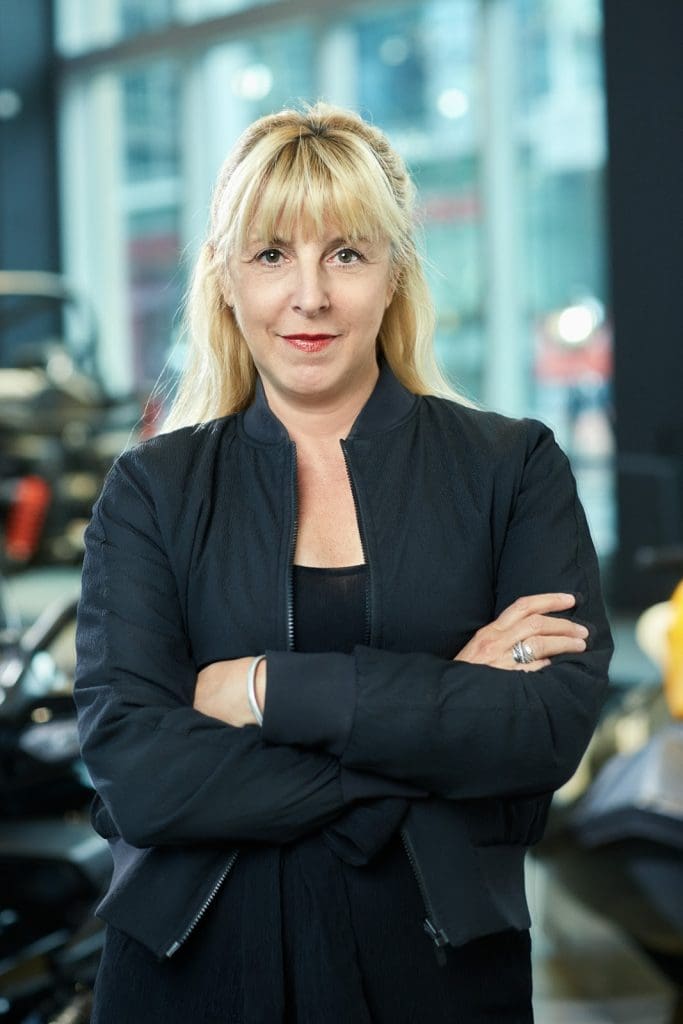
How Josée Perreault Made Adventure Easier to Enter
The BRP marketing chief has spent three decades widening the door to enthusiast brands. Her playbook is less about polishing an image than removing the reasons a newcomer stays outside.
SharkNinja Ships 25 Gadgets a Year. Here's the Machine Behind It.
How a former sewing-machine importer turned consumer complaints into a $6.4 billion gadget factory - one air fryer, robot vacuum and viral ice-cream maker at a time.

The $500 Furniture Bet That Turned "No Credit" Into a Two-Billion-Dollar Business
For 70 years Aaron's has made the same wager: that millions of Americans want a couch, a fridge or a big-screen TV today, and will pay weekly to own it - no credit score required.

The Finnish startup that reads 120 things in your selfie so beauty brands don't have to guess
It began with a founder's own unexplained skin problem. It turned into an AI advisor now embedded in roughly 120 beauty brands and retailers - and, lately, inside ChatGPT.

Jelou Wants to Run a Bank Inside Your WhatsApp Chat
In Latin America, hundreds of millions of people run their lives inside a chat window. A Guayaquil-born startup just raised $10 million to make that window verify identity, sign contracts, and approve loans - without anyone leaving the conversation.

The Quiet Company Teaching Retailers to Answer 50% of Their Customers With a Bot
Leon Chaddock spent 15 years watching contact centers drown in tweets, DMs and chat windows. Sentiment is his answer - one inbox, a low-code bot builder, and a bet that AI can handle half the queue without anyone noticing.
He Wanted Inventory to Work Like Online Banking. Now It Runs 12 Million Square Feet.
Carl Wasinger started Smart Warehousing with one computer under his desk in 2001. Two decades on, its proprietary software SWIMS quietly moves other companies' products through 30-plus warehouses - and nearly 5,000 customers depend on it.
Your Contact Center Is Quietly Asking to Be Replaced
The warning signs rarely arrive as one spectacular failure. They show up as extra tabs, stalled AI pilots, spreadsheet reporting and channels that still cannot carry a customer's context.

Your Contact Center Is Telling You to Leave
The loudest warning signs are not missing features. They are the daily workarounds that reveal a platform built for another era—and a bolt-on architecture that cannot keep up.
Cart.com Wants To Be The Operating System Behind Everything You Buy Online
Founded in 2020, the Houston company stitched together software and a warehouse network to sell brands one thing they rarely get: their orders, inventory and shipping in a single place.

Priority Software Spent 40 Years Making ERP Boring - and Built an $800 Million Company
Founded in the mainframe era, the Israeli company sells one promise to roughly 75,000 businesses in 70 countries: enterprise software people can actually change themselves. In 2024, Blackstone paid about $800 million for the pitch.

The Company That Turned the Checkout Line Into a Media Channel
Mars United Commerce spent 50 years learning how people actually shop. In 2024, Publicis paid a reported $600 million to own that knowledge.

The Menswear Brand That Ships a New Wardrobe Every Single Day
Siddharth Dungarwal turned a shut-down B2B clothing business into a menswear machine that launches around 35 designs a day - and got all five sharks to write a cheque.
How to Leave Cisco or Avaya Without Dropping a Call
A contact center migration does not need a heart-stopping cutover. This four-phase playbook moves queues, channels and business units in controlled waves while service stays live.

The Contact Center Migration Checklist Nobody Can Skip
The dangerous parts of a contact center move are rarely hidden in the new platform. They are hiding in the old one—inside forgotten integrations, inherited routing rules and promises nobody thought to write down.
The store that turned crates and barrels into a $2.5 billion habit
Two newlyweds back from a European honeymoon opened a Chicago shop that stacked its merchandise on the packing crates it arrived in. Sixty years later the crates are gone, the design studios are here, and the receipts read $2.5 billion.
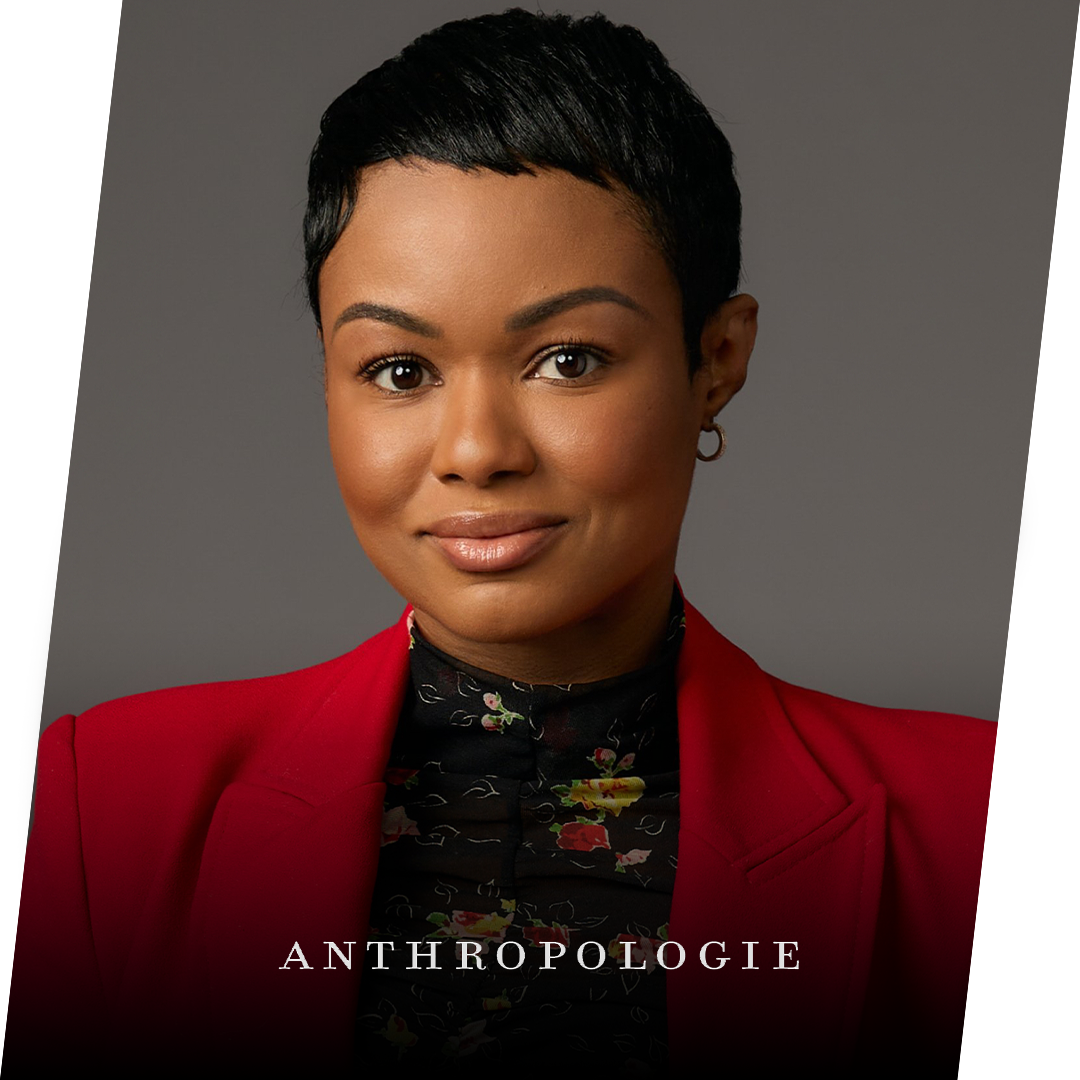
The Marketer Turning Anthropologie's Feeling Into a Formula
She spent two decades learning how brands make people feel something. Now she runs the marketing for one of retail's most feeling-driven brands - and she wants the data to prove the feeling is working.

How a Suburban Beauty Store Became the Place 46 Million People Shop
Ulta built a beauty empire by refusing to choose - drugstore mascara and prestige serums on the same shelf, a hair salon in the back, and a rewards program that now knows what nearly 47 million people put on their faces.

How a Ski Store Thrives in a City That Barely Freezes
Sun & Ski Sports started as a Midwest ski warehouse, moved to Houston in 1980, and built a four-decade business on one bet: the customer buying a snowboard in December wants a paddleboard in June.

Perion Network
The Israeli adtech company spent a decade buying its way across every screen. Now, after Microsoft pulled the rug on its search business, Perion is betting the whole company on one AI platform - and on the screens Google can't own.

Mediaocean
It is the least famous company handling a quarter of the world's ad money. Mediaocean is the operating system agencies and brands use to plan, buy, serve and pay for advertising - and after buying Innovid, it wants to own every step in between.