subscriptions
(22)
Brian Tate knew when to leave the table
After twelve years in professional poker, Brian Tate put his own money into a breakfast he kept making at home. Oats Overnight grew around a habit he had learned with cards: make a decision, study the response, and adjust.
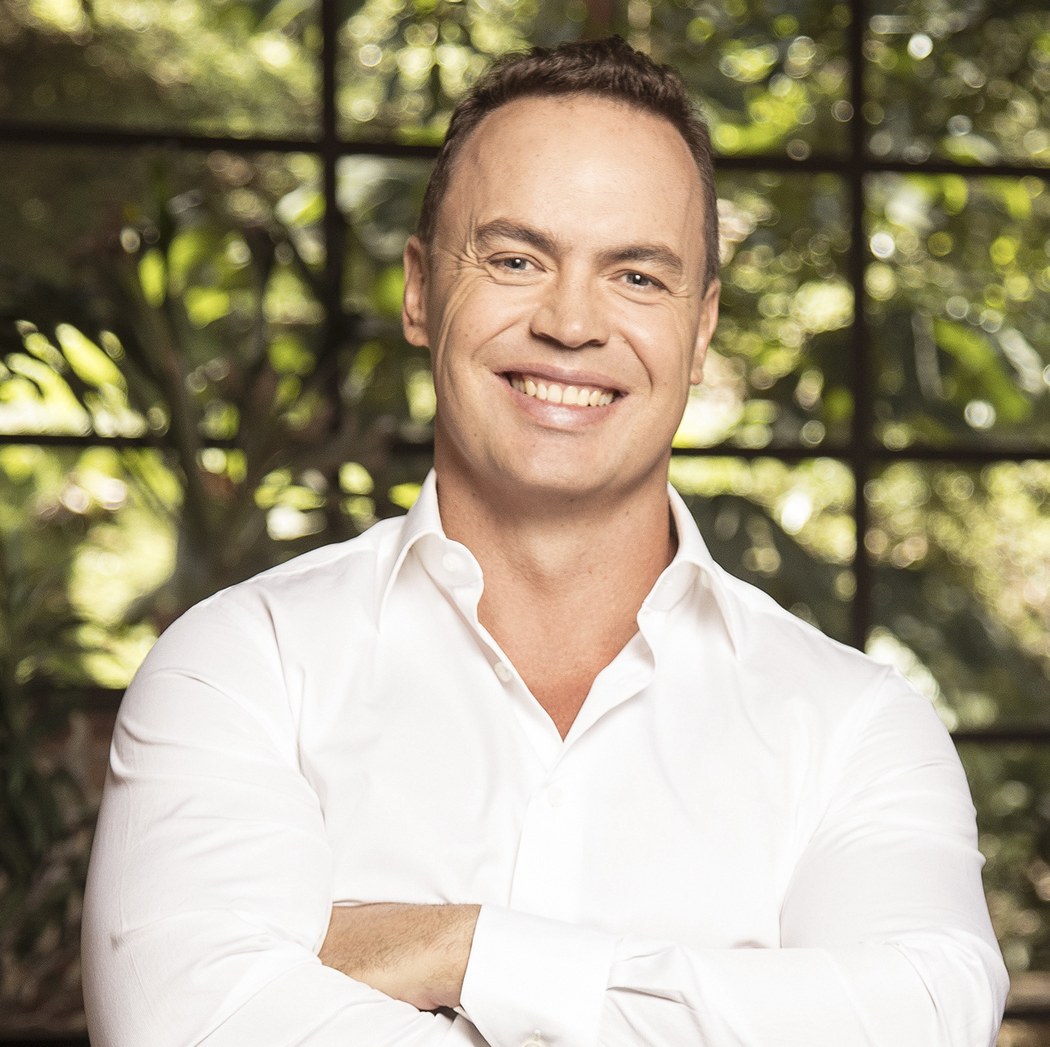
Chris Ashenden and the business of coming back
Before AG1 raised $115 million, Chris Ashenden spent a decade building it around repeat customers. His story also carries an earlier property business, a court judgment, and a public argument for taking responsibility.

Nutrafol Turned the Wait for Hair Into a Business
Hair grows slowly. Nutrafol built a company around that inconvenient fact, pairing life-stage supplements with clinical research, professional referrals and a reason to keep showing up.
Veracity found its next business in a bottle
Veracity began by asking what hormones could reveal about skin. A metabolic supplement changed the answer - and the direction of the company.

Magic Spoon made childhood cereal grow up
Before they sold cereal, the founders sold cricket protein. Their next bet was easier to swallow: keep the breakfast people loved, change the ingredients, and charge for the difference.
SHOPLINE sells the shop behind the shop
A storefront gets the applause. SHOPLINE wants the inventory, payments and repeat orders to work together - and its best sales pitch is the work a merchant can stop doing.
The Bloomberg of Travel Was Built From a Startup's Ashes
Rafat Ali sold his first media company to The Guardian, then started over with a Nordic word for 'shift.' Skift now tells airlines, hotels, and tourism boards what's coming next - and charges them for the privilege.

Manukora Turned a Spoonful of Honey Into a Daily Wellness Ritual
A New Zealand founder, a blind master beekeeper and a scannable jar built a premium food brand around one unusually potent spoonful. Now Manukora is stretching mānuka honey from pantry staple into wellness platform.
The Blinking Box in Your Closet Is Quietly Becoming a Software Company
NETGEAR has spent 30 years making the box that blinks in your closet. Now it is trying to turn that hardware into recurring revenue - and in 2025, for the first time in five years, the bet moved the numbers.

Scentsy, Inc. (Corporate Office)
The Idaho company turned a flameless wax warmer into a global direct-selling system. Now its real product is not just scent, but an assisted way to choose it.

Patreon
The company that turned the 'starving artist' into a subscription business - and quietly paid creators more than $10 billion while the rest of the internet fought over ad money.

YouArt
YouArt is a Y Combinator-backed (Spring 2026 / P26) platform that lets AI storytellers create original films and series with an AI video agent, raise money directly from early fans, and earn recurring revenue through subscriptions and private branded pages. Founders describe it as 'Patreon for AI Originals.' The company reported passing $120K in monthly revenue within five months of launch and roughly 145K monthly visitors, driven largely by organic demand from AI creators and studios.

Ghost
Ghost is an open-source publishing platform that lets writers, journalists and creators run a website, send email newsletters and sell paid memberships from one place. Built on Node.js and released under the MIT license, it is stewarded by the nonprofit Ghost Foundation and funded entirely by its users through Ghost(Pro) managed hosting - taking 0% of creators' subscription revenue.
Whop
Whop is a New York-based social commerce platform and marketplace where creators, influencers, and small businesses sell digital products, memberships, online courses, software, and access to private communities. Founded in 2021 by three friends who grew up building sneaker bots, Whop bundles storefront building, payments, community tools, and marketplace discovery into one no-code product. By early 2026 it had processed billions in cumulative sales, powered tens of thousands of sellers, and raised a $200M investment from Tether at a $1.6 billion valuation.

Stripe
Stripe is a financial infrastructure company that lets businesses accept payments and run their money operations through a set of developer-friendly APIs. Founded in 2010 by Irish brothers Patrick and John Collison, it powers everything from indie side projects to Fortune 500 checkouts, processing more than $1.9 trillion in payments in 2025. Beyond core card processing, Stripe offers billing, fraud protection, business incorporation, card issuing, tax automation, and banking-as-a-service, positioning itself as the economic layer of the internet.

Hubla
Hubla is a Brazilian creator-economy platform that lets creators sell and manage digital products - online courses, memberships, mentorships, e-books and paid WhatsApp/Telegram communities - through an all-in-one checkout, payments and member-management system. Founded in 2020 as ChatPay and rebranded to Hubla in late 2021, the São Paulo company processes payments (PIX, card, boleto) and takes a fee on each sale. Backed by Kaszek and Y Combinator, it has grown into one of the country's larger 'Shopify for creators' players and is now leaning into AI sales agents.
Rebill
Rebill is a Latin America-focused payments infrastructure company that lets global and digital businesses collect payins, send payouts, and run subscriptions across the region through a single API. With over 100 local payment methods, multi-currency settlement, smart retries that recover failed charges, and a developer-first SDK, Rebill helps companies get paid 'like a local' in markets like Argentina, Brazil, Chile, Colombia, Mexico, Peru, and Uruguay without opening local entities.

Maestro
Maestro is a Los Angeles-based interactive video and live streaming platform that lets brands, creators, and rights holders build their own direct-to-consumer streaming destinations. Instead of renting an audience on someone else's platform, Maestro customers own the experience end to end - custom branded sites, interactive overlays (chat, polls, tip jars), and built-in monetization through ticketing, subscriptions, live shopping, and tips, while keeping their data and most of their revenue. Founded in 2015 by Ari Evans, the company powers streams for names like Billie Eilish, the Grammys, Coachella, Fortnite/Epic Games, and Microsoft.
Jacob Cohen Donnelly
Jacob Cohen Donnelly is the founder of A Media Operator, a subscription publication, podcast, and conference for the people who run digital media companies. He started it in August 2019 as a weekend Substack while holding down full-time roles at CoinDesk and then Morning Brew, where he became Publisher. In 2024 he went all-in, rebuilt AMO into a five-person media business doing roughly $1 million in revenue, and turned the annual AMO Summit into the room media executives consider essential to be inside.

Twitch
Twitch is the world's largest live-streaming platform, where creators broadcast video games, IRL content, music, and talk shows to a real-time audience that talks back in chat. Founded as a gaming-focused spin-off of Justin.tv in 2011 and acquired by Amazon in 2014, Twitch turned watching someone play a game into a social, participatory medium, building a creator economy powered by subscriptions, Bits, ads, and a culture of emotes and live community.
Adrienne Hayes
Adrienne Hayes is VP Marketing, Global Subscriptions & Customer Growth at Google, where she shapes how hundreds of millions of people discover and stay connected to Google's services. A veteran of Motorola, Edelman, and now more than a decade at Google, she is one of the few senior marketing executives in tech who has directly championed camera equity — helping drive the Real Tone initiative for Pixel 6 — while also serving on GLAAD's board and sponsoring Google's LGBTQ+ employee group globally.
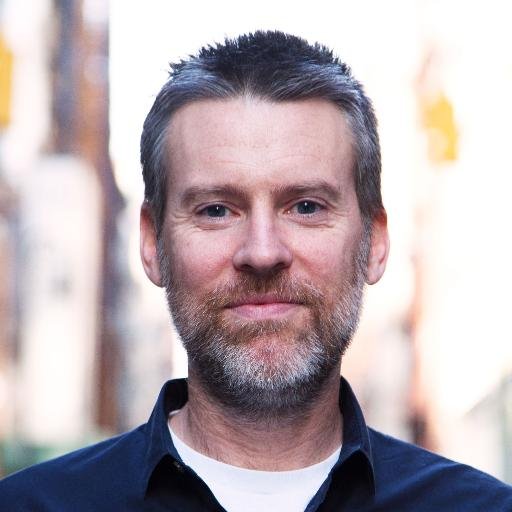
Brian Morrissey
Brian Morrissey is the founder and editor of The Rebooting, a 92,000+ subscriber newsletter and podcast business dissecting the economics of modern media. After a decade shaping Digiday into the defining trade publication of digital media, he walked away in 2020 to build something leaner and smarter - a one-person editorial operation that doubles as a lab for sustainable media models. He also co-hosts People vs Algorithms with Troy Young and Alex Schleifer.