geothermal
(23)
Kathy Hannun Went Looking for a Moonshot. She Found It Under the Lawn.
The founder of Dandelion Energy has spent nearly a decade making an old technology behave like a modern product. Her bet is that the next household energy revolution begins with a narrow hole, a loop of pipe and the steady temperature of the earth.

Ikon Science wants to make every rock tell a better story
RokDoc made Ikon Science a specialist in reading the subsurface. With Curate and a widening software portfolio, it is taking on the work of making that knowledge usable across an energy business.
PETEX wants the whole oilfield in the equation
A well can improve while the field around it suffers. PETEX built its software business around that awkward fact, connecting reservoirs, wells and pipelines so engineers can see what their decisions really do.
ignis H2 Energy Inc.
ignis H2 Energy is a Houston-based geothermal exploration and development company that applies oil-and-gas subsurface expertise, AI/ML prospecting and a technology-agnostic approach to find, prove and produce always-on geothermal power. Founded in 2021 by former Goldman Sachs banker Richard Calleri, the company is building a globally diversified, risk-balanced portfolio of geothermal projects across Turkey, the Western U.S. and Alaska, aiming for one gigawatt of documented producible reserves by 2030. It closed a $13.6M Series A round in June 2025.
Mazama Energy
Mazama Energy is a Frisco, Texas geothermal developer building Enhanced Geothermal Systems that tap superhot rock (SHR) - underground formations above 374 C - to deliver low-cost, round-the-clock, carbon-free electricity. Incubated by Khosla Ventures and backed by Gates Frontier, the company reached a world-record 629 F (331 C) bottomhole temperature at its Newberry Volcano pilot in Oregon and aims to produce power at under 5 cents per kWh, with 10x the power density, 75% less water, and 80% fewer wells than conventional geothermal.

AirMyne
AirMyne is a Berkeley, California climate-tech company building liquid-based direct air capture (DAC) systems that pull carbon dioxide out of the atmosphere at industrial scale. Founded in 2022 by chemical-industry veterans Sudip Mukhopadhyay and Mark Cyffka, the company designs a low-temperature, energy-flexible capture process - regenerating its solvent at roughly 100-130 C so it can run on waste heat, geothermal energy, or electricity rather than the high-temperature furnaces most DAC rivals require. Backed by Y Combinator and, more recently, a strategic investment from Japanese energy giant ENEOS, AirMyne is moving from kilogram-per-day prototypes toward a commercial pilot and demonstration plant.

Carlos Araque
Carlos Araque is the co-founder, president and CEO of Quaise Energy, a Houston- and Cambridge-based startup trying to drill the deepest holes in human history to tap superhot geothermal heat. A Medellin-born mechanical engineer with two MIT degrees, he spent 15 years at oilfield-services giant Schlumberger, then ran technology at MIT's venture platform The Engine, where he met the plasma physicist whose millimeter-wave drilling idea became Quaise. His pitch: vaporize rock instead of grinding it, reach depths where water turns supercritical, and use the resulting heat to run the same turbines and power plants fossil fuels use today.
ResFrac Corporation
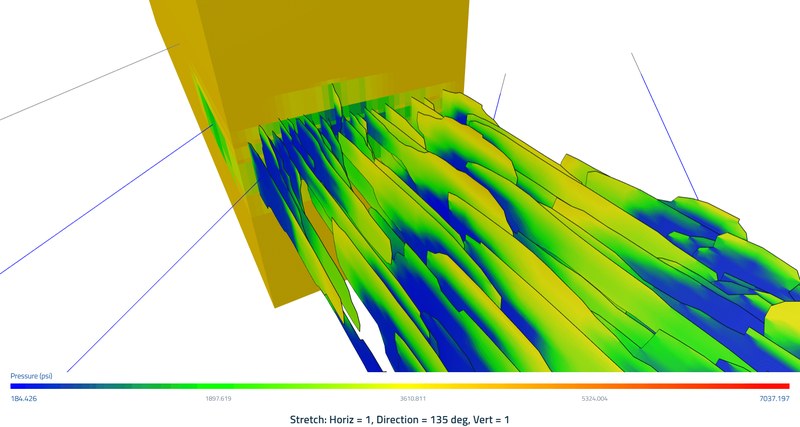
ResFrac Corporation builds the industry's only fully coupled hydraulic fracturing and reservoir simulator, letting energy engineers model the full life of a well - from the first crack in the rock to years of production - in one continuous physics-based simulation. Founded in 2015 by Stanford-trained engineer Mark McClure, the Palo Alto company is used by over 35 operators and 50 institutions worldwide across shale, conventional and enhanced geothermal plays.
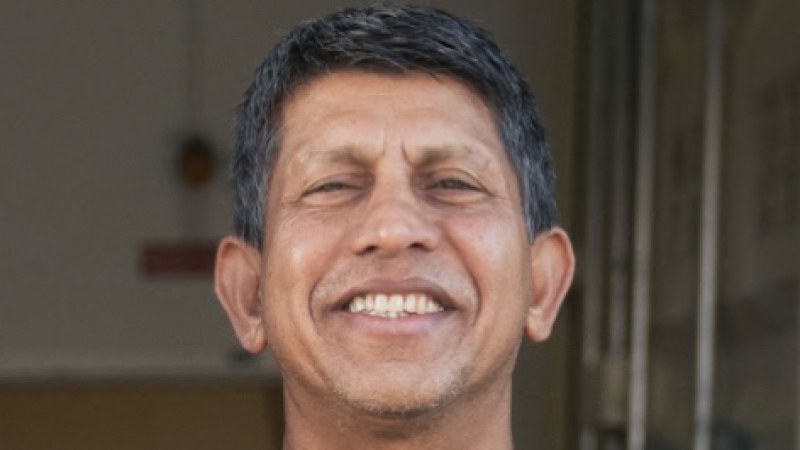
Sudip Mukhopadhyay
Sudip Mukhopadhyay is the CEO and co-founder of AirMyne, a Berkeley-based climate-tech company building liquid-solvent Direct Air Capture (DAC) machines that pull carbon dioxide straight out of the sky. A chemist and engineer with more than two decades in industrial R&D, he co-invented the low-global-warming car refrigerant 1234yf during a 16-year run at Honeywell, where he rose from engineer to corporate fellow and director of innovation. He launched AirMyne in 2022 with co-founder Mark Cyffka through Y Combinator, raising $6.9M in seed funding and a strategic investment from Japanese energy giant ENEOS, with the bet that cheap low-temperature heat (including geothermal) can make carbon removal affordable at industrial scale.

Bedrock Energy
Bedrock Energy is an Austin-based geothermal startup making heating and cooling for commercial buildings cheaper and cleaner. By reengineering oil-and-gas drilling technology with real-time subsurface sensing and simulation software, Bedrock drills geothermal boreholes up to 5x faster, then designs and delivers ground-source heat pump systems that can cut a building's HVAC energy costs in half while slashing related air pollution.

Dandelion Energy
Dandelion Energy is an Alphabet (Google X) spinout that designs, installs, and finances residential and multifamily geothermal heating and cooling systems. By drilling ground loops that tap the earth's stable temperature and pairing them with a proprietary heat pump, Dandelion replaces fossil-fuel furnaces and air conditioners with a single all-electric system that cuts home heating and cooling bills while eliminating on-site emissions. The company has grown into the largest home geothermal provider in the U.S., installing thousands of systems and partnering with the nation's largest production homebuilders and multifamily developers to make geothermal a default option for new construction.
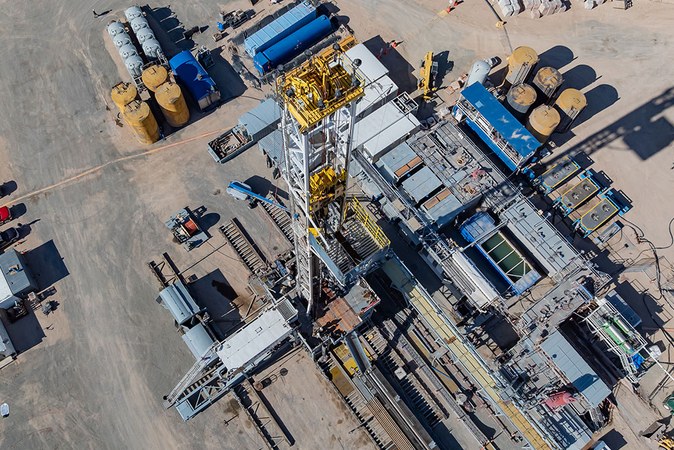
Fervo Energy
Fervo Energy is a Houston-based next-generation geothermal company that borrows horizontal drilling and fiber-optic sensing from the oil and gas playbook to make enhanced geothermal systems (EGS) commercially viable. By drilling into hot dry rock almost anywhere - not just rare natural hotspots - Fervo produces around-the-clock, carbon-free firm power. Its flagship Cape Station project in Utah is on track to be the world's largest next-generation geothermal development, and the company has become a go-to supplier of clean baseload electricity for AI data centers and utilities.

HyperSciences, Inc.
HyperSciences is a Spokane, Washington deep-tech company that commercializes the ram accelerator - an in-tube hypersonic engine licensed from the University of Washington - to fire projectiles through rock at up to nine times the speed of sound. Its platform technology, the HyperCore, powers products for tunneling and mining (HyperDrill, Hyperbreaker), geothermal and energy drilling, and aerospace launch (HyperLaunch). The pitch: break rock and reach orbit faster and cheaper by replacing slow mechanical drill bits and first-stage rockets with repeatable hypervelocity impact.

Carl Hoiland
Carl Hoiland is the co-founder and CEO of Zanskar, the Salt Lake City company using AI foundation models to find hidden geothermal reservoirs across the American West. A Stanford-trained exploration geologist whose grandfather prospected for uranium and gold, Hoiland built Zanskar on a contrarian bet: that the United States has overlooked geothermal potential by an order of magnitude, possibly a full terawatt of clean baseload power waiting underground with no hot springs or geysers to mark it. In 2025 his team confirmed 'Big Blind,' the first commercially viable blind geothermal system discovered by industry in over 30 years, and in January 2026 Zanskar raised a $115 million Series C to start building power plants.
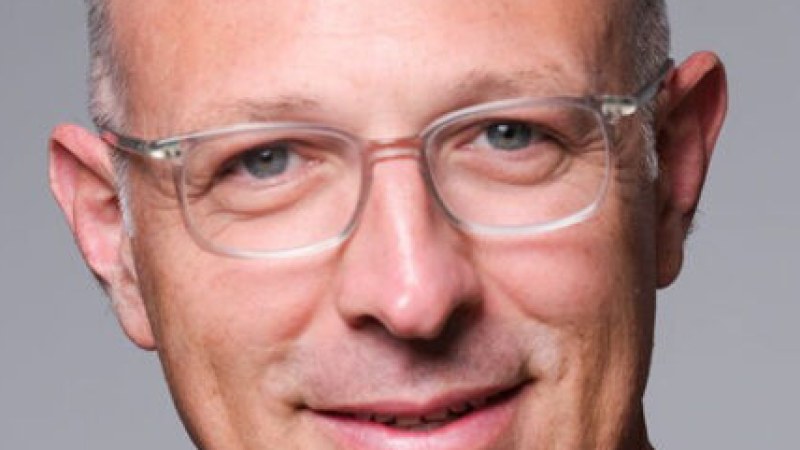
Dan Yates
Dan Yates is the CEO and Chairman of Dandelion Energy, the largest residential geothermal company in the United States, a startup spun out of Google X that drills backyard boreholes to heat and cool homes with the steady temperature of the earth. Before geothermal, he co-founded Opower, the energy-efficiency software company he took public in a billion-dollar-plus 2014 IPO and sold to Oracle in 2016. A Harvard computer scientist turned climate operator, Yates describes his own superpower as being 'a terrible loser' and is doggedly betting that 'lukewarm' geothermal becomes a mainstream pillar of the clean-energy transition.
Joselyn Lai
Joselyn Lai is the co-founder and CEO of Bedrock Energy, an Austin-based climate-tech company drilling deep, autonomous geothermal wells to heat and cool large commercial buildings for a fraction of conventional cost and land. After a decade across sustainable agriculture, transportation, and consulting, she paired up with oil-and-gas drilling scientist Silviu Livescu to repurpose upstream drilling techniques for the half-kilometer of free thermal energy sitting beneath every building. In January 2025 the company raised a $12M Series A led by Titanium Ventures to scale projects across Texas and the Mountain West.
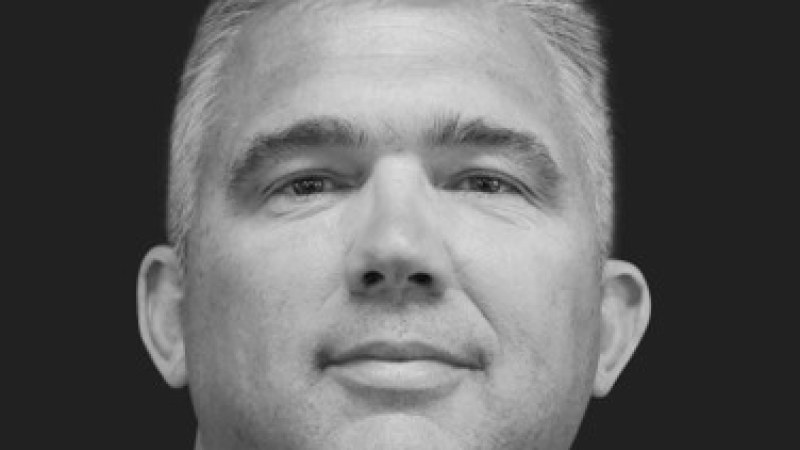
Mark Russell
Mark Russell is the founder and CEO of HyperSciences, a Spokane, Washington company turning a piece of aerospace exotica - the ram accelerator - into a tool that drills through rock up to ten times faster than a conventional rig. A former Blue Origin lead engineer on the crew capsule and a self-described third-generation miner, Russell fires projectiles at hypersonic speed every few seconds to crack rock for geothermal energy, mining and tunneling, and to lob payloads toward space through his sister venture Pipeline2Space. He raised roughly $9.6 million from thousands of small investors and won early backing from NASA and Shell.
Zanskar
Zanskar is a Salt Lake City geothermal company that uses artificial intelligence and computational geoscience to find, de-risk, and develop naturally occurring geothermal energy. By applying machine learning to vast troves of geological data, Zanskar pinpoints 'blind' hydrothermal reservoirs that leave no clue at the surface, cutting the exploration risk that has long kept geothermal expensive. The company is now moving from discovery to building its own power plants, with a multi-gigawatt pipeline aimed at making 24/7 carbon-free power cost-competitive.
Quaise Energy
Quaise Energy is an MIT spinout commercializing millimeter wave drilling, a technique that uses powerful gyrotrons to vaporize rock and bore holes up to 20 km deep - far deeper than conventional bits can reach. The goal is to tap superhot geothermal heat (up to ~500 C) almost anywhere on Earth, turning geothermal into a scalable, carbon-free baseload power source that can be delivered through existing power plant infrastructure.

Terra AI
Terra AI is a Palo Alto geoscience company building generative AI that turns the messy, expensive guesswork of subsurface exploration into fast, probabilistic 3D models of what lies underground. By fusing geophysics, geochemistry, and drilling data, its platform generates millions of geological scenarios in minutes, helping mining and energy teams decide where to drill, how many wells they need, and whether a project is worth the capital - shrinking exploration timelines and pointing capital at the critical minerals the clean-energy transition depends on.
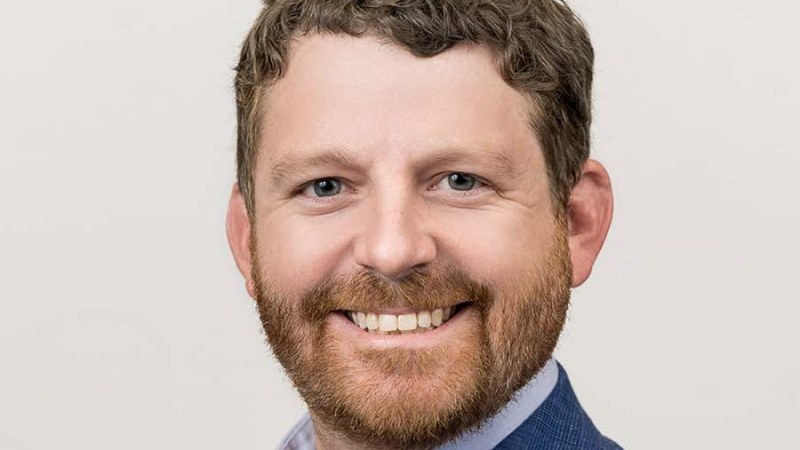
Tim Latimer
Tim Latimer is the co-founder and CEO of Fervo Energy, the company that took horizontal drilling and fiber optic sensing out of the shale fields and pointed them straight down into hot rock. A former oil-and-gas drilling engineer who grew up next to the last coal plant built in America, he left the industry, talked his way into Stanford, met a geothermal PhD named Jack Norbeck, and bet that geothermal could become 24/7 carbon-free power at utility scale. Fervo has since raised over a billion dollars, broken drilling records once thought decades away, signed Google as a customer, and gone public on the Nasdaq in 2026 while building Cape Station, the world's largest next-generation geothermal project.
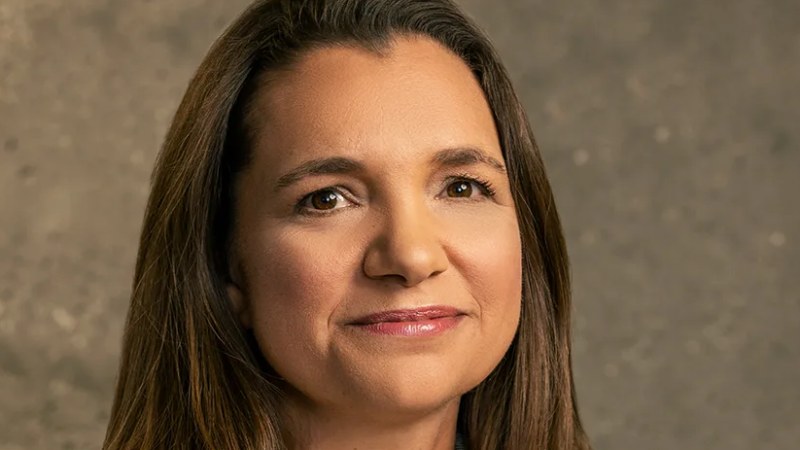
Milo Werner
Milo Werner is a General Partner at DCVC leading the firm's climate investments, bringing a rare combination of deep operational experience - nearly a decade at Tesla launching the Model S, Model X, and dual-motor powertrain - and a track record of venture investing at Khosla Ventures, Ajax Strategies, and MIT's The Engine. She founded The NextGen Industry Group, a nonprofit helping ~140 companies navigate the treacherous 'missing middle' between pilot production and commercial scale. At DCVC, she focuses on breakthrough deep tech ventures that decarbonize high-emitting industries and transform value chains.
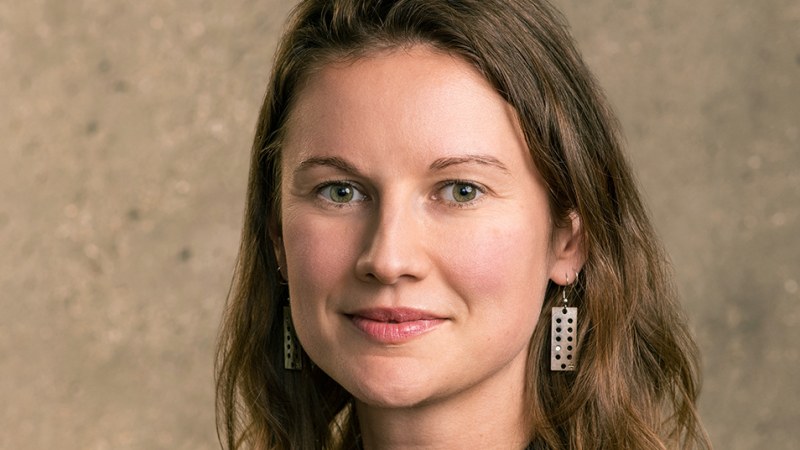
Rachel Slaybaugh
Rachel Slaybaugh is a General Partner at DCVC, the deep tech venture firm, where she leads climate, sustainability, and energy investments. A nuclear engineer by training - she once operated a reactor as an undergrad at Penn State - she spent eight years as a tenured Associate Professor at UC Berkeley, ran the Cyclotron Road accelerator division at Lawrence Berkeley National Laboratory, and served as a Program Director at the U.S. Department of Energy's ARPA-E, where she created the nuclear fission program and helped fund over 30 companies. She co-founded the Good Energy Collective and the Nuclear Innovation Bootcamp, and now backs companies like Fervo Energy, Brimstone, Radiant Industries, Zap Energy, Fourth Power, and Equilibrium Energy at DCVC.