biochar
(10)
Carba
Carba is a Minneapolis-area climate-tech company that turns low-value waste biomass - dead trees, yard waste, and other biogenic scraps - into a stable, charcoal-like material called biocarbon (biochar). Using a patent-pending autothermal pyrolysis reactor and an anoxic (oxygen-starved) burial method, Carba locks carbon away for a certified 1,000+ years, most notably inside existing landfills where the material can also filter pollutants. The company sells the resulting permanent carbon-removal credits - including a five-year, 44,000-tonne deal with Microsoft - and aims to remove a billion tons of CO2 by 2035.

Terraton
Terraton is a San Francisco climate-tech company that turns agricultural waste into biochar - a stable, carbon-rich material that locks away CO2 for centuries. It packages financing, hardware, and software into a 'biochar business in a box' so agribusinesses in emerging markets can launch carbon-removal facilities, while corporate buyers get verified, high-durability carbon credits delivered at scale. Backed by an $11.5M seed round co-led by Lowercarbon Capital and Gigascale Capital, Terraton already runs facilities in Ghana and Kenya.

Kevin Gibbs
Kevin Gibbs is co-founder and CEO of Terraton, a San Francisco climate-tech startup building a 'business-in-a-box' franchise model for biochar carbon removal. Before climate, he built two pieces of internet plumbing most people use without knowing his name: Google Suggest (search autocomplete) and Google App Engine. He went on to co-found Quip with Bret Taylor, sold it to Salesforce in 2016 for roughly $750M, and ran it to north of $100M ARR. Terraton raised an $11.5M seed in August 2025 led by Lowercarbon and Gigascale.

Applied Carbon
Applied Carbon (formerly Climate Robotics) builds tractor-pulled machines that turn crop residue into biochar in a single pass across the field. The Houston-based startup converts post-harvest plant waste into a stable form of carbon that improves soil health and locks CO2 underground for centuries, selling carbon removal credits to buyers including Microsoft.
Andrew Jones
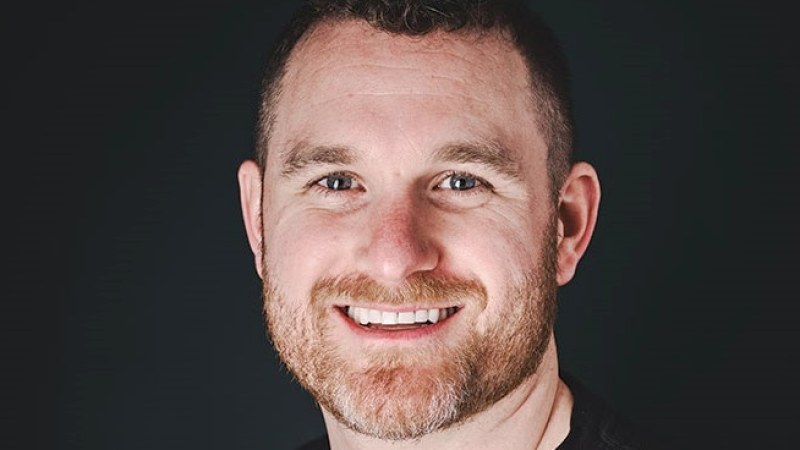
Andrew Jones is the co-founder and CEO of Carba, a Minneapolis-based carbon-removal startup that turns waste biomass into a durable, charcoal-like biocarbon and buries it to lock away CO2 for more than 1,000 years. A chemical engineer with a PhD from UC Berkeley, Jones invented Carba's patented low-energy pyrolysis and storage process and describes the work as 'reversing the coal mining process.' He previously founded and exited Activated Research Company, and has steered Carba from a 2021 lab idea to a working molten-salt reactor at a Burnsville landfill, a multi-year carbon-credit deal with Microsoft, and a goal of removing a gigaton of CO2 a year.
Kurt Tsuo
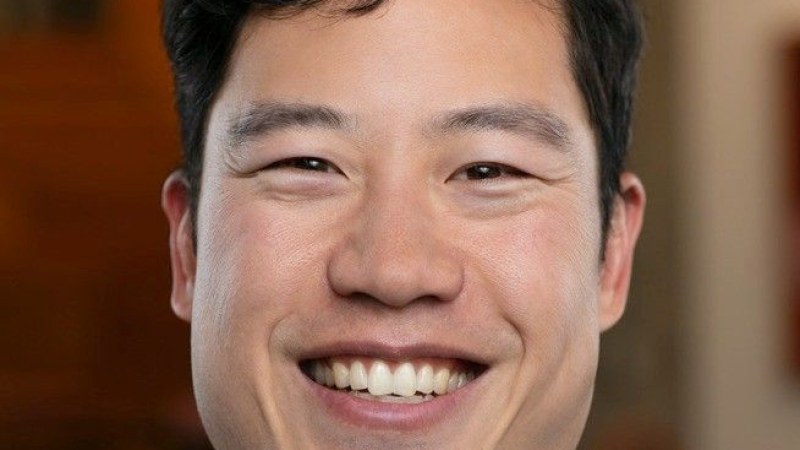
Kurt Tsuo is the Chief Business Officer of Varaha, a Gurugram-based carbon removal company building high-integrity credits with smallholder farmers across Asia and Africa. A Harvard-trained economist who spent seven years in agriculture before it was a climate headline, he has built business lines at the Gates Foundation, Farmer's Business Network, ProducePay, and Breakthrough Energy, and co-founded the carbon storage startup Graphyte. His through-line is unglamorous and stubborn: make the economics of fixing carbon work for the people who actually grow food.

Varaha
Varaha is an India-based climate-tech company that builds high-integrity carbon removal projects in the Global South. Working with roughly 170,000 smallholder farmers across about 1.7 million acres, it generates verified carbon credits through four pathways - regenerative agriculture, agroforestry, biochar, and enhanced rock weathering - and quantifies the results with a measurement, reporting and verification (MRV) platform powered by remote sensing, machine learning and field science. Its credits are bought by buyers like Google, Microsoft, Lufthansa and Swiss Re.

Charm Industrial
Charm Industrial is a San Francisco-based climate company that converts agricultural residues into bio-oil through fast pyrolysis and injects it deep underground for permanent carbon removal. Founded in 2018 by Peter Reinhardt, Kevin Meissner, Shaun Meehan and Kelly Hering, Charm is one of the fastest-growing carbon dioxide removal companies and counts Frontier, Stripe, Microsoft, JPMorgan Chase, Meta and Shopify as customers.
Jason Aramburu
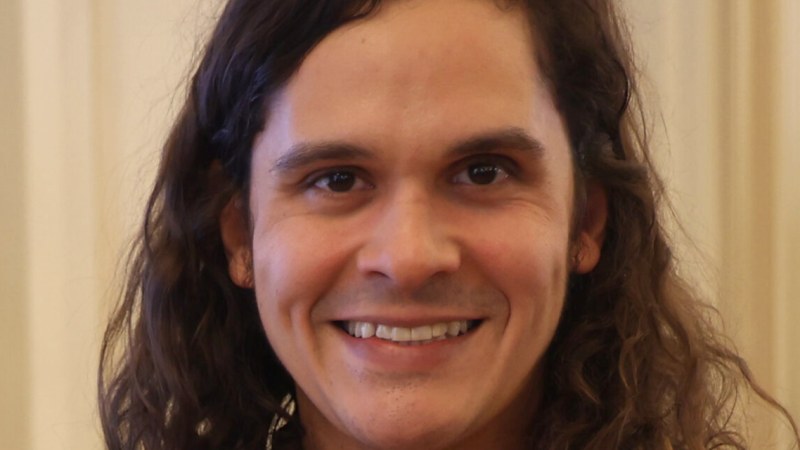
Jason Aramburu is the cofounder and CEO of Applied Carbon, a Houston-based climate tech company building the world's first mobile, in-field biochar production machines that convert agricultural crop waste into permanent carbon storage - and improved soil - in a single pass. A Princeton-trained ecologist who first encountered biochar during field research in Panama, Aramburu has spent two decades building at the intersection of soil science, robotics, and carbon markets. Before Applied Carbon, he founded re:char (smallholder biochar in Kenya, backed by Gates Foundation) and Edyn (smart irrigation, Y Combinator W14), then invested in AI and energy startups at Baidu Ventures and Saudi Aramco Energy Ventures before returning to his original mission. Applied Carbon raised a $21.5M Series A in July 2024, backed by Microsoft Climate Innovation Fund, Congruent Ventures, and the Grantham Foundation, and won the $500,000 Wilkes Climate Launch Prize in September 2024.

Peter Reinhardt
Peter Reinhardt is CEO and co-founder of Charm Industrial, a San Francisco-based climate tech company that converts agricultural and forest biomass residues into bio-oil and permanently sequesters it underground - effectively putting carbon back where it came from. Before pivoting to saving the planet, he co-founded Segment, the customer data infrastructure platform, and scaled it from a MIT dorm-room idea to a $3.2 billion acquisition by Twilio in 2020. Now he runs Charm with a mission to return atmospheric CO2 to pre-industrial levels of 280 ppm, counting Stripe, Microsoft, JPMorgan Chase, and Meta among customers.