wearable
(33)
The Rice-Sized Sensor Trying to End the IVF Blood-Test Marathon
A fertility patient can give blood every other day for weeks and still miss the hormone surges that decide whether a cycle works. Impli wants to put a continuous read of that biology under the skin - or on it.
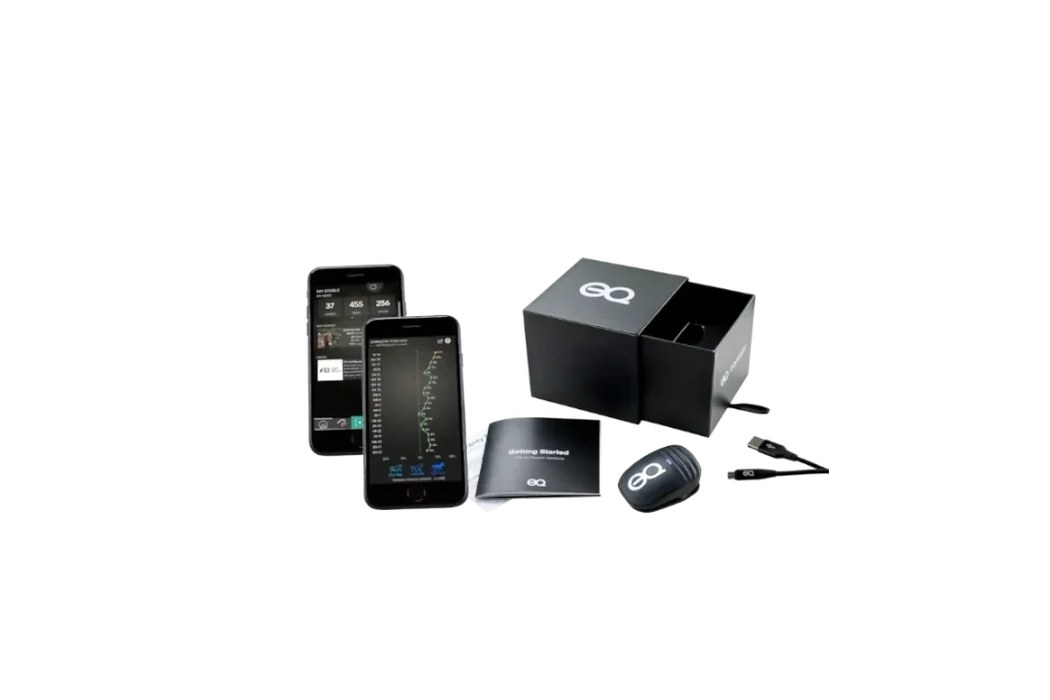
The Startup Teaching Horses to Talk Back
A horse can't tell you its left hind is off. Equestic's SaddleClip listens to the gait instead - and riders in 65 countries are now training to what the data says.
The Alarm That Wakes You Without a Sound
PAQ Wear's VibeRise is a soft fabric wristband, built by UC San Diego students, that trades the 6 a.m. blare of a phone alarm for a quiet buzz only you can feel.
Liv Labs
Liv Labs is a women's health startup (YC S21) commercializing Pippa, a patented internal resistance spring that activates the pelvic floor during everyday movement and exercise. Founded by CEO Melody Roberts and inventor Carly Price, the company pairs the wearable with self-care coaching to help the 78 million American women living with pelvic floor weakness stay strong, active, and leak-free without clinical visits or effortful daily kegel routines.
Betterguards Technology
Betterguards Technology is a German-engineered sports-tech company that builds adaptive ankle braces using a patented micro-hydraulic piston. Unlike rigid braces or taping, the BetterGuard moves freely with the athlete and stiffens only at the instant of a dangerous ankle roll, reacting several times faster than the human body. Founded in Berlin/Hennigsdorf and now with a New York operation, the company sells direct-to-consumer and has been adopted by athletes across the NBA, NFL, MLS, MLB, NCAA and Olympic programs after joining the 2022 NBA Launchpad cohort.
Otolith Labs
Otolith Labs is a Washington, D.C. medical device company building the first wearable to treat vertigo, motion sickness and virtual-reality sickness. Its patented non-invasive Vestibular Resonance Therapy (nVRT) uses precisely tuned bone-conduction vibrations to interact with the motion sensors of the inner ear, quieting the faulty balance signals that cause dizziness. The head-worn OtoBand has been tested on hundreds of subjects, carries an FDA Breakthrough Device Designation, and is pursuing FDA clearance through the De Novo pathway.

Wesper
Wesper is a New York-based sleep-health company that has built a wireless, wearable patch and cloud platform for clinical-grade, at-home sleep apnea testing. Founded in 2017 (originally as Tatch) by Dr. Amir Reuveny and Adi Mordechai, Wesper combines flexible printed electronics, machine learning, and a provider portal to replace the wires and single-night snapshots of traditional sleep labs with comfortable, repeatable, longitudinal testing. The FDA-cleared Wesper Lab lets patients test at home while giving physicians high-resolution data that correlates closely with in-lab polysomnography.

Alio
Alio is a Broomfield, Colorado medical technology company that builds a non-invasive, continuous remote patient monitoring platform for people with chronic conditions. Its flagship SmartPatch - the world's first non-invasive potassium monitor - is worn over a patient's vascular access site and tracks metrics such as potassium, hemoglobin, hematocrit, heart rate, skin temperature and auscultation sounds, sending clinician-ready data to care teams via a bedside hub, cloud and portal. Founded in 2012 (originally as Graftworx) by David Kuraguntla and Samit Gupta, Alio focuses first on end-stage kidney disease and dialysis patients, aiming to replace infrequent blood draws with continuous data and cut avoidable hospitalizations.
Muse by Interaxon Inc.
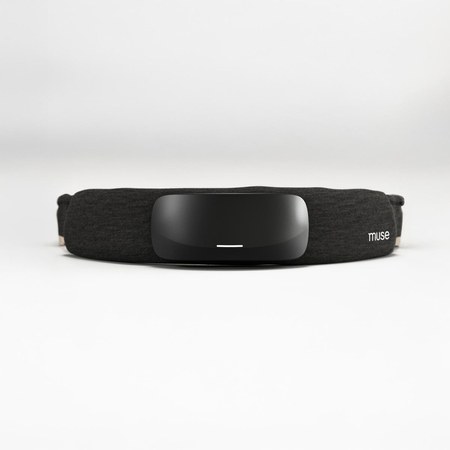
Muse, made by Toronto-based Interaxon Inc., is a brain-sensing headband that turns clinical-grade EEG into a consumer wearable. First shipped in 2014, Muse reads your brainwaves and, through a companion app, gives real-time audio feedback to guide meditation, track sleep, and train focus. The company has since layered on fNIRS and SpO2 sensing (Muse S Athena, 2025) and an AI brain-health platform trained on more than a billion minutes of EEG data, positioning Muse at the intersection of consumer wellness and clinical neuroscience.
Tony Verutti
Tony Verutti is the CEO of Betterguards Technology, a German sports-tech company whose adaptive ankle brace uses a micro-hydraulic piston that stays loose during play and locks in a split second when the ankle rolls, then releases. A lifelong athlete who tore his ACL four times and grew up in a physical therapist's household, he took the top job in April 2023 and pushed the product into the NBA, NFL, NCAA and Olympic teams, backed by the NBA's Launchpad program. His pitch: athletes shouldn't trade mobility for protection, and gear should be built on science, not tradition.
Elemind Technologies
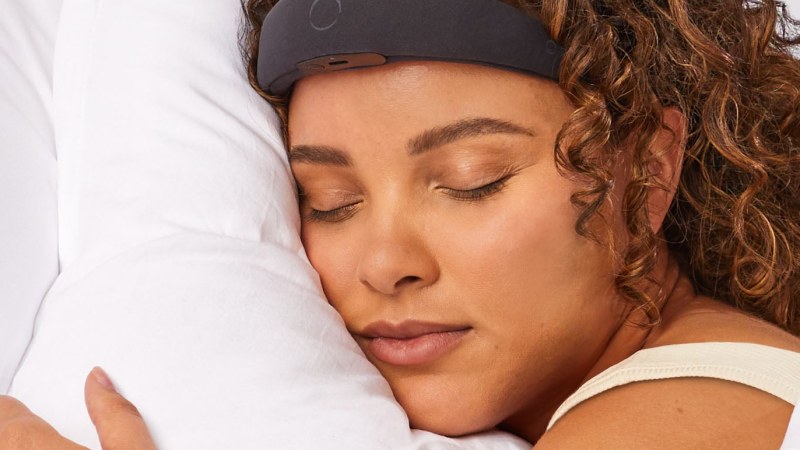
Elemind Technologies is a Cambridge, Massachusetts neurotech company spun out of MIT that makes a wearable EEG headband which reads your brainwaves and plays phase-locked acoustic pulses through bone conduction to help you fall asleep faster - without drugs. Founded by a group of leading neuroscientists and led by CEO Meredith Perry, the company launched its $399 'sleep on demand' headband in 2024 after raising $12 million in seed funding. Its broader ambition is an 'app store for the brain': one wearable running different neuromodulation protocols for sleep, tremor, memory and beyond.
Haptic
Haptic (formerly WearWorks) is a New York-based company building navigation and communication that runs entirely on the sense of touch - no screen, no audio. Its patented HapticNav system creates a 'virtual corridor' of vibrations that keeps a person on course, first proven when a blind runner completed the NYC Marathon without sighted assistance. The company packages this into the Wayband wearable, a HapticNav app, and an SDK so developers can add tactile guidance to maps, rideshare, healthcare, and defense applications.
HELIOS
HELIOS is a Portsmouth, New Hampshire sports-technology company that builds a hardware-free wearable and app platform for hockey. Its Core sensor clips to a shoulder pad and uses stride-recognition machine learning to measure skating explosiveness, agility, speed and balance, then syncs the data with shift video so players and coaches get instant, benchmarked feedback the moment a shift ends. The company's stated goal is to give youth, college and pro players the same quality of performance data that was once reserved for elite programs, sold as a hardware-plus-software membership.
Lilu, Inc.
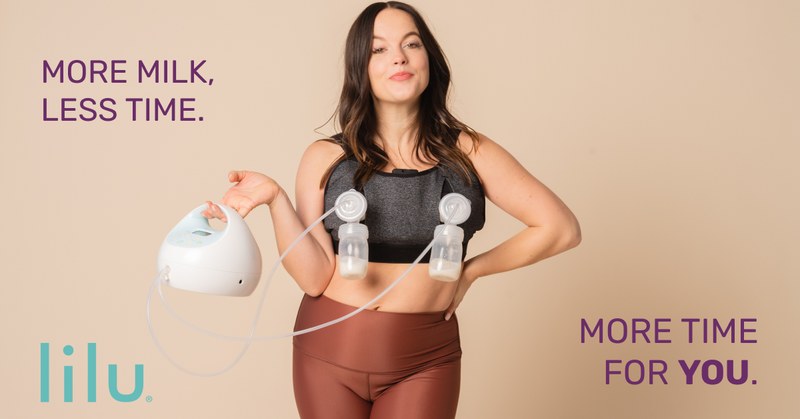
Lilu is a New York femtech company building smart technology for new mothers. Its flagship Massage Bra is a hands-free wearable that uses patented pneumatic compression to mimic hand massage during pumping, helping mothers express more milk in less time, while its MilkSense app tracks feeding, pumping, and milk stash with AI-driven, personalized lactation insights. Founded by MIT- and Penn-trained engineers Adriana Vazquez and Sujay Suresh Kumar, Lilu aims to make postpartum care more comfortable, efficient, and pain-free.

Roga
Roga is a neurotech company building a non-invasive vagus nerve stimulation wearable paired with an AI-guided meditation app to reduce stress and burnout. Founded by two people who each managed clinical anxiety, the discreet behind-the-ear device sends gentle electrical pulses to calm the nervous system, while the companion app personalizes meditation and tracks progress. Based in Los Angeles and Toronto, Roga sells direct to consumers and to employers running workplace wellness programs.

Samay
Samay (formerly Respira Labs) is a San Francisco Bay Area medtech company building Sylvee, a wearable chest patch that pings the lungs with sound waves and uses AI to detect COPD and predict flare-ups before they turn dangerous. Founded by physician-inventor Dr. Maria Artunduaga, the company turns a $40 acoustic sensor into a continuous, at-home alternative to hospital pulmonary function tests, aiming to catch the invisible early signs of lung disease that standard tools miss.
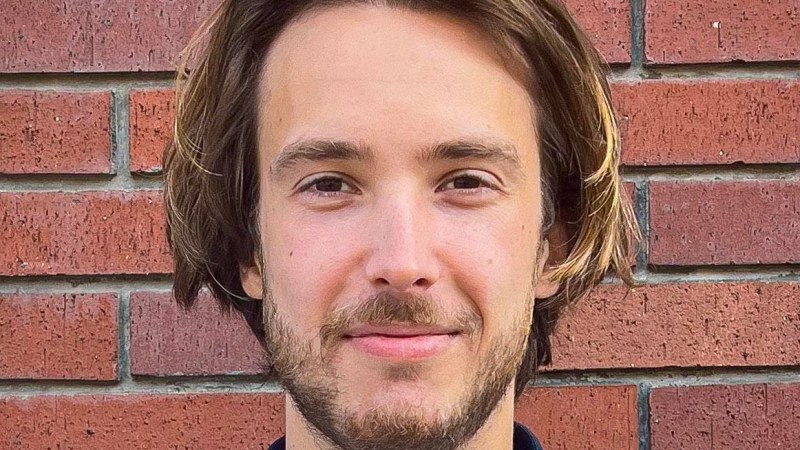
Konrad Morzkowski
Konrad Morzkowski is the Swedish-born co-founder and CEO of WearLinq, a San Francisco medtech company commercializing eWave, an FDA-cleared 6-lead wireless ECG monitor that ships heart data from a patch on the chest to a smartphone in your pocket. A Chalmers and Stanford engineer named to Forbes' 30 Under 30 in Healthcare (2024), he traded a plan to build AI for healthcare for the harder problem of getting clinical-grade cardiology out of the hospital and onto the patient.

Friend
Friend is a consumer AI startup making a $129 always-listening pendant that texts the wearer with commentary, jokes and emotional support. Founded by Harvard dropout Avi Schiffmann - the teenager behind the viral nCoV2019 COVID tracker - Friend bet $1.8 million on its one-word domain and then $1 million on a deliberately graffiti-bait subway campaign that turned New York City into an unfiltered focus group.
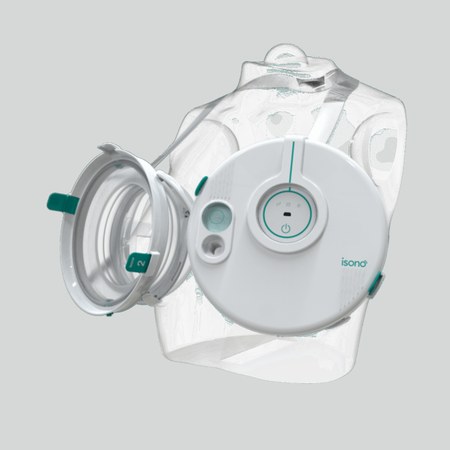
iSono Health
iSono Health builds ATUSA, an FDA-cleared wearable 3D ultrasound platform that scans both breasts in about two minutes without a specialized sonographer. The South San Francisco startup uses AI to make breast imaging portable, reproducible, and accessible at the point of care.
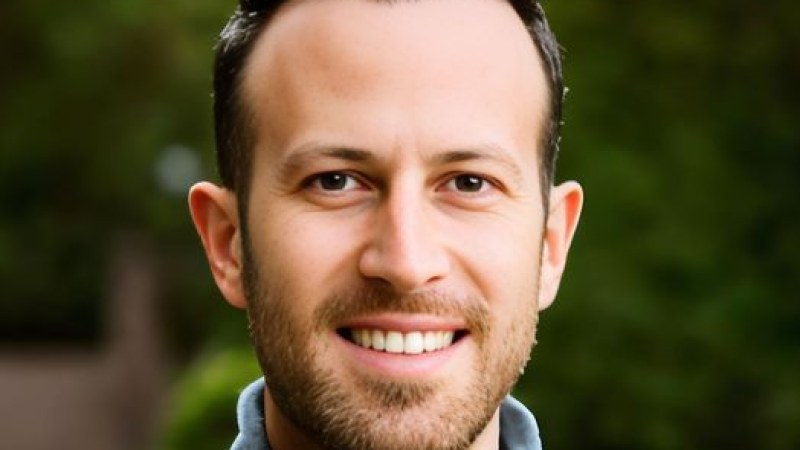
Ami Lebendiker
Ami Lebendiker is the founder and CEO of Roga, a neurotech company that makes a discreet behind-the-ear wearable for stress relief paired with an on-demand content app. A former product manager at Google, he spent a decade shipping hardware including Pixel phones and Google Home before turning his cost-engineering instincts toward consumer neurotech. Earlier he founded Mango Startups, billed as the first ICO backed by a venture fund in Latin America, and helped coordinate the region's startup accelerator network. Costa Rica-born and multiply credentialed, he is part operator, part investor, and part builder who keeps returning to the same idea: democratize access to things normally locked behind gatekeepers.
Maria Artunduaga
Maria Artunduaga is a Colombian-born physician-scientist, inventor and founder and CEO of Samay (formerly Respira Labs), a Mountain View medtech startup building a wearable plus AI platform that uses patented acoustic resonance to monitor lung function at home. She walked away from a plastic surgery residency at the University of Chicago after losing her grandmother Sylvia, taught herself engineering, and turned a kitchen-table idea into a company that has won the world's most competitive medtech accelerator and landed her on Inc.'s 2025 Female Founders list. She holds an MD, an MPH and an MTM, has collected dozens of prizes, six issued patents, and publications in Nature, NEJM and PNAS.
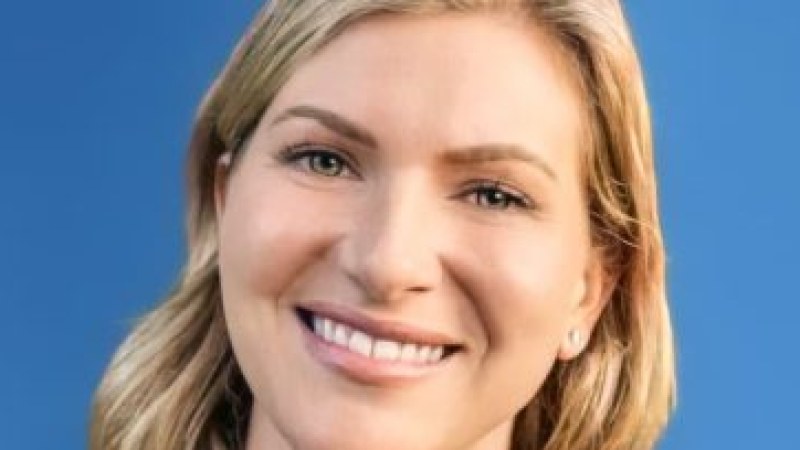
Meredith Perry
Meredith Perry is the co-founder and CEO of Elemind, a neurotech company building a wearable headband that reads your brainwaves in real time and nudges them with bursts of sound, marketed as sleep on demand. Before Elemind she was the inventor behind uBeam, the ultrasonic wireless-charging venture she dreamed up as a University of Pennsylvania undergrad and grew into a roughly $40 million, much-debated startup backed by Founders Fund, Andreessen Horowitz, Mark Cuban and Marissa Mayer. A trained paleobiologist and astrobiologist who once did research with NASA, Perry holds dozens of patents and now wants to build what she calls an app store for the brain.
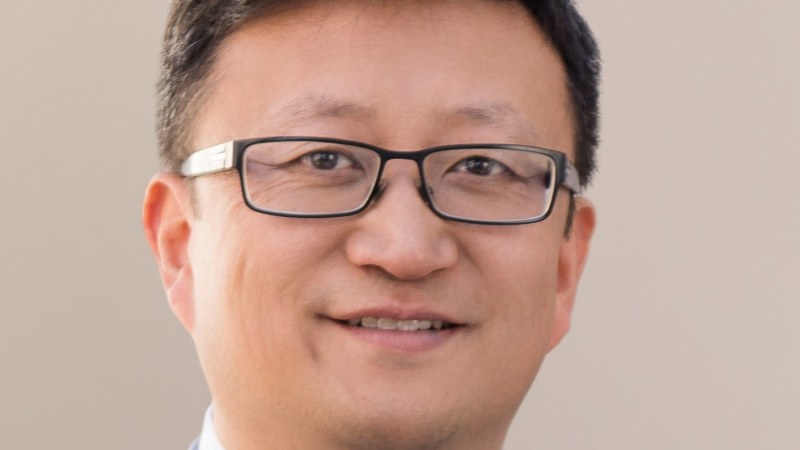
Ray Liu
Ray Liu is the CEO and co-founder of Vena Vitals, an Irvine, California medtech startup building a soft, skin-like sticker that tracks blood pressure continuously, beat by beat, without cuffs or invasive arterial lines. A National Science Foundation fellow turned operator, Liu spent two decades inside GE Healthcare, Siemens, and Vizient, and racked up two health-tech exits before reuniting with a former Berkeley labmate, UC Irvine professor Michelle Khine, and PhD scientist Josh Kim to turn a material-science breakthrough into a clinical product. Backed by Y Combinator, MedTech Innovator, and EvoNexus, Vena Vitals has tested its sensor on 600-plus patients in operating rooms and is targeting FDA clearance in 2026.

Scott Schorer
Scott Schorer is CEO and Chairman of G-Tech Medical, a Mountain View startup building GutTracker, a wireless dermal-patch system that reads the body's gut signals at home over days instead of hours. A Dartmouth-trained engineer and former 82nd Airborne infantry officer, he has spent two decades founding, turning around and selling medical-device companies, raising more than $120 million in equity and earning his name on six patents along the way.
Luna Diabetes
Luna Diabetes (Luna Health Inc.) is a San Diego medical device company building the first automated insulin delivery system designed for the more than 90% of insulin-requiring people who dose with an insulin pen rather than a full-time pump. Its flagship product, Luna, pairs what the company calls the world's smallest insulin patch pump with a fully closed-loop algorithm to automate micro-doses of rapid-acting insulin overnight, when most of the glucose benefit from pump therapy occurs. Founded in 2020 by diabetes-industry veterans John Sjolund, Jon Brilliant and Sean Saint, the company raised a $23.6M Series A in August 2025 and is running a pivotal clinical trial using Time in Range as its primary endpoint.

Samphire Neuroscience
Samphire Neuroscience is a London-based neurotechnology company building drug-free, hormone-free wearables for women's health. Its flagship product, Nettle, is a headband that uses transcranial direct current stimulation (tDCS) to gently modulate the brain regions tied to mood and pain, worn 20 minutes a day in the run-up to menstruation. Marketed as the first EU-cleared (CE-certified) neuromodulation device for women's health, Nettle targets PMS, PMDD, menstrual pain and related hormonal conditions. Founded in 2021 by neuroscientist Emilė Radytė and IP lawyer Alex Cook, the company has raised roughly $7.77M across pre-seed, seed and Series A rounds.
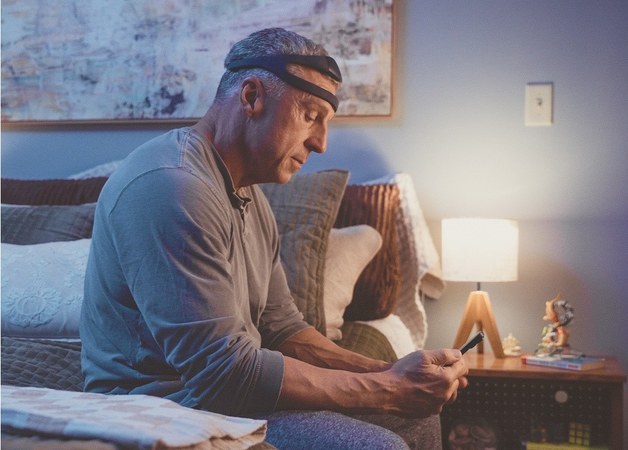
Beacon Biosignals
Beacon Biosignals is a Boston-based neurotechnology company that pairs FDA-cleared wearable EEG hardware with AI to turn brain electrical activity - especially during sleep - into scalable, at-home neurodiagnostics. Its platform powers drug development, clinical trials, and precision medicine across neurology, psychiatry, and sleep medicine.
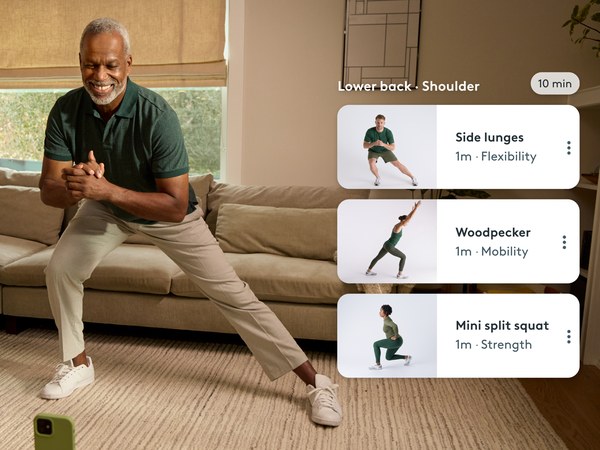
Hinge Health
Hinge Health is a San Francisco-based digital health company that delivers virtual care for musculoskeletal (MSK) and pelvic health conditions. It pairs an AI computer-vision motion engine (TrueMotion), an FDA-cleared wearable pain-relief device (Enso), and a remote clinical care team of physical therapists and health coaches to treat back, joint, and pelvic pain without relying on surgery or opioids. Sold mainly to employers and health plans as a benefit, it reached roughly 2,250 enterprise clients, surpassed 1.5 million lifetime members, and went public on the NYSE in May 2025 under the ticker HNGE.
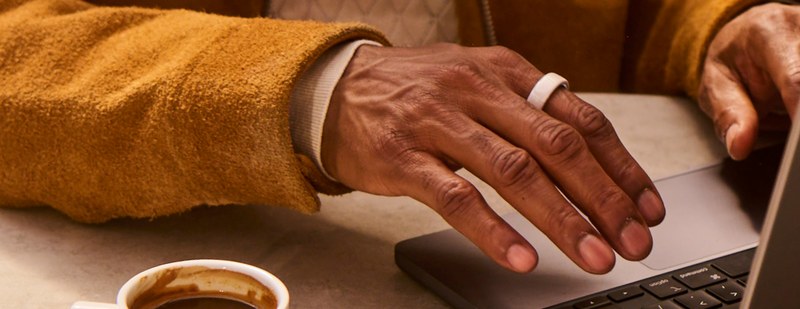
ŌURA
ŌURA makes the Oura Ring, a titanium smart ring that reads sleep, recovery, heart rate, temperature and activity from the finger. Founded in Oulu, Finland in 2013 and now co-headquartered in San Francisco, it has shipped more than 5.5 million rings, surpassed $500M in 2024 revenue and reached an $11B valuation in its 2025 Series E.
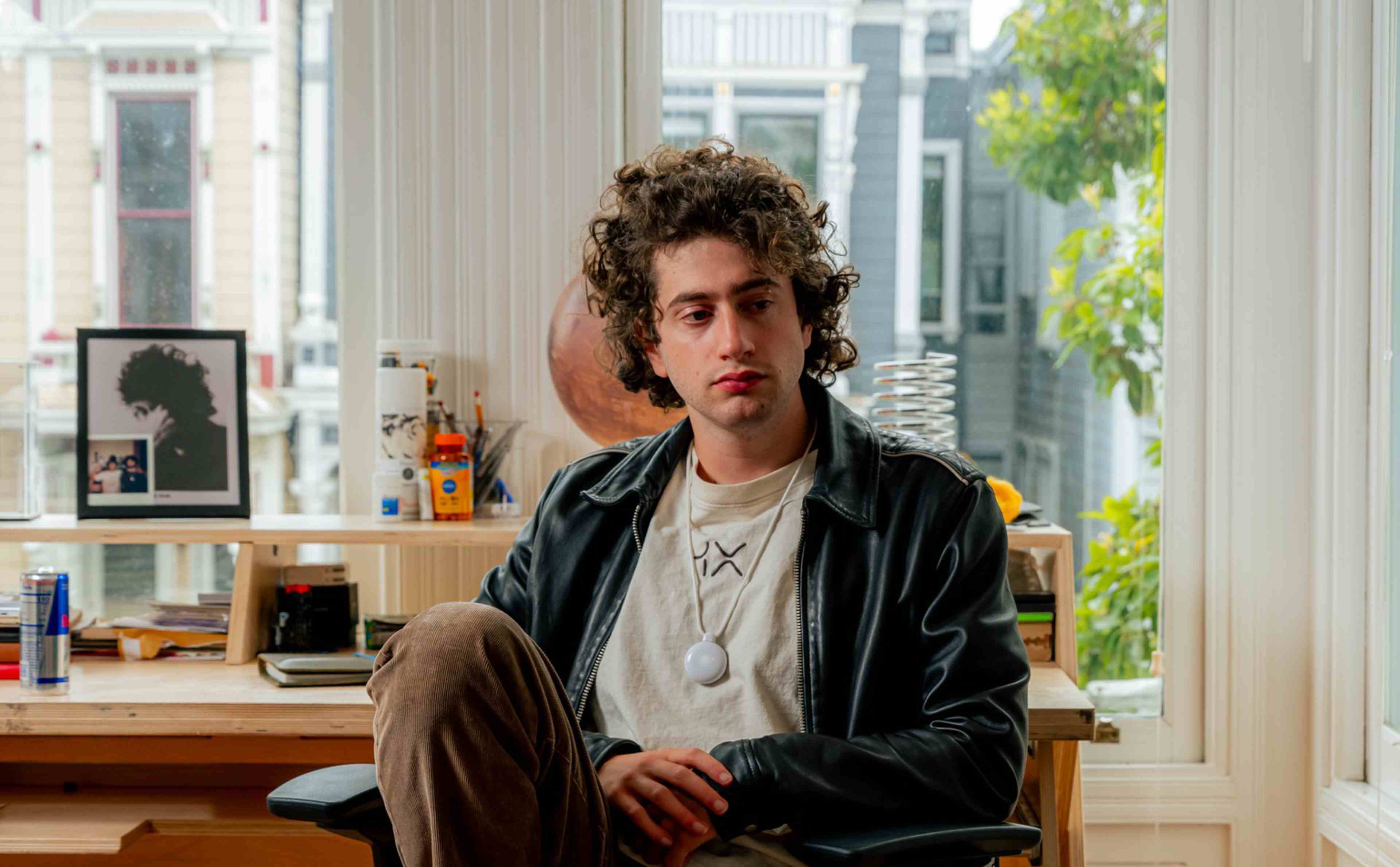
Avi Schiffmann
Avi Schiffmann is a 23-year-old American technologist and founder who first went viral at 17 when his hand-built COVID-19 tracker hit 36 million daily users. He dropped out of Harvard after one semester, built Ukraine Take Shelter to house 100,000 refugees, then bet nearly his entire $2.5M seed round on a single domain - spending $1.88M on friend.com. His company Friend makes a $99 AI pendant that listens to your life and texts back like a companion, sparking a national debate about loneliness, surveillance, and what it means to connect.