nvidia
(56)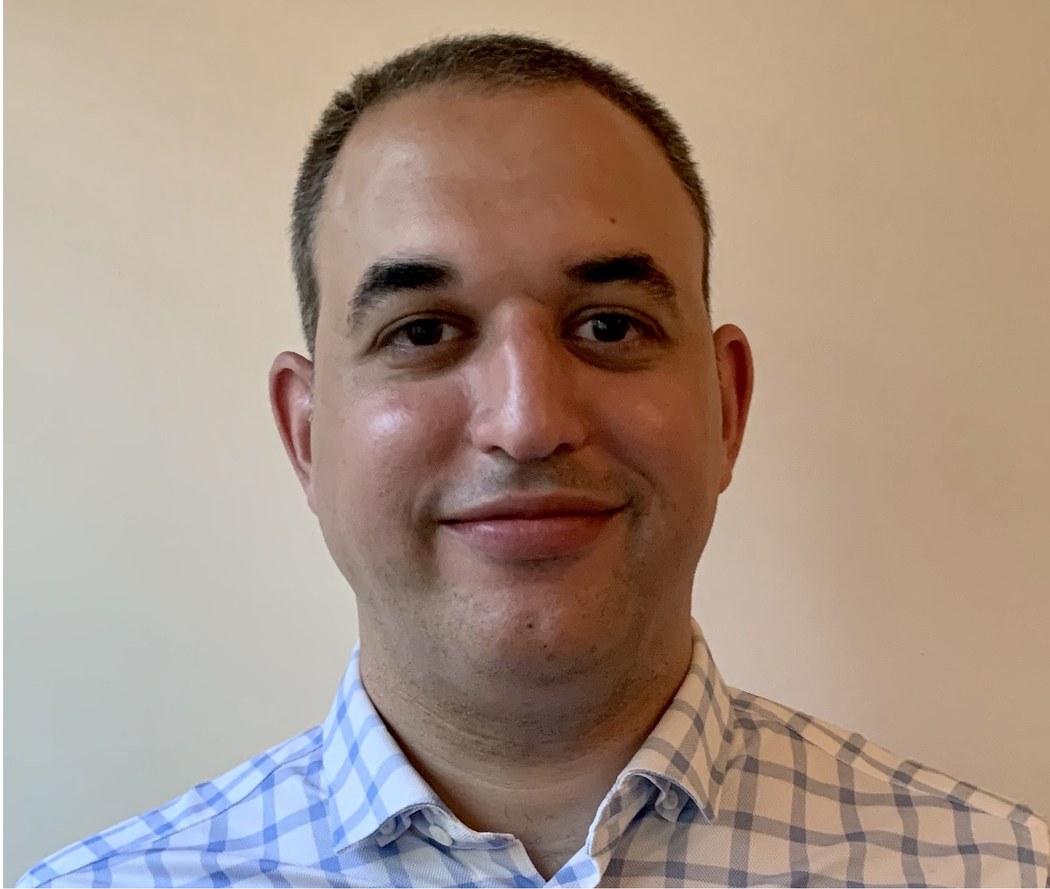
Ljubisa Bajic and the art of doing less
He started Tenstorrent in a Toronto basement. At Taalas, Ljubisa Bajic took a sharper turn: build the computer around a single AI model, and see how much machinery could disappear.

Luis Ceze and the computer that doesn't look like one
He helped put a music video into DNA, turned a university compiler project into OctoAI, and joined NVIDIA when it bought the company. Luis Ceze keeps finding computing problems in places that other people file under something else.
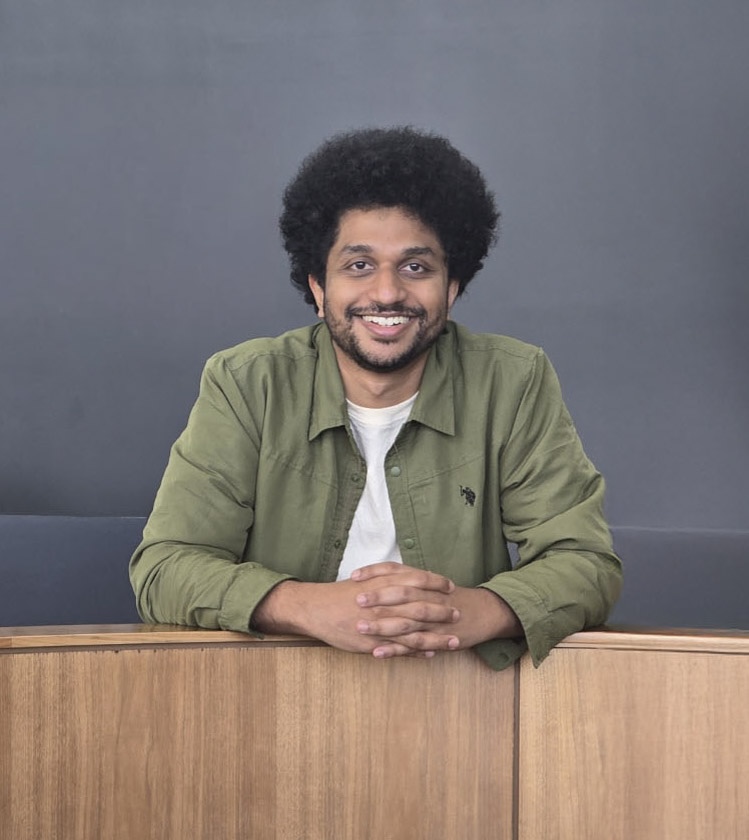
Samurdhi Karunaratne and the Art of Knowing When to Help
A physics medalist, an NVIDIA engineer, and a friend from age six. Samurdhi Karunaratne brings all three histories to Logical, a desktop assistant built to follow the work before the user asks.

SQream wants your hour back
A GPU database made an hour-long telecom query run in under 50 seconds. SQream’s larger wager is that enterprises will stop shrinking their questions to fit their computers.
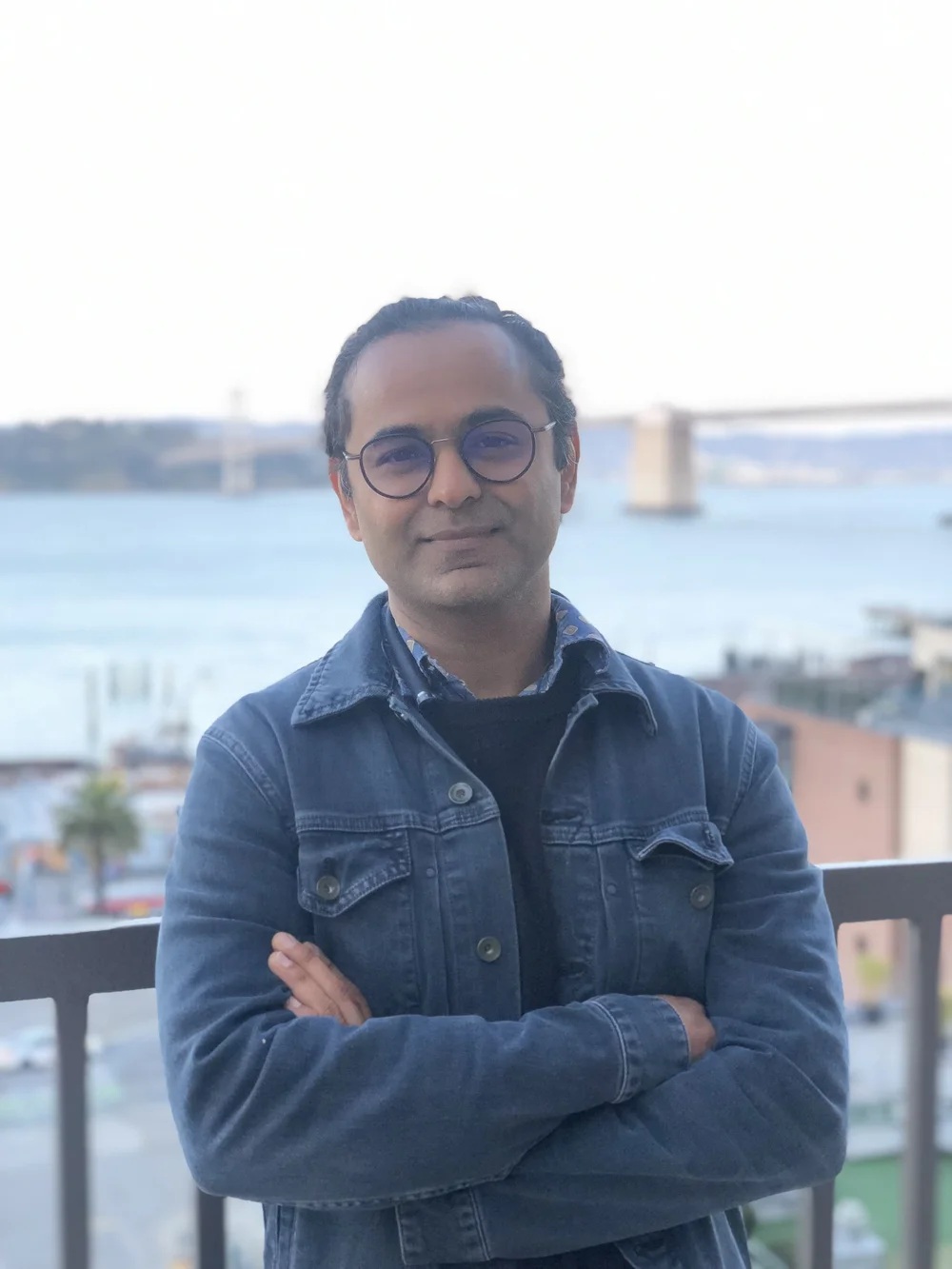
Ashish Vaswani and the Idea That Kept Moving
He helped a Google team rethink how machines read a sentence. Nine years later, after two startups and an open model release, the question of who gets to build on that idea still follows him.
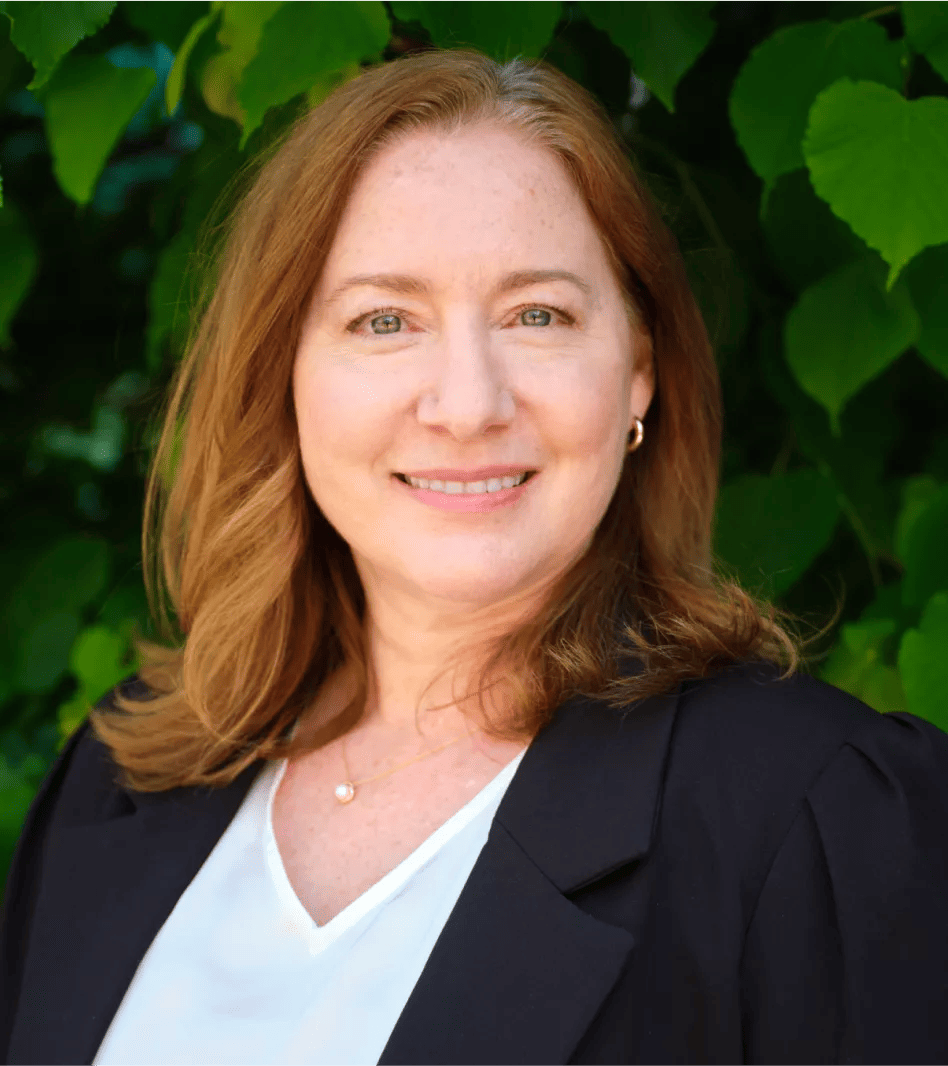
Alix Hart Has Spent a Career Teaching Complex Companies to Listen
From magazine subscriptions on Facebook to AI-era research platforms, Verily Health’s chief marketing officer has followed one durable principle: hear the audience before asking for its attention.

The Fund That Bet the House on the Future
SoftBank Investment Advisers manages the biggest technology funds the world has ever seen. After a decade of writing nine-figure checks into startups, it is now pointing that firepower at one thing: the full stack of artificial intelligence.
CoreWeave
The crypto-mining startup that became the picks-and-shovels supplier of the AI boom - renting Nvidia GPUs to the labs building the future, one megacluster at a time.
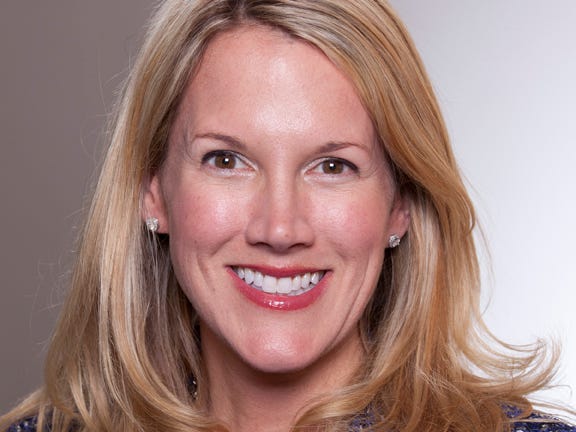
Alison Wagonfeld
Before taking on NVIDIA's story, Alison Wagonfeld spent three decades learning how technology businesses are built - from a mortgage website and Harvard case studies to venture capital and Google Cloud.
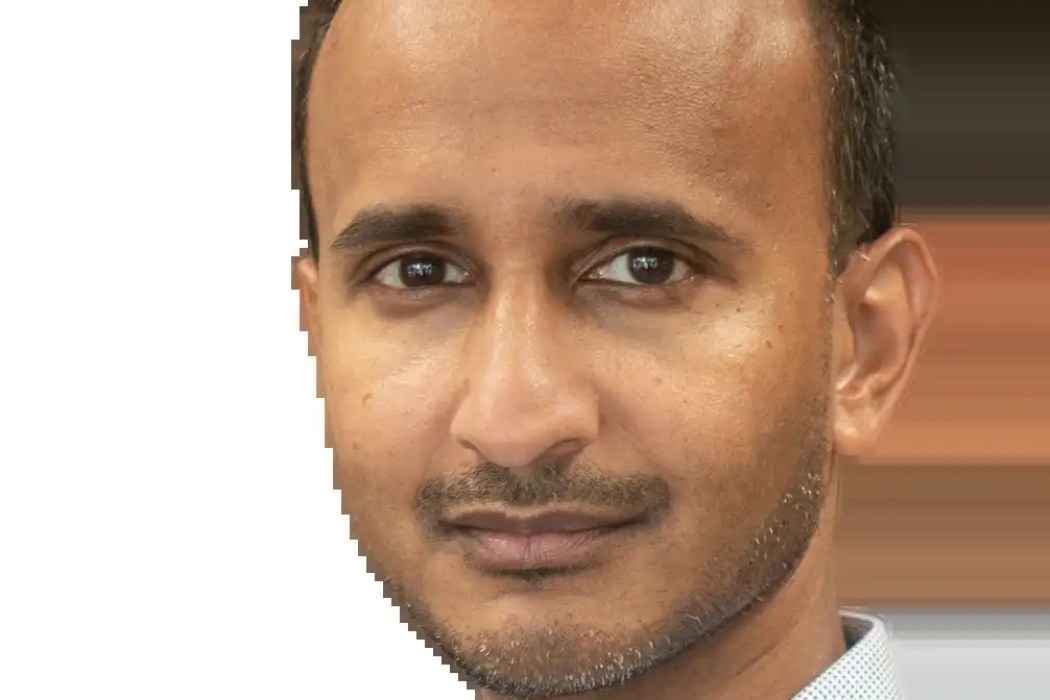
Rochan Sankar
Rochan Sankar is the founder and CEO of Enfabrica, a Silicon Valley startup building networking silicon to move data between the GPUs, CPUs and memory that power large-scale AI. A 26-year semiconductor veteran who ran Broadcom's data center Ethernet switching business before striking out on his own in 2019, he bet the company on a single idea: that AI's real bottleneck is not compute but the plumbing that feeds it. In September 2025, Nvidia paid more than $900 million to license Enfabrica's technology and bring Sankar and much of his team in-house.
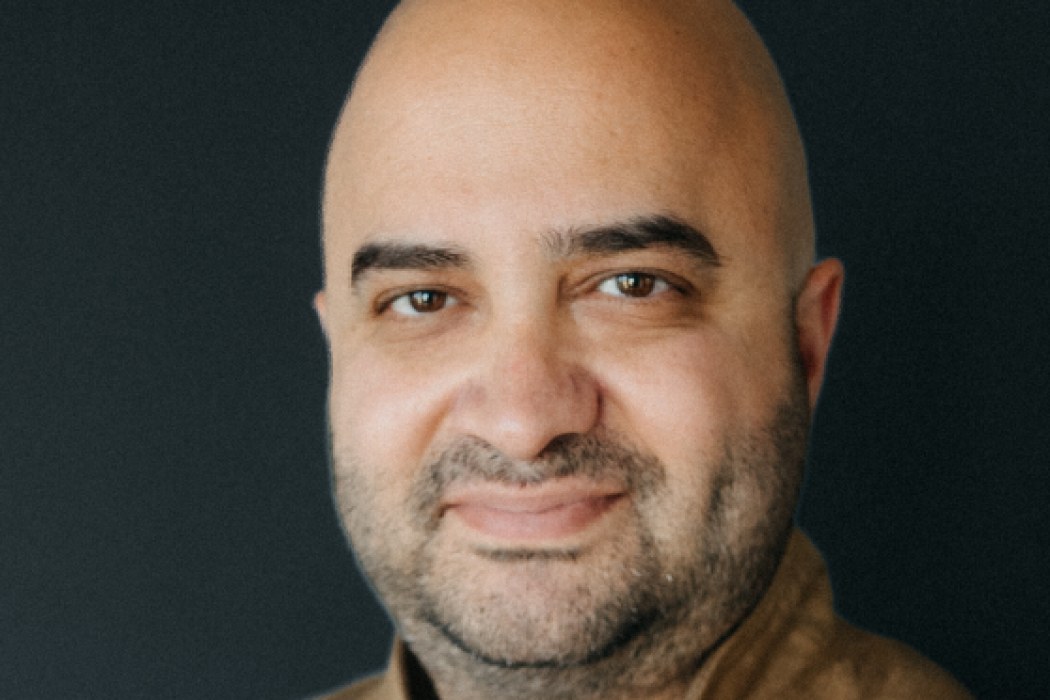
Seyed Madaeni
Seyed Madaeni is the co-founder and CEO of Verse, a San Francisco energy-software company that uses AI to help large enterprises and AI data centers buy, plan, and dispatch clean power. A systems engineer with a PhD from Ohio State, he spent a decade building grid-scale market software at PG&E, SolarCity, Tesla, AMS, and Fluence before starting Verse, which raised a $54M Series B led by Bessemer in June 2026 with backing from NVIDIA and GV.
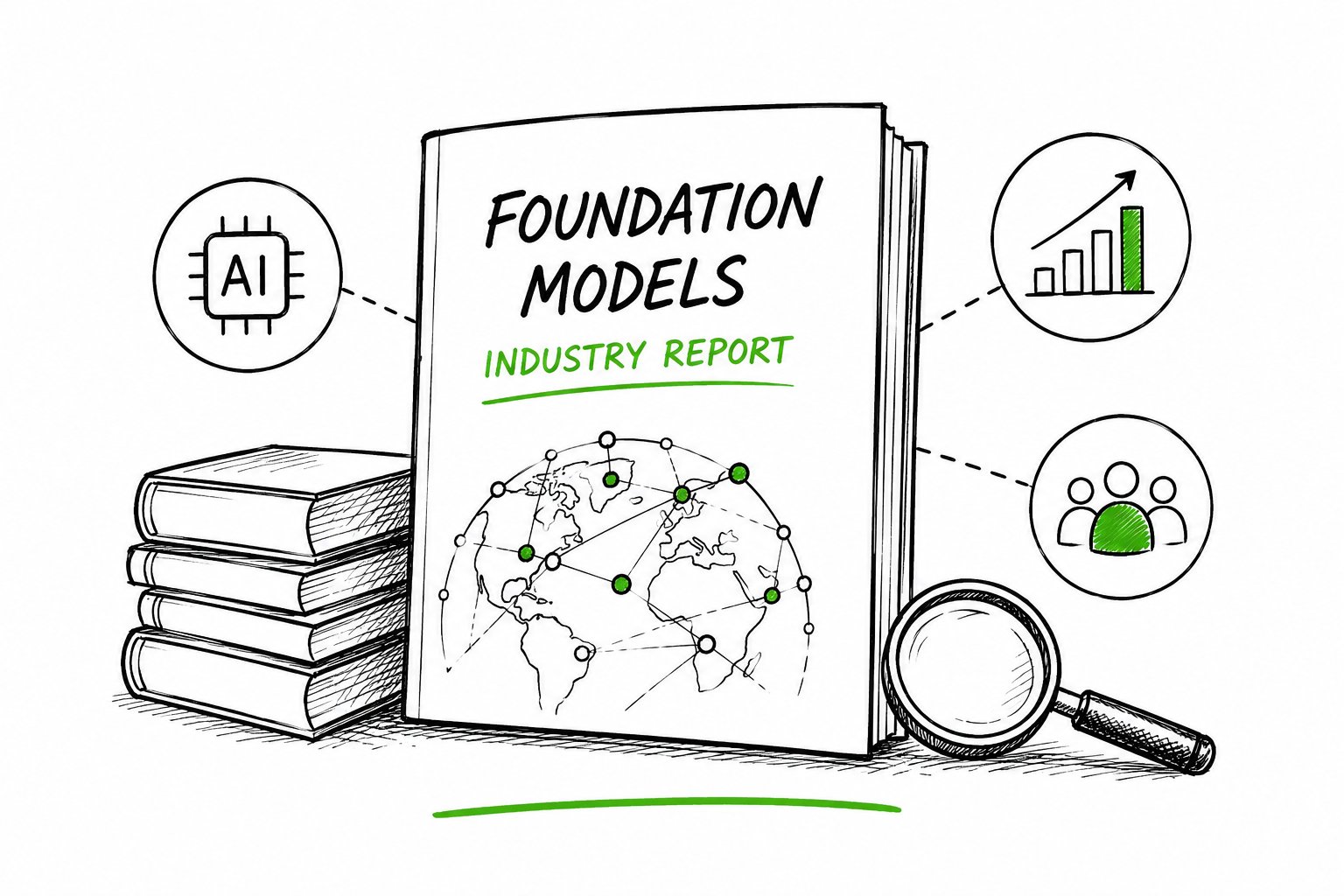
Foundation Models: The Industry Report
A deeply researched report on the foundation model industry as of mid-2026: a sector where two labs, OpenAI and Anthropic, capture roughly 89% of startup AI revenue; where hyperscaler capital spending has tripled to an estimated $725 billion a year; where inference has overtaken training as the dominant cost; and where open-weight Chinese models now trail the closed frontier by only months. The report maps market structure, competitive strategy, the economics of scale, regulation, and where value is migrating up the stack.

Steve Xie
Steve Xie is the founder and CEO of Lightwheel, a physical AI infrastructure company building simulation and synthetic data systems that teach robots to learn and operate in the real world. A physicist by training with a Columbia PhD, he led autonomous driving simulation at Cruise, NVIDIA, and NIO before starting Lightwheel in 2023. The company supplies SimReady 3D assets, egocentric human data, and robot evaluation tools to labs including NVIDIA, Google DeepMind, and Figure, and raised roughly $137.5 million in 2026 to expand its data and evaluation infrastructure.
Jay Chen
Jay Chen is the interim CEO of Contextual AI, the Silicon Valley enterprise company building a 'context layer' for grounded AI agents. He stepped into the top job in 2026 after co-founder Douwe Kiela and a group of researchers moved to Google DeepMind under a licensing deal. A Wharton MBA who started as a chip engineer at NVIDIA, Chen built his career across product marketing and growth roles at Confluent, Starburst, Opendoor and Twingate before joining Contextual AI as VP of Marketing, where he helped launch its enterprise RAG platform.
The Chip That Was Wrong, and the Bet That Was Right
NVIDIA's first graphics chip tried to do too much. The company survived by abandoning it, then spent two decades making a graphics processor useful to everyone from gamers to AI labs.
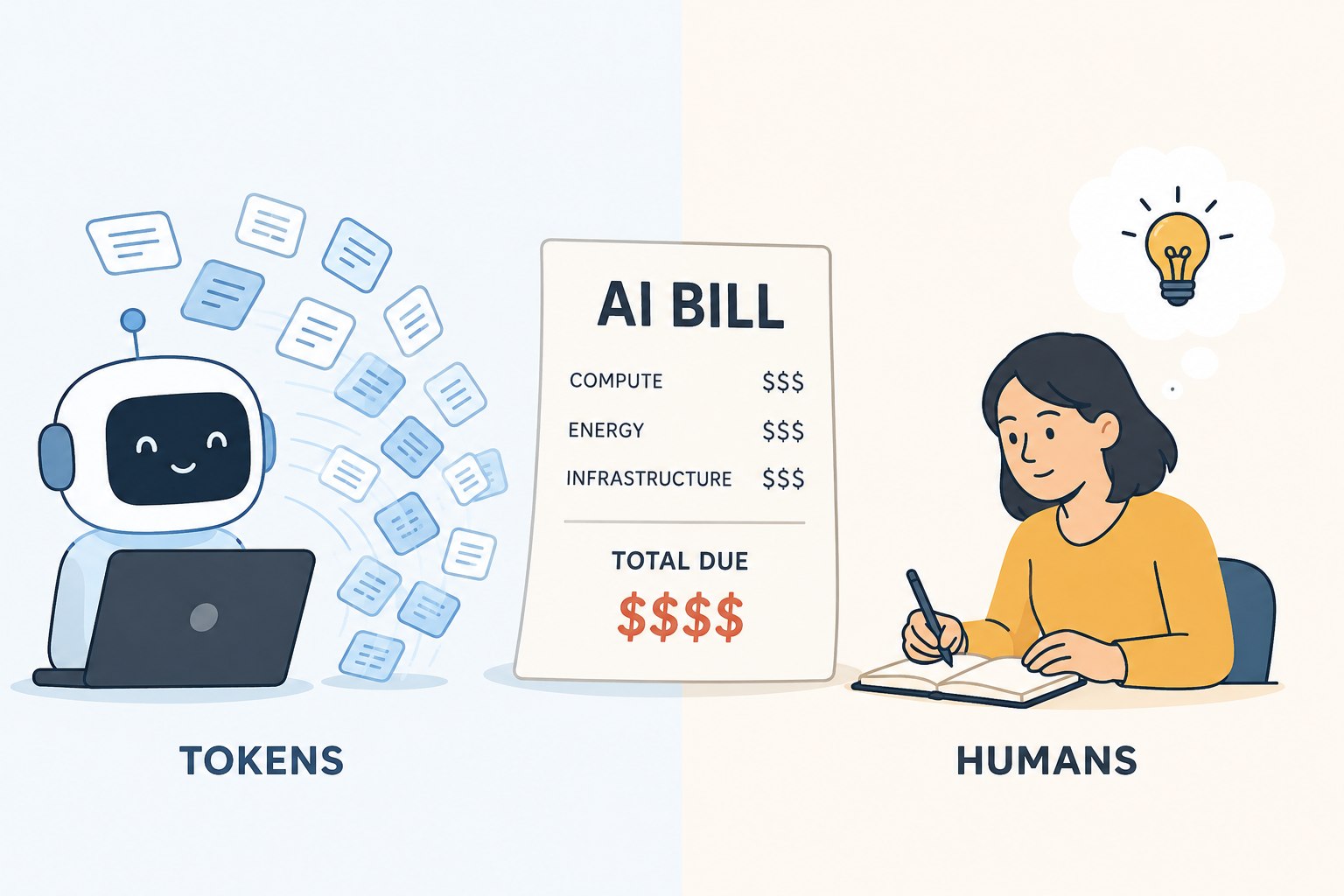
The AI Bill Has Come Due: Tokens vs. Humans
This documentary-style video traces how artificial intelligence went from a cheap labor-replacing miracle to a runaway cost center. After ChatGPT's 2022 launch, companies raced to adopt AI and cut tens of thousands of jobs across tech and fast food. But forced internal adoption, token-based performance metrics, and a status-driven culture of 'token maxing' inflated demand far beyond real need. Combined with data-center component shortages and canceled construction projects, token prices more than doubled between late 2025 and mid-2026. Giants like Microsoft, Meta, Uber and Nvidia are now confronting AI bills that rival or exceed the human labor they replaced, and with Anthropic and OpenAI expected to go public and raise prices, enterprises are being forced into an unprecedented choice: tokens or humans.
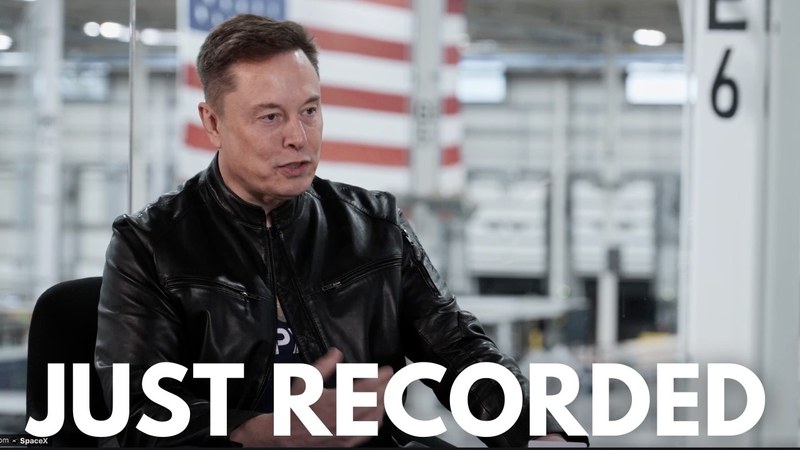
Climbing the Kardashev Scale: SpaceX AI Satellites and the Terafab
In a SpaceX studio sit-down at the company's Bastrop, Texas facility, Elon Musk and Starlink engineer Ian join a host to connect the dots between Starship, Starlink solar technology, and a bold plan to put AI compute in orbit. Musk frames the effort using the Kardashev scale, arguing that humanity currently harnesses less than a trillionth of the sun's power and must move to space to ascend it. The team outlines three limiting factors to solve at scale, mass to orbit, solar power, and chips, and unveils a draft design for a SpaceX AI satellite delivering roughly 150 kW peak power. The conversation escalates from launching thousands of orbital compute satellites to building a 100-million-square-foot 'terafab' chip factory, and ultimately to lunar mass drivers that could fling AI satellites into deep space, scaling civilization's energy harvest toward a terawatt per year and beyond.
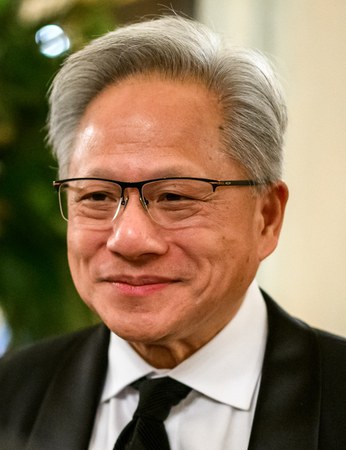
Only in America: My Conversation with Jensen Huang
In an interview for the 'Only in America' series, former Secretary of State Condoleezza Rice sits down with Nvidia founding CEO Jensen Huang at Nvidia's new California campus. Huang recounts his journey from a nine-year-old immigrant sent from Thailand to a boarding school in Oneida, Kentucky, through Oregon State University and Stanford, to founding Nvidia on a business plan many considered impossible. He reflects on the chicken-and-egg problem of introducing a new computing architecture, the decades of grit before AI validated his vision, cautious optimism about artificial intelligence, and why he considers himself the embodiment of the American dream.
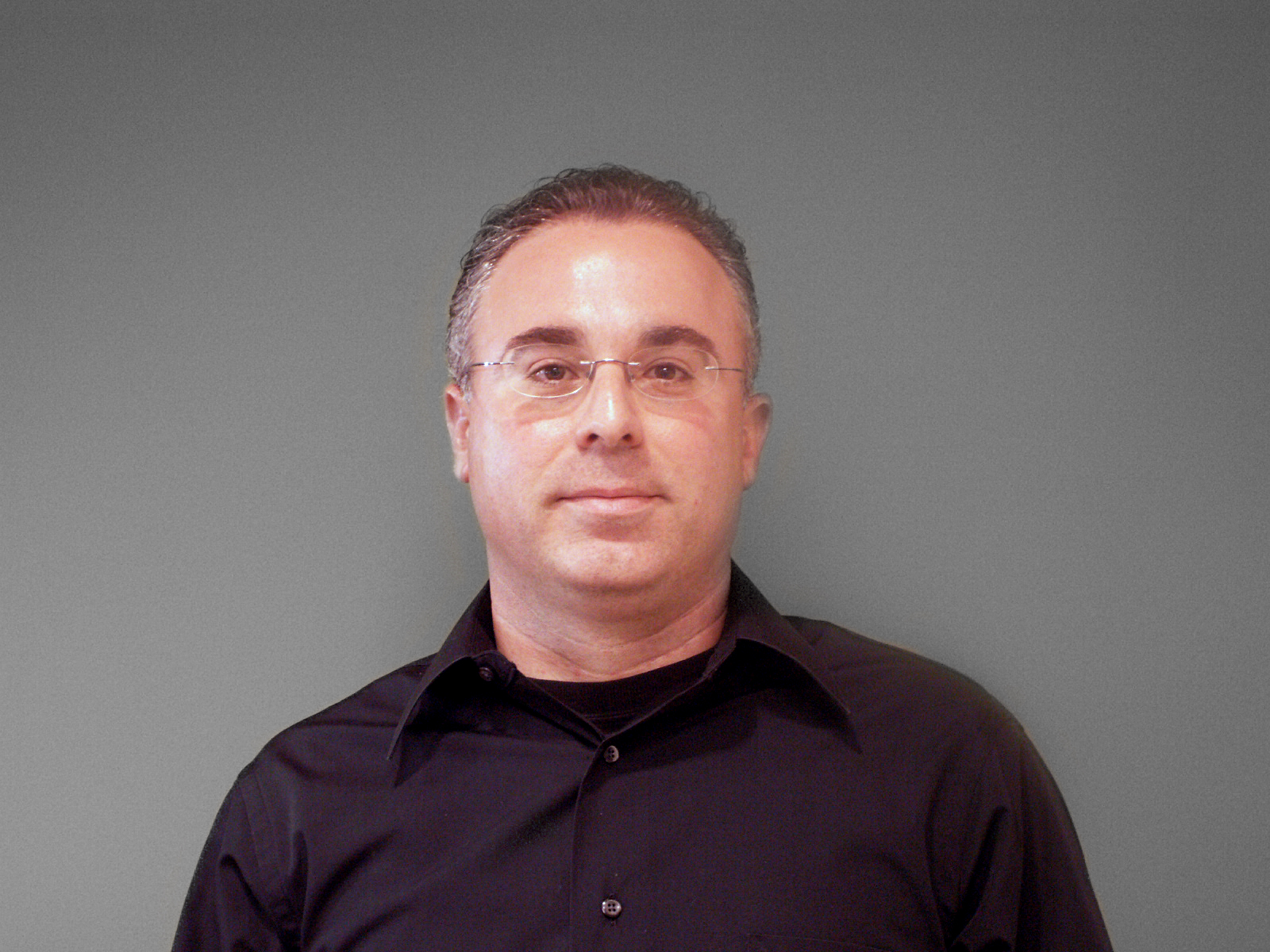
Gilad Shainer
Gilad Shainer is Senior Vice President of Networking at NVIDIA, where he leads the strategy, marketing, and ecosystem development for the company's networking portfolio — including InfiniBand, Ethernet, DPUs, and interconnect technologies that power more than half the world's top 500 supercomputers. A Technion-trained electrical engineer who graduated Cum Laude at both B.Sc. and M.Sc. levels, Shainer spent nearly two decades at Mellanox Technologies before joining NVIDIA via the $6.9 billion acquisition in 2020. He founded the HPC-AI Advisory Council in 2008, which now spans 400+ organizations globally, co-founded the ISC Student Cluster Competition, holds two R&D 100 Awards (2015 and 2019), and has authored or co-authored dozens of papers across IEEE, ACM, and Springer venues. At a moment when AI factories are rewriting the rules of data center design, Shainer is the person making sure the wires — and the protocols running through them — are ready.
Enfabrica
Enfabrica is a Silicon Valley chip startup building the networking and memory plumbing that lets tens of thousands of GPUs behave like one giant computer. Its Accelerated Compute Fabric SuperNIC (ACF-S) moves data at 3.2 terabits per second, and its EMFASYS memory fabric lets AI clusters borrow cheap DDR5 DRAM over Ethernet instead of buying more GPUs for capacity. Founded in 2019 by ex-Broadcom and Google networking engineers, the company raised roughly $290M before Nvidia paid over $900M in September 2025 to license its technology and hire CEO Rochan Sankar and much of his team.

Oath Surgical
Oath Surgical is a Portland, Oregon-based healthtech company building a full-stack, AI-native system for outpatient surgery. It owns and operates its own ambulatory surgical centers while developing OathOS, an ambient clinical intelligence platform that analyzes surgical video, audio and operational data in real time to reduce administrative burden and support value-based, surgeon-led care. Founded by physician and former Intuitive Ventures head Oliver Keown, the company has raised roughly $35M and partners with NVIDIA, McKesson Ventures and FPV Ventures.

Point2 Technology
Point2 Technology is a San Jose-based fabless semiconductor company building ultra-low-power, low-latency interconnect chips and cables for AI/ML data centers. Its e-Tube platform sends data as radio-frequency signals through plastic waveguides - a third path between copper and optics - and its smart-retimer SoCs power 800G and 1.6T active electrical cables. Founded in 2016 by a KAIST professor and veterans of Marvell, Finisar and Samsung, the company has drawn investment from NVIDIA's NVentures, Bosch Ventures, Molex and UMC.

humans&
humans& is a human-centric frontier AI lab based in the San Francisco Bay Area, founded in September 2025 by researchers and builders from xAI, Anthropic, Google, OpenAI, and Stanford. Rather than building AI to replace people, the company designs models and products around how humans connect, communicate, and work together - investing in long-horizon and multi-agent reinforcement learning, memory, and user understanding. It launched publicly in January 2026 with a $480 million all-cash seed round at a roughly $4.48 billion valuation, backed by NVIDIA, Jeff Bezos, SV Angel, GV, and Emerson Collective.
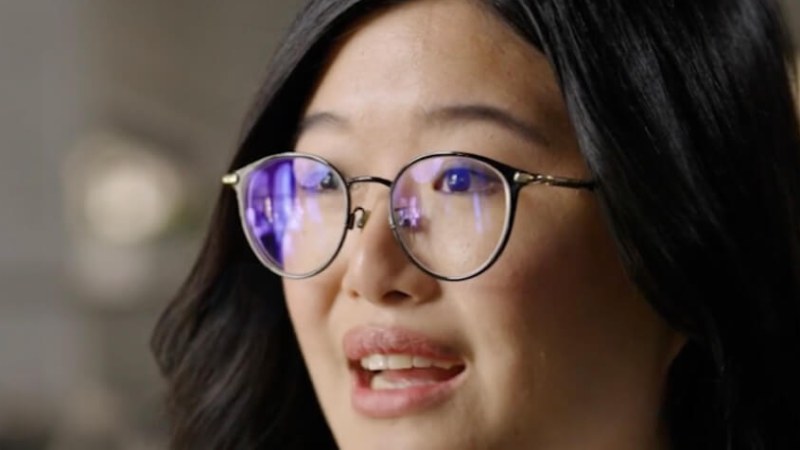
Michelle Lee
Michelle Lee is the founder and CEO of Medra, a San Francisco company building 'Physical AI Scientists' - robot arms with cameras and sensors, governed by AI, that run wet-lab biology experiments around the clock. A Stanford AI Lab PhD who worked at NVIDIA, SpaceX, and McKinsey, she walked away from an assistant professor post at NYU after AlphaFold 2's 2021 release convinced her that biology's real bottleneck was not algorithms but data, and that data is a robotics problem. Medra runs in production with partners including Genentech and raised a $52M Series A in December 2025, bringing total funding to roughly $63M.

MetalSoft
MetalSoft is a Chicago-based infrastructure software company that turns racks of physical servers, switches, and storage into cloud-like, self-service infrastructure. Its CloudPlex platform automates the full lifecycle of multi-vendor bare metal hardware - discovery, OS and firmware deployment, network fabric configuration, and storage - so enterprises and service providers can provision dedicated infrastructure on demand via a UI or API. Spun out of cloud hosting company Hostway in 2019 and led by serial founder Lucas Roh, MetalSoft raised a $16M Series A in December 2022 and has since pivoted hard toward orchestrating GPU clusters and 'AI factories' for telcos, data center operators, and Fortune 500 enterprises.
Skild AI
Skild AI is a Pittsburgh-based robotics company building the Skild Brain, a single general-purpose foundation model designed to control any robot - quadrupeds, humanoids, tabletop arms, mobile manipulators - across many tasks without bespoke retraining. Founded in 2023 by former Carnegie Mellon professors Deepak Pathak and Abhinav Gupta, the company trains on a mix of large-scale simulation, internet video, teleoperation and real-world deployment data. After a $1.4B Series C in January 2026, Skild AI is valued at over $14 billion.

Meijie Wang
Meijie Wang is the co-founder and CEO of MetaNovas, an AI-driven biotech that designs functional peptides for skincare, supplements and drug discovery. A former NVIDIA AI infrastructure engineer who built VR games and worked on AI at Stanford's School of Medicine, he now runs a Silicon Valley and Shanghai operation whose knowledge-graph platform aims to compress the decade-long hunt for new bioactive ingredients into something far shorter. MetaNovas counts L'Oreal, Beiersdorf, Haleon, Takeda and Unilever among its partners and raised a Series A led by GL Ventures.
Paul Puey
Paul Puey is the CEO and co-founder of Edge, a San Diego-based self-custody crypto wallet and security platform. A UC Berkeley electrical engineering and computer science graduate who once shipped 3D graphics at Nvidia, he caught the Bitcoin bug in 2013 and launched Airbitz in 2014, rebranding it to Edge in 2017 as crypto moved beyond Bitcoin. His pitch is stubbornly simple: if you do not hold your keys, you do not own your coins, and security belongs on the edges of the network, in your hands, not on someone else's server.

Parth Shah
Parth Shah is the co-founder and CEO of Polimorphic, the New York-based company building AI-powered constituent relationship management software for local governments. An MIT-trained electrical engineer and former NVIDIA deep learning engineer, Shah started out trying to build an 'ESPN for politics' and ended up rewiring how town halls answer phones, process permits, and serve residents in 75+ languages. In July 2025 Polimorphic raised an $18.6M Series A led by General Catalyst, bringing total funding to roughly $28M.

Christina Olmsted
Christina Olmsted is Vice President of AI and Data Center Marketing at NVIDIA, where she leads global marketing and PR teams at the epicenter of the AI revolution. With nearly a decade at NVIDIA and 15 years prior at Cisco, she built and championed campaigns that repositioned entire computing paradigms - from Cisco's Internet of Everything brand movement to NVIDIA's AI and accelerated computing narrative. A UC Berkeley dual-degree alumna with a flair for connecting technology to human impact, she operates at the intersection of deep technical product marketing and culture-shaping storytelling.