deep-learning
(241)
Jay Dawani and the art of changing the machine
He set out to make autonomous robots possible, then designed chips, then walked away from the chips. At Lemurian Labs, Jay Dawani keeps following the same question: what is actually stopping the idea from working?

Karim Beguir and the case for starting at home
He left a finance career in London to build an AI company in Tunisia with Zohra Slim. Years later, Karim Beguir is still working on the same question: who gets to build the future?

DeepLearning.AI’s real lesson: build something.
Andrew Ng’s education company turns AI expertise into small, usable lessons. Its next bet is that people will pay to move from watching a demonstration to making something work.
Anumana gives the ECG a second opinion
A routine heart test holds more information than its familiar squiggles suggest. Anumana is building a business around teaching computers to find it - and getting those findings into the hands of clinicians.

Francois Chaubard and the cost of an empty shelf
An expensive train ride gave Francois Chaubard his first business idea. After nine years building Focal Systems, he returned to Stanford to ask a larger question: how much should intelligence cost?
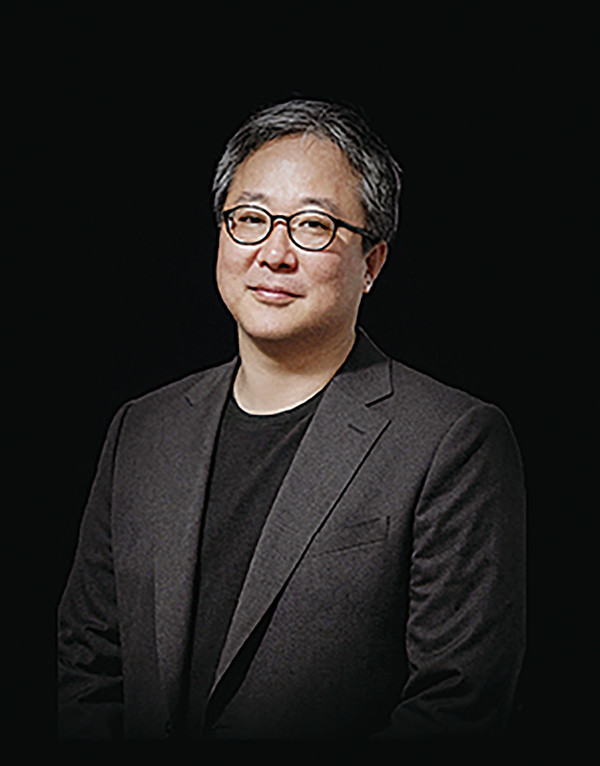
Bongjin Jun and the surprising afterlife of smart glasses
Before STRADVISION put vision software into cars, Bongjin Jun helped computers read the world through smart glasses. His story follows a research team, a promise to start again, and an idea that found another place to work.
Deep Instinct wants to stop the file before the crime
A deep-learning company is moving the malware checkpoint into cloud storage, shared drives and applications. Its wager: a threat stopped early should leave less work for everyone else.

Jeremy Howard and the Problem of Making AI Too Easy
He helped make machines better at language, then spent a decade teaching people to understand the machines. Jeremy Howard's latest project asks a harder question: can AI make us more capable without doing our thinking for us?

Yann LeCun and the Bet Beyond Words
He taught machines to read handwritten digits, then helped turn deep learning into a working science. At AMI Labs, Yann LeCun is asking a harder question: can a machine learn how the physical world works?
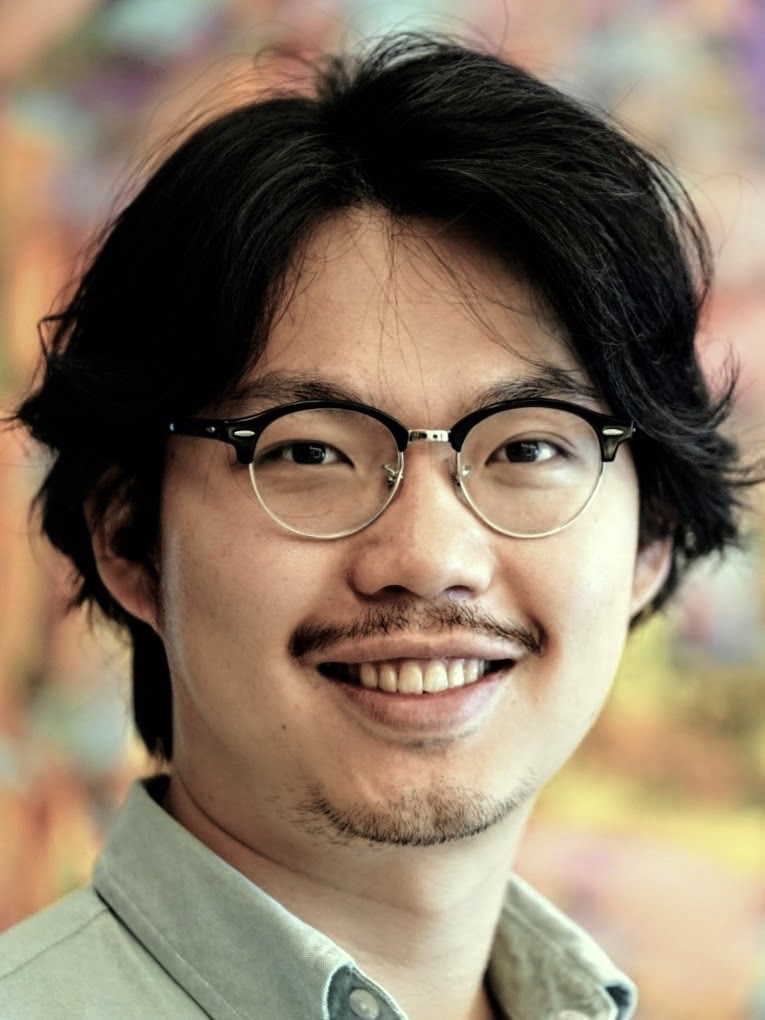
Jimmy Ba and the Algorithms That Learned to Learn
Before he helped build xAI, Jimmy Ba helped solve two quieter problems inside modern AI: how a network takes its next step, and how it stays steady along the way.

Prathamesh Juvatkar and the Long Apprenticeship of Making AI Useful
Before Nanonets learned to read the world's paperwork, its co-founder learned to value patient iteration, old friendships and the unglamorous work behind useful technology.

Lei Xu Is Teaching Cars to See - Then Asking What Sight Is For
The former Tesla Vision engineer built Nullmax around a stubbornly practical idea: autonomous driving only matters when the software can leave the demo, fit the car and survive the road.

Jeremy Fain Learned to Read the Internet. Then He Taught It to Bid.
The Cognitiv co-founder spent two decades learning how digital advertising actually works. His more revealing operating system was built earlier - in code, competition and the company of two childhood friends.
Imubit Put an AI on the Refinery Controls - The Bet Is Whether Operators Will Let It Drive
Most industrial AI stops at the dashboard. Imubit wants its reinforcement-learning models to touch the controls - a higher-stakes proposition now running across more than 100 applications in refineries, chemical plants, cement kilns and other process facilities.
Cognitiv Bet on Deep Learning Before It Was Cool - Now It Wants to Kill the Static Audience
Three fifth-grade friends built a neural-network ad company in 2015, when the pitch still needed explaining. A decade later, Cognitiv is turning campaign briefs into live media decisions - and testing whether marketers will trade static segments for models that keep changing their minds.

The Biotech Betting That Cancer Drugs Fail Because Nobody Looked at the Proteins
80% of cancer compounds that reach clinical trials fail. Yatiri Bio thinks the problem is that drug developers have been reading the wrong molecules - and it built a proteomics platform to prove it.
The Danish startup teaching a ceiling sensor to watch grandma - so nurses don't have to
Teton wraps a camera in enough AI that it never has to save a single frame of video - and uses it to cut falls in elder care by up to 82%. Now it is betting American nursing homes will pay for a night nurse that never blinks.
The Startup Teaching Cameras to Catch What Tired Human Eyes Miss on the Assembly Line
Akridata spent years fixing AI's boring, expensive data problem - then pointed the same tools at factory defects and got acquired by DIMAAG in 2026.
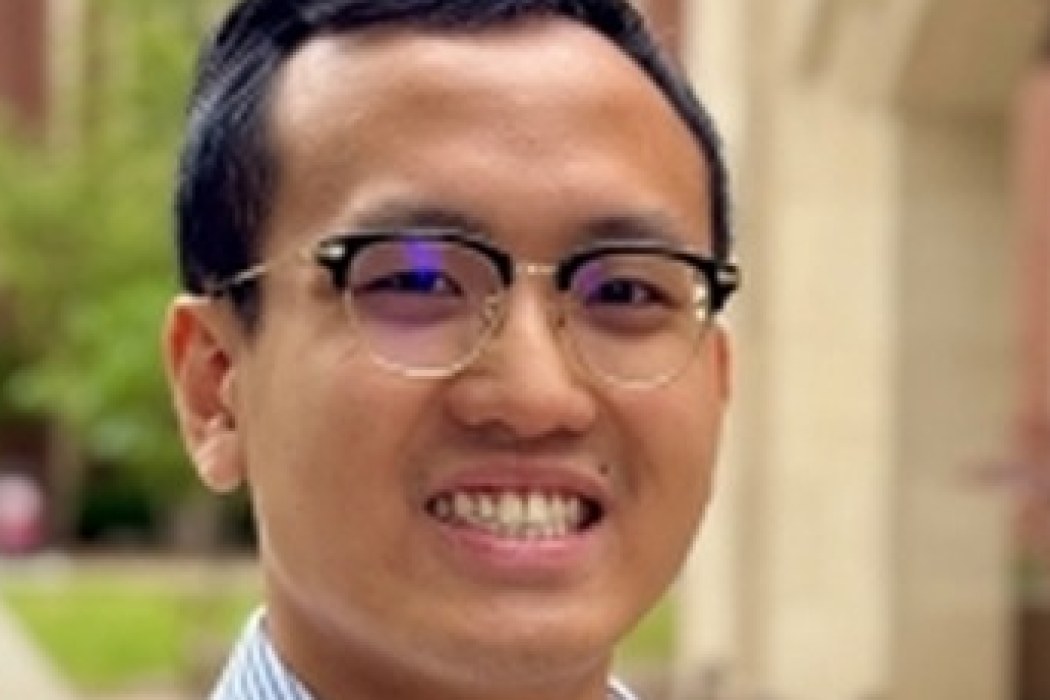
Tri Vu
Tri Vu is the co-founder and CEO of Lumius, a Durham, North Carolina medical imaging startup building fast, smart, accessible 3D ultrasound - what the team calls a 3D camera for the body. A Duke-trained biomedical engineer with a doctorate in ultrasound and photoacoustic imaging and more than 1,900 research citations, Vu left an academic track to turn a decade of imaging research into a device clinicians actually want to pick up. Lumius went through Y Combinator's Spring 2026 batch and is starting with vascular access, where roughly half of first attempts fail.
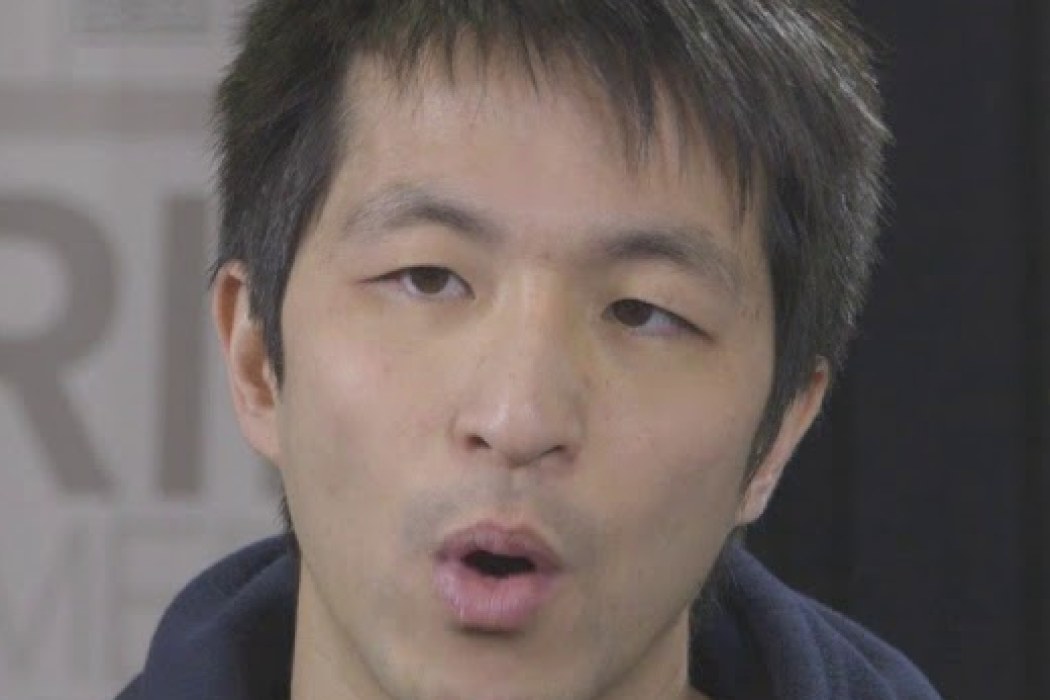
Shawn Guan
Shawn Guan is the CEO and co-founder of Umbo Computer Vision, an AI company building autonomous video security systems that watch camera feeds and flag real threats instead of stray animals and swaying trees. After roughly 2,000 client meetings in the traditional surveillance business taught him how badly false alarms wear people down, he co-founded Umbo in 2014 with Ping-Lin Chang and Tingfan Wu to put deep learning behind the lens. The company raised about $17.6 million, won a Best Startup nod at NVIDIA's 2016 deep learning conference and SIA's Best in Video Analytics in 2017, and ran offices in San Francisco, Taipei and London.
Harrison.ai
Harrison.ai is a Sydney-based clinical AI company founded in 2018 by brothers Dr Aengus Tran and Dimitry Tran. It builds artificial-intelligence software that helps clinicians read medical images faster and more accurately - flagging urgent findings on chest X-rays and brain and chest CT scans, and streamlining pathology review. Its diagnostic products, radiology brand annalise.ai and pathology joint venture franklin.ai, are used at more than 1,000 healthcare sites across four continents, with regulatory clearance in 40-plus countries. The company positions itself as a builder of foundation models for medicine, releasing harrison.rad.1, a radiology-specific multimodal large language model. Harrison.ai raised a US$112 million Series C in February 2025 to fund a US expansion, taking total capital raised past US$240 million.
AssemblyAI
AssemblyAI is a San Francisco speech-AI company that builds and serves models turning audio and video into accurate text, plus higher-level 'audio intelligence' like summaries, sentiment, speaker labels, and PII redaction. Founded in 2017 by Dylan Fox, it sells a developer-first API used to add transcription, real-time streaming, and voice-agent capabilities to software. The company has raised more than $113M across seed to Series C and reports processing over a million hours of audio a day for customers ranging from startups to large enterprises.
Baseimmune
Baseimmune is a London-based biotech that uses a proprietary deep-learning platform to design synthetic antigens - the active ingredients in vaccines and immunotherapies. Founded in 2019 by three researchers who met at Oxford's Jenner Institute, the company originally built AI-designed 'future-proof' vaccine candidates against fast-mutating pathogens such as coronavirus, malaria and African swine fever. In 2026 it extended its computational antigen-design platform beyond infectious disease into chronic conditions, with a lead program targeting idiopathic pulmonary fibrosis. Baseimmune closed an $11.3M (about GBP 9M) Series A in February 2024 led by MSD Global Health Innovation Fund and IQ Capital.
Deeptune
Deeptune is a New York AI company that builds high-fidelity simulation environments - 'training gyms' - where AI agents practice real digital work such as accounting, customer support, DevOps, and spreadsheet and CRM tasks before being deployed. Its reinforcement-learning environments recreate the day-to-day software of roles like accountants, lawyers, and engineers so agents can learn multi-step 'computer use' the way a pilot trains in a flight simulator. Founded in 2025 by Tim Lupo and Lukas Schmit, Deeptune raised a $43M Series A led by Andreessen Horowitz in March 2026 and was acquired by AI unicorn Mercor in July 2026.

Intellicene
Intellicene is a Melville, New York-based security software company that builds Symphia, a unified, video-centric platform for physical security operations. Spun out of Verint and Cognyte's Situational Intelligence Solutions business and acquired by Canada's Volaris Group in December 2022, the company connects and correlates data from cameras, access control, intrusion detection and other networked devices so security teams can detect threats and respond to mission-critical events in real time. With roughly 25 years of heritage, it serves retail, airports, transportation, healthcare, safe cities, higher education and industrial customers worldwide.

Nexar Inc.
Nexar is a New York-based mobility technology company that turns connected dashcams into a real-time sensing network for the physical world. Founded in 2015 by Eran Shir and Bruno Fernandez-Ruiz, it sells LTE-connected 4K dashcams to consumers while aggregating anonymized road imagery into CityStream, a platform that gives cities, mapmakers, insurers and autonomous-vehicle developers a minute-by-minute, ground-level view of streets. In July 2026 Nexar agreed to merge with Nauto to form an independent infrastructure platform for physical AI, backed by more than 10 billion historic miles of driving data across 50+ countries.
SandStar AI Retail
SandStar AI Retail is a retail-technology company that uses computer vision, deep learning and big-data analytics to power cashierless, autonomous shopping. Founded in 2017 as YI Tunnel and rebranded to SandStar after a 2020 Series B+ round, it builds AI vending machines, pure-vision unmanned stores and smart-store analytics that recognize what shoppers pick up - no RFID tags, barcodes or sensors required - and automatically generate the bill when they walk out. Its systems are deployed across roughly 30 countries and serve dozens of global brands and Fortune 500 operators, including a Coca-Cola Smart Lounge in Beijing.
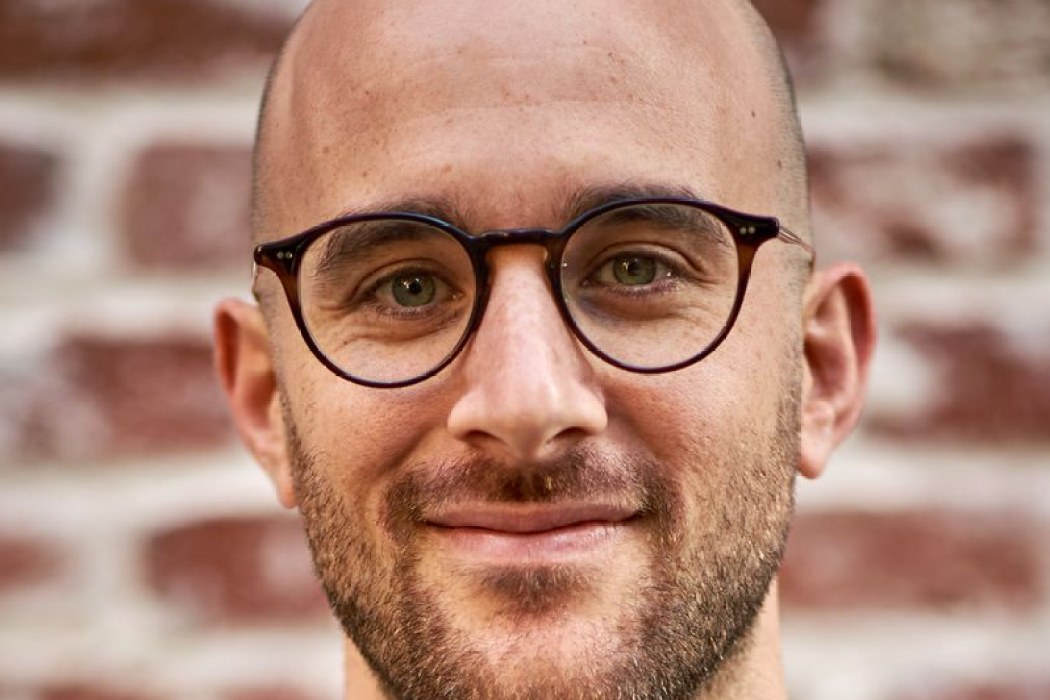
Dylan Fox
Dylan Fox is the founder and CEO of AssemblyAI, an AI research company building Speech AI models that transcribe and understand human speech through a developer-facing API. A former machine learning engineer at Cisco, he started AssemblyAI as a solo founder in 2017, went through Y Combinator, and grew it into a platform used by companies like Spotify, Zoom, and Fireflies.ai. The company processes tens of millions of API calls a day and has raised roughly $115M, including a $50M Series C led by Accel in December 2023.
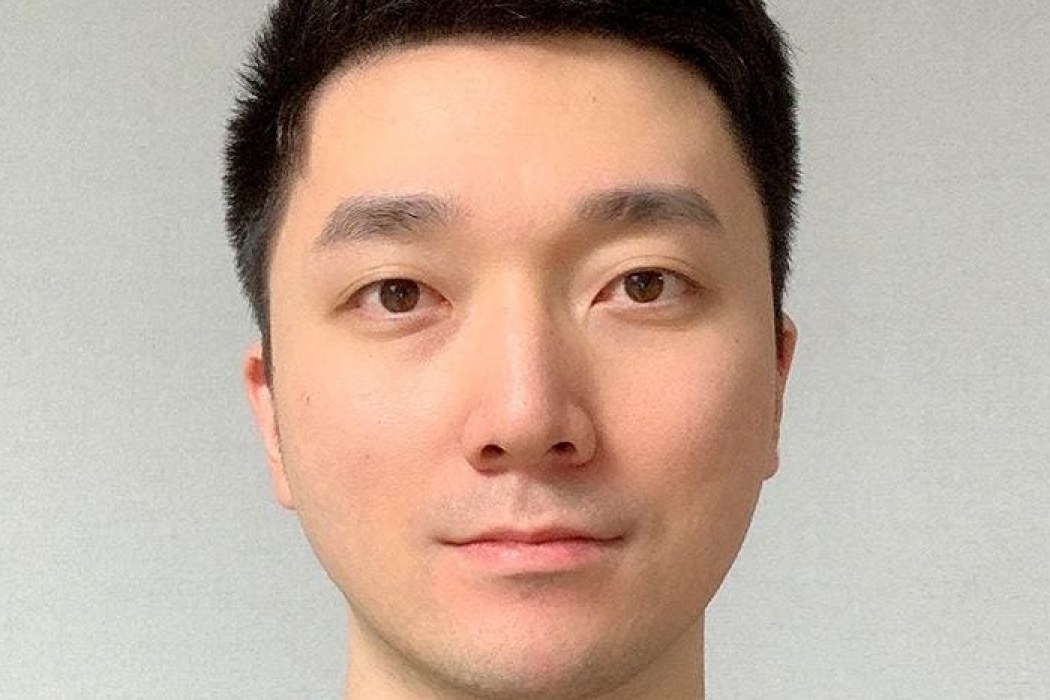
Ilsu Park
Ilsu Park is the co-founder and CEO of Mars Auto, a Seoul-based startup building camera-based, map-free self-driving software for heavy trucks. A KAIST computer science graduate and self-taught deep-learning engineer, he started with a hobby project that used a driving-game simulator to train a neural network, then turned that idea into a company that runs paid autonomous freight in Korea and the United States. Mars Auto takes a Tesla-style vision-first approach, skipping LiDAR and HD maps to cut the cost of automating a Class 8 truck to roughly $7,000 per unit. Park has raised about $12 million, graduated from Y Combinator, and made the Forbes 30 Under 30 Asia list. He is targeting fully driverless long-haul freight by 2028.
Cognizer Inc
Cognizer is a Pleasanton, California enterprise AI company that turns messy contract documents into structured, queryable intelligence. Its patented Genius technology pairs natural language AI with a knowledge graph so legal, sales, procurement, finance and compliance teams can discover, classify and analyze contracts at scale - detecting clauses, mapping parent/child document families and answering plain-language questions across millions of documents.