social-media
(166)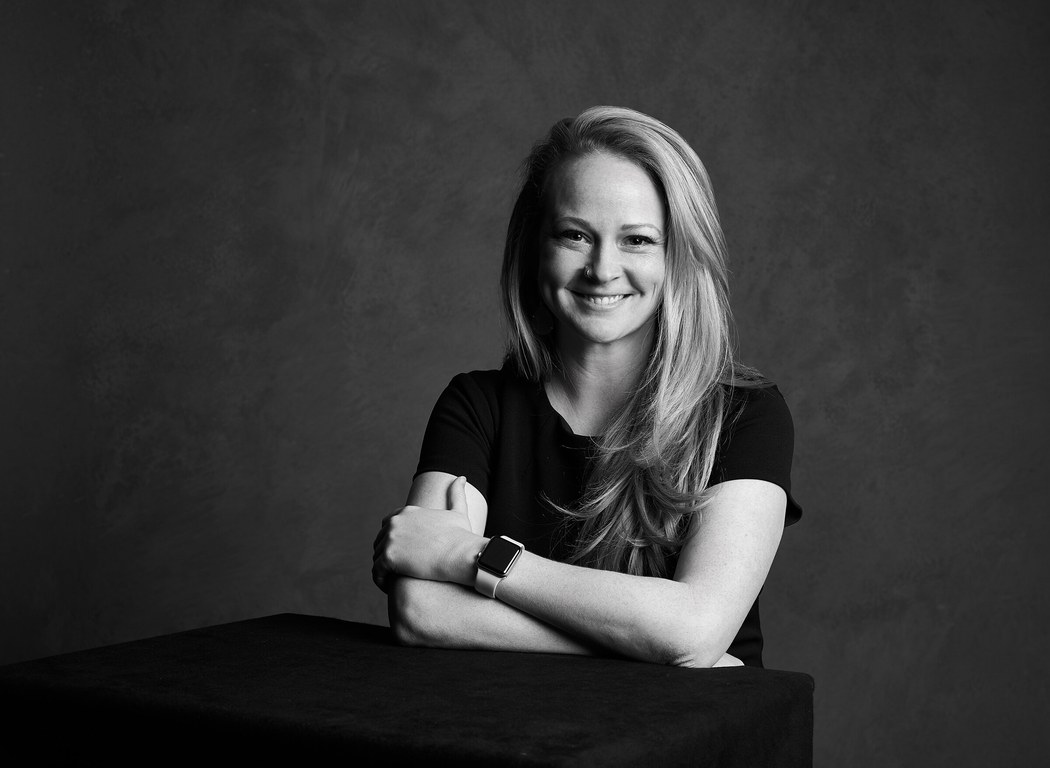
Claire Winslow Brown and the Price of Paying Attention
A costly advertising contract helped set Claire Winslow Brown on the path to founding Best Practice Media. Eleven years later, her work still comes back to a deceptively ordinary question: what did the money actually do?

Shama Hyder and the business of being early
Eighteen employers turned her down. She built Zen Media anyway. Now Shama Hyder is asking business leaders to make sense of another unfamiliar technology: AI.
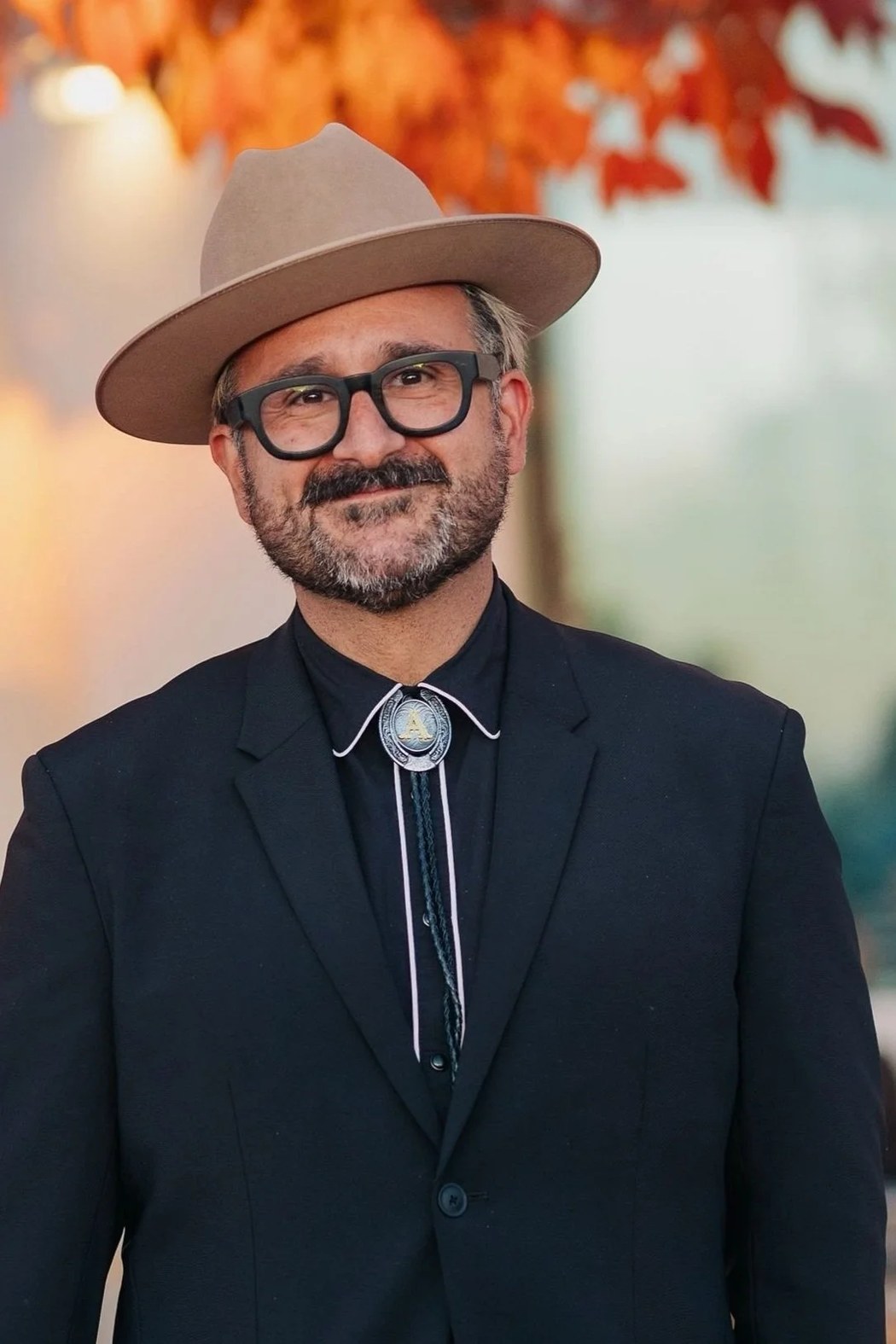
Alf LaMont and the art of getting people to pass it on
At the Comedy Store, Alf LaMont helped turn an audience into an online community. His route to LaMont Digital runs through Sunset Strip collaborations, a stubborn dislike of empty follower counts, and a belief that people make the best messengers.

Dick Raman and the business of paying attention
Before Facebook fan pages, Dick Raman helped companies trade electronically. Then the Dutch software founder turned to tweets, listening, and the peculiar challenge of making a business sound human.
Anne Marie Holder and the art of a better conversation
She started SPARK Strategic Ideas at a coffee-shop table in 2008. The Charlotte founder has spent the years since making a business out of listening carefully, asking awkward questions and choosing her company.

Lyle Stevens and the arithmetic of being believed
A Facebook argument between his brothers gave Lyle Stevens a question worth building a company around: who actually moves people? From Mavrck to Later, he has spent his career trying to make the answer useful.

Danica Kombol Built Everywhere. Then She Made Room to Go Somewhere.
From Sesame Street to influencer marketing, Danica Kombol kept finding new ways to reach an audience. After selling Everywhere Agency, she gave herself a different assignment: leave room for the rest of life.
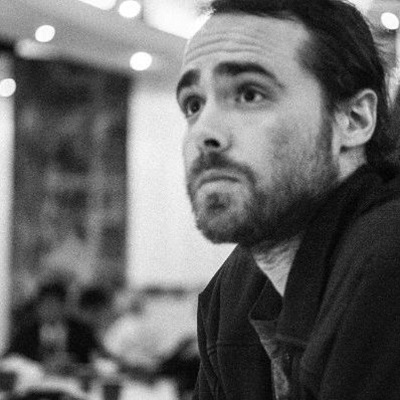
Bill Ottman and the art of leaving the party
He built Minds around a stubborn question: what should people be able to take with them when they leave a social network? For Bill Ottman, the answer has become a career.
Sunflower Group makes the audience part of the act
A bottle with your name on it. A drink brand in your DMs. Sunflower Group’s work reveals how a small invitation can change the way people meet a product.
RJ asks a better question: What happens next?
Web. Social. Mobile. Search. RJ brings them together around a deceptively simple idea: start with what the customer needs to do.

Joel Gascoigne and the price of staying put
Buffer’s co-founder spent $3.3 million buying out investors so he could keep building on his own terms. Years of uneven growth have made that choice more interesting, and more expensive, than a tidy startup fable.

Adrienne Eckert Petersen and the Company That Came With Company
She started Skirt PR at 25. More than two decades later, a new office, a pile of pink chairs and a family assembly crew gave Adrienne Eckert Petersen another way to measure what she had built.

Syed Ali Salman Bokhari and the video that earns its keep
The Daily Vertex founder measures creator content one sale at a time. His approach puts a small account, a trackable link and an awkward question at the centre of the marketing budget.
Shari Gold Gave Herself 90 Days. Then Came the Next 25 Years.
She started GOLD PR in a spare bedroom with no clients and a deadline. The business that followed reveals her thinking about growth, keeping a team, and making room for a life.

Lisa Jammal and the Art of Being in the Picture
She brought a camcorder to high-school parties, built a social media agency, and co-founded Social Agent. Lisa Jammal’s running question is who gets to enjoy the moment when someone still has to capture it.

Mimi Banks and the Business of Keeping in Touch
After 15 years at L’Oréal, Mimi Banks built MB Social around a question she was already asking her friends: How can I help? Twelve years later, the harder question is how to build a company that can answer without her.

Yuji Ueda and the company built to let people leave
He founded Gaiax at 24 and took it public at 30. Then Yuji Ueda began making room for an unusual kind of growth: employees becoming founders, with the company helping them go.
Ben Ricciardi’s big ideas began in a very small room
An 8-by-10-foot basement office. A colleague who quit two jobs to join him. The Times10 founder’s story runs from that crowded desk to celebrity campaigns, Chicago celebrations and a golf goal he is pursuing in public.

Tombras makes the familiar impossible to ignore
A blurry candy heart. A moving truck. An agency in Knoxville that keeps finding new uses for things everyone else has stopped noticing.
Dan Brahmy and the Trouble with a Crowd
Dan Brahmy built Cyabra around a question most of us forget to ask online: who is doing the talking? His route there runs through Paris, a Google internship, late-night pizza, and a business lesson about listening.
Mojo Supermarket makes advertising worth doing.
A music video you can code. A trend report you can wear. The New York agency builds campaigns that give people a part to play.
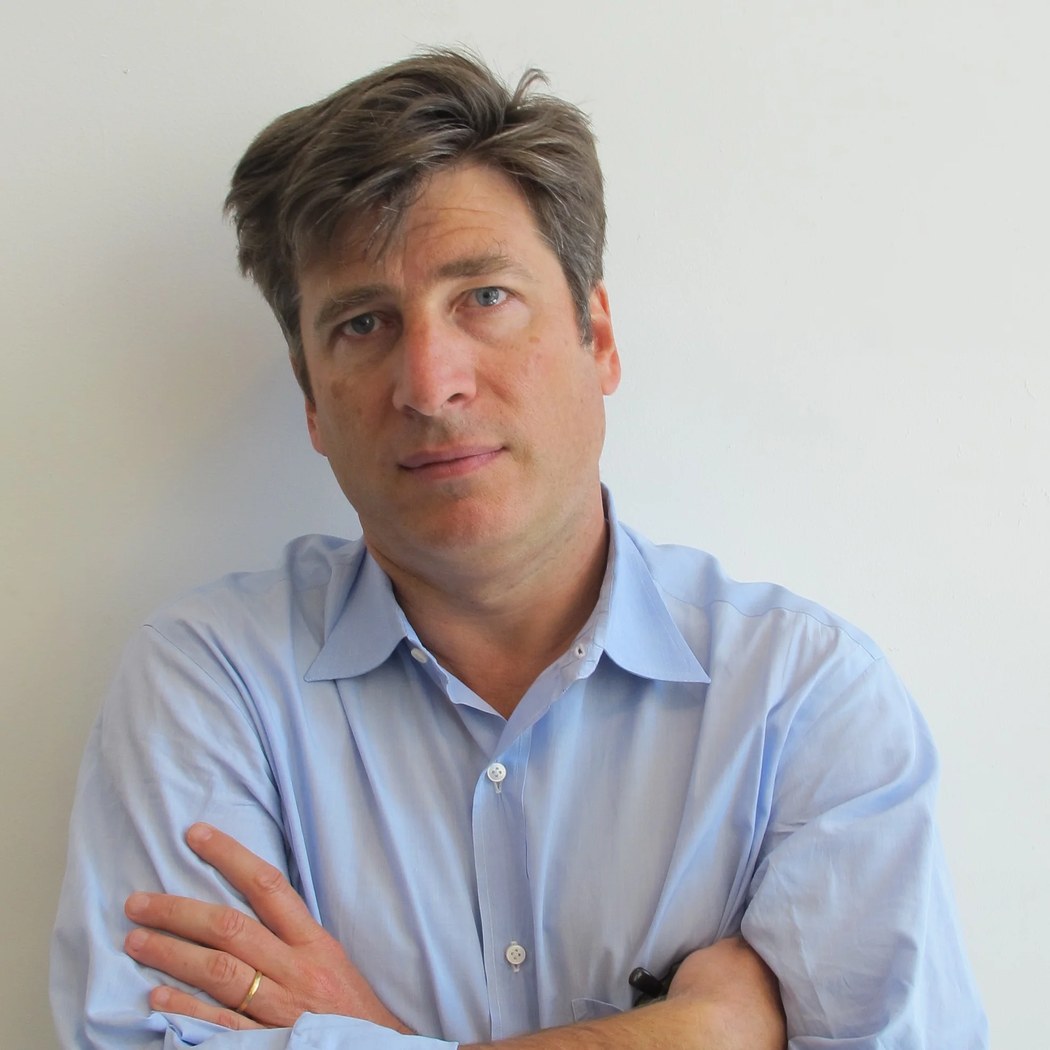
John Borthwick and the four-hour trip to the future
In 1993, John Borthwick drove to MIT to use a web browser. Three decades later, the Betaworks founder is still looking for the interface that changes what people can do.
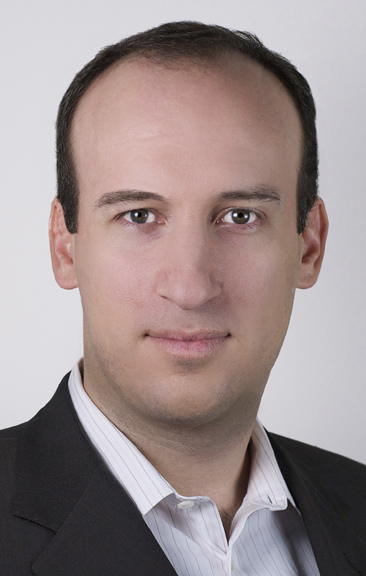
Tom Cunha and the audience before the audience
Before a film has an opening weekend, it has a conversation. Brigade co-founder Tom Cunha has built a career in the space between a story and the people who might make it their own.

Ryan Glick and the Business Hidden in a Coffee Break
A photograph of coffee and an outfit became a hashtag, then a café, then CNC Agency. Ryan Glick’s next job is learning how to let a company grow beyond the person who started it.
Klear knows a following is not an audience.
The influencer marketing company built its business on looking past follower counts. Inside Meltwater, its more practical trick is making the work behind a sponsored post less of a circus.

Casey Newton and the Art of Leaving the Platform
He built a publication to scrutinize the companies that govern online life. Now, after leaving one platform and one long-running podcast behind, Casey Newton is testing how much independence a journalist can carry into the AI age.

Joseph Chen Has Spent a Career Moving to the Next Bottleneck
He helped put real identities on China’s early internet, watched a social network become a public company, and then followed computation all the way down to the chip. Joseph Chen’s career is a study in knowing when the bottleneck has moved.
The Agency That Learned to Sit in the Waiting Room
Imre spent three decades learning what people do when the decision feels personal. Now the independent agency is betting that empathy, performance data and AI visibility belong in the same room.

The Tractor Was Never Supposed to Leave the Block
Racepoint Global built its reputation translating technical machinery into human stories. Its most revealing campaign began with a tractor, a quarterback and a planned leak that the street beat them to.
Newhouse Knows the Internet Still Wants Something It Can Touch
The New York agency’s best work begins with an object, a room, or a small piece of theater - then gives creators a reason to carry it far beyond the guest list.